
Vintage Glass Bowl
A vintage glass bowl brings tactile weight and clarity to a room, offering functional utility alongside enduring decorative appeal.
Vintage Glass Bowl
When you search for a vintage glass bowl, you encounter objects spanning periods from the eighteenth century to the mid-twentieth century, encompassing Georgian, Victorian, Edwardian, and Art Deco eras.
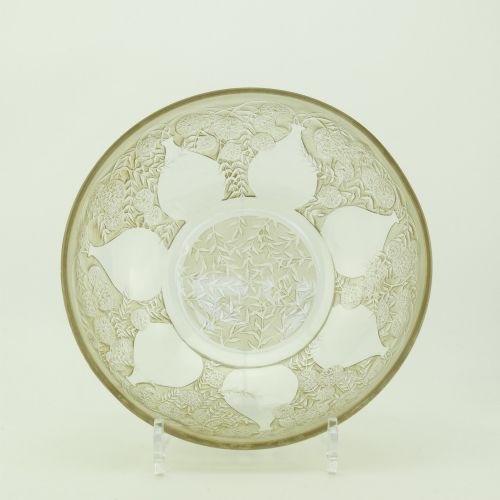
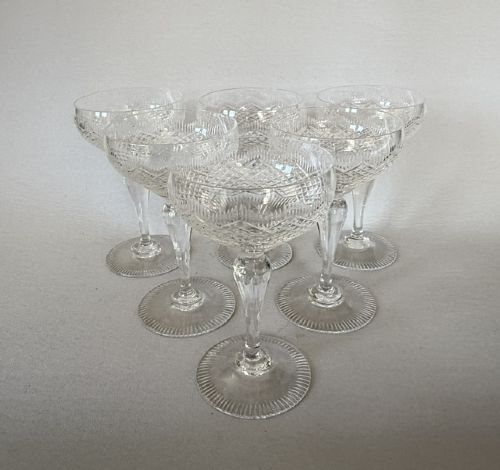
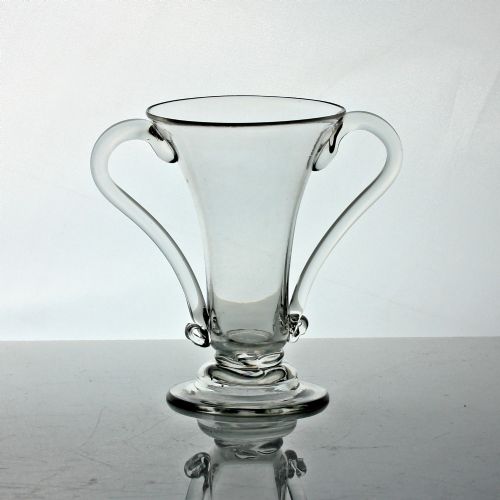
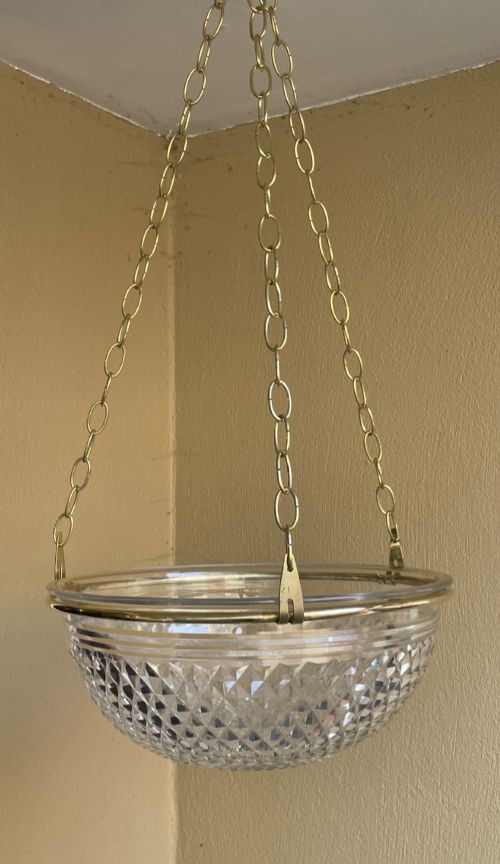
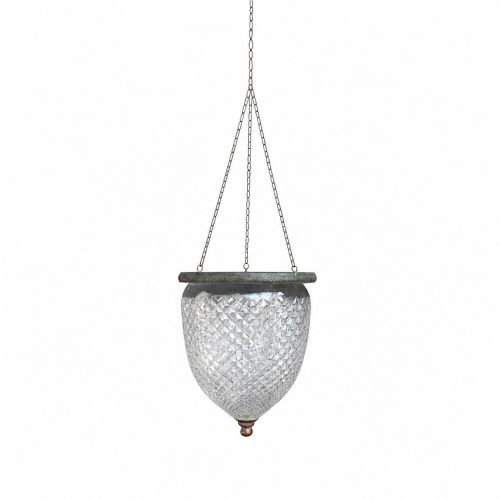
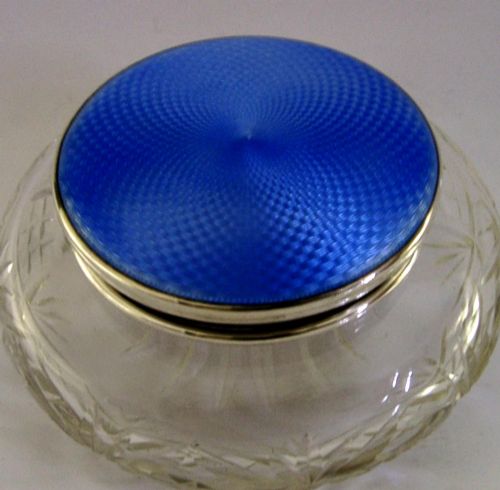
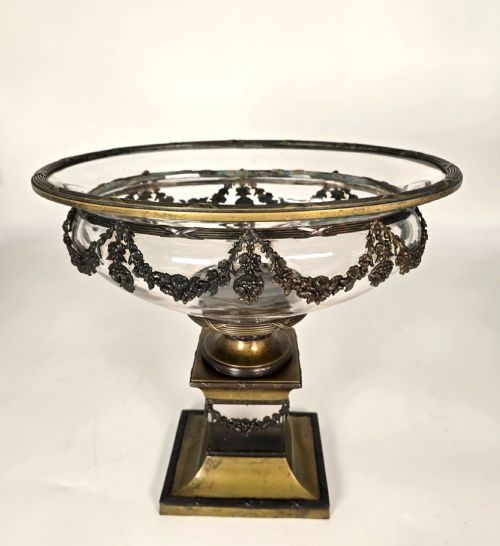
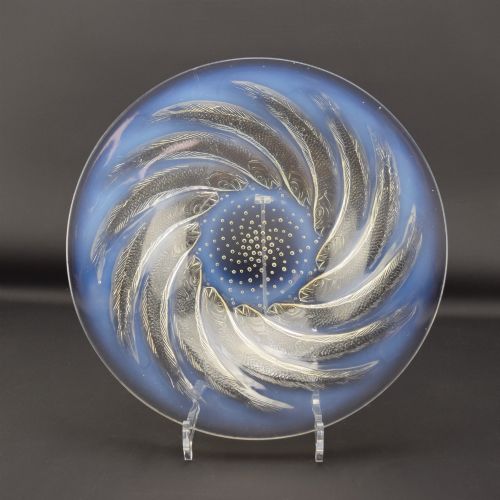
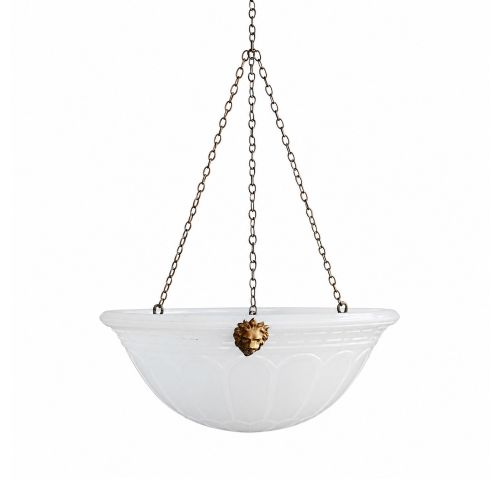
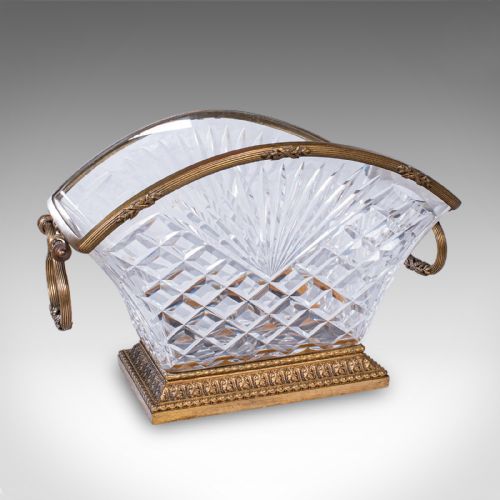
The selections on this page include heavy cut glass table centrepieces, delicate opalescent coupes, and moulded vessels decorated with enamel, brass, or silver mounts.
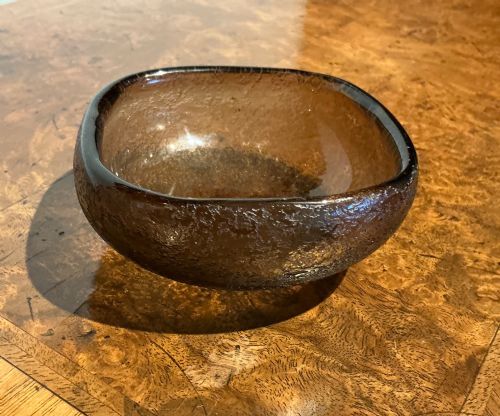
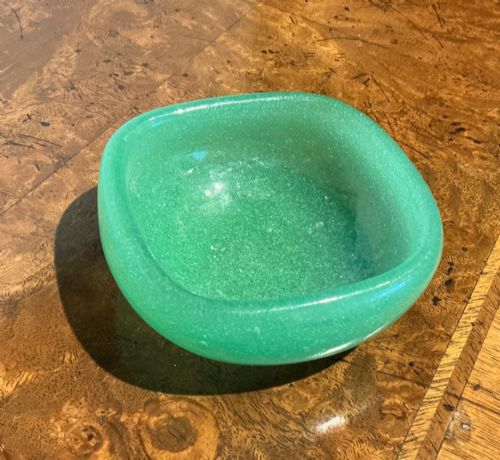
You are most likely to meet pieces originating from English and French makers, alongside examples of Italian Murano production and Belgian crystal from the interwar years.
Distinctions in craftsmanship
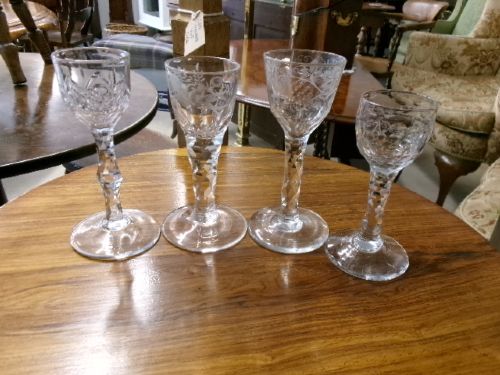
The distinction between ordinary production and superior quality lies in the depth and crispness of the cutting, the purity of the metal content in lead crystal, and the smoothness of the finished surface.
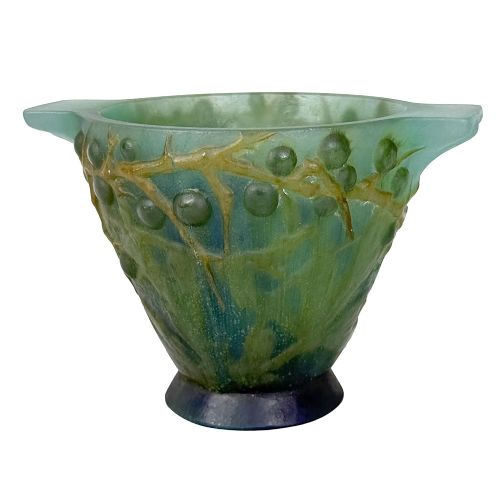
Artistic execution also separates standard domestic wares from exceptional studio output, particularly in the handling of opalescent tones, coloured glass overlays, and intricate moulded details.
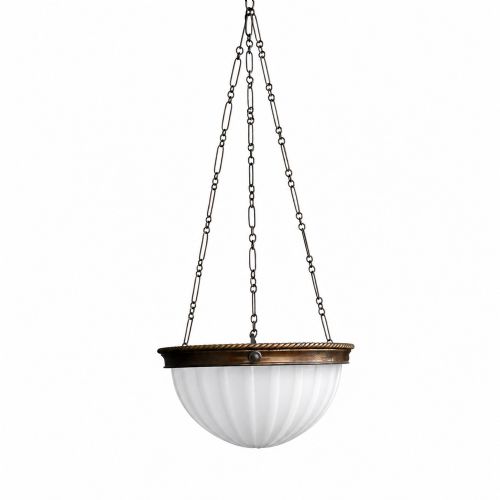
Listings feature items spanning from the 18th Century through to the mid-20th Century, incorporating clear glass, cut glass, opalescent glass, and enamel.
Rene Lalique·Venini·Amalric Walter·Val St Lambert·Daum France
The Vintage Glass Bowl Glossary
- Cut glass
- Glass decorated by holding it against a rotating wheel to carve geometric or floral patterns into the surface. This technique produces sharp facets that refract light.
- Opalescent glass
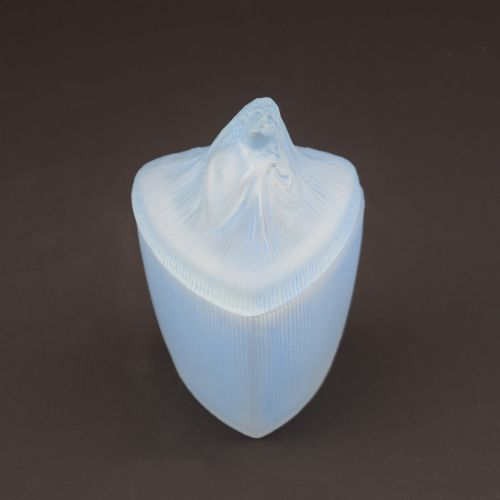
- Glass containing ingredients that cause it to display a milky, milky-blue, or fire-like shimmer when light strikes the surface. It appears frequently in twentieth-century French pieces.
- Pate de verre
- A glass-casting method where crushed glass is packed into a mould and fused in a kiln. This creates dense, textured objects with subtle colour gradations.
- Centrepiece
- A large decorative vessel placed in the middle of a table, often mounted in bronze or silver. These pieces served to anchor formal dining arrangements.
- Coupe ouverte
- An open shallow bowl or dish design popular in the early twentieth century. These items often display moulded figural or botanical motifs across the interior.
Vintage Glass Bowl: Frequently Asked Questions
How do I clean a vintage glass bowl safely?
Wash the glass gently in lukewarm water using mild washing-up liquid and a soft cloth, avoiding abrasive sponges or harsh chemical detergents that might scratch the surface.
Dry the vessel thoroughly with a lint-free linen tea towel to prevent water spots, and support any attached metal mounts carefully so they do not strain the joins.
Can I use these bowls for serving food?
Many vintage glass bowls were originally designed for fruit, jelly, or condiments, making them suitable for similar dry or cool foods today.
Avoid exposing older glass to sudden temperature changes, such as pouring boiling water directly into the vessel or placing it inside a microwave.
How do I distinguish Georgian glass from Victorian pieces?
Georgian glass often exhibits darker metal characteristics with pontil marks on the base and simpler, heavier hand-formed profiles.
Victorian and later pieces frequently show more mechanical precision, brilliant-cut clarity from lead crystal developments, and a wider variety of pressed or moulded embellishments.
What is the difference between lead crystal and standard glass?
Lead crystal contains a percentage of lead oxide that increases the material weight, refractive index, and acoustic resonance.
Standard glass lacks this heavy lead content, resulting in a lighter feel and less pronounced light dispersion when illuminated.