




Opalescent Glass Dish
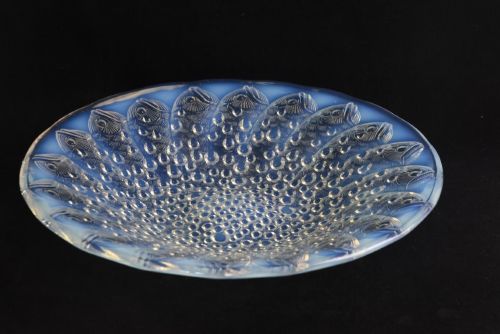
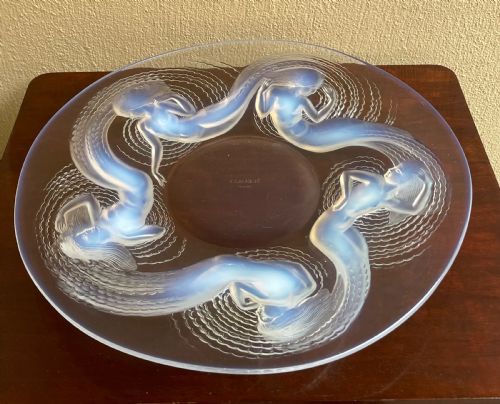
An opalescent glass dish catches the light with milky blues and amber fires, transforming simple tableware into luminous display pieces.
Opalescent Glass Dish
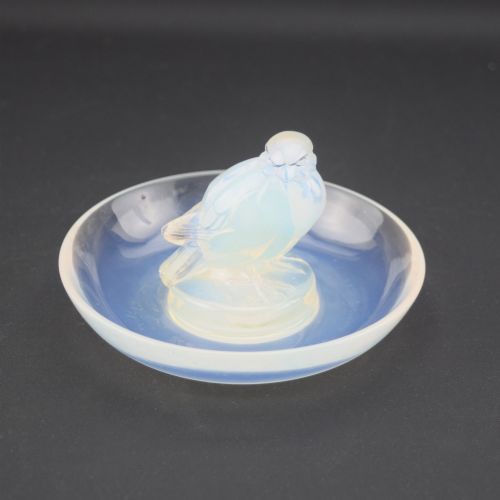
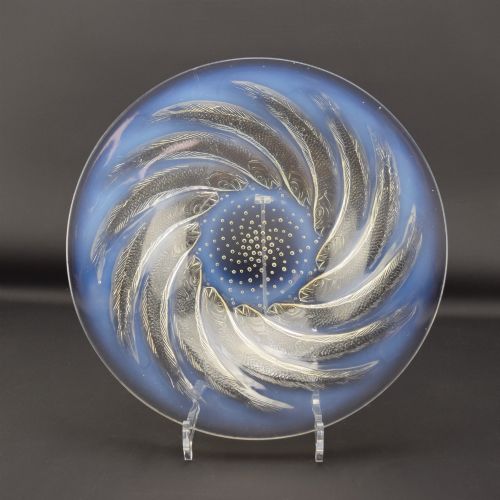
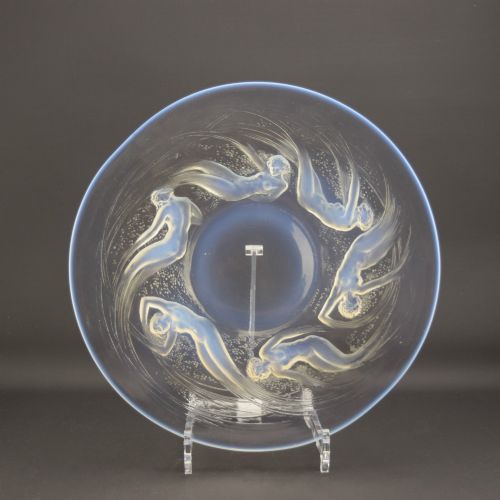
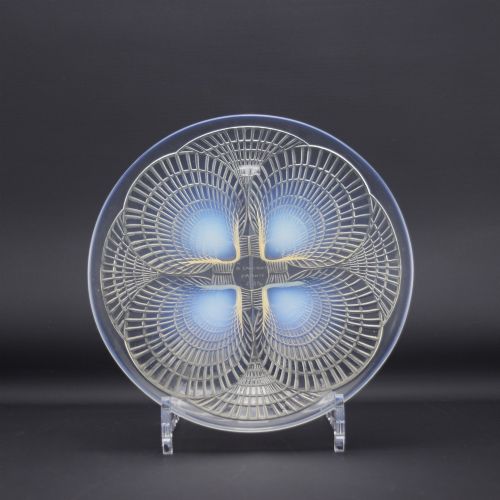
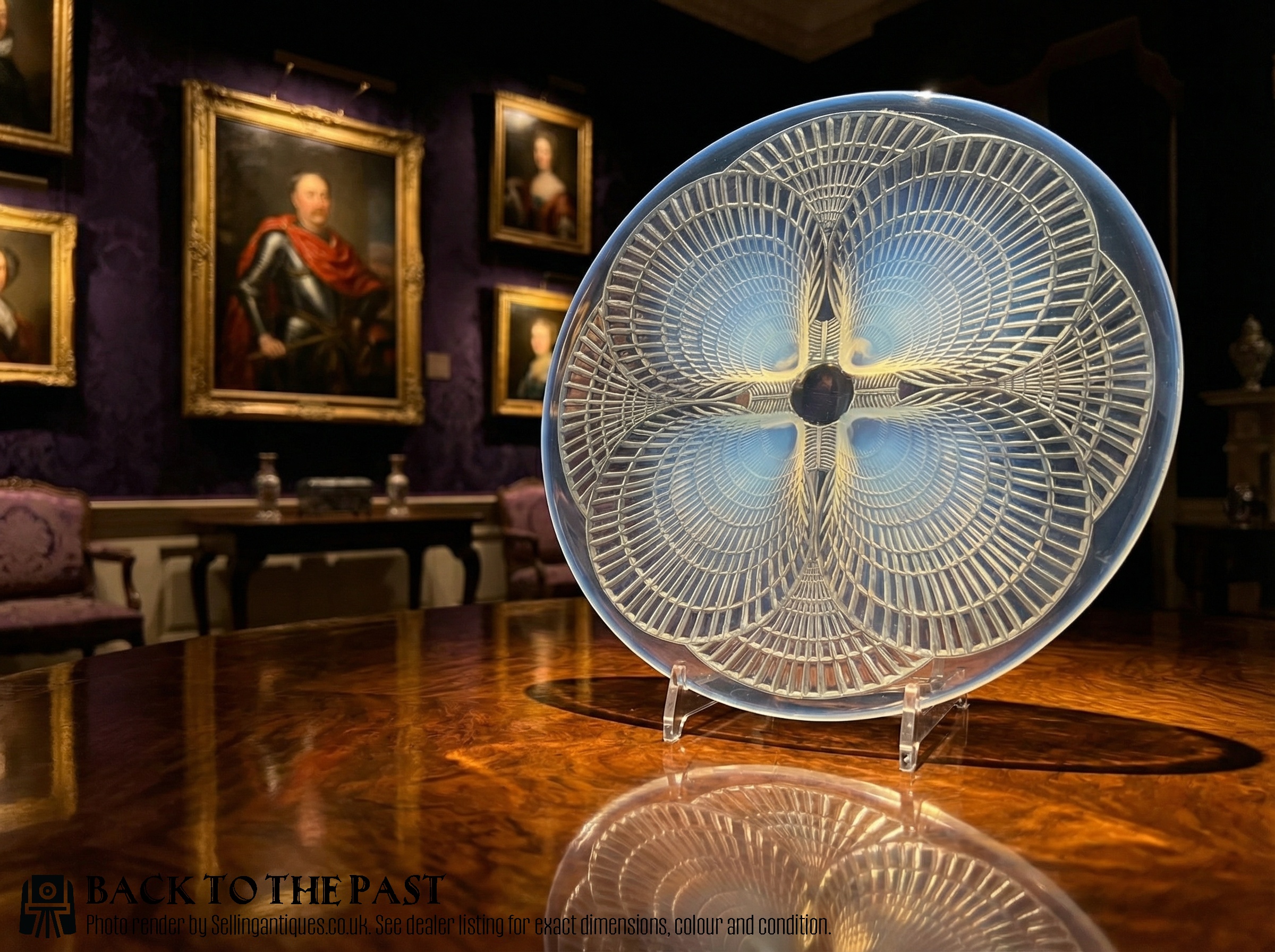
An opalescent glass dish combines milky translucent qualities with a characteristic play of colour across its surface, shifting from pale white to fiery orange depending on the angle of light. These items appear primarily in decorative bowls, plates, and chargers, shaped by moulding techniques that capture fine sculptural detail.
The selection ranges from Victorian moulded pieces to elaborate Art Deco creations. Collectors encounter items originating from the nineteenth century through the 1930s, reflecting changing domestic tastes in tableware and interior ornament.

Materials and production methods
Makers achieved the milky, light-catching effect by adding bone ash, arsenic, or tin oxide to the molten batch, causing partial crystallization during cooling. Workers then pressed the molten material into iron or brass moulds to shape intricate reliefs of flora, fauna, and geometric motifs.
The resulting pressed and mould-blown pieces often received acid-etching or polishing to highlight the contrast between clear and frosted areas. This combination of chemical formulation and mechanical pressure defined the texture of each finished vessel.
Opalescent Glass Dish Retail Price Guide 2026
Typical asking prices for opalescent glass dish among the pieces listed under this phrase on Sellingantiques today, from the lower quarter to the upper quarter. They describe what is for sale here now, not the wider market.
The current selection spans multiple eras, incorporating Victorian pressed wares alongside 1930s French art glass bowls and pendant lighting shades.
Assessing quality and finish
The strength and distribution of the opalescence determine much of the visual success in any piece, with superior examples showing deep blue or amber fire at the raised edges. Crispness of the moulded relief dictates whether floral patterns and figures remain sharp or appear blurred.
Makers' signatures or registry marks stamped into the glass provide a clear indication of origin and workshop standards. The weight of the metal and the absence of heavy moulding seams further separate standard domestic production from masterworks.
Rene Lalique·G Vallon·Etling·Jobling·Sabino·Davidson
The Opalescent Glass Dish Glossary
- Opalescence
- A milky optical effect in glass that scatters short light wavelengths, causing surfaces to appear blue in reflected light and amber or orange in transmitted light.
- Press-moulded
- A manufacturing method where molten glass is forced into a metal mould using a matching plunger, creating defined patterns on one or both sides.
- Coupe ouverte
- An open bowl shape frequently utilised in twentieth-century French decorative glassware for shallow fruit dishes and centrepieces.
- Pearline
- A trade name used by nineteenth-century manufacturers for pressed glass that displayed opalescent colour effects along raised ribs and borders.
Opalescent Glass Dish: Frequently Asked Questions
What is an opalescent glass dish?
An opalescent glass dish is a decorative vessel made from special glass formulations that scatter light to produce milky blue and amber highlights along its raised edges and patterns.
These items served primarily as decorative bowls, dessert plates, and table centrepieces during the Victorian and Art Deco eras.
How do I identify periods?
Dating relies on stylistic markers such as Victorian floral motifs versus geometric Art Deco lines, alongside specific manufacturing signatures and registry numbers.
Nineteenth-century examples often display heavier press-moulded patterns, while 1920s and 1930s pieces lean towards French modernist aesthetics and animal or botanical subjects.
How should I clean these dishes?
Cleaning requires lukewarm water and mild soap applied with a soft cloth to protect the delicate frosted surfaces and chemical composition of the glass.
Harsh abrasives, chemical solvents, and automatic dishwashers should be avoided entirely to preserve the original polish and subtle optical effects.
Where were these items made?
Production centres were concentrated in France and Britain, where major glassworks utilised advanced press-moulding techniques to supply domestic and international markets.
Notable hubs included English factories producing utilitarian tableware and French studios creating high-end decorative art glass.