




1920s Lalique Glass
These 1920s Lalique glass pieces combine Art Deco form with opalescent and frosted surfaces, offering collectors sculptural beauty for display.
What 1920s lalique glass pieces are
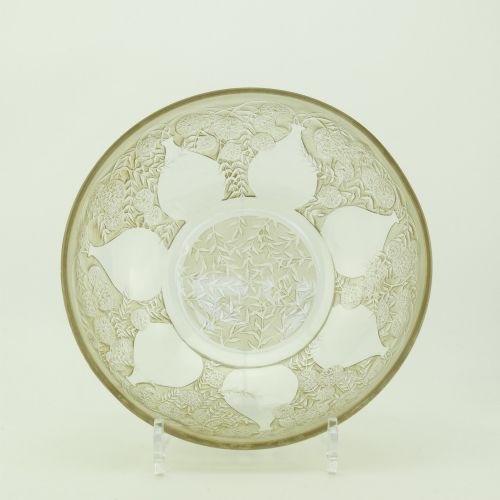
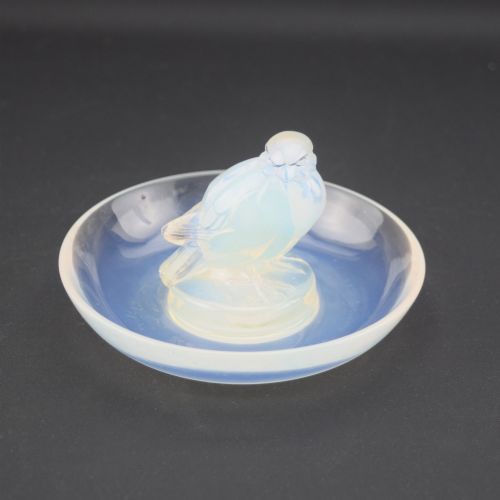
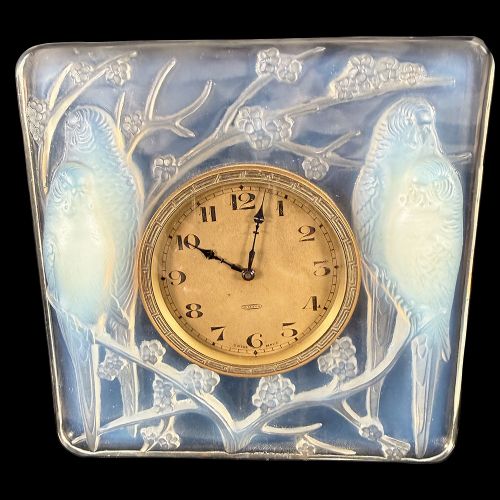
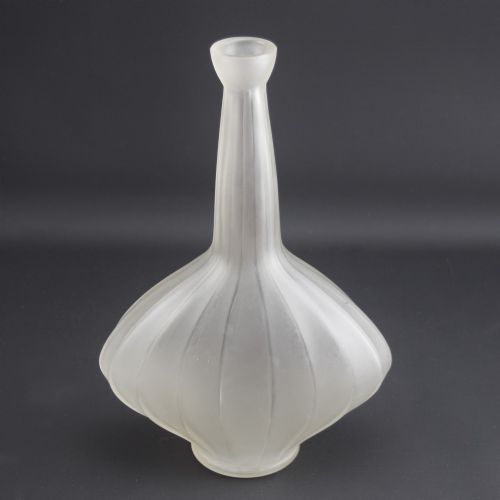
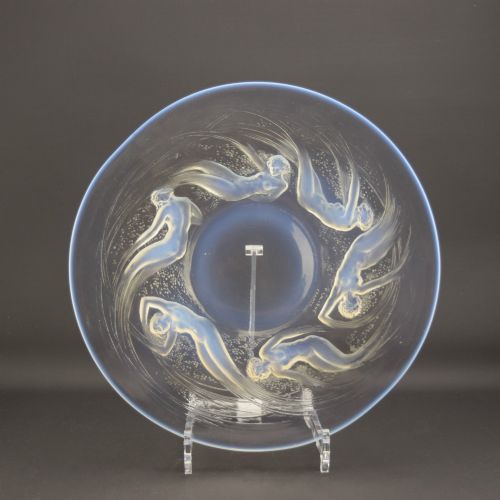
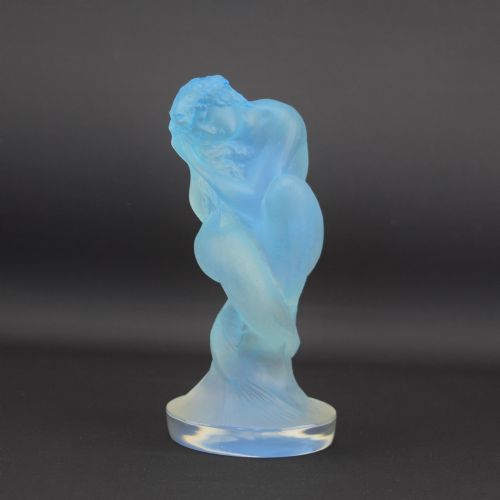
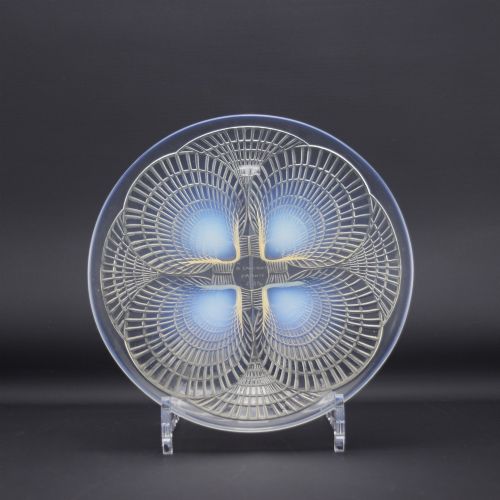
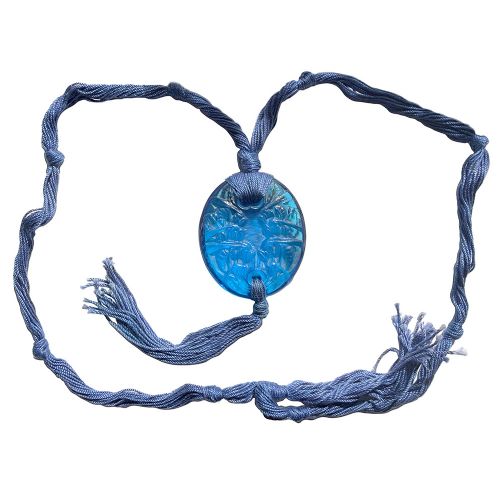
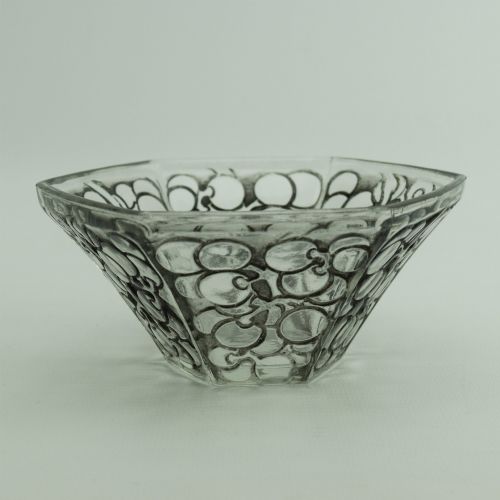
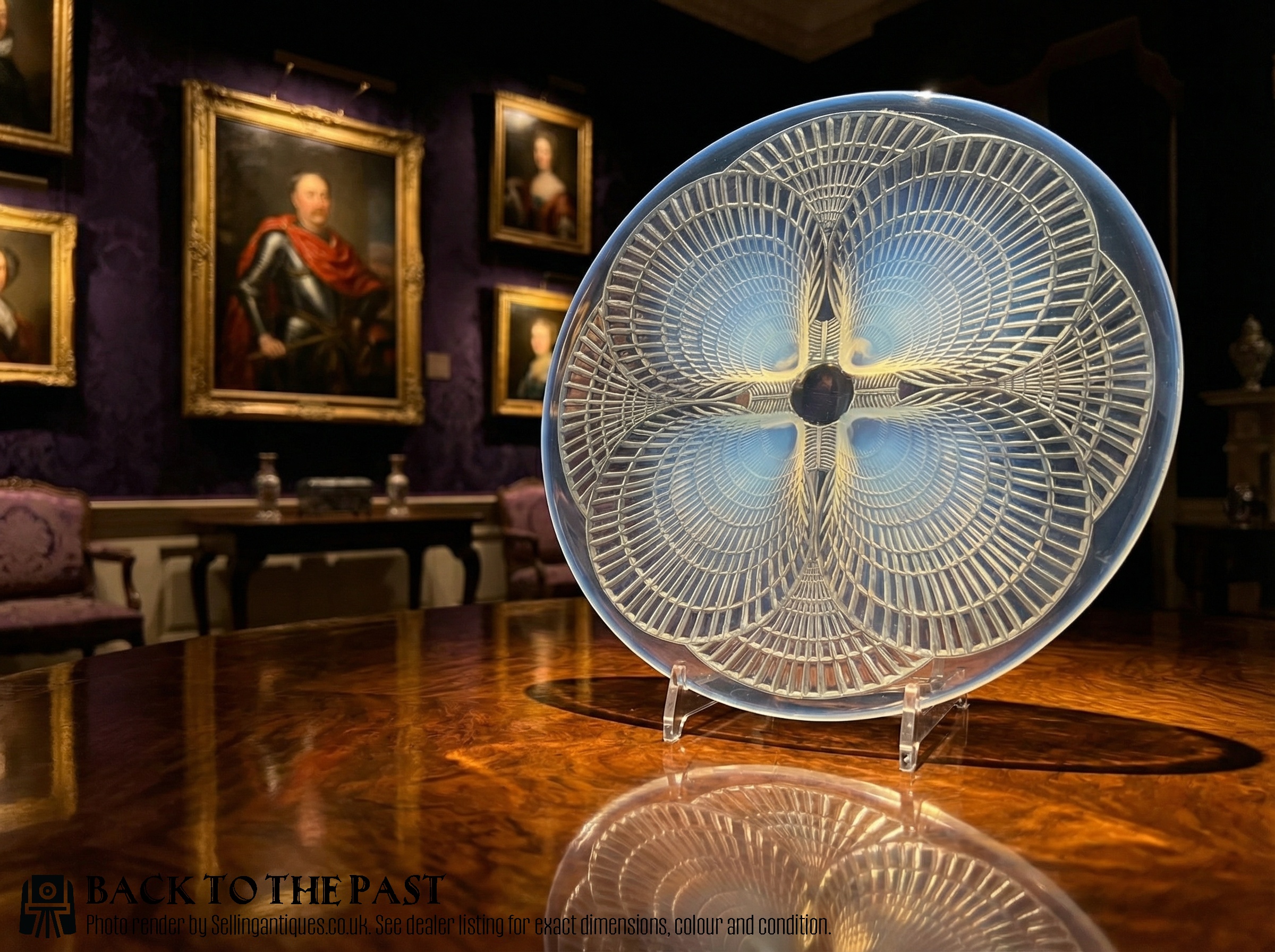
When you search for 1920s lalique glass, you encounter decorative objects designed during an era of bold artistic experimentation. These items include vases, glass bowls, decorative bowls, and decorative plates created by René Lalique.
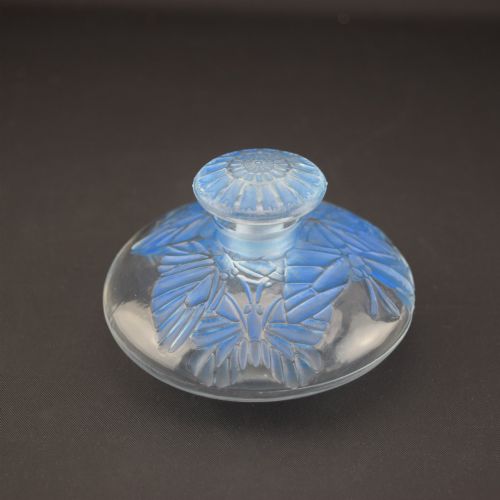
The objects frequently feature nature-inspired motifs such as rams, fish, birds, and floral patterns integrated into Art Deco designs. Many pieces utilise opalescent glass that catches and shifts light depending on the angle of view.

How they were made
Makers utilised techniques such as moulding and pressing to shape the material into complex sculptural forms. These methods allowed workshops to produce intricate reliefs of animals and plants directly onto the body of the glass.
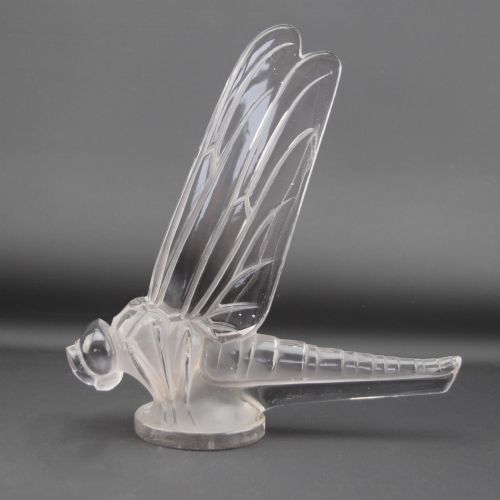
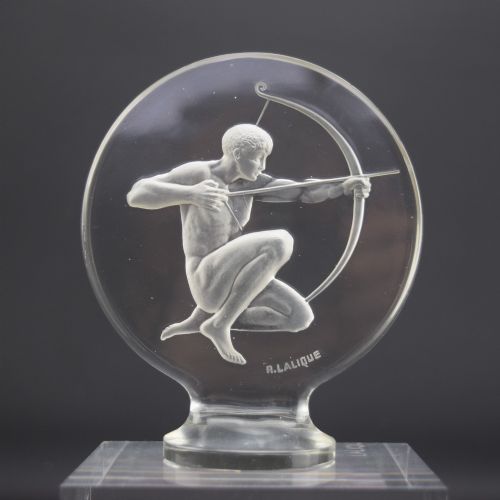
Surfaces were often treated with frosting and opalescence to create contrast between translucent highlights and milky depths. Clear glass elements were also deployed alongside frosted sections to define details and accentuate contours.
Retail Price Guide 2026
Typical UK retail prices for 1920s lalique glass, calculated from the Sellingantiques database of over a million retail prices indexed since 2003. This retail price guide relies exclusively on Sellingantiques data; no external sources or auction records are used, so the figures do not describe the wider market.
Some Art Deco motorists drove around with glass rams and peacocks bolted to their car bonnets.
What varies in quality
The strength of the opalescent effect and the crispness of the moulded relief define the visual hierarchy among pieces. Softer, less distinct contours in the motifs indicate a lower standard of execution compared to sharply rendered designs.
Depth of colour play within the glass and the successful contrast between frosted and clear sections dictate the overall aesthetic success of each item.
Rene Lalique
The 1920s Lalique Glass Glossary
- Opalescent glass
- Glass that displays milky, pearlescent highlights that shift in colour when light passes through the material. This effect is a defining visual characteristic of many pieces from this period.
- Moulded glass
- Glass shaped by being pressed into a form or mould to create raised patterns and three-dimensional decoration. It allows for consistent production of complex sculptural reliefs.
- Frosted glass
- Glass treated to have a textured, matte surface that diffuses light. It is frequently contrasted with clear sections to highlight specific design motifs.
- Car mascot
- An ornament mounted on the bonnet of a motor vehicle. René Lalique produced several iconic glass designs for this specific automotive purpose during the period.
Frequently Asked Questions
What periods do these pieces date from?
The items originate from the 1920s and 1930s, aligning with the height of the Art Deco movement.
This era marked a period of significant creative output for René Lalique's glassworks.
How were these glass objects used?
Many items served decorative functions in domestic interiors as vases, bowls, and plates for display. Others had specific practical applications, such as ornaments mounted on motor cars.
Their primary purpose was to showcase advanced glassmaking techniques and modern artistic style.
What materials are typical of this work?
The pieces are constructed from moulded, pressed, opalescent, frosted, and clear glass.
Combinations of these treatments create the distinctive visual depth seen across the objects.
What motifs appear on these designs?
Decoration draws heavily from the natural world, featuring animals and plants rendered in sculptural relief. Common subjects include rams, birds, fish, and botanical forms integrated into geometric structures.
These motifs reflect the aesthetic priorities of the Art Deco period.