




Moulded Glass Vase
A moulded glass vase brings tactile depth and rich light play to any room, offering classic form and enduring material character.

What these moulded glass vase examples are
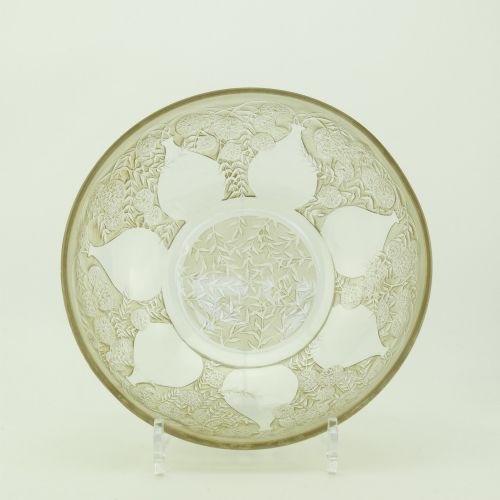
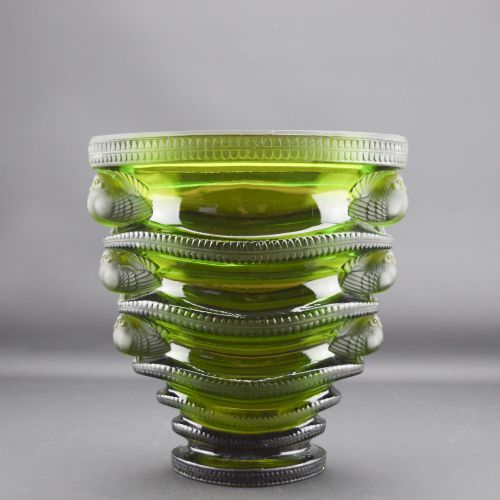
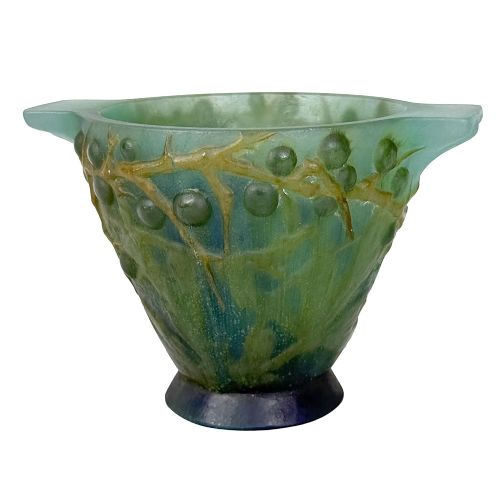
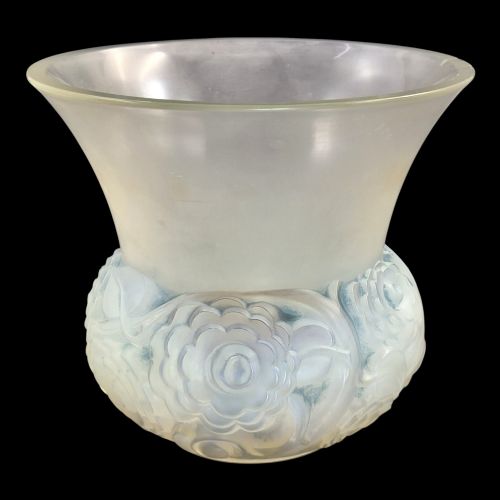
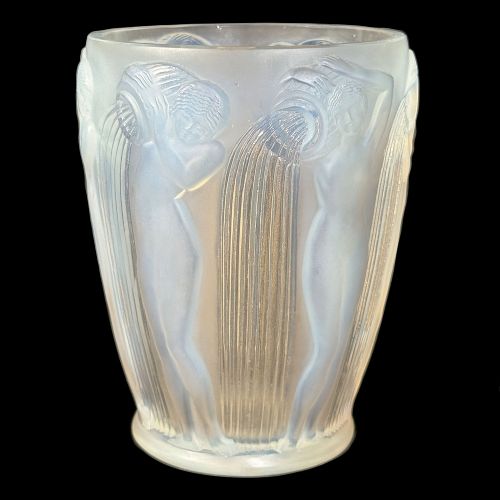
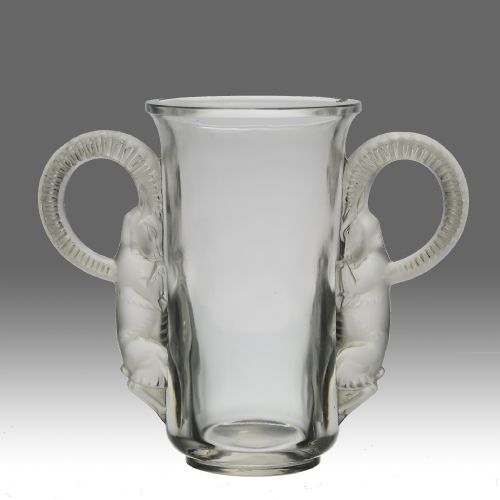
When searching for a moulded glass vase, you encounter pieces originating from the nineteen-twenties and nineteen-thirties. These examples demonstrate the distinct Art Deco style that defined the period.
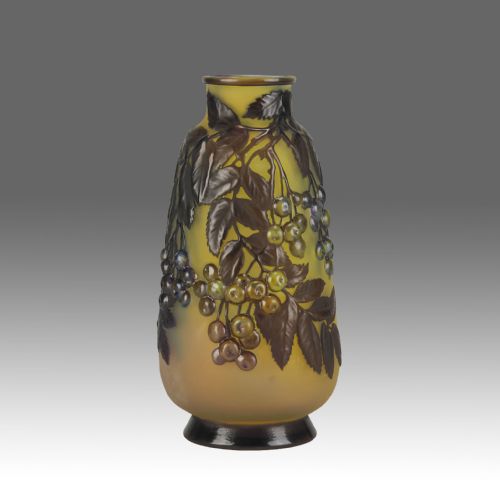
The objects take the form of vases, utilising glass as the primary medium to create decorative vessels. The selection currently centres on creations bearing specific natural motifs and sculptural designs.
How they were made
Makers utilised glass as the core material, shaping it through specialised moulding techniques. The process allowed for consistent production of three-dimensional decorative relief on the vessel body.
Makers applied surface treatments including frosting and opalescence to alter how light interacts with the glass. Olive green and clear colourations appear across the recorded pieces.
Retail Price Guide 2026
Typical UK retail prices for moulded glass vase, calculated from the Sellingantiques database of over a million retail prices indexed since 2003. This retail price guide relies exclusively on Sellingantiques data; no external sources or auction records are used, so the figures do not describe the wider market.
Vases named after violets, seeds, and shells bring miniature botanical and marine worlds straight into the parlour.
What varies in quality
The definition and crispness of the moulded relief separate the finer examples from simpler production. Superior pieces display sharp botanical detailing and precise execution of the intended design.
The handling of opalescence and frosting determines the visual depth of the material. Skilled execution ensures the play of light enhances the sculptural form rather than flattening it.
René Lalique·Rene Lalique
The Moulded Glass Vase Glossary
- Moulded glass
- Glass shaped by being pressed into a metal or wooden mould while hot. This technique permits consistent repetition of complex decorative patterns.
- Opalescent glass
- Glass containing ingredients that cause it to display milky blue highlights in transmitted light and warm amber tones in reflected light. It creates a shifting colour effect across the surface.
- Frosted glass
- Glass treated to produce a textured, translucent surface finish. This technique diffuses light and softens the visual impact of the vessel.
- Art Deco
- A design style characterised by sleek geometric shapes, stylised natural motifs, and streamlined forms. It dominated decorative arts during the nineteen-twenties and nineteen-thirties.
Frequently Asked Questions
What is a moulded glass vase?
A moulded glass vase is a decorative vessel shaped in a mould to create raised patterns and sculptural surface relief.
These pieces utilise glass manipulation techniques to achieve distinct textures and visual depth.
Which periods do these vases date from?
The available pieces date from the nineteen-twenties and nineteen-thirties.
This timeframe aligns with the height of the Art Deco design movement.
What materials are used?
These vases are made from glass, frequently incorporating opalescent or frosted treatments.
Specific examples feature olive green colouration and distinct surface finishes.
How do you display a moulded glass vase?
Display these vases in spaces with direct light to highlight the opalescent and frosted qualities.
Placing them near windows allows natural light to activate the surface textures and relief details.