

Antique Art Glass
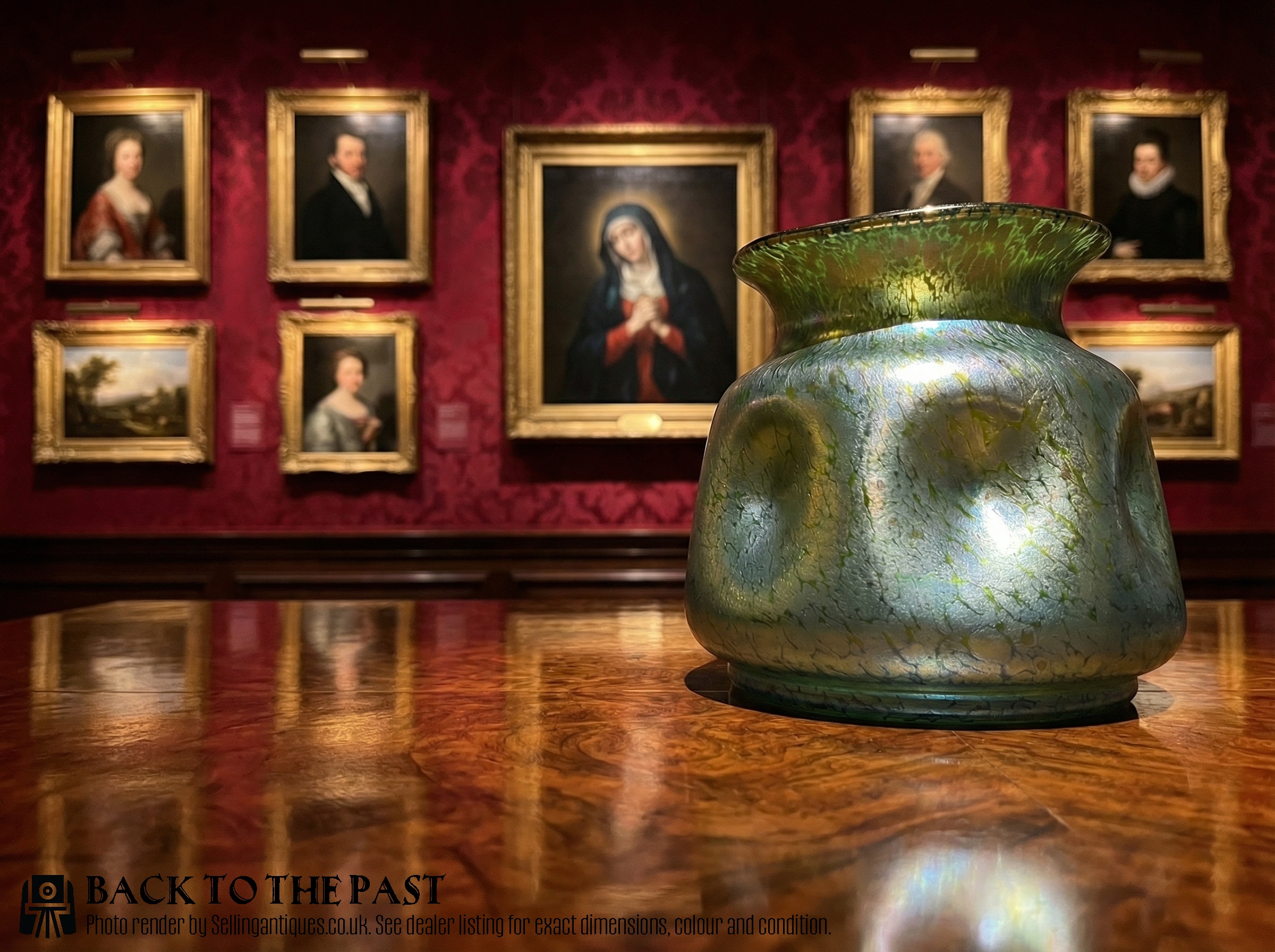
Antique art glass brings together vessels, lamps and decorative objects shaped by diverse creative movements across the nineteenth and twentieth centuries.
Antique Art Glass
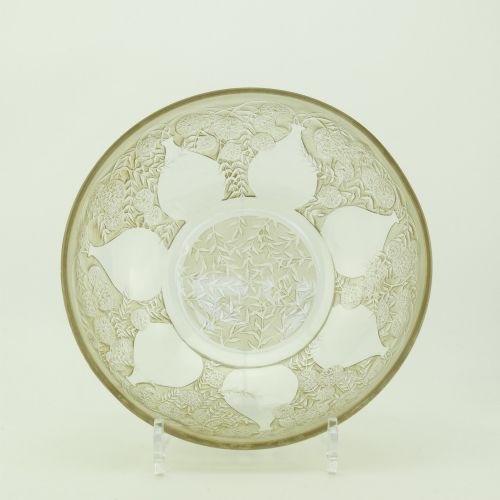
When searching for antique art glass, buyers encounter works created during periods spanning the late nineteenth century through the interwar years of the twentieth century. The selections available on this page encompass functional vessels, decorative bowls, lighting fixtures and table centrepieces.
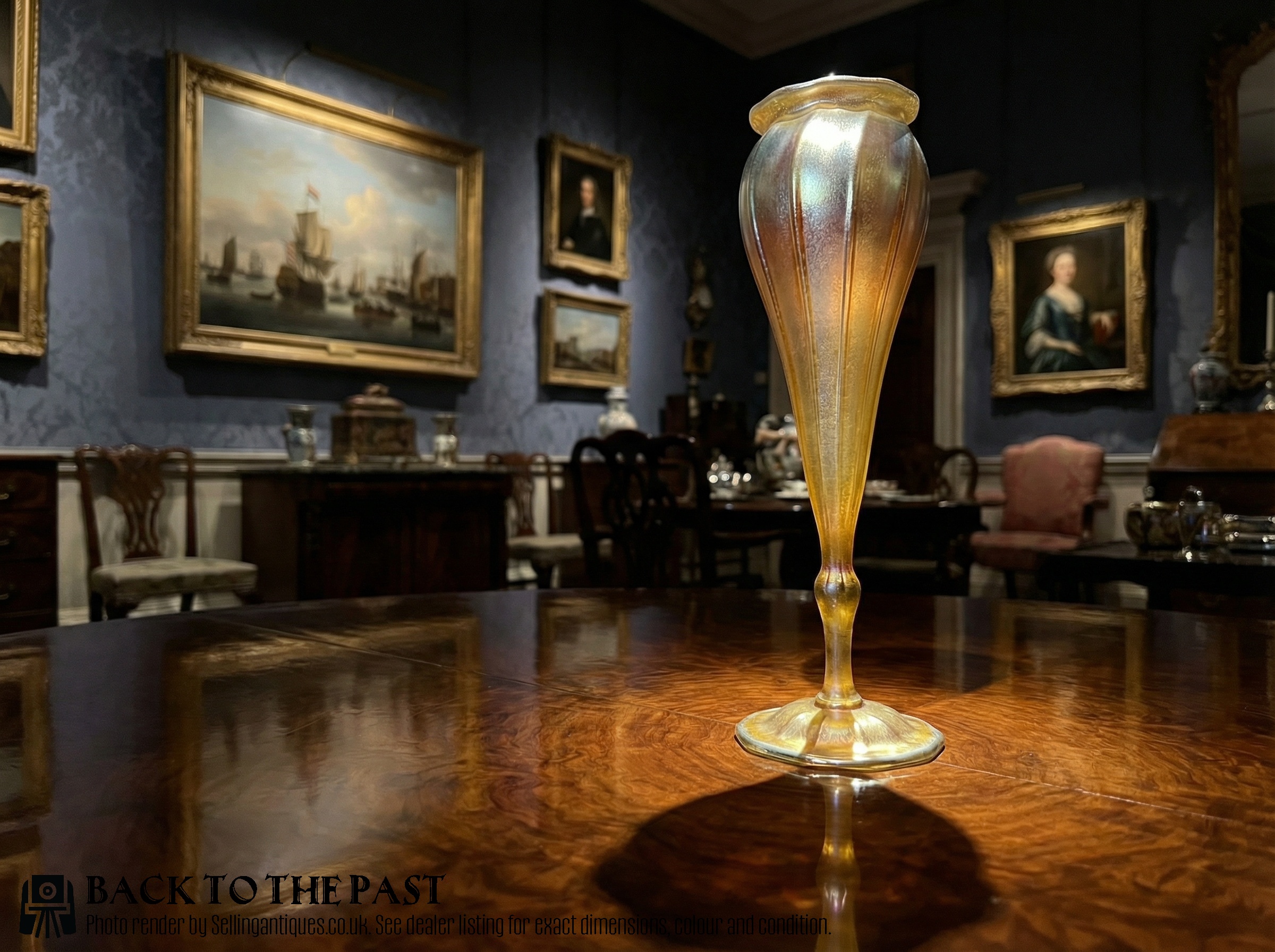
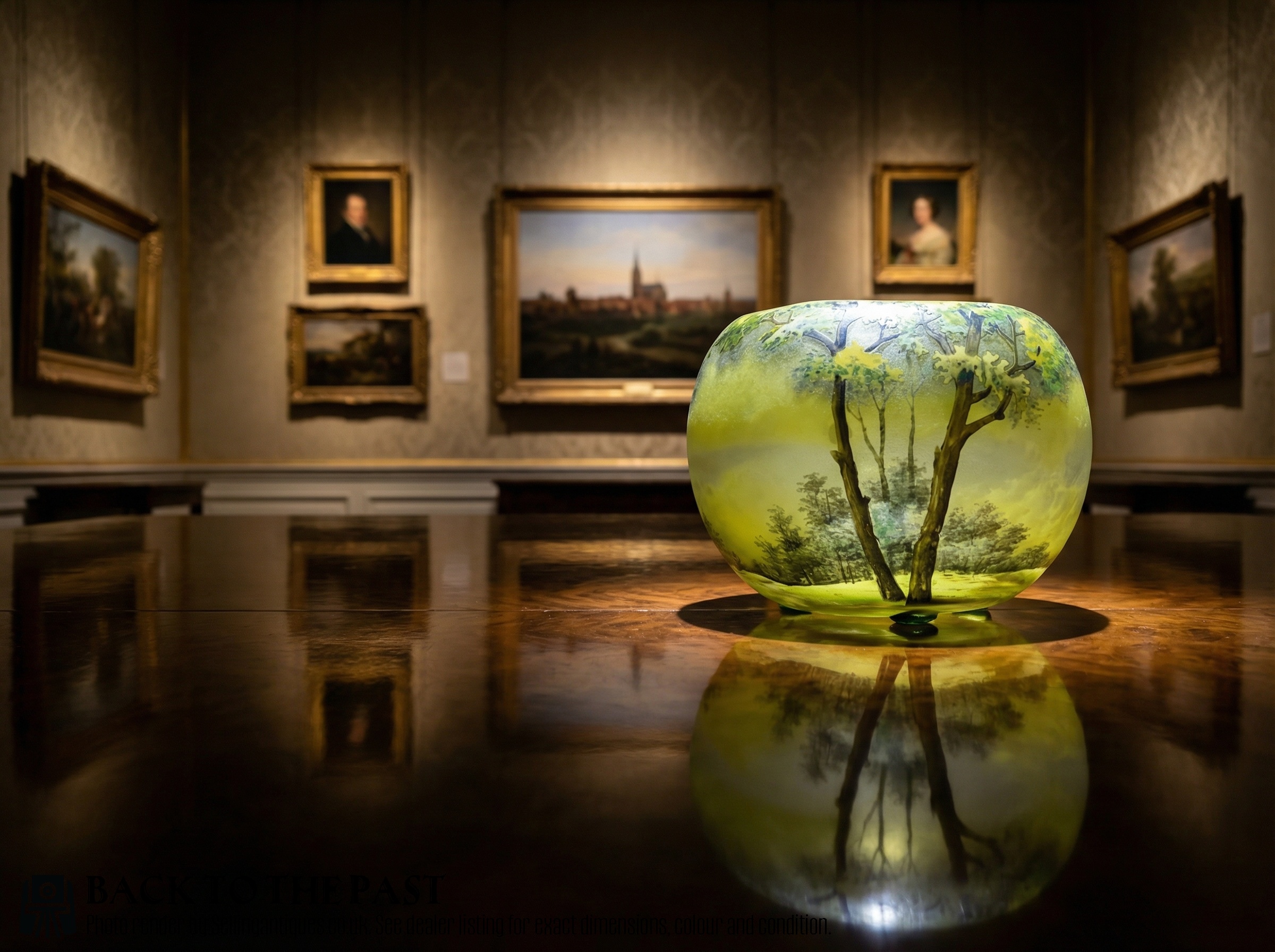
The aesthetic of these items aligns with distinct design movements such as Art Nouveau, Art Arts & Crafts and Art Deco. Pieces frequently integrate coloured, frosted, cameo or cut glass forms into domestic settings.
Materials and construction
Makers utilised molten glass alongside supportive structural elements of brass, bronze, silver and occasionally wood or oak. Techniques involved moulding, acid-etching, cameo layering, and cutting to achieve varied textures and light refractions.
Mounts and frames were fabricated from metals such as brass and silver to hold lamps, bowls and vases securely.
Antique Art Glass Retail Price Guide 2026
Typical asking prices for art glass among the pieces listed under this phrase on Sellingantiques today, from the lower quarter to the upper quarter. They describe what is for sale here now, not the wider market.
Listings feature glass combined with brass, oak, silver and bronze across Victorian, Edwardian, Art Nouveau and Art Deco periods.
Evaluating craftsmanship
The standard of antique art glass depends on the precision of the glassmaking technique, the depth and clarity of coloured layers, and the complexity of acid-etching or cameo carving. Superior examples display controlled colour gradients and sharp relief work.
The integration of the glass with its metal mounts, whether brass, bronze or silver, indicates the overall standard of the finished object. Finer pieces maintain balanced proportions between the glass body and any metal or wooden fittings.
Argy Rousseau·Rene Lalique·Emile Galle·Fratelli Toso
The Antique Art Glass Glossary
- Art glass
- Glassware produced as a decorative art object rather than for purely utilitarian purposes. These pieces utilise experimental chemical formulations and specialised shaping methods.
- Cameo glass
- A vessel formed of two or more distinct layers of coloured glass fused together. Portions of the outer layer are carved away to reveal a contrasting background.
- Pate de verre
- A glass casting method where finely crushed glass is mixed with a binder and fired in a kiln. This technique produces objects with a characteristic granular texture and dense colour.
- Vaseline glass
- Glassware containing uranium dioxide that exhibits a yellowish-green hue and glows under ultraviolet light. It was widely utilised during the Victorian and Art Nouveau periods.
- Millefiori
- A glasswork technique involving multi-coloured glass rods heated and pulled into canes, then sliced to reveal intricate floral patterns. These sections are embedded within clear or coloured glass vessels.
Antique Art Glass: Frequently Asked Questions
What is antique art glass?
Antique art glass comprises decorative vessels, lighting and tableware produced by skilled makers and glasshouses during the late nineteenth and early twentieth centuries.
These items reflect the shift from industrial mass production to handcrafted design championed by movements like Art Nouveau and Art Deco.
How do I clean antique glass?
Cleaning requires lukewarm water and a mild detergent, applied gently with a soft cloth to avoid scratching fragile surfaces or damaging metal mounts.
Harsh chemical cleaners and immersion in water should be avoided, particularly for pieces with silver fittings, painted details or delicate patination.
Where were these pieces made?
Production centres were established across Europe, with significant contributions from French ateliers, British workshops and Italian glassmakers on the island of Murano.
Each region developed distinct technical specialities, such as French cameo carving or Venetian millefiori work.