




Blue Glass Vase
A blue glass vase brings rich colour and striking silhouette to any room, offering versatile display for seasonal stems or standing alone as a decorative statement.
What a blue glass vase is
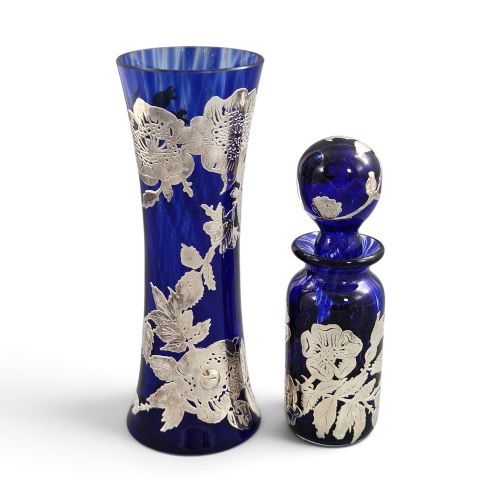
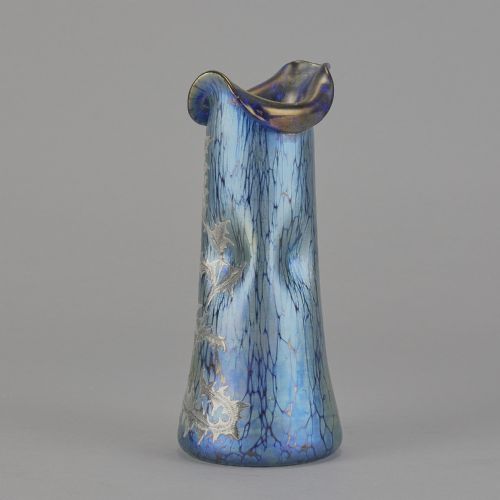
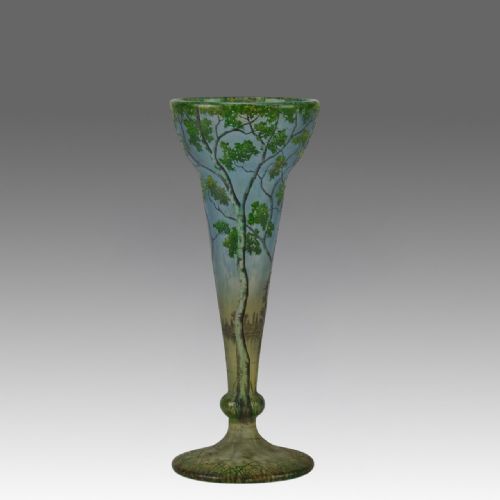
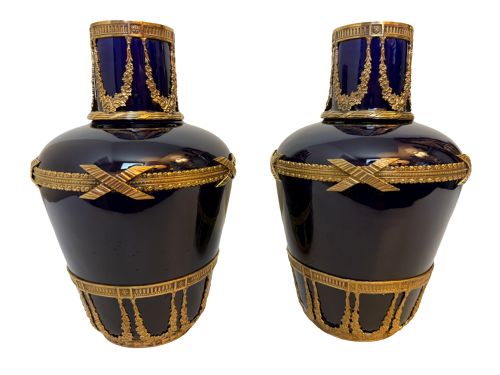
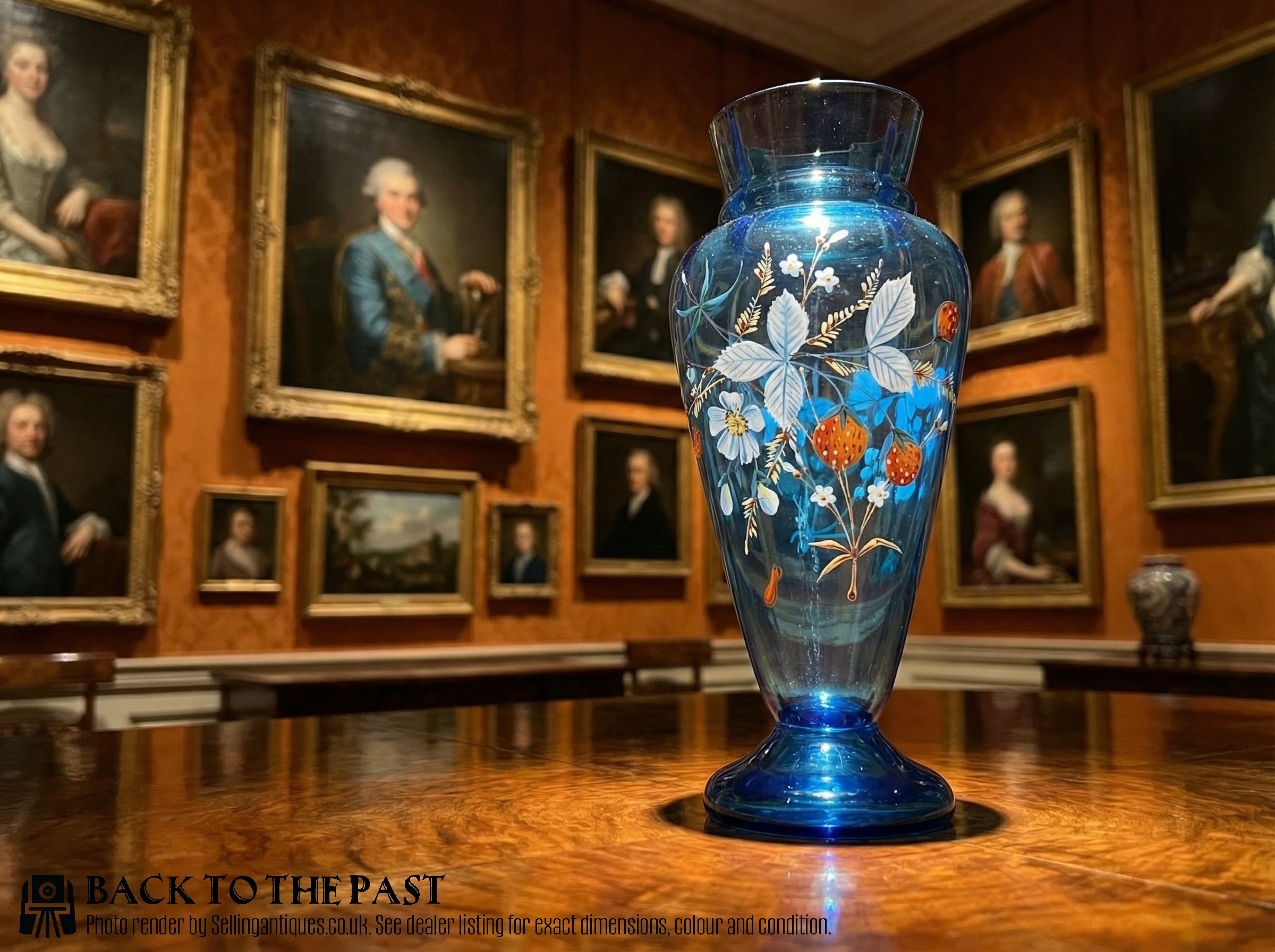
A blue glass vase spans multiple decorative eras, appearing in forms from nineteenth century Victorian mantle pieces to angular twentieth century Art Deco shapes. You will find pieces ranging from deep cobalt and Bristol blue tones to lighter opaline, pale blue, and sapphire shades.
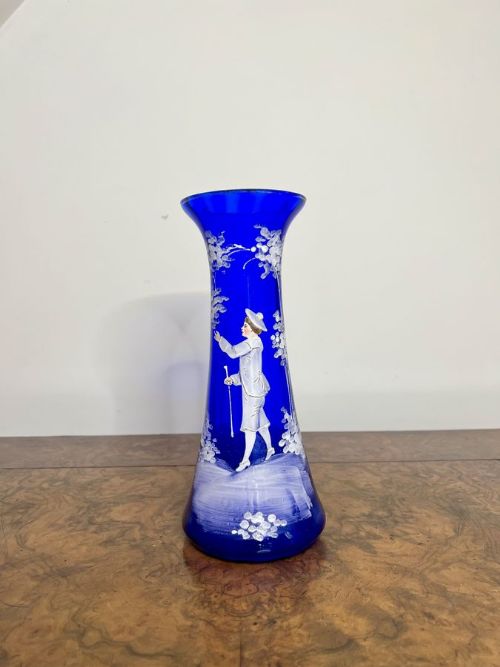
The selection includes traditional Mary Gregory examples painted with white enamel figures, heavy cut glass table pieces, and Chinese Peking glass bottle vases. Victorian pairs sit alongside slender Edwardian posy vessels with silver mounts and robust twentieth century designs.
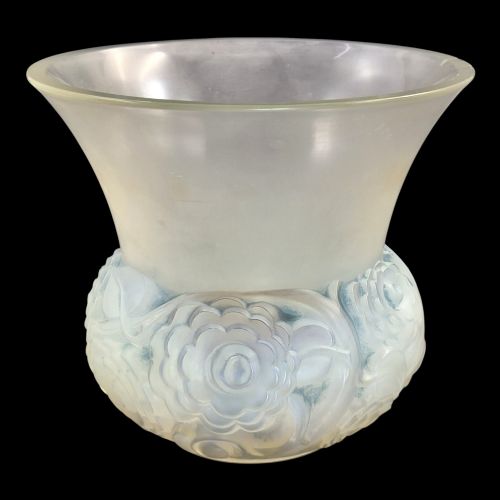
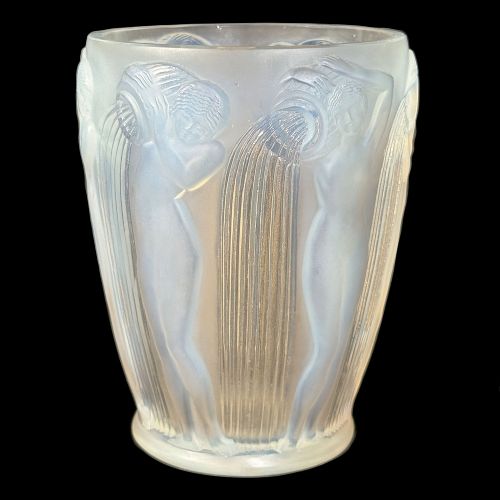
Many items show regional characteristics, such as Bohemian gilding, Stourbridge baluster forms, and French moulded glass by René Lalique. These vessels were made for display on tables, windowsills, and decorative brackets, often holding single stems or small floral arrangements.
How they were made
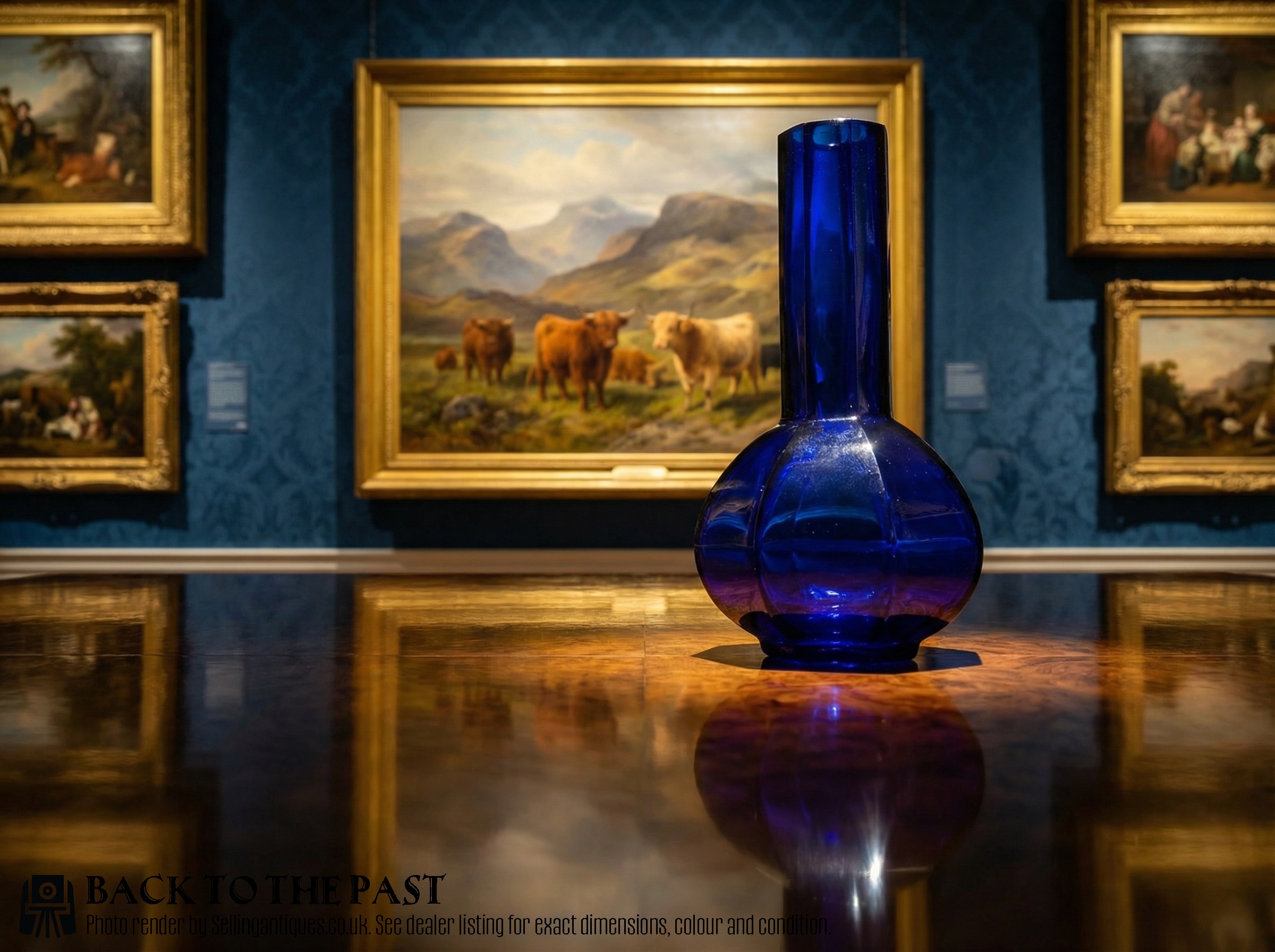
Makers produced these vessels using various glass-working methods including free-blowing, mould-blowing, and pressing into metal or wooden forms to create faceted and panelled surfaces. Cobalt oxides and other minerals provided the distinct blue colouration throughout the molten metal.
Decoration often involved hand-applied enamel paint, surface gilding, or acid-etching to create contrasting white figures and floral motifs. Some pieces combined the blue glass body with metal components, utilising silver mounts, copper frames, and gilt bronze appliques.
Retail Price Guide 2026
Typical UK retail prices for blue glass vase, calculated from the Sellingantiques database of over a million retail prices indexed since 2003. This retail price guide relies exclusively on Sellingantiques data; no external sources or auction records are used, so the figures do not describe the wider market.
Several Victorian households kept dedicated hyacinth glasses on their windowsills, proving that nineteenth century indoor gardening involved serious interior design flair.
What varies in quality
Quality rests on the depth and evenness of the colour within the glass body, alongside the crispness of any cut facets or moulded relief work. Superior examples show meticulous hand-painting and clean gilding that has survived without heavy rubbing.
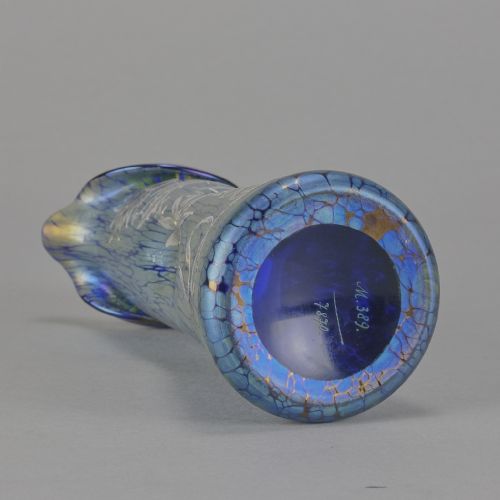
The weight of the glass, the finish of the polished pontil mark on the base, and the integration of any silver or metal mounts distinguish standard production items from finer studio and factory output.
René Lalique·Stolze·Karl Palda·Stuart and Son·Loetz
The Blue Glass Vase Glossary
- Bristol Blue
- A deep, vibrant cobalt blue glass traditionally associated with the Bristol region and popular throughout the Victorian period. It was frequently decorated with enamel paint or gilding.
- Mary Gregory
- A style of glass decoration featuring white enamel silhouettes of children playing amidst foliage, most commonly found on Victorian dark blue glass.
- Opaline Glass
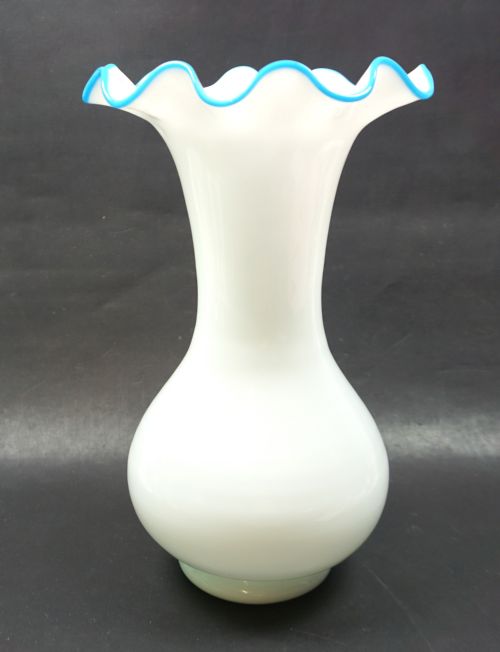
- An opaque or semi-translucent glass developed in pastel shades including pale blue, often used for decorative nineteenth century vases.
- Cut Glass
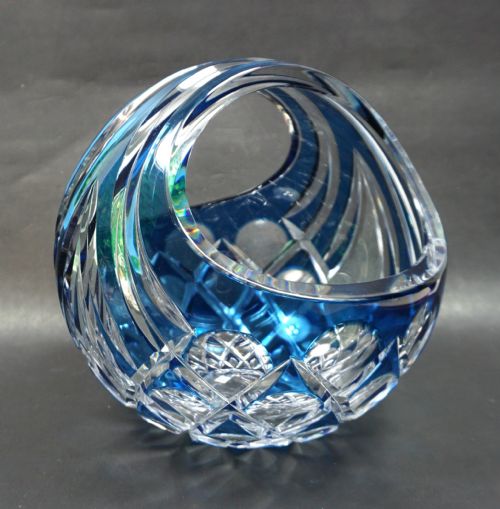
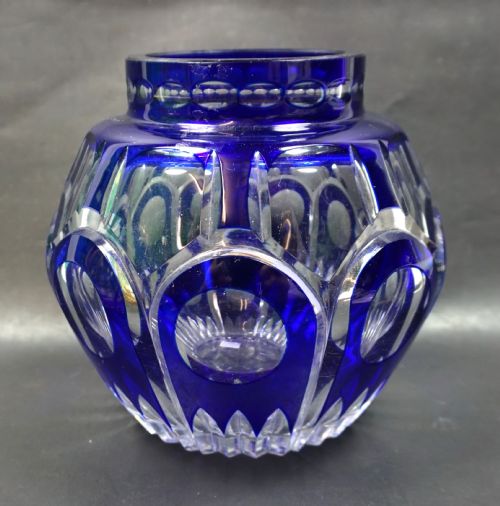
- Glassware shaped and patterned by grinding and polishing wheel cuts into the surface, creating sharp facets that catch the light.
- Pontil Mark
- The rough scar left on the base of a hand-blown glass vessel where the punty rod was snapped away after shaping.
Frequently Asked Questions
Can I use these vases for fresh flowers?
Most antique glass vessels can hold water safely for fresh stems, provided the interior is checked for hairline cracks before filling. Narrow posy vases and hyacinth glasses are specifically designed for single bulbs or short stems.
Empty and dry the interior after use to prevent mineral deposits from clouding the vintage glass. Avoid sudden temperature changes when adding water to prevent thermal shock.
How do I distinguish Victorian from Art Deco blue glass?
Victorian pieces tend to feature rounded, bulbous shapes, heavy gilding, and hand-painted enamel scenes such as Mary Gregory children or floral sprays. They often have polished pontil marks on the base.
Art Deco vessels favour geometric lines, angular forms, and clean, unadorned surfaces or stylised acid-etched motifs. They reflect the industrial design trends of the interwar period.
What caused the different shades of blue?
Glassmakers achieved different blue hues by adjusting the chemical composition of the batch, most notably using cobalt oxide for deep blue tones. Other minerals and opacifying agents created pale blue, turquoise, sapphire, and opaque opal glass.
Variations in furnace temperatures and raw materials resulted in the distinct colour depths seen across different periods and glasshouses.