



Cobalt Blue Glass Vase
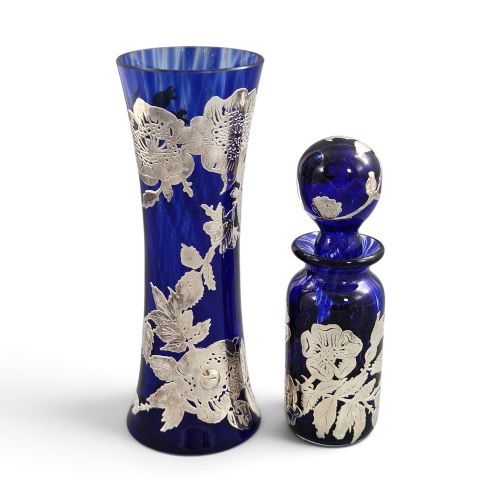
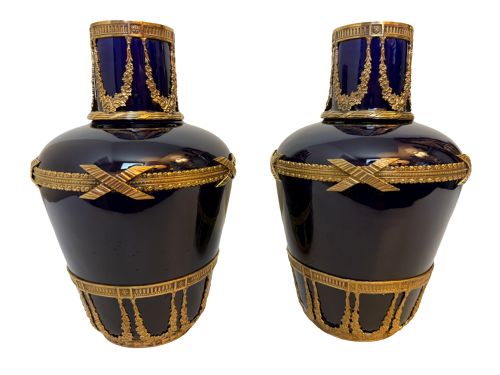
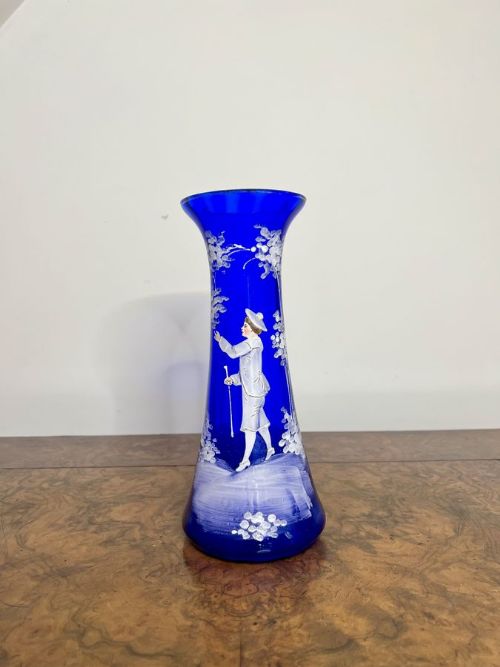
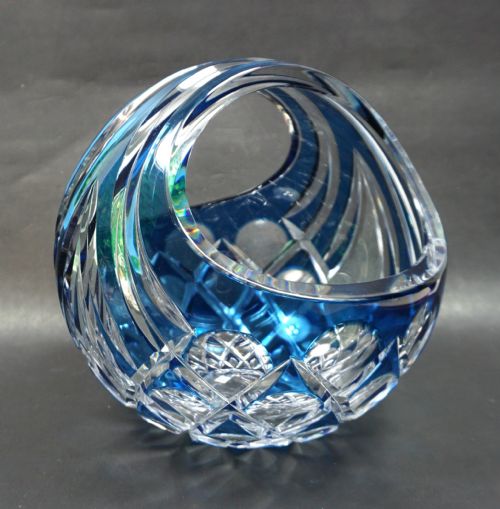
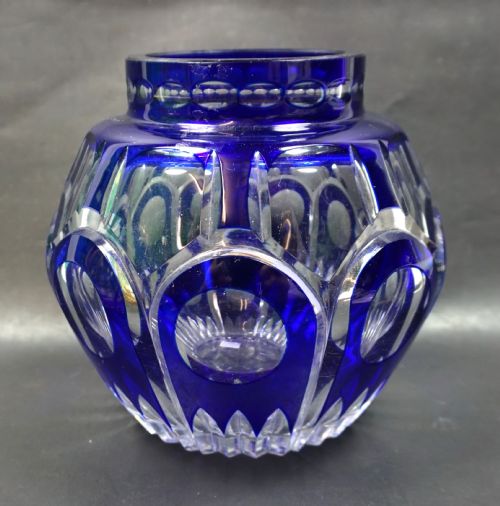
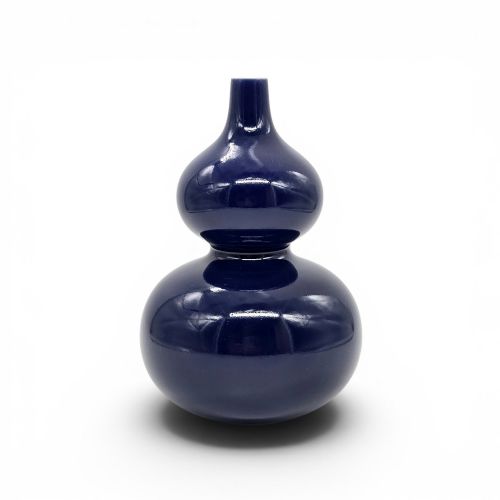
These cobalt blue glass vases combine rich colour with striking decorative overlays and period forms, bringing vibrant light into any room.
Identifying cobalt blue glass vase
A cobalt blue glass vase brings deep colour and striking form to a room, drawing the eye with rich tones ranging from sapphire to midnight blue. You will encounter various expressions of this type spanning the Victorian era through the twentieth century.
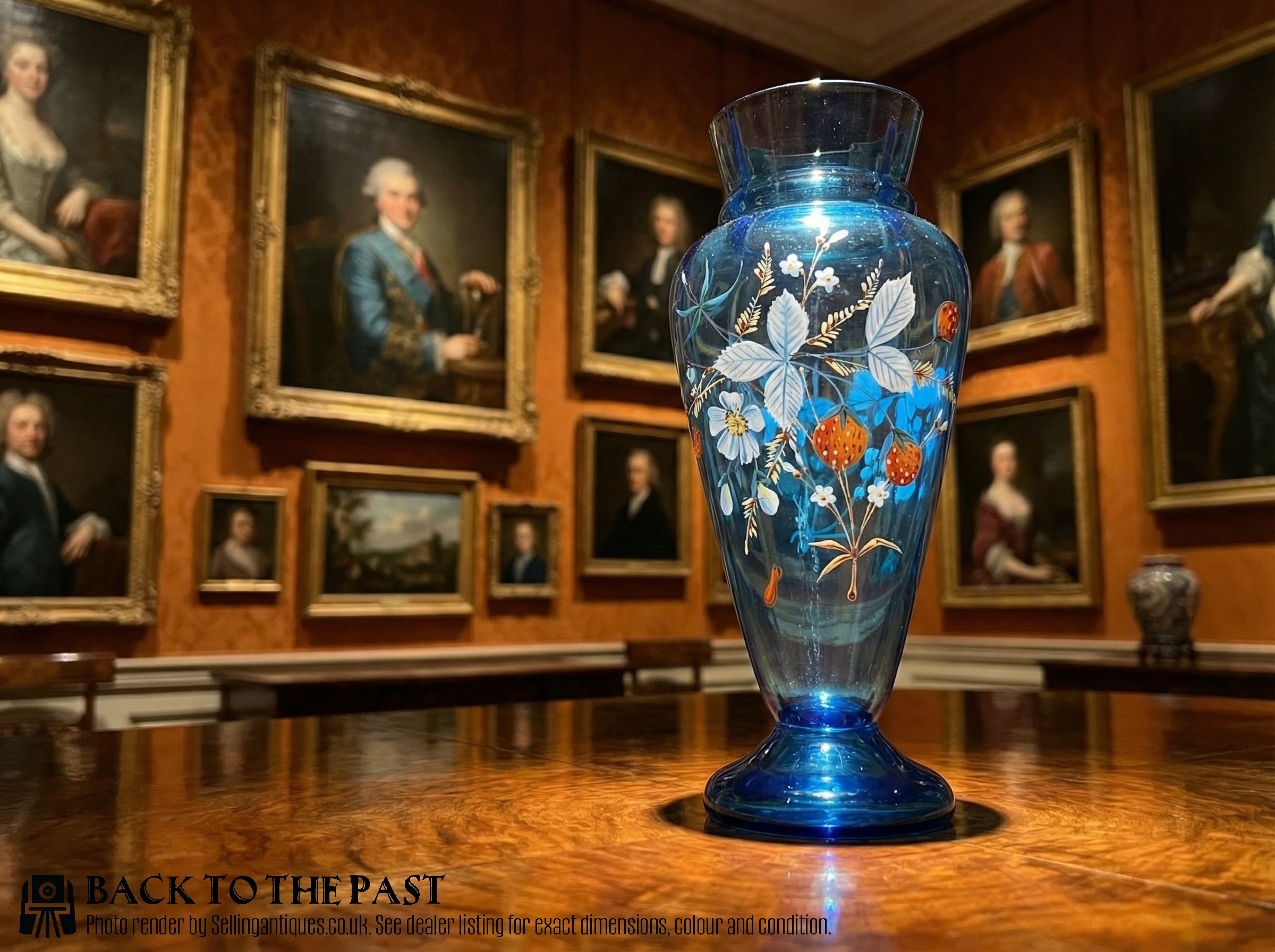
The selections on this page showcase distinct period styles including Victorian, Art Deco, Art Nouveau, and late twentieth century studio glass. Forms range from simple enamel painted vessels to elaborate pieces mounted in metalwork.
Materials and methods
Makers formed these vessels using vibrant cobalt glass, sometimes incorporating frosted glass, cut glass, or delicate enamel painting directly onto the surface. The deep blue hue is achieved through metallic oxides added during the molten stage.
Many examples incorporate decorative metalwork mounted securely around the body, utilising sterling silver, pewter, copper, or enamel. These overlays create a strong textural contrast against the smooth polished glass beneath.
Retail Price Guide 2026
Typical UK retail prices for cobalt blue glass vase, calculated from the Sellingantiques database of over a million retail prices indexed since 2003. This retail price guide relies exclusively on Sellingantiques data; no external sources or auction records are used, so the figures do not describe the wider market.
Materials recorded include cobalt glass, sterling silver, pewter, copper, and frosted glass.
Assessing quality
Superior examples display precise glass cutting and crisp, well-defined metalwork overlays that fit the contours of the vessel perfectly. Lesser pieces often show uneven thickness in the glass or simpler surface decoration with less attention to detail.
The integration between the glass body and any metal mounts reveals the level of craftsmanship involved in the creation. Finer pieces demonstrate seamless execution where every material enhances the overall composition.
Laugharne Glass·René Lalique
The Cobalt Blue Glass Vase Glossary
- Cobalt glass
- Glass coloured deep blue by the addition of cobalt oxide to the batch. This intense pigment remains stable under high temperatures.
- Sterling silver overlay
- Decorative metalwork bonded onto the exterior of a glass vessel. It creates intricate patterns that wrap around the body.
- Enamel painted
- Decoration applied using vitrified glass pastes fixed with heat. This technique adds colourful surface details and pictorial elements.
- Frosted glass
- Glass treated to create a textured, translucent surface rather than a clear finish. It diffuses light softly across the object.
Frequently Asked Questions
How do I clean a cobalt blue glass vase?
Wash the vessel gently in warm soapy water using a soft cloth to protect any delicate surface painted details. Avoid harsh abrasives that might scratch the glass or damage metal mounts.
Dry the piece thoroughly with a lint-free cloth to prevent water spots from dulling the rich colour of the cobalt material.
Can I display these vases in direct sunlight?
Placing the vessel where light passes through the glass highlights the deep saturation of the cobalt material. However, prolonged exposure to intense direct sunlight can sometimes affect sensitive enamel painted decorations over many years.
Rotate the position occasionally to ensure even exposure and to enjoy the way light catches different angles of the cut glass or metal overlay.
How do I date a piece with metal overlay?
Examine the style of the metalwork, as Art Nouveau and Art Deco designs feature distinct organic curves or geometric lines respectively. Hallmarks on silver mounts can also provide precise manufacturing dates.
Compare the mounting technique with known period examples to understand when the metal components were applied to the glass body.
Are these vessels suitable for holding fresh flowers?
Many of these vessels function well as traditional flower holders, provided you check the interior for any historical fragility or sensitive metal mounts. Using room temperature water protects older glass from thermal shock.
Dry the interior completely after use to prevent mineral deposits from clouding the transparency of the deep blue glass.