


Victorian Art Glass Vase
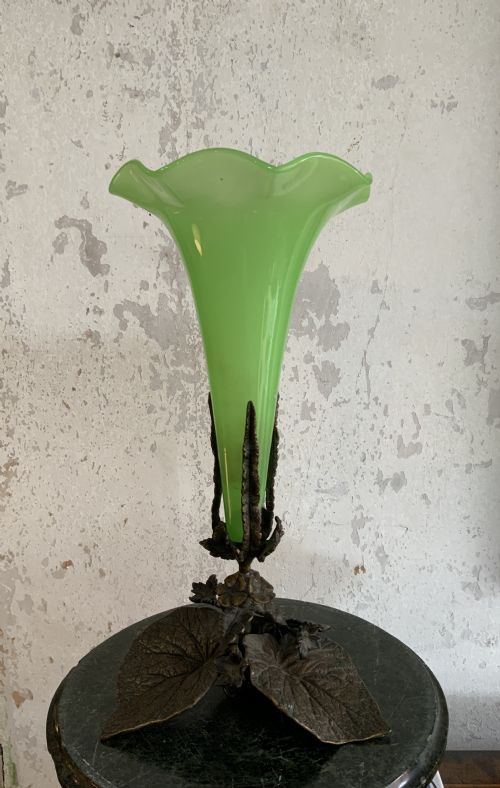
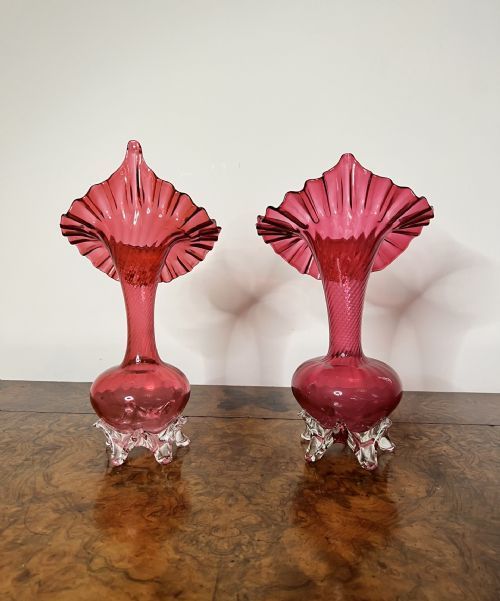
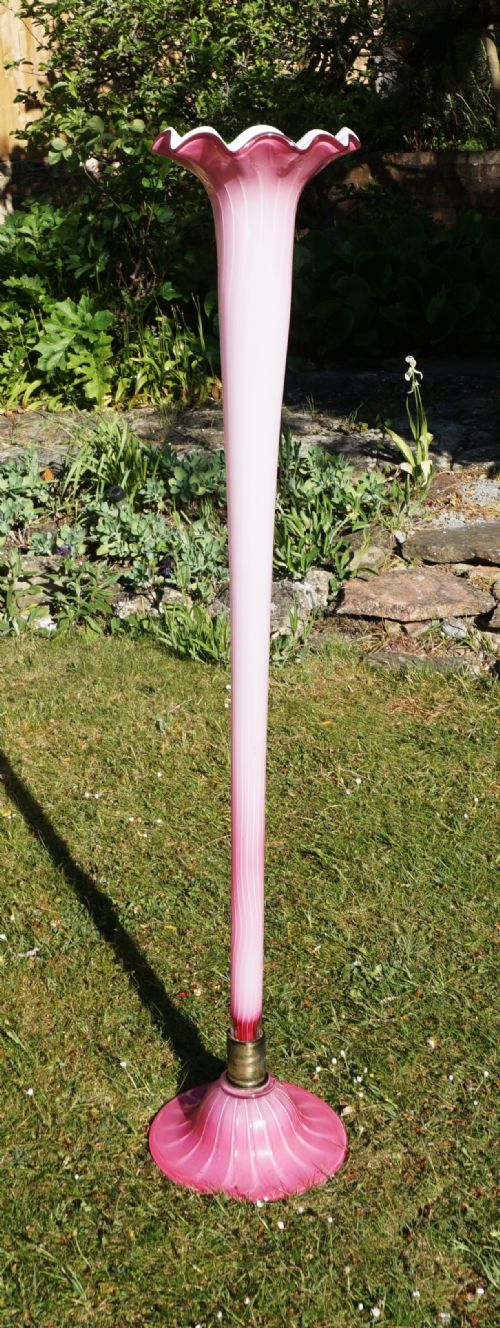
These Victorian art glass vases combine exceptional nineteenth-century craftsmanship with striking decorative forms that elevate any mantelpiece.
What Victorian art glass vases are
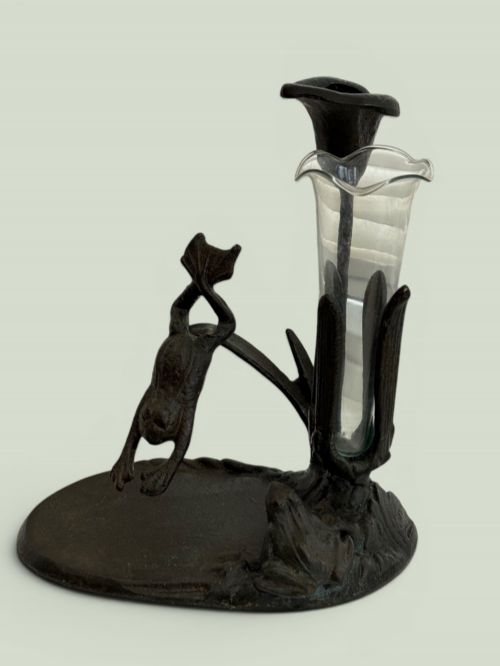
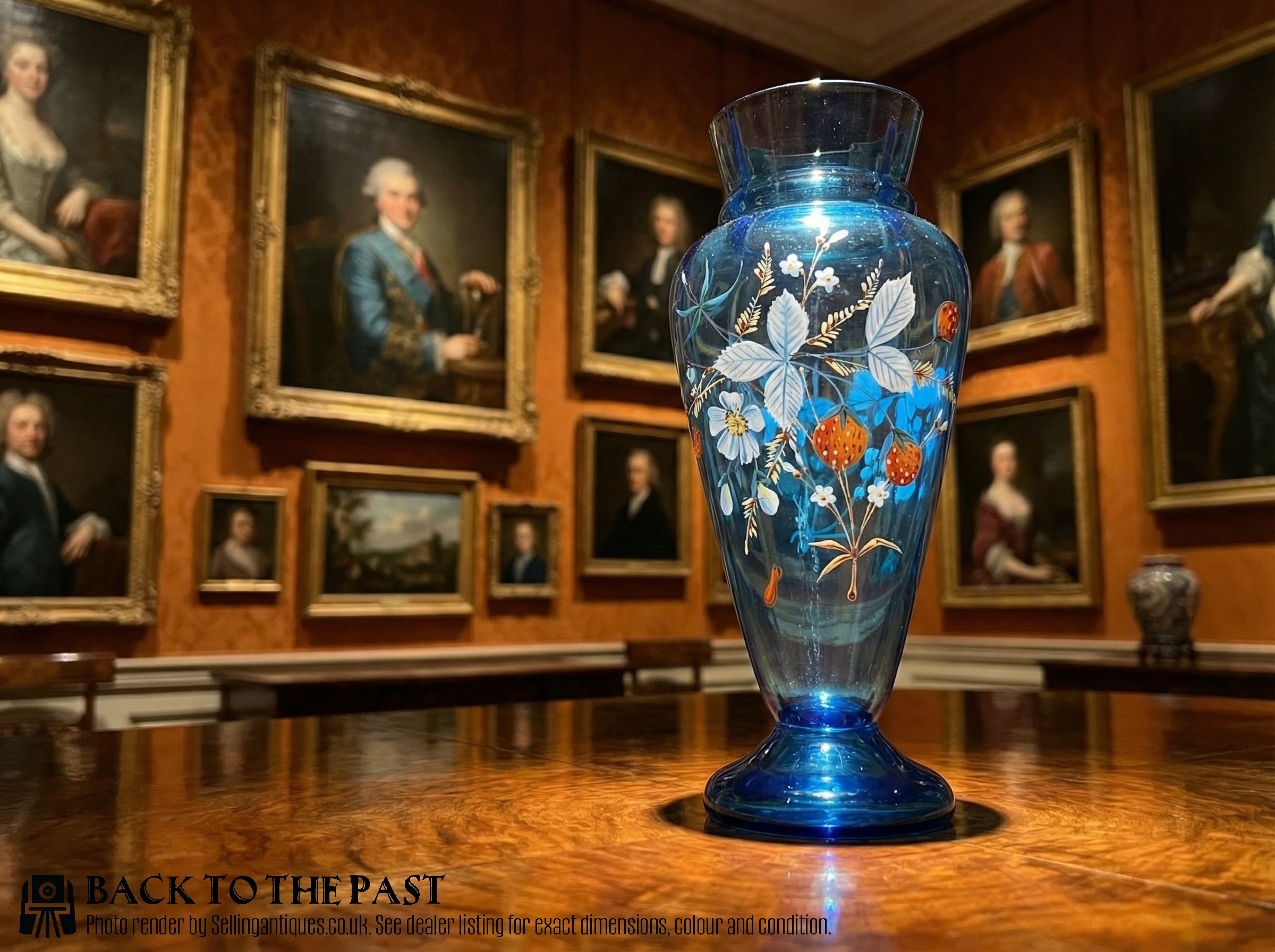
A Victorian art glass vase is a decorative vessel produced during the nineteenth century, encompassing pieces from eighteen-eighty to nineteen-hundred alongside general Victorian and Victorian Aesthetic Movement examples. These objects showcase the period's fascination with ornate interior ornamentation and inventive glass design.
Buyers browsing this selection will most frequently encounter English specimens, including identified works by Thomas Webb and Sons alongside unmarked studio pieces. The available forms range from traditional single vases to larger bowls and matched sets.
How they were made
Maker utilise specialised glass techniques such as cased glass and satin glass to create layered, textured surfaces that diffuse light distinctively. These methods require precise temperature control during blowing and shaping in the furnace.
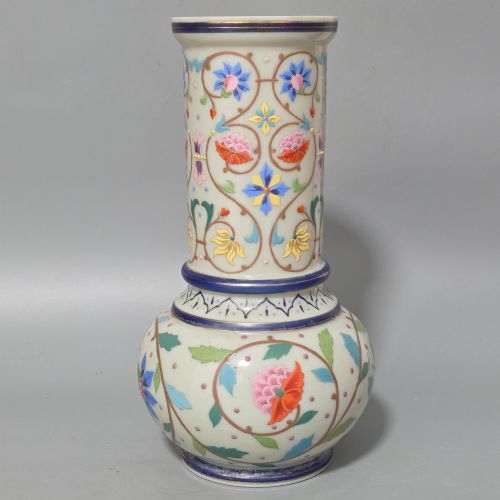
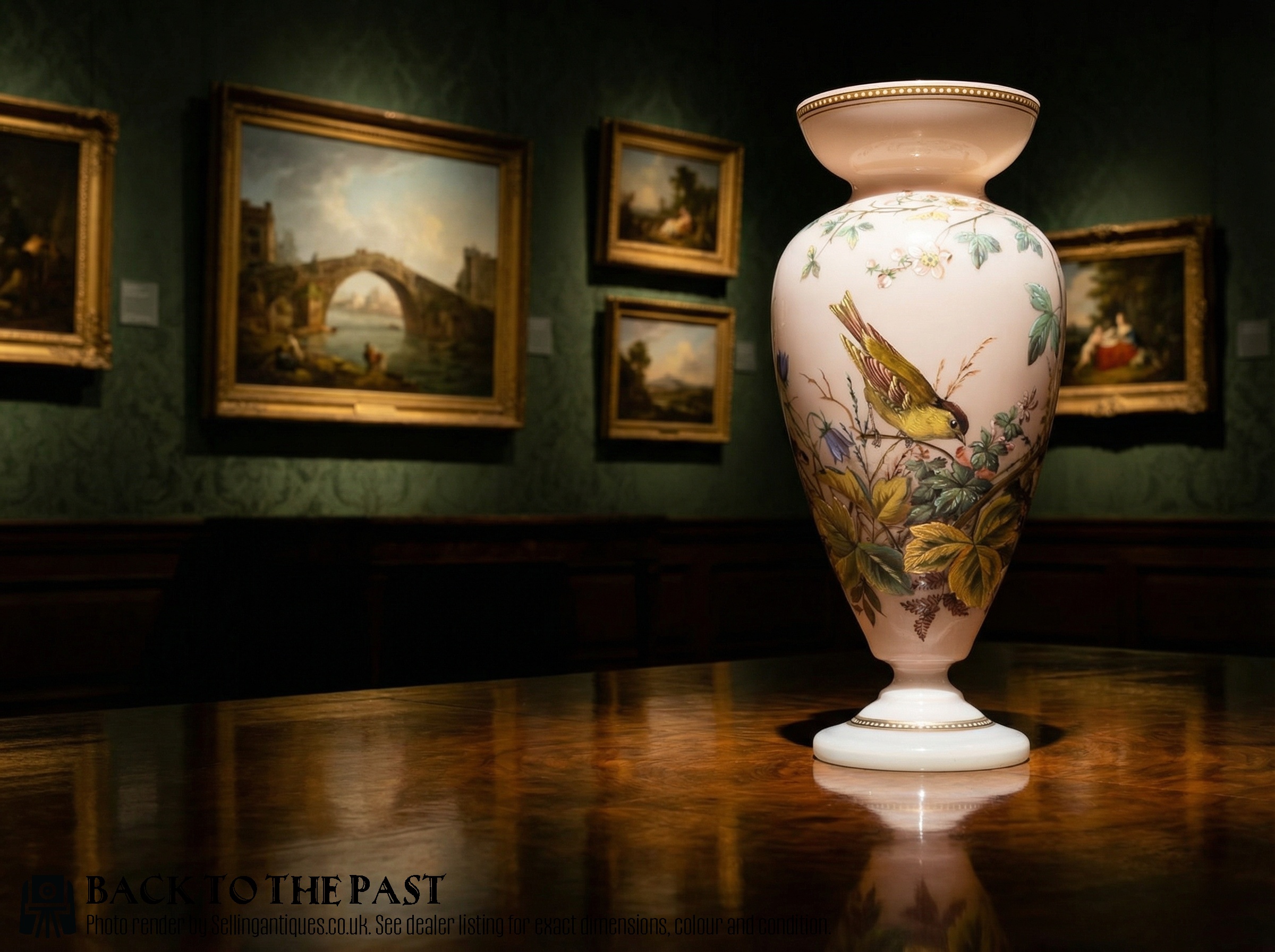
Decoration often involves hand-painted enamel, opal glass applications, and delicate gilding applied directly to the body. Artisans combine these painted elements with the underlying glass structure while the piece is still pliable or through subsequent firing.
Retail Price Guide 2026
Typical UK retail prices for victorian art glass vase, calculated from the Sellingantiques database of over a million retail prices indexed since 2003. This retail price guide relies exclusively on Sellingantiques data; no external sources or auction records are used, so the figures do not describe the wider market.
Victorian glassworkers occasionally used gold to colour their molten mixtures, resulting in vessels that quietly glow from within.
What varies in quality
Quality rests upon the complexity of the glass technique, distinguishing simple moulded vessels from labor-intensive cased and satin glass creations. The depth of colour and the sophistication of the layered glass structure set superior items apart.
The finesse of the hand-painted enamel and the precision of any gilding determine the upper tier of the range. Master decorators executed intricate floral and geometric motifs that remain crisp and vibrant.
Thos. Webb & Sons·Thomas Webb
The Victorian Art Glass Vase Glossary
- Cased glass
- A method where a layer of glass is encased within one or more layers of different colours. This technique allows skilled artisans to cut back the exterior layer to reveal contrasting hues beneath.
- Satin glass
- A type of art glass featuring a velvety, matte texture across the exterior surface. Makers achieved this finish through acid-etching or hydrofluoric acid vapour treatment.
- Enamelled glass
- Glass decorated with powdered glass mixed with an oily medium and painted onto the surface before firing. The process fuses the pigment permanently to the vessel wall.
- Burmese ware
- A specific type of shaded art glass that transitions from pale yellow to a delicate pink. Thomas Webb and Sons patented this famous formulation during the late nineteenth century.
Frequently Asked Questions
How do I identify a Thomas Webb piece?
Authentic pieces by this maker often bear specific factory marks, registration numbers, or distinct patterns like Queens Burmese Ware. The quality of the hand-painted enamel and the characteristic colour gradient provide further confirmation.
Studying the registered design numbers helps verify the production period and confirms the workshop origin.
How should I display these vases?
These decorative vessels require stable placement away from direct foot traffic due to their delicate glass bodies and hand-painted enamel details. Positioning them near natural light allows the cased glass layers and gilding to catch the illumination.
Ensure they rest on protective surfaces to safeguard both the furniture and the antique base.
How do I care for enamelled glass?
Maintenance involves gentle dusting with a soft, dry cloth to prevent particulate buildup on the hand-painted enamel and gilded sections. Avoid submerging the glass in water or using chemical cleaning agents that might degrade the delicate surface pigments.
Handle the vessels with clean hands to protect the porous matte finishes from natural oils.