




Antique Floral Glass Vase
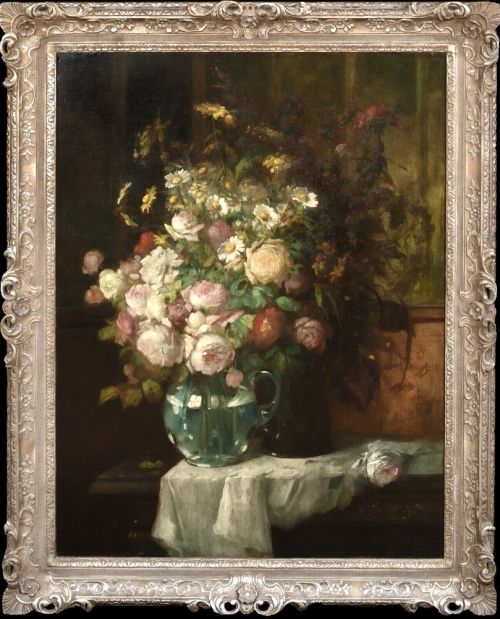
An antique floral glass vase brings the garden indoors through the lasting skill of Victorian, Art Nouveau and Art Deco makers.
Antique Floral Glass Vase
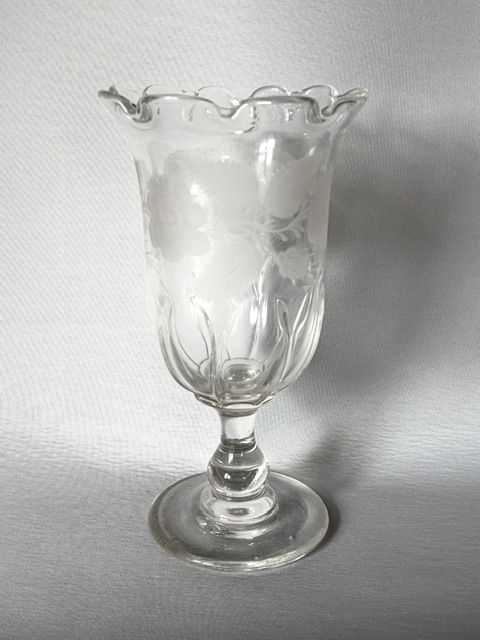
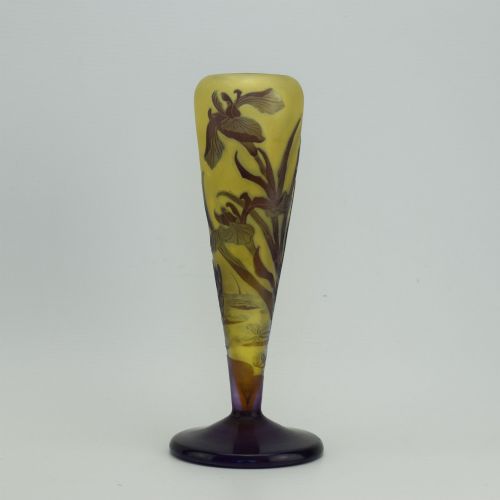
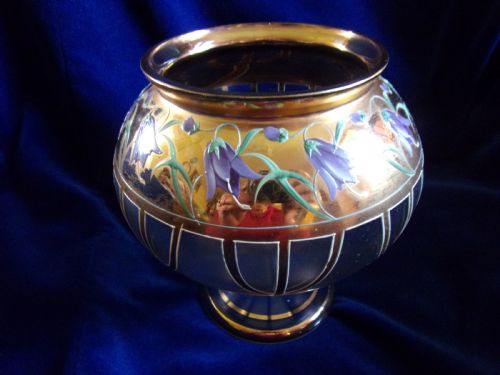
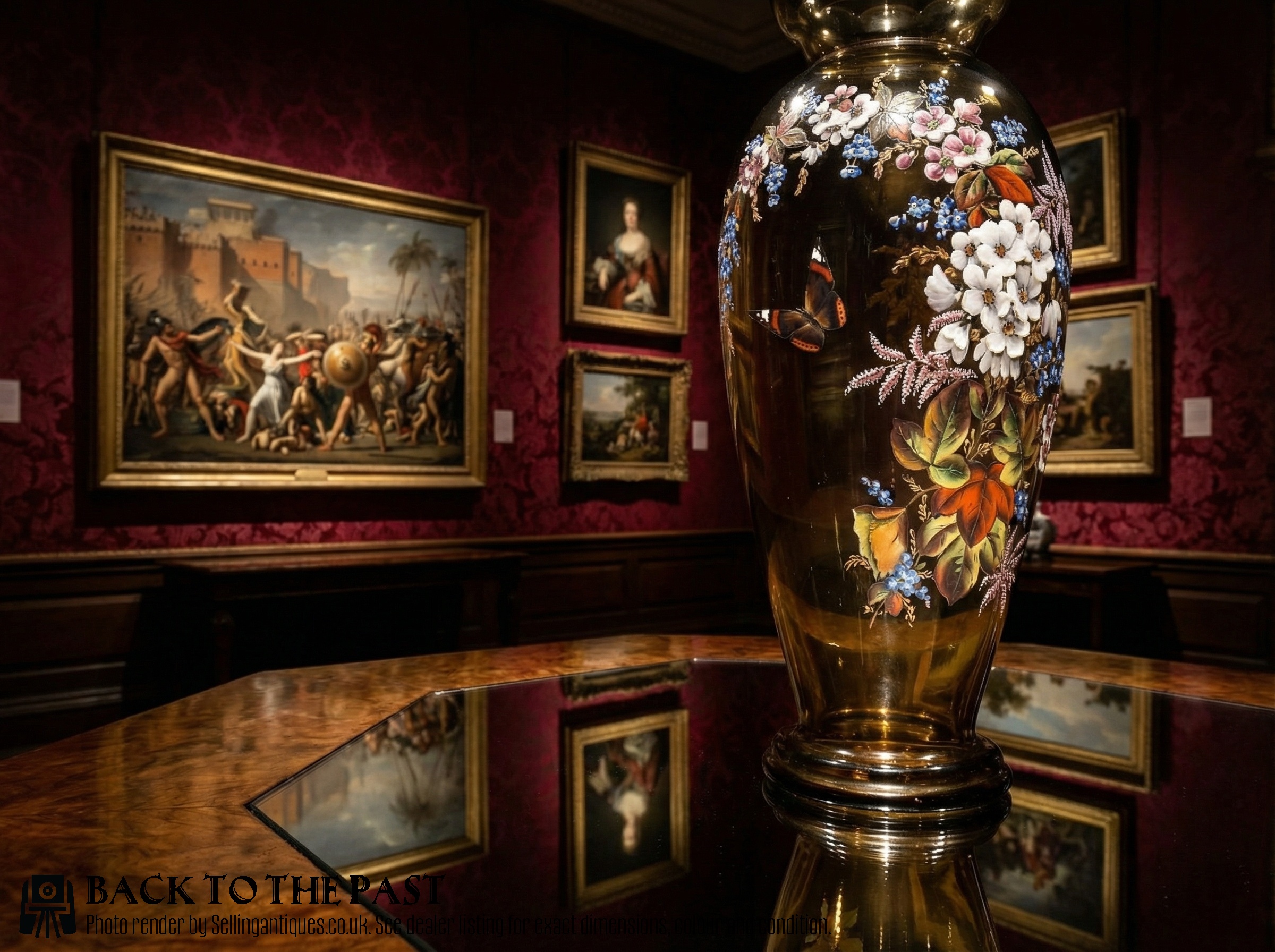
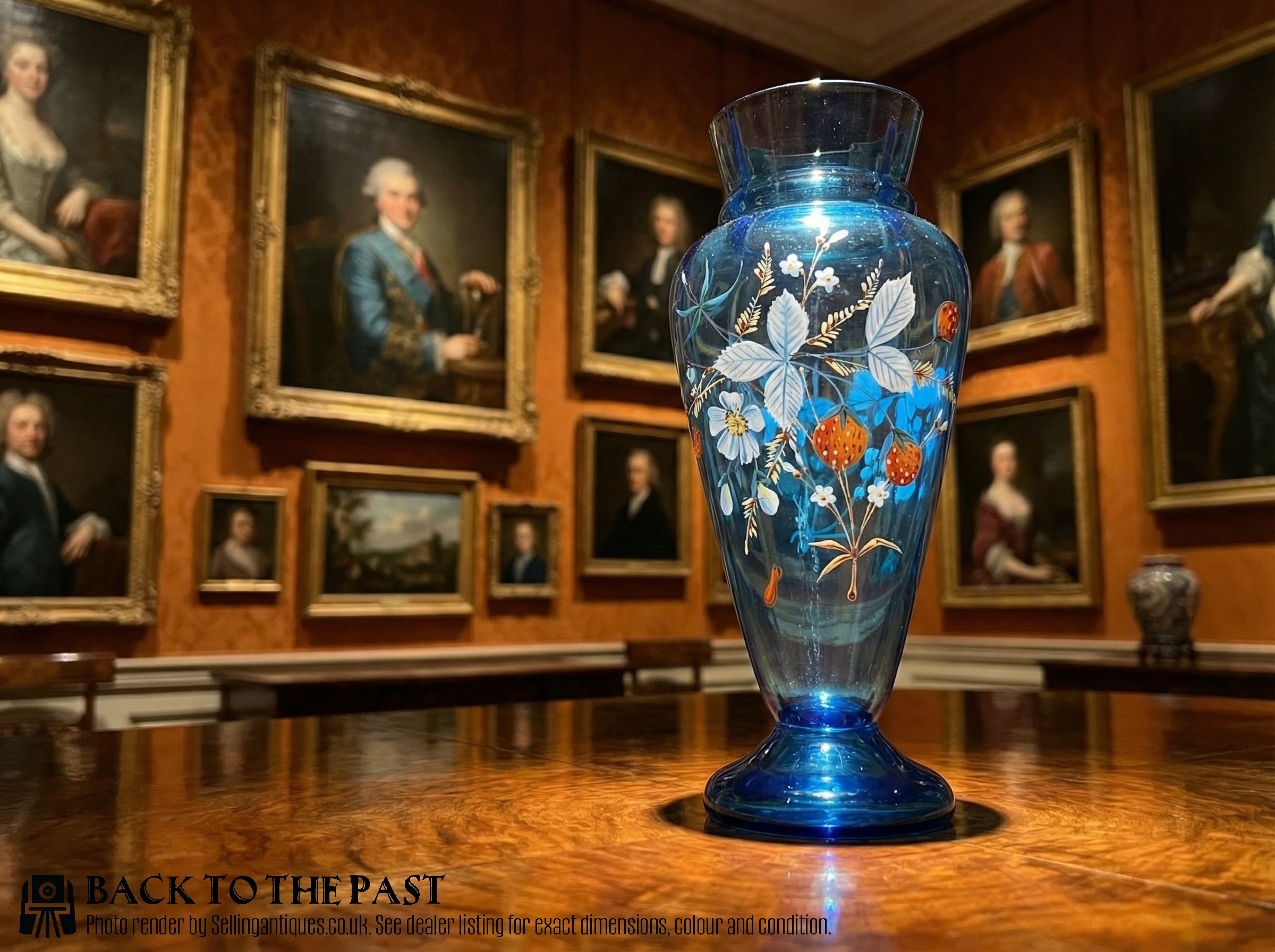
An antique floral glass vase holds stems while displaying botanical motifs rendered in coloured, frosted, or clear media. These vessels range from mid nineteenth century opaline bulbs with delicate painted blooms to sweeping early twentieth century cameo glass creations.
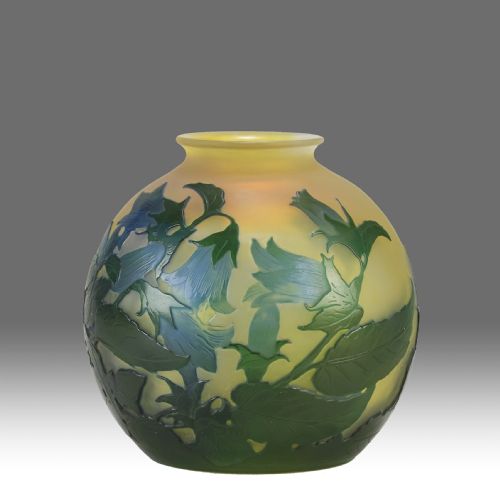
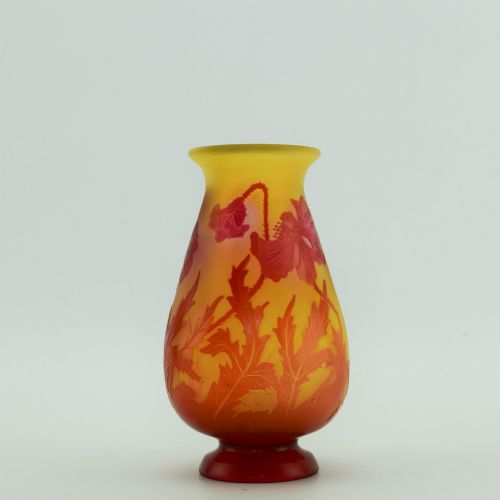
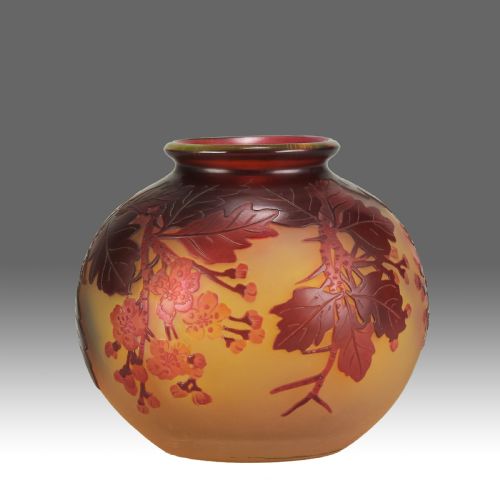
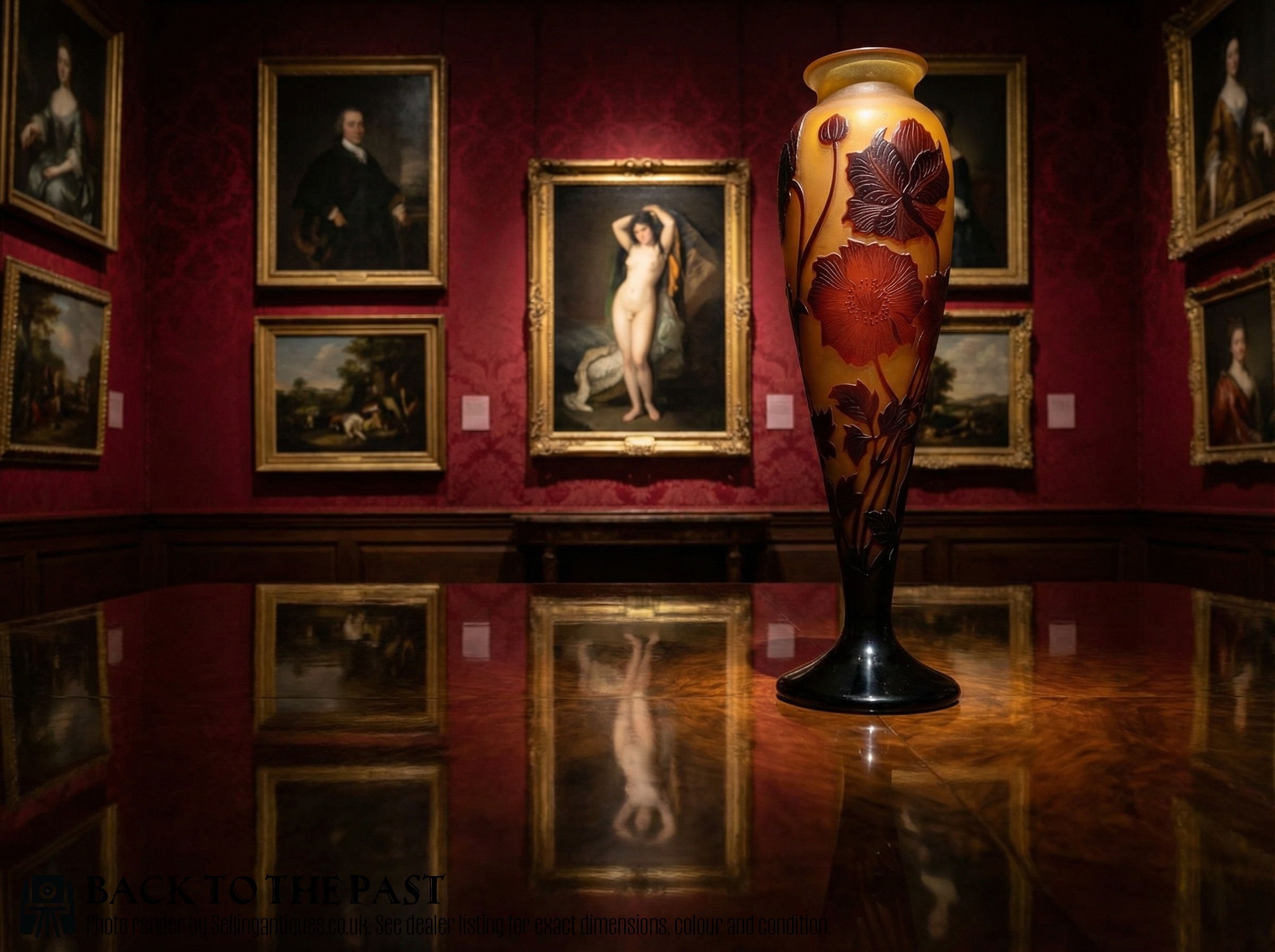
The version most commonly met on this page dates from the turn of the twentieth century, displaying organic Art Nouveau plant forms. Makers utilised acid etching, enamel, and layering to capture natural subjects like poppies, cornflowers, and sweet peas.
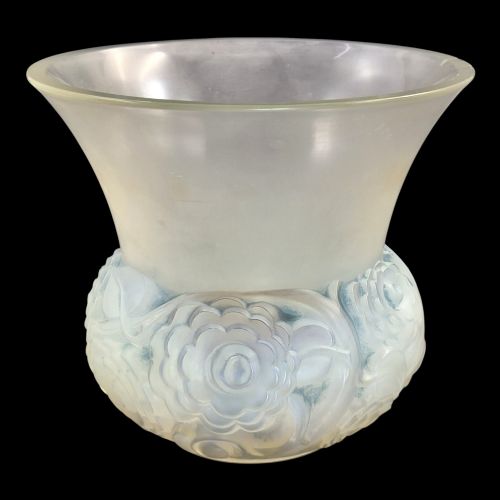
Other notable forms include Victorian cranberry glass epergnes and moulded Art Deco opalescent pieces. Each example reflects the prevailing taste of its period for bringing natural beauty into interior spaces through decorative glassware.
How they were made
Makers shaped molten material by hand blowing or moulding, often combining different strata of glass to build depth. Cameo pieces required meticulous acid etching or wheel carving through coloured outer layers to reveal contrasting backgrounds.
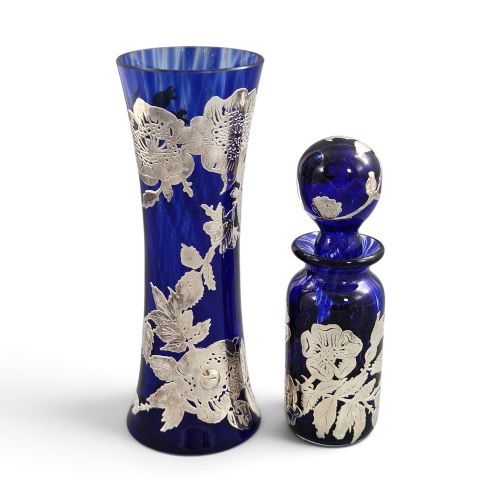
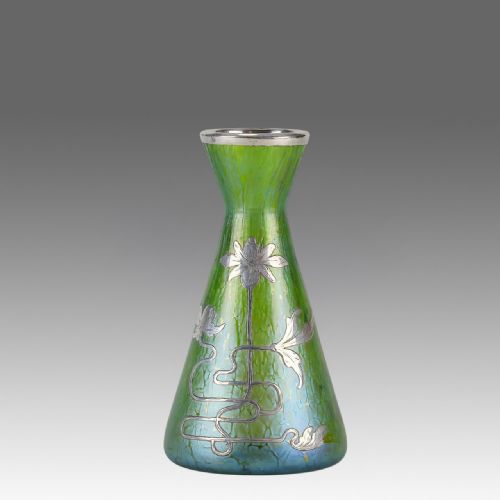
Surface decoration frequently involved hand painted enamel and applied gold leaf to highlight floral details. Techniques like silvering or iridisation produced metallic sheens that caught the light across the contours of the vessels.
Listings feature periods spanning from the mid nineteenth century Victorian era through Art Nouveau and up to 1930s Art Deco.
What varies in quality
The distinction between standard production and exceptional work rests on the depth and precision of the carving or enamel painting. Fine cameo examples demonstrate crisp layering where plant stems and petals stand out with botanical accuracy rather than flat uniformity.
Design complexity and the reputation of the workshop dictate the standing of a piece within its period. Signed works by prominent makers command attention through superior glass formulation and harmonious integration of naturalistic motifs with the vessel shape.
Emile Gallé·Johann Loetz·Daum Frères·R Lalique·Stuart for Liberty
The Antique Floral Glass Vase Glossary
- Cameo Glass
- Glass formed with multiple layers of different colours, where outer layers are partially cut away to create a raised design. This technique demands immense skill from the glassmaker to control depth and colour contrast.
- Acid-Etched Glass
- Glass treated with acid to eat away the surface, producing frosted patterns or textured backgrounds. It became a defining method for mass production and artistic creation during the Art Nouveau era.
- Opaline Glass
- An opaque or translucent pale glass developed in France, frequently tinted in white, blue, or green. It provided an ideal smooth surface for hand painted enamel floral decoration.
- Silvered Glass
- Glass blown with a double wall, into which a silver liquid solution was introduced and sealed to create a mirror like metallic finish. This technique was popular in the nineteenth century for reflecting light.
- Epergne
- A central tabletop ornament featuring a large bowl fitted with multiple detachable vases or arms for holding flowers or fruit. Victorian versions often used cranberry or coloured glass to striking effect.
Antique Floral Glass Vase: Frequently Asked Questions
Were these vases used for fresh flowers?
Many of these vessels served as functional table ornaments designed to hold fresh blooms in domestic settings. Mid nineteenth century bulb vases specifically accommodated single stems or bulbs forcing roots in water.
Larger Art Nouveau and cameo pieces functioned equally well as decorative display objects without contents. The presence of interior water staining often confirms historical use as a container for floral arrangements.
How can I tell Art Nouveau from Victorian pieces?
Victorian examples tend towards symmetrical forms, vivid colours like cranberry, and precise enamel painting or engraved botanical scenes. The aesthetic prioritises structured ornamentation and traditional silhouettes.
Art Nouveau pieces embrace asymmetrical, flowing lines inspired directly by natural plant stems and insect wings. The glass often incorporates iridescent finishes, organic bulbous shapes, and cameo layers depicting specific flowers.
What is the difference between signed and unsigned glass?
Signed pieces bear the etched, enamelled, or moulded mark of a known maker or studio such as Gallé or Daum. These signatures confirm the specific origin and elevate the collectable status within that maker's output.
Unsigned pieces represent the broader commercial output of period factories and independent workshops across Europe. They display the same technical skill and artistic styles of the era without bearing an artisan stamp.