




Bohemian Art Glass Vase
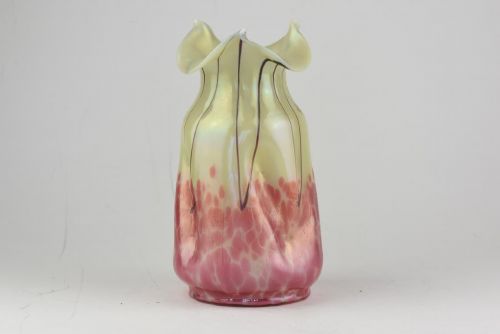
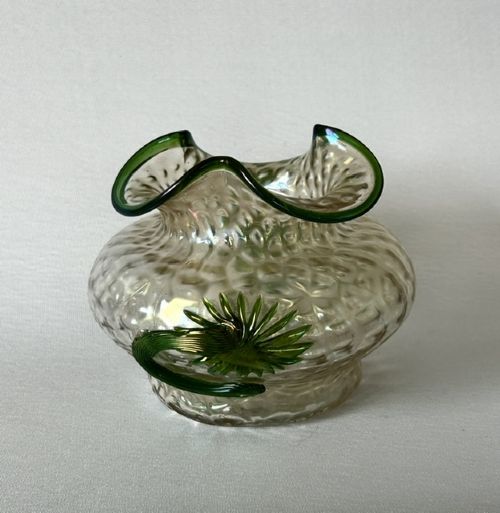
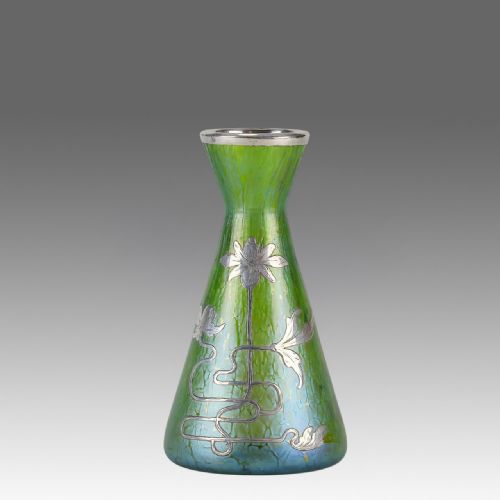
A bohemian art glass vase brings organic fluid forms and shimmering iridescent surfaces into a room, capturing the experimental spirit of European glasshouses.
Bohemian Art Glass Vase
A bohemian art glass vase is a vessel created in the historical regions of Bohemia, encompassing experimental glassworks that pushed traditional boundaries. When searching this phrase, collectors encounter pieces ranging from flowing organic forms to geometric vessels.
The selections span distinct periods, notably the 19th century, the Victorian era, and the early 20th century. Art Nouveau and Jugendstil creations feature heavily, alongside later Art Deco designs with starker silhouettes.
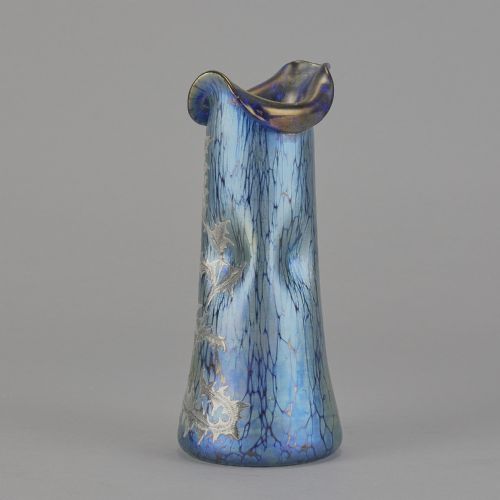
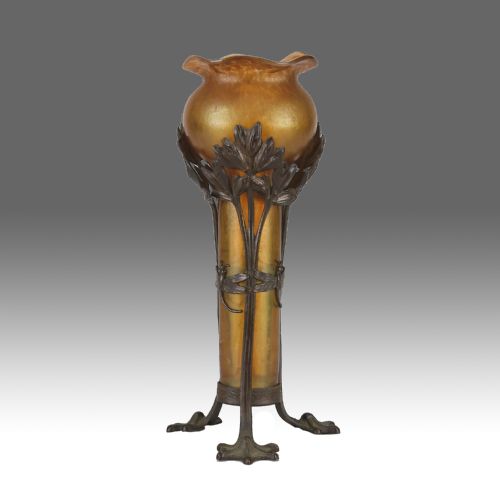
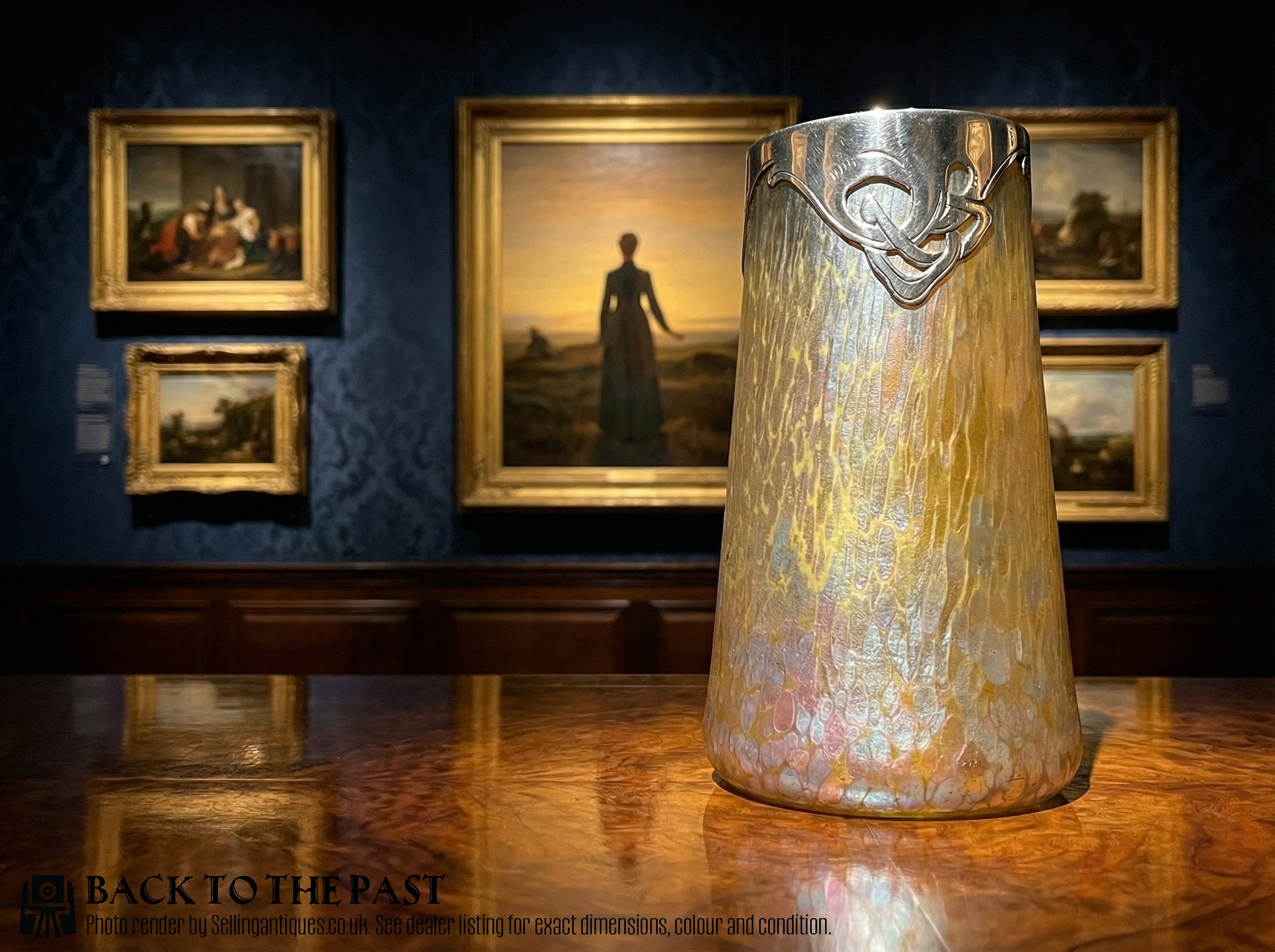
Vessels appear in various formats, including tall tapering cylinders, centrepiece bowls, and figural shapes. Many incorporate metal mounts, pewter overlays, or silvered details that complement the underlying coloured material.
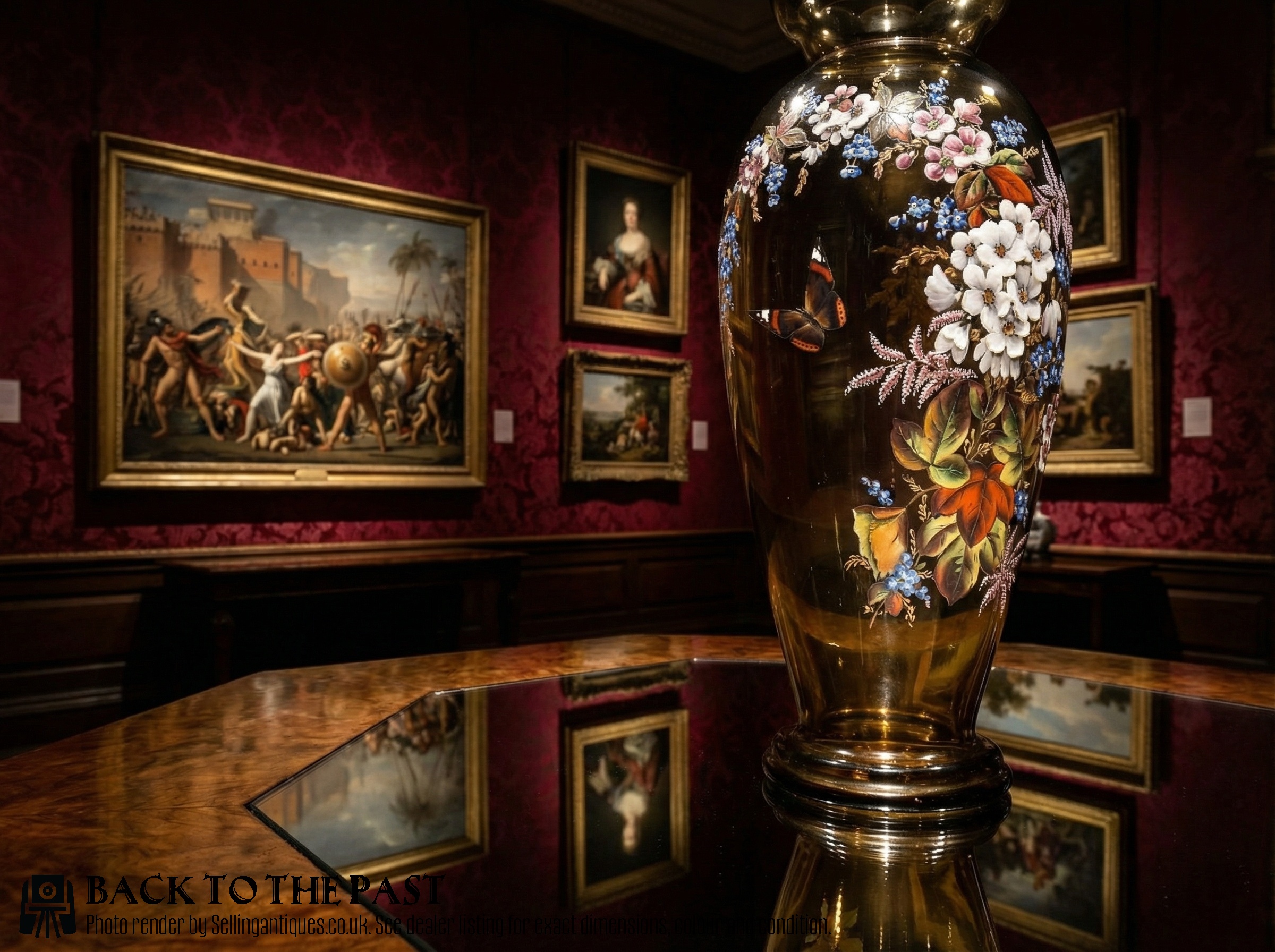
Materials and production methods
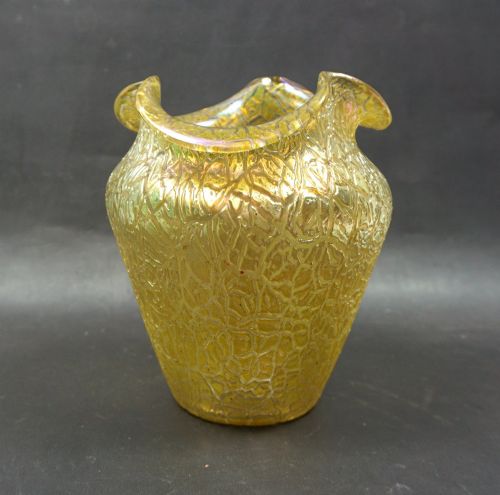
Makers utilised hand-blown glass as the primary medium, manipulating molten material to achieve distinct textures and optical effects. Iridescent finishes were achieved through metallic vapour treatments that created shimmering surfaces.
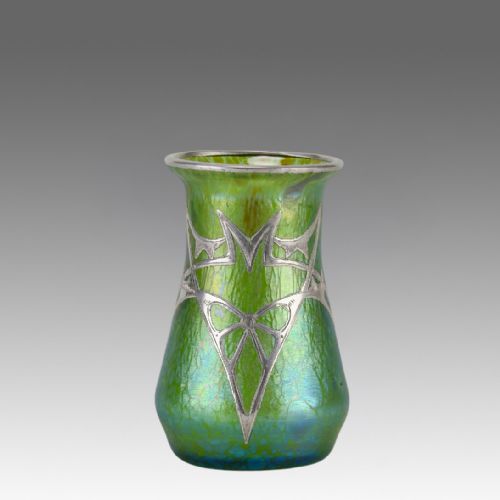
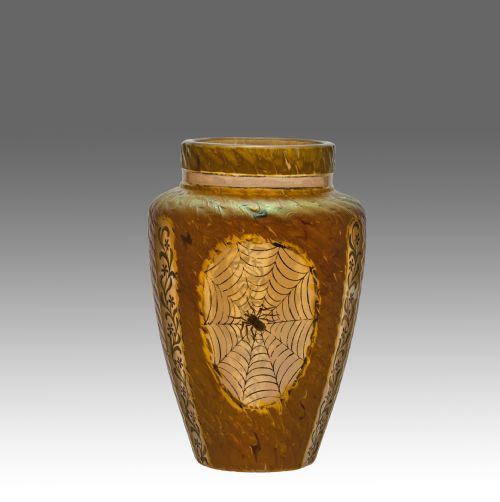
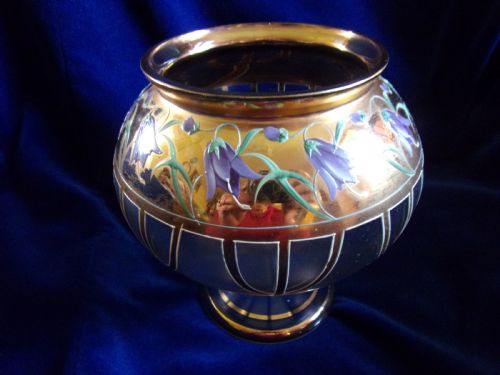
Surface decoration frequently involved enamel, gold leaf, and acid etching to build complex patterns. Some workshops added sterling silver overlays or bronze mounts to encase the blown glass body.
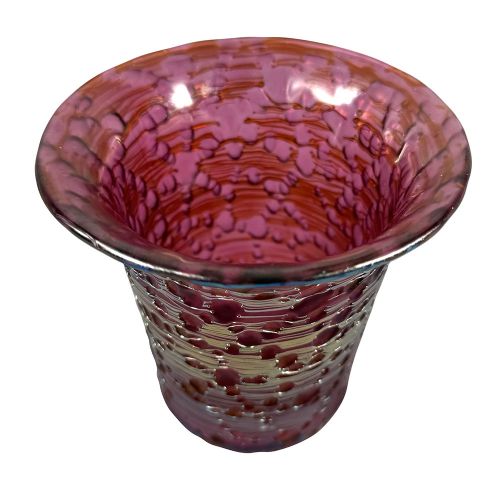
Specialised techniques such as the Phänomen or Papillon décors involved combing molten threads into the glass surface before blowing and shaping.
Bohemian Art Glass Vase Retail Price Guide 2026
Typical asking prices for bohemian art glass vase among the pieces listed under this phrase on Sellingantiques today, from the lower quarter to the upper quarter. They describe what is for sale here now, not the wider market.
Several bohemian vessels take whimsical shapes inspired by flora, including jack-in-the-pulpit blossoms and writhing glass snakes.
Assessing quality and execution
Quality rests upon the complexity of the glass body and the precision of applied decorations such as enamel and metalwork. Superior examples display careful integration between the glass surface and supplementary mounts.
The depth and shimmer of iridescent finishes vary considerably across different pieces. Master glasshouses achieved more vibrant, multi-coloured optical effects that shift under changing light.
The clarity of etched patterns and the structural integrity of applied elements distinguish exceptional studio output from standard commercial production.
Loetz Witwe·Kralik Glass·Karl Palda·Pallme Konig
The Bohemian Art Glass Vase Glossary
- Iridescent glass
- Glass treated with metallic salts to produce a rainbow sheen on the surface. This effect mimics natural mother-of-pearl.
- Secessionist
- A style associated with Central European artists breaking away from traditional academic art. It heavily influenced early 20th-century glass design.
- Silver overlay
- Metal applied directly to the exterior of a glass vessel in decorative patterns. It creates a striking contrast against coloured glass.
- Hyalite glass
- An opaque black or red glass developed in Bohemia. It offers a dense, glossy background for enamel decoration.
Bohemian Art Glass Vase: Frequently Asked Questions
How do I identify Art Nouveau pieces?
Art Nouveau examples typically feature flowing organic lines, iridescent finishes, and shapes inspired by natural forms such as plants and flowers. These pieces often lack rigid symmetry.
Makers utilised specialised glass treatments to create shimmering surfaces that catch the light from multiple angles.
What is silver overlay?
Silver overlay is a decorative technique where silver is bonded directly to the exterior of a glass vessel. The metal forms intricate patterns that wrap around the body.
This method requires precise application to ensure the silver adheres securely to the curved glass surface.
How should I clean my glass?
Clean iridescent and enamelled glass gently using a soft, dry cloth to remove dust. Avoid submerging pieces with metal mounts or delicate surface decorations in water.
Harsh chemical cleaners can strip away the metallic iridescence and damage delicate painted details.
Are these pieces marked?
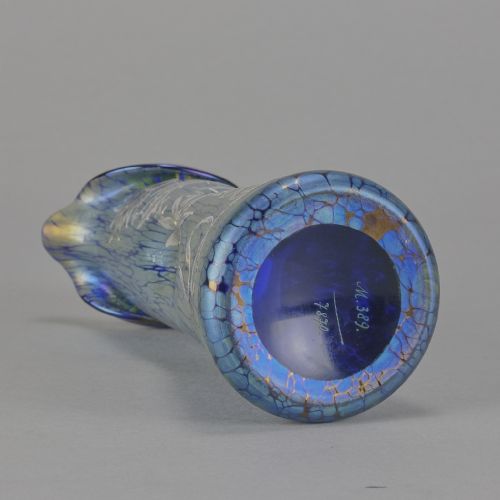
Many bohemian glass items carry acid-stamped signatures, painted numbers, or paper labels from the original workshop. However, a significant portion of authentic period work remains unmarked.
Attribution typically relies on characteristic colourways, decorative décors, and known glasshouse shapes.