




Iridescent Art Glass Vase
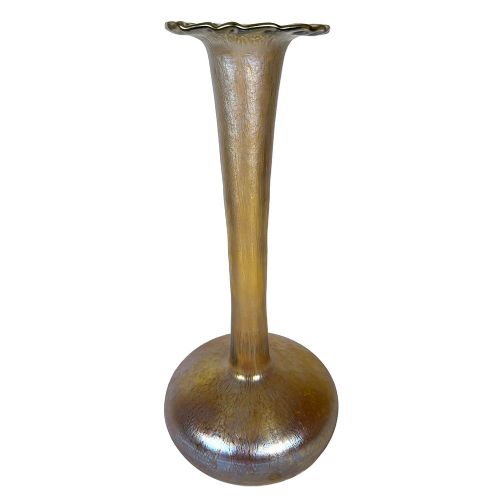
An iridescent art glass vase captures light with a shimmering, metallic surface, offering a distinctive decorative focal point for any room.
Iridescent Art Glass Vase
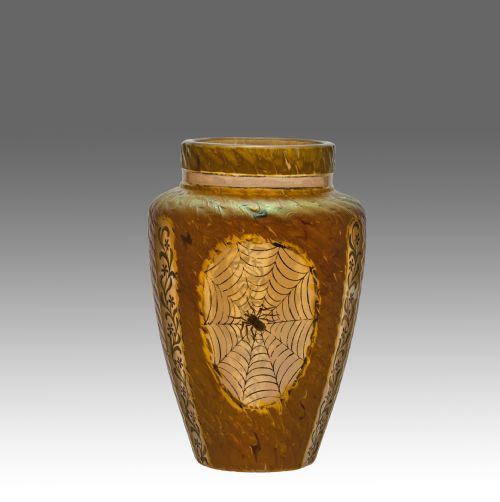
An iridescent art glass vase represents a key decorative form from the late nineteenth and early twentieth centuries, capturing the dynamic aesthetic of the Art Nouveau and Secessionist movements. When searching for an iridescent art glass vase, buyers typically encounter examples originating from Bohemia and Austria, alongside occasional American and English pieces.
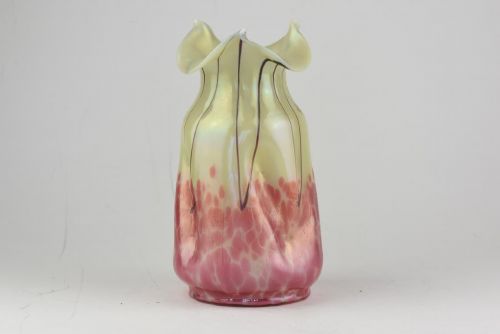
The selection centres heavily upon blown glass vessels shaped during the height of the Art Nouveau period around nineteen hundred. Makers utilised experimental chemical treatments to produce metallic sheens upon the glass surface, resulting in organic forms that mimic natural phenomena.
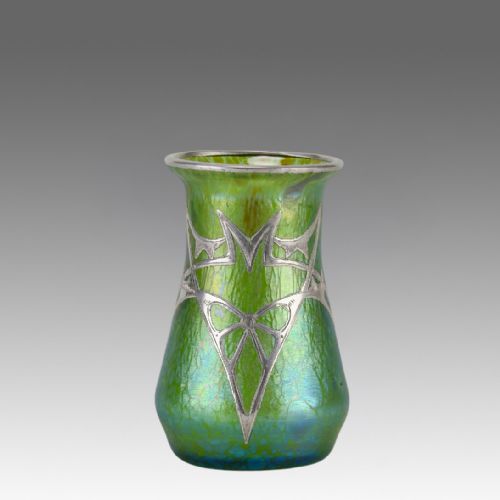
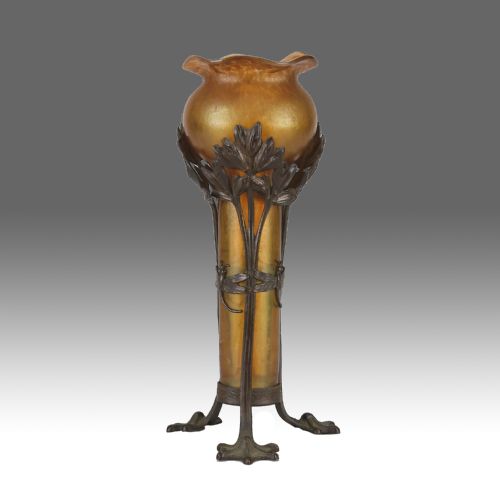
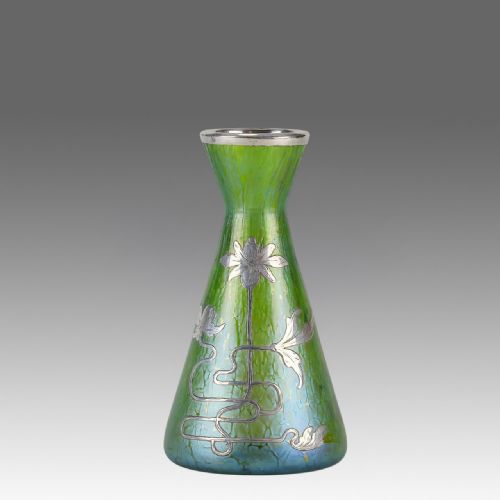
Common configurations include floriform shapes, table centrepieces, and vessels enhanced with metal mounts or silver overlay. These pieces combine expressive silhouettes with shifting surface colours that react to ambient light.
Materials and production techniques
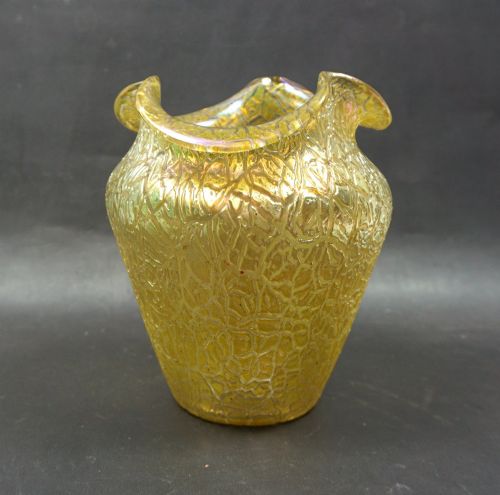
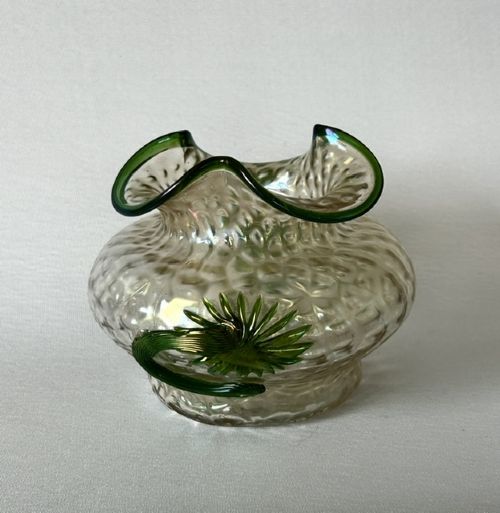
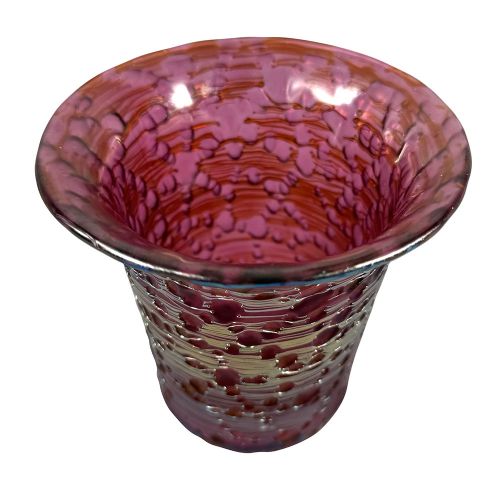
Maker workshops produced these vessels using hand-blown glass infused or coated with metallic oxides while the material remained hot. This technique created the signature oil-slick sheen characteristic of the iridescent finish.
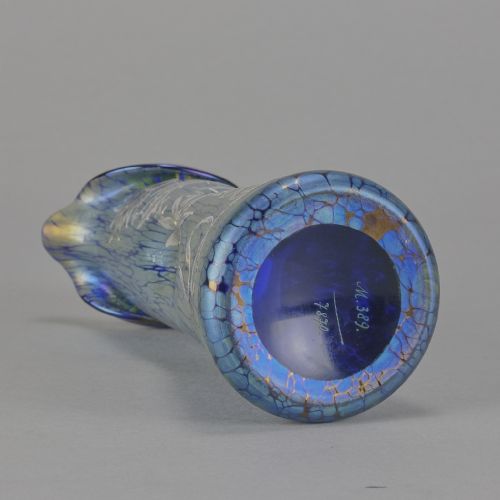
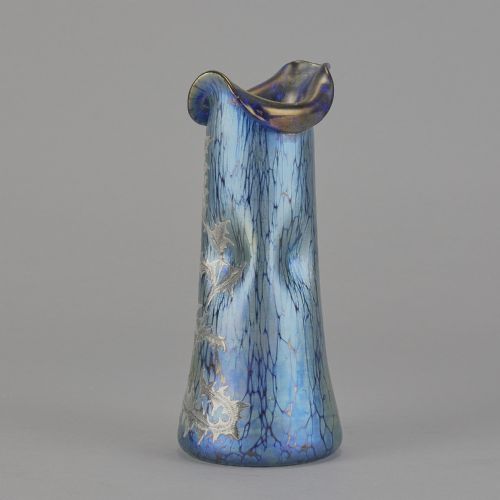
Many leading workshops combined blown glass bodies with applied decorative elements such as bronze mounts, pewter stands, or sterling silver overlay. These metal additions were often worked into intricate Secessionist or Art Nouveau patterns that complemented the fluid contours of the glass underneath.
Some vases come wrapped in metal snakes or shaped like oversized woodland flowers, proving that historical glassmakers possessed a wonderfully dramatic flair.
Factors of quality and distinction
Quality rests upon the depth and complexity of the optical effect across the glass surface, distinguishing simple metallic coatings from richly reactive chemical patinas. Master glassworks achieved denser colour shifts and more convincing organic textures.
The integration of metalwork also defines the upper tiers of the range, where hallmarked silver mounts or cast bronze stands were custom-fitted to the glass body. Pieces featuring named décors or documented workshop attributions carry greater distinction among collectors.
Loetz Witwe·Kralik Glass·Pallme Konig·LC Tiffany·Ferdinand von Poschinger
The Iridescent Art Glass Vase Glossary
- Favrile glass
- A type of iridescent art glass patented by Louis Comfort Tiffany that displays a distinctive internal and external metallic sheen. It relies on the blending of various glass formulas during the blowing process.
- Papillon décor
- A specific speckled surface pattern associated with Loetz glassworks that resembles butterfly wings. This finish catches light to produce mottled blue, green, or golden reflections.
- Phänomen décor
- A signature Loetz technique featuring combed, iridescent glass threads pulled into wavy, feather-like patterns across the vessel. The surface is often hot-worked to integrate the design fully into the body.
- Silver overlay
- A decorative technique where molten silver or silver sheet is applied directly to the glass surface in floral or geometric motifs. The metal is subsequently etched or polished by hand.
- Jack in the Pulpit
- A distinctive organic vase shape featuring a wide, flaring rim that mimics the flower of the same name. This elongated form was frequently produced by prominent Art Nouveau glassmakers.
Iridescent Art Glass Vase: Frequently Asked Questions
What is an iridescent art glass vase?
An iridescent art glass vase is a blown glass vessel treated with metallic oxides during creation to produce a shimmering, rainbow-like surface. These pieces emerged principally during the late nineteenth and early twentieth centuries.
Craftsmen in Bohemia, Austria, and America utilised these chemical finishes to mimic natural oil sheens and beetle wings, aligning with the organic philosophies of the Art Nouveau movement.
How do I identify a Loetz vase?
Identifying a Loetz vase involves looking for characteristic décors such as Papillon or Phänomen, alongside distinct Austrian and Bohemian stylistic markers from around nineteen hundred. Many examples exhibit organic silhouettes with polished pontil marks on the base.
While some pieces carry factory stamps or silver mounts with hallmarks, many rely on distinct glass formulations and colorways that experienced collectors recognise instantly.
Where were these glass vases made?
The majority of these glass vases originated in Bohemia and Austria, produced by renowned glassworks operating around the turn of the twentieth century. Other notable manufacturing centres included America and England.
European workshops such as Loetz and Kralik drove much of the innovation in iridescent glass techniques during the height of the Art Nouveau period.
How should I display my vase?
Displaying an iridescent art glass vase requires careful placement near natural light sources to fully activate the shifting metallic colours on the surface. Positioning the vessel near a window or under focused spotlighting allows the optical effects to emerge.
Because the glass relies on reflected light to reveal its full range of tones, avoiding dark or shadowed corners ensures the piece remains a vibrant focal point.