




Green Iridescent Glass Vase
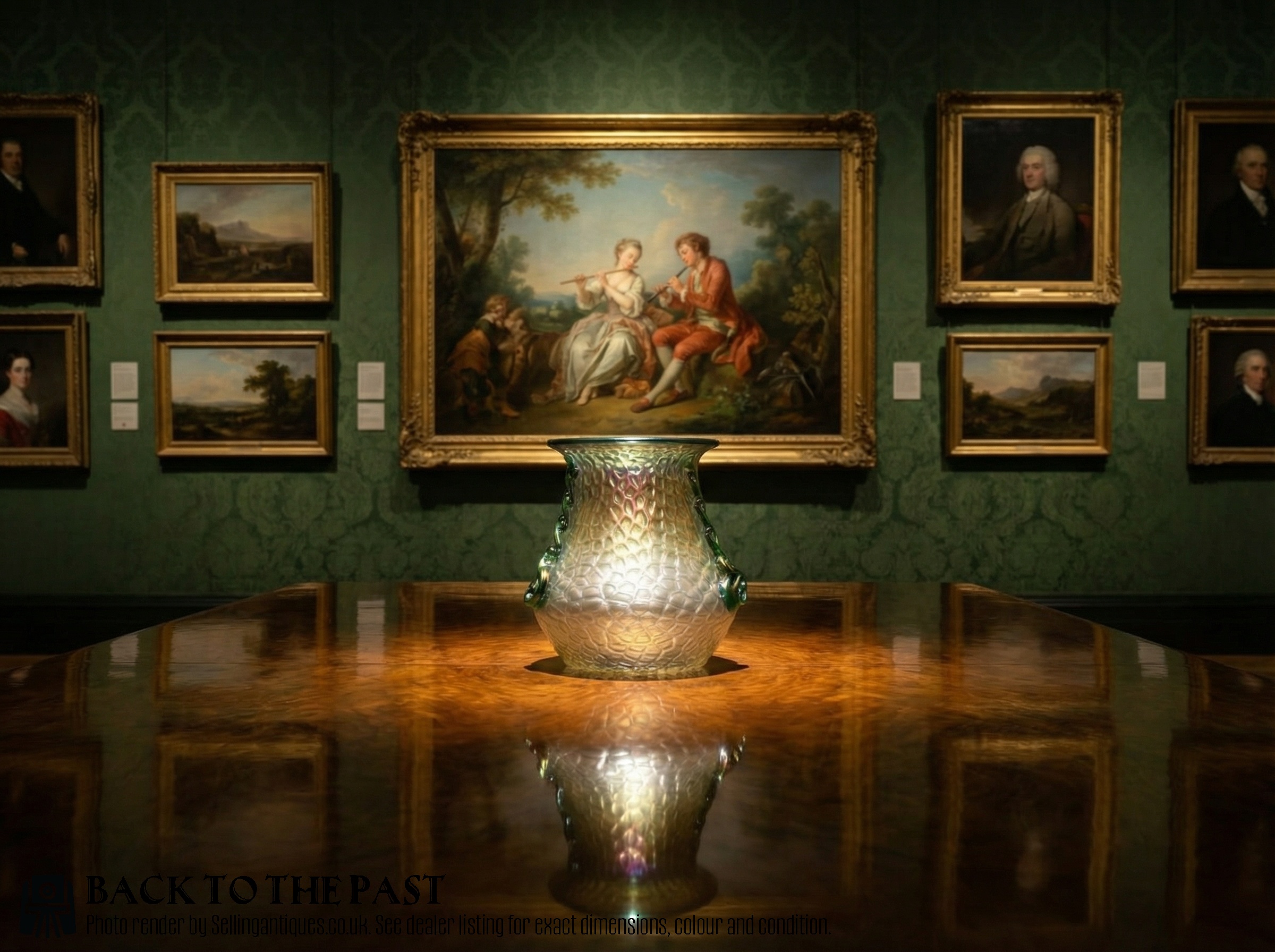
These green iridescent glass vase examples bring the organic brilliance of Art Nouveau and Secessionist design straight into any room.
What these pieces are
A green iridescent glass vase represents a striking convergence of organic form and shimmering surface effects from the nineteenth century and the year nineteen hundred. These pieces span distinctive regional designs, including Austrian art glass production and inventive Secessionist styling.
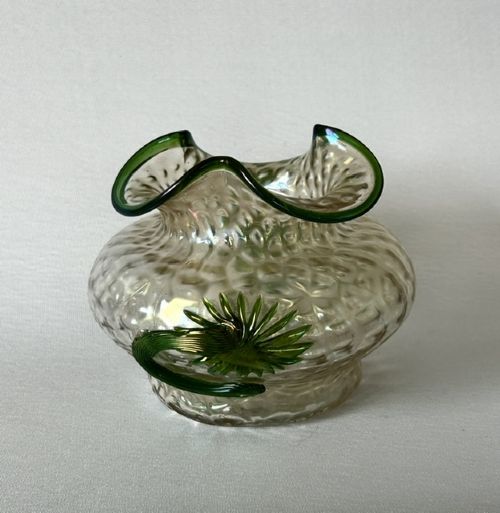
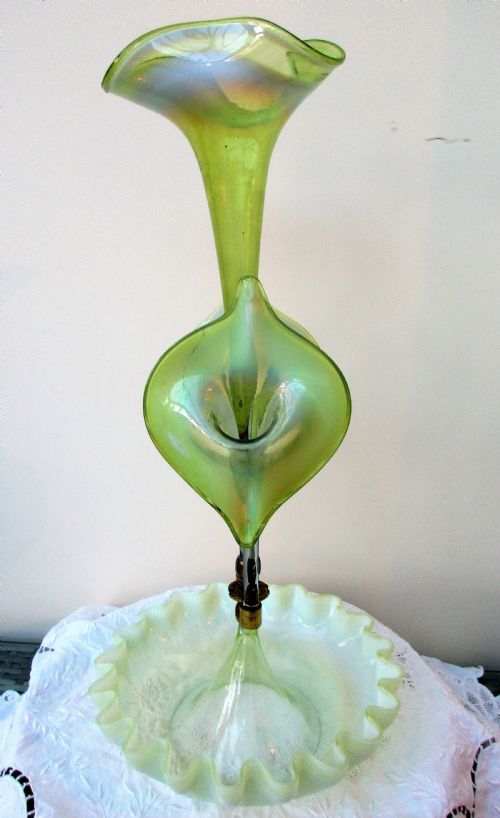
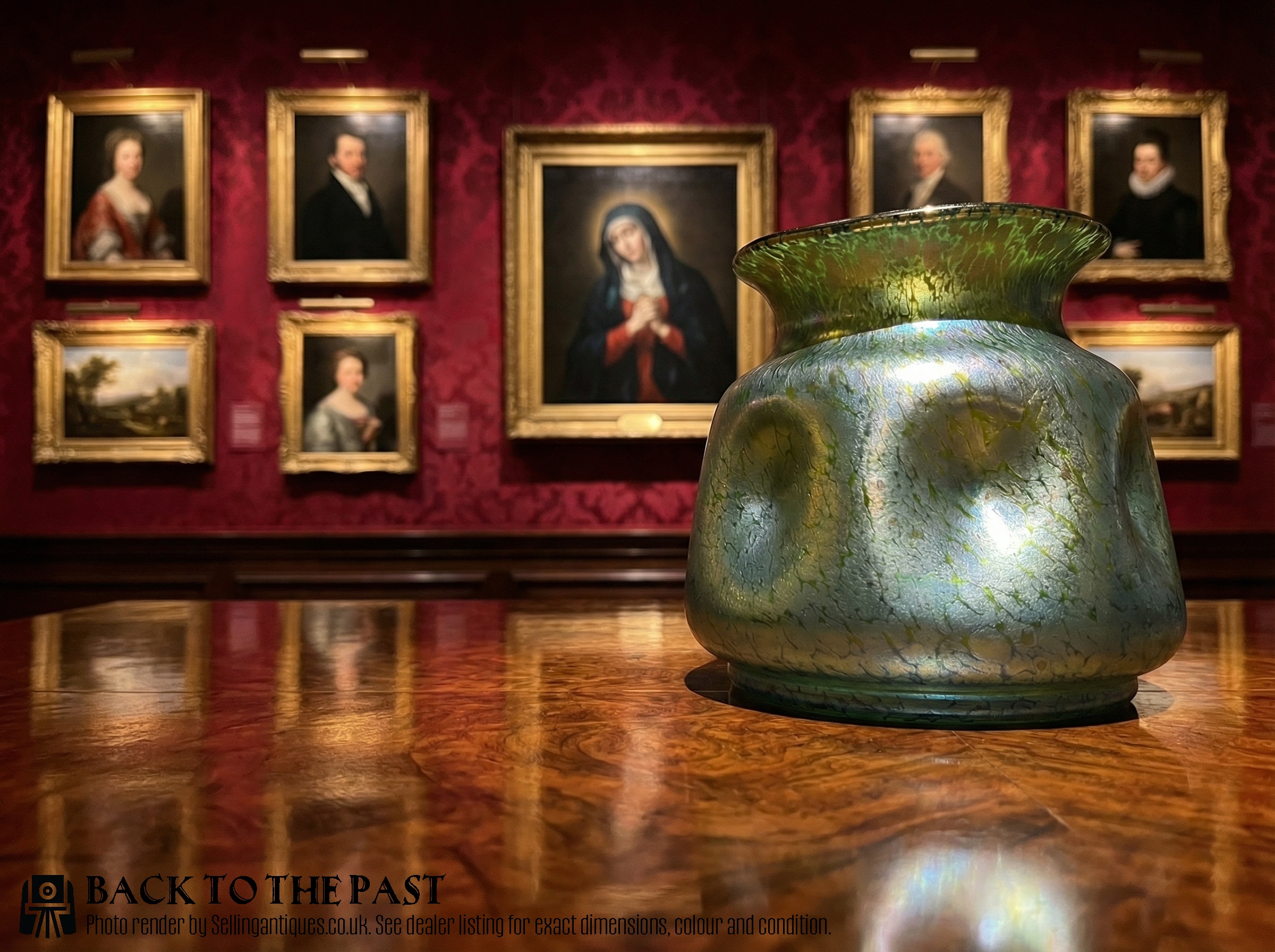
Collectors frequently encounter fluid silhouettes such as the Jack in the Pulpit form alongside bulbous vessels featuring the distinctive Papillon decor. Such items capture the experimental spirit of European glasshouses working at the turn of the twentieth century.
How they were made
Maker workshops utilised free-blowing techniques to shape molten material into asymmetrical and nature-inspired contours. Artisans applied metallic salts to hot glass to achieve the characteristic shimmering sheen upon the surface.
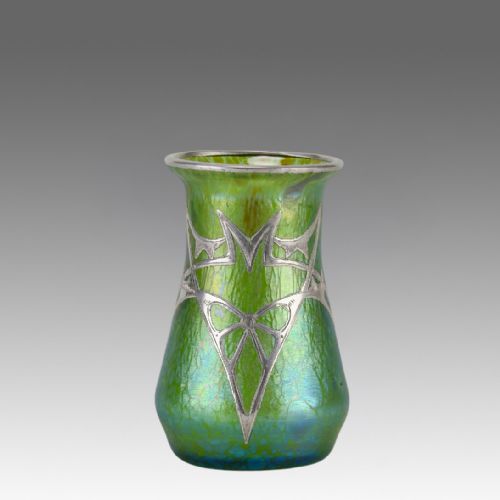
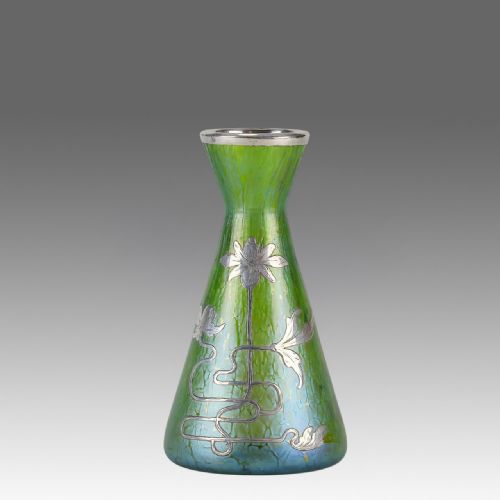
Certain vessels received delicate metal ornamentation, combining blown glass with applied silver overlay to heighten the decorative contrast. Other examples incorporated specific surface patterns like the Papillon decor during the manufacturing process.
Retail Price Guide 2026
Typical UK retail prices for green iridescent glass vase, calculated from the Sellingantiques database of over a million retail prices indexed since 2003. This retail price guide relies exclusively on Sellingantiques data; no external sources or auction records are used, so the figures do not describe the wider market.
Identified styles span both Art Nouveau and Secessionist movements from nineteen hundred.
What varies in quality
Quality rests upon the depth and uniformity of the optical sheen across the body, where superior examples display a vivid play of multi-coloured light. The precision of the organic shaping and the integration of decorative motifs also distinguish finer output.
The complexity of the form dictates distinction, with intricate folds in Jack in the Pulpit vessels or successful application of silver overlay marking out superior studio work. The clarity of the underlying green glass body further elevates the visual impact.
Loetz·Kralik glass works
The Green Iridescent Glass Vase Glossary
- Iridescent glass
- Glass treated with metallic oxides while hot to produce a rainbow-like sheen on the surface. This technique was widely championed by turn-of-the-century art glass makers.
- Art Nouveau
- A decorative style prevalent in the late nineteenth and early twentieth centuries characterised by fluid, organic lines and floral motifs. Much of the blown glass from this era embraces natural asymmetry.
- Secessionist
- An artistic movement related to Central European modernism that favoured geometric clarity alongside organic styling. Pieces from this milieu often feature restrained metal mounts.
- Silver overlay
- Decorative silver work applied directly onto the exterior of a finished glass vessel. This technique required precise metallurgical skill to adhere securely to curved surfaces.
- Papillon decor
- A specific mottled surface pattern resembling butterfly wings found on iridescent art glass. It creates a speckled, multi-hued optical effect.
Frequently Asked Questions
What is a Jack in the Pulpit vase?
This descriptor refers to an art glass vessel featuring a flared, wide rim that mimics the hood of the native woodland plant. Makers achieved this shape by manually pulling and manipulation of the hot glass during blowing.
Such forms are quintessential to the Art Nouveau period and showcase the versatility of iridescent materials. Their undulating profiles capture ambient light from multiple angles.
How do I identify Loetz glass?
Loetz items typically display distinctive surface treatments such as the Papillon decor or complex metallic iridescence on blown glass bodies. Many pieces also incorporate Secessionist metal mounts or organic silhouettes characteristic of Austrian production.
Examining the pontil mark on the base often reveals further clues regarding the manufacturing technique. The weight and optical quality of the green glass provide additional context for attribution.
When were these vases made?
The pieces recorded in this category date primarily from the nineteenth century up to the year nineteen hundred. This era marked the peak of experimental art glass production in Europe.
Workshops during this window moved away from strict historical revivalism in favour of organic forms. The resulting vessels reflect broader shifts toward nature-inspired design.
How should I display iridescent glass?
Positioning these vessels near natural light sources allows the metallic surface sheen to activate fully. Direct sunlight should be managed to protect the integrity of the finish over time.
Pairing them with neutral backgrounds helps emphasise their fluid contours and shifting colour tones. Keeping them away from high-traffic areas ensures the delicate blown forms remain secure.