
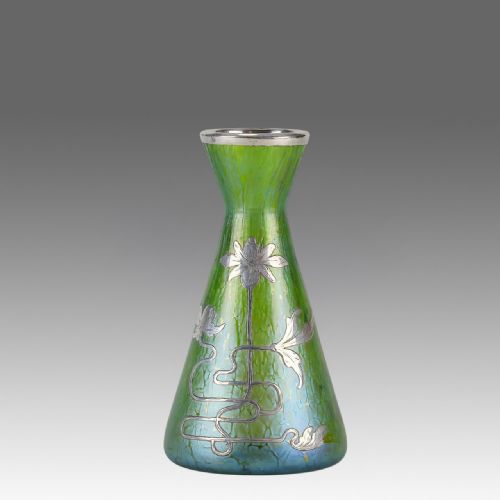


Loetz Iridescent Glass
Loetz iridescent glass brings the unmistakable metallic sheen of the Art Nouveau period into your home.
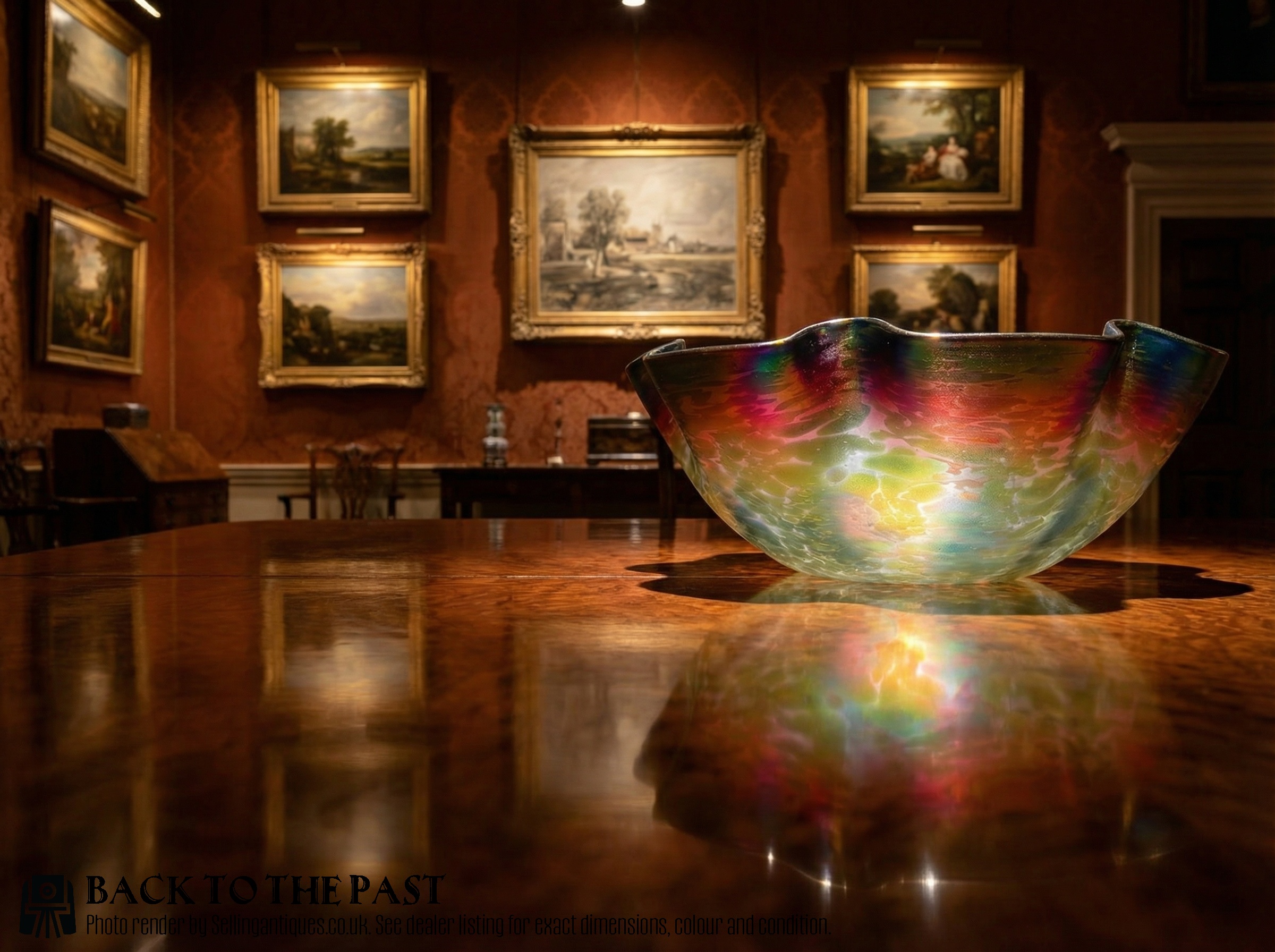
Loetz Iridescent Glass
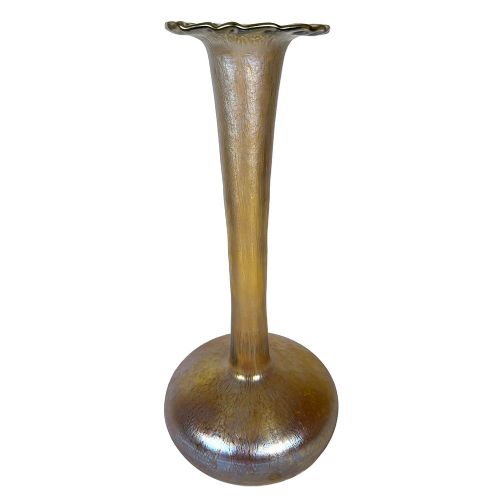
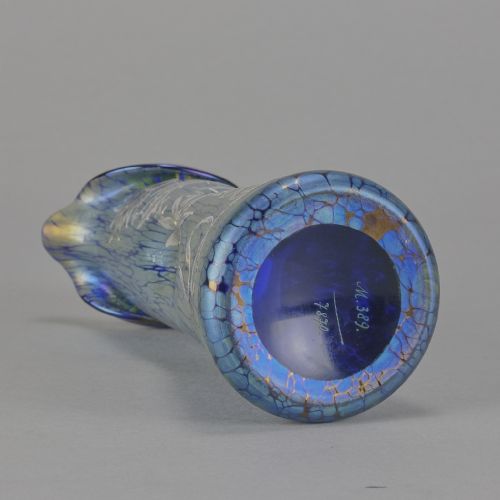
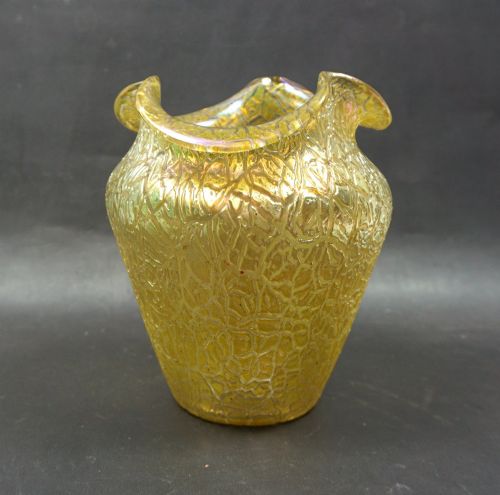
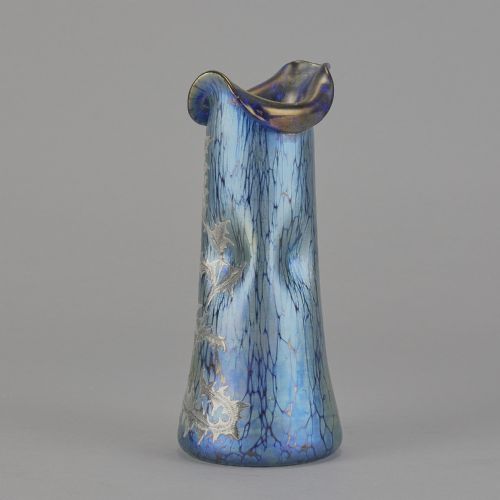
Loetz iridescent glass encompasses vases, bowls, and inkwells produced primarily during the early twentieth century and the nineteenth century. These pieces emerge predominantly from Bohemian makers working within the Art Nouveau and Vienna Secessionist styles.
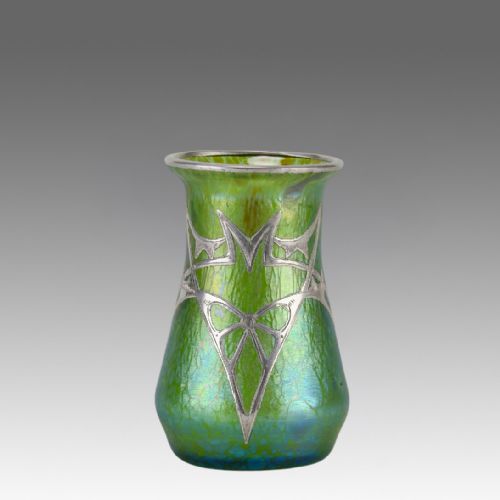
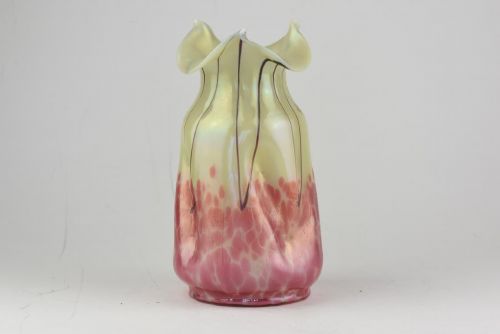
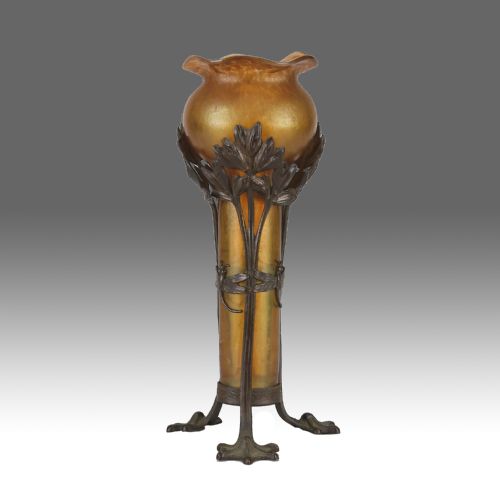
The most common form you will encounter on this page is the blown glass vase, often featuring distinctive decors like Papillon or Candia. Many examples incorporate sterling silver, silver overlay, or bronze mounts that complement the shifting colours of the glass body.
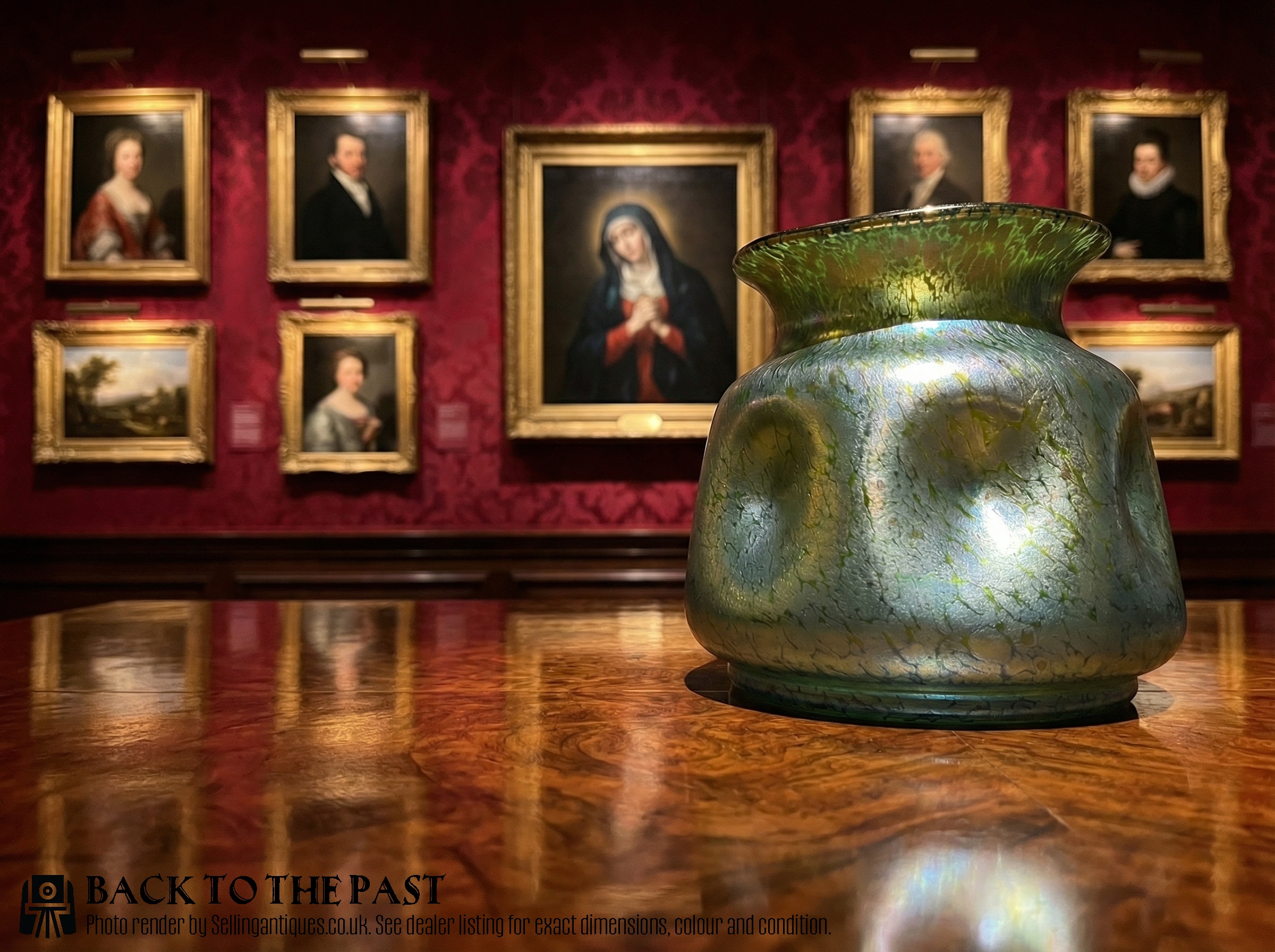
How they were made
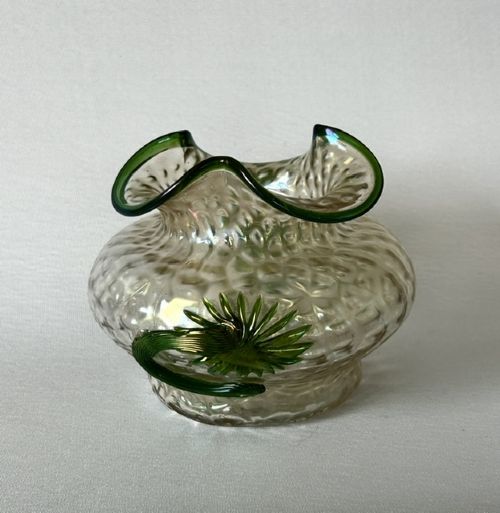
Maker's workshops created loetz iridescent glass by blowing molten green glass and other coloured matrices into forms, then applying metallic oxides while hot to achieve the signature optical shimmer. Artisans manipulated the surface to create textures ranging from smooth finishes to organic patterns.
Metalworkers added mounts, collars, and stands in brass, pewter, and silver to completed glass vessels. This combination of blown glass with metal overlay or mounts defines the construction of many pieces from this period.
Vessels include functional items like inkwells and vanity jars alongside decorative bowls and vases.
What varies in quality
Quality in loetz iridescent glass rests on the depth of the iridescent sheen and the complexity of the underlying décor, such as the Papillon or Phänomen patterns. Stronger contrast between the metallic surface glow and the base glass distinguishes finer production.
The integration of metalwork also alters the character of a piece, where integrated sterling silver mounts or marked pewter stands by makers like J Reinemann elevate the decorative ambition of the vessel.
Loetz Witwe·Johann Loetz·Pallme Konig·Kralik·Robert Holubetz·J Reinemann·A&J Zimmerman
The Loetz Iridescent Glass Glossary
- Papillon
- A speckled iridescent décor resembling butterfly wings, frequently seen on early twentieth century pieces. This pattern creates a mottled metallic effect across the blown glass surface.
- Phänomen
- A complex combed thread décor embedded in the hot glass surface before iridescent treatment. It produces wavy, organic lines that catch the light from different angles.
- Candia
- A pale yellow or transparent glass body used as a base for iridescent treatments. It offers a lighter background than the traditional green glass versions.
- Secessionist
- An artistic movement related to Art Nouveau that favoured geometric restraint alongside organic forms. Pieces in this style often feature cleaner lines and architectural silver mounts.
- Jack in the Pulpit
- A distinctive vase shape with a wide, flared, and ruffled rim resembling the flower of the same name. This organic form suits the fluid qualities of blown iridescent glass.
Loetz Iridescent Glass: Frequently Asked Questions
What is loetz iridescent glass?
Loetz iridescent glass is art glass produced in Bohemia during the late nineteenth and early twentieth centuries, known for its metallic sheen.
Maker workshops utilised chemical vapour treatments on hot blown glass to create shimmering surfaces that mimic butterfly wings or oil slicks.
Were these pieces mounted in silver?
Many glass bodies were fitted with sterling silver overlays, collars, or hinged lids for inkwells and vanity jars by various metalwork firms.
These mounts were applied after the glass was blown and cooled, sometimes carrying hallmarks from silversmiths.
What styles are common?
The dominant styles associated with these glass objects are Art Nouveau and Vienna Secessionist, reflecting organic and geometric design trends.
Vessels range from naturalistic snake forms and jack in the pulpit shapes to structured bowls on ball feet.