
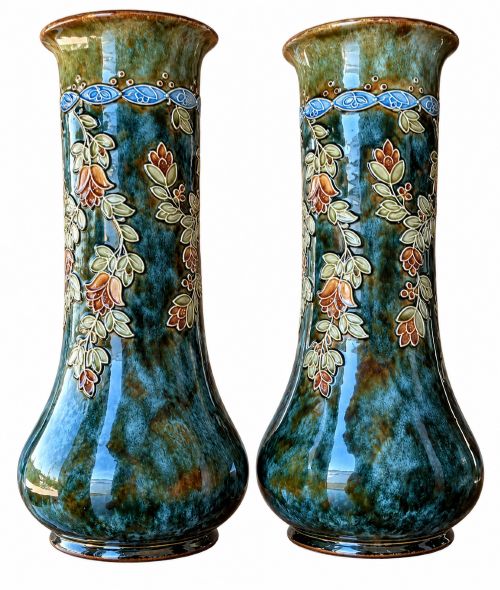
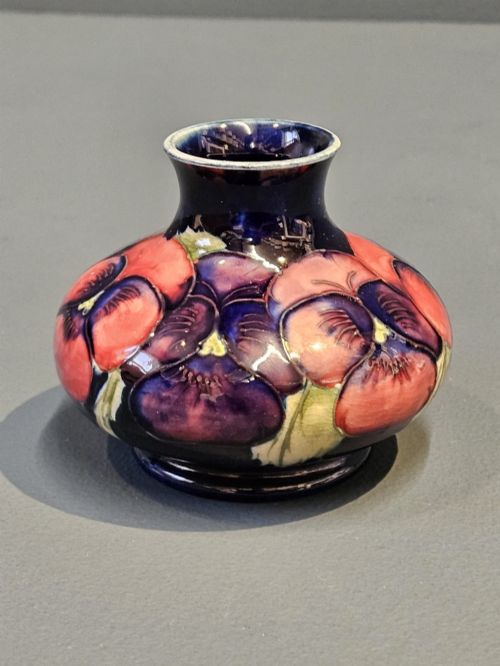
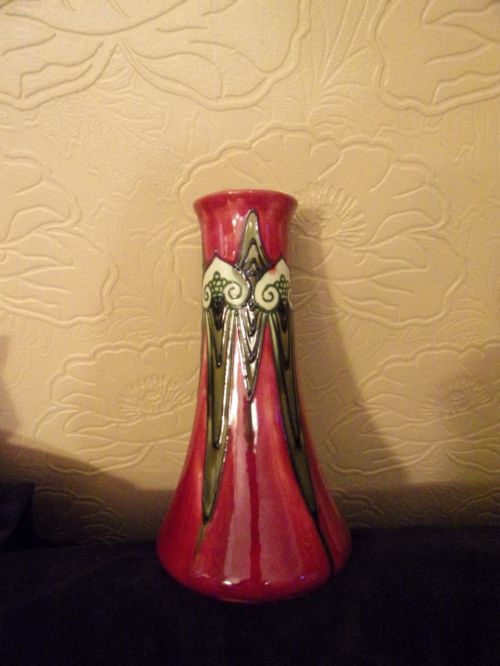
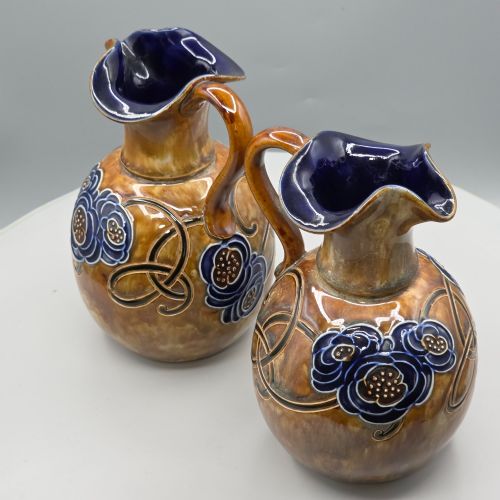
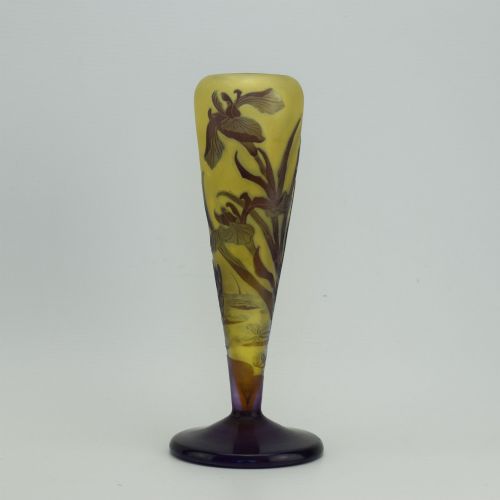


Art Nouveau Floral Vase
An art nouveau floral vase captures organic botanical curves in glass, ceramic, and metal.
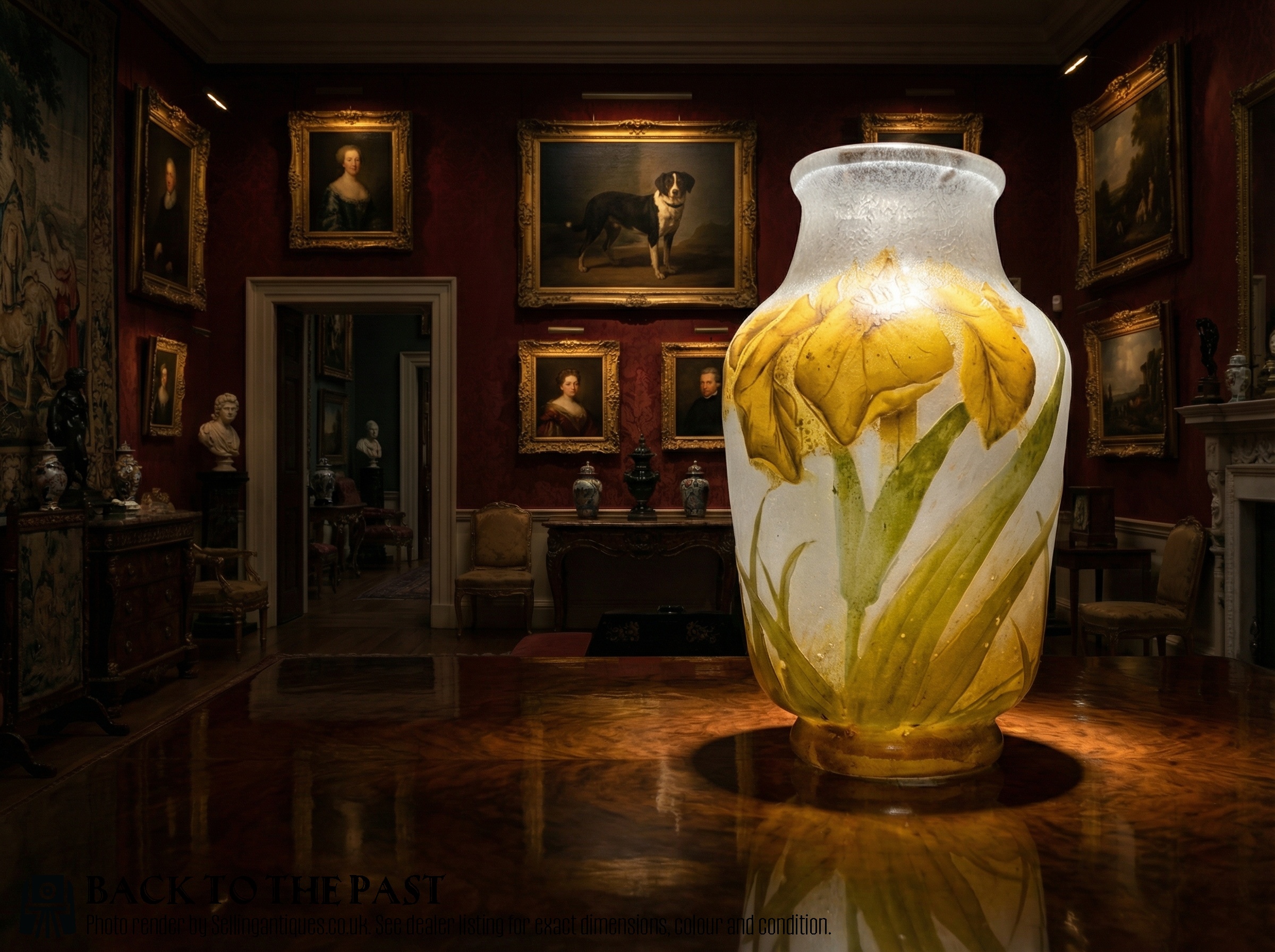
What These Vases Are
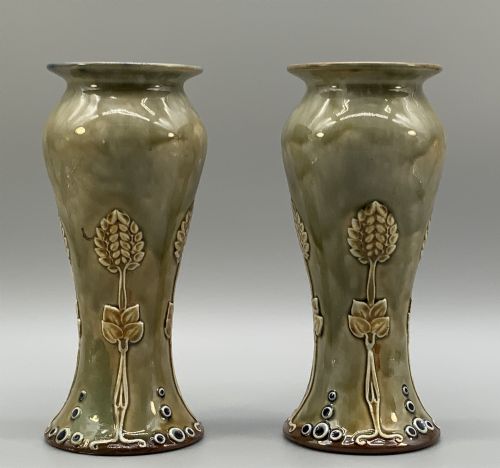
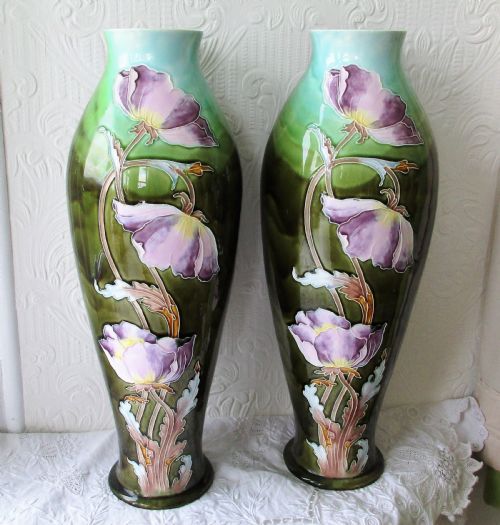
An art nouveau floral vase embodies the sinuous botanical lines of the turn of the twentieth century, bringing natural forms directly into interior spaces. These pieces span from the late nineteenth century through to the Art Deco period, capturing a shift in aesthetic taste.
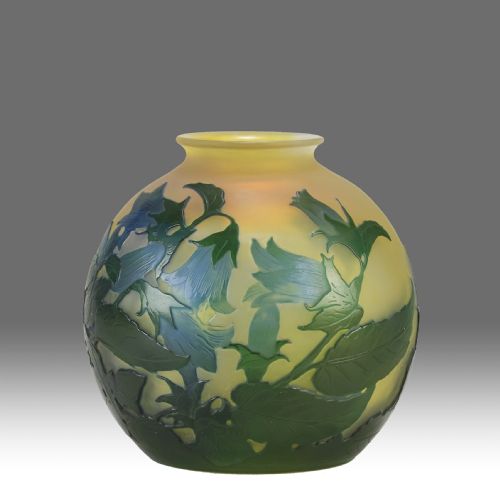
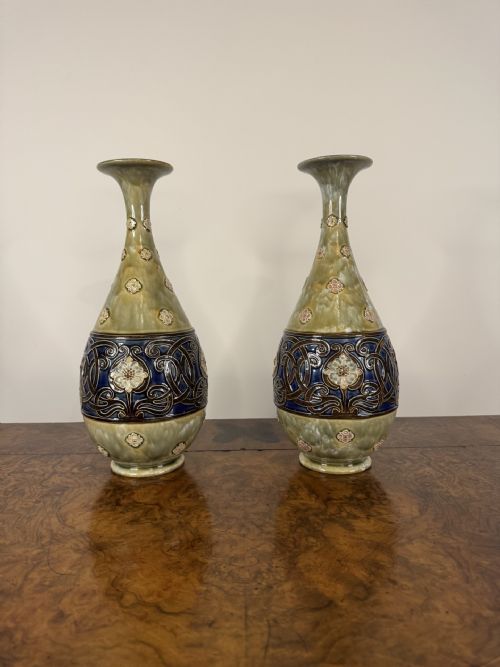
The selection here includes iridescent glass, enamelled cameo glass, glazed earthenware, and silver overlay. Forms range from organic trumpet shapes to twin-handled porcelain and distinctive Jack in the Pulpit profiles.
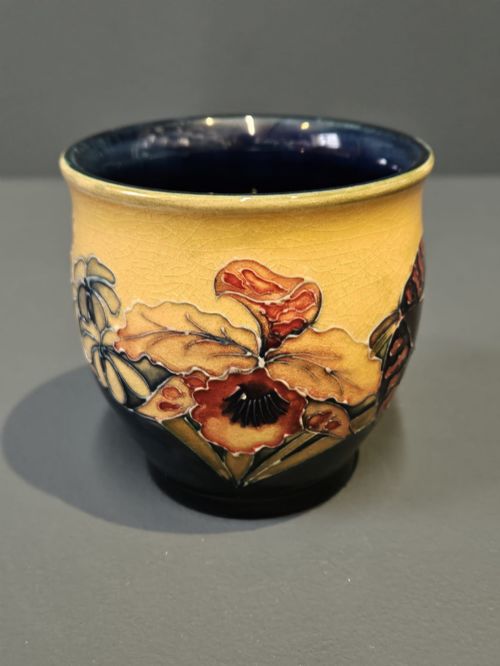
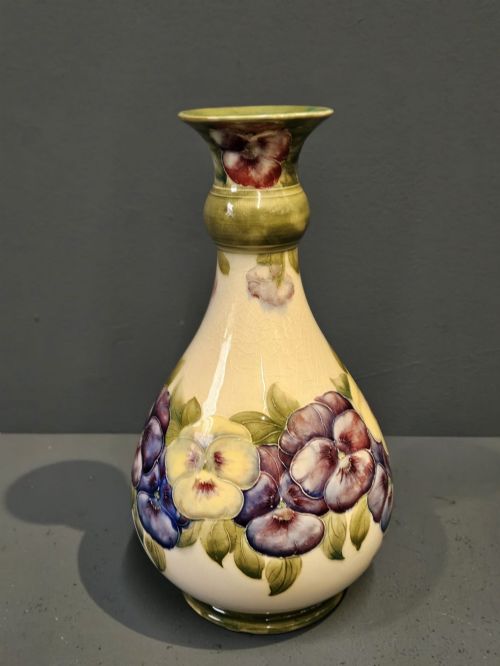
Originating across Europe and beyond, these vessels feature motifs of orchids, irises, and stylized floral heads. Buyers encounter both delicate cabinet pieces and substantial decorative works.
How They Were Made
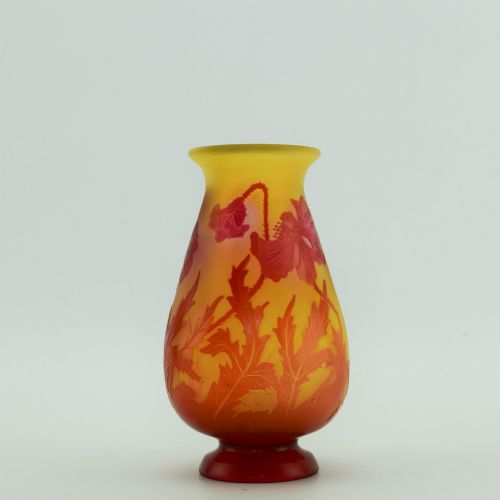
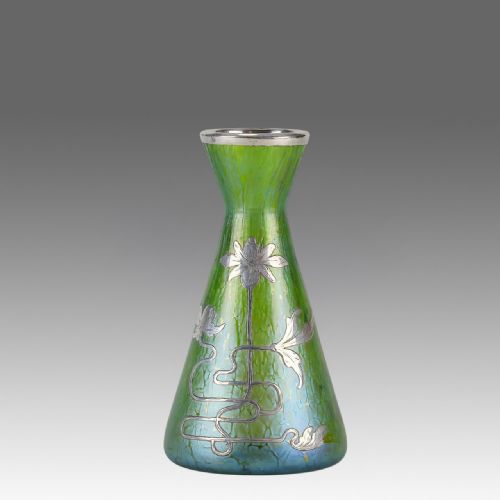
Makers utilised complex glass techniques, including acid-etching cameo glass, applying silver overlay, and achieving iridescent Phänomen finishes on molten material. Gold leaf and heavy enamelling often enriched the glass surface.
Ceramic examples relied on glazed earthenware and porcelain, shaped into organic, botanical silhouettes. Metalwork additions, such as copper stylized floral heads, were fixed to glass bodies to merge different mediums.
Retail Price Guide 2026
Typical UK retail prices for art nouveau floral vase, calculated from the Sellingantiques database of over a million retail prices indexed since 2003. This retail price guide relies exclusively on Sellingantiques data; no external sources or auction records are used, so the figures do not describe the wider market.
What Varies in Quality
Quality rests upon the precision of the botanical execution and the sophistication of the material handling, whether through the depth of acid-etched cameo layers or the shimmer of an iridescent glass surface. Finer pieces display a fluid command of organic form.
The integration of secondary materials like silver overlay or copper mounts distinguishes standard production from exceptional studio output. Stronger examples maintain crisp botanical details and harmonious colour palettes.
Loetz Witwe·Daum Freres·Doulton·Kralik·Kinjo
The Art Nouveau Floral Vase Glossary
- Cameo glass
- Glass formed with multiple layers of different colours, which are then acid-etched to create a raised design. This technique requires immense skill to control depth and tone.
- Iridescent glass
- Glass treated with metallic salts to produce a shimmering, rainbow-like sheen on the surface. It catches light dynamically from every angle.
- Silver overlay
- Sterling silver deposited onto a glass or ceramic body in decorative patterns. It creates a striking contrast between metal and translucent material.
- Glazed earthenware
- Porous pottery coated with a vitreous glaze to render it impermeable to liquids. The glaze provides a smooth surface for painted or modelled floral motifs.
Frequently Asked Questions
How do I identify an authentic piece?
Authentic examples display period-appropriate manufacturing techniques such as layered acid-etched cameo glass or genuine silver overlay.
Look closely at the weight, material quality, and stylistic adherence to organic botanical forms typical of the era.
What materials were commonly used?
Maker workshops utilised glass, enamel, glazed earthenware, and porcelain, frequently enhanced with gold leaf or metal mounts.
Iridescent and cameo glass finishes remain particularly characteristic of this decorative style.
How should I display these vases?
Place them in locations with adequate light to highlight the iridescence of glass surfaces and the depth of enamelled botanical motifs.
Keep them away from direct heat sources to protect delicate finishes and silver metalwork.
Are these pieces suitable for holding water?
While many ceramic and glass vessels are structurally sound, older decorative pieces often function best as dry display items.
Evaluate the interior condition and material porosity before introducing moisture to antique earthenware or delicate glass.