



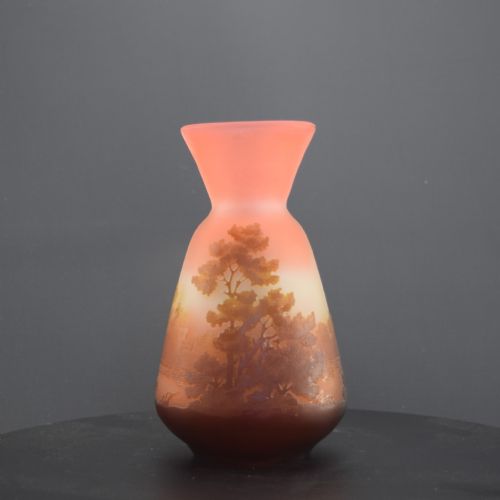


Edwardian Glass Vase
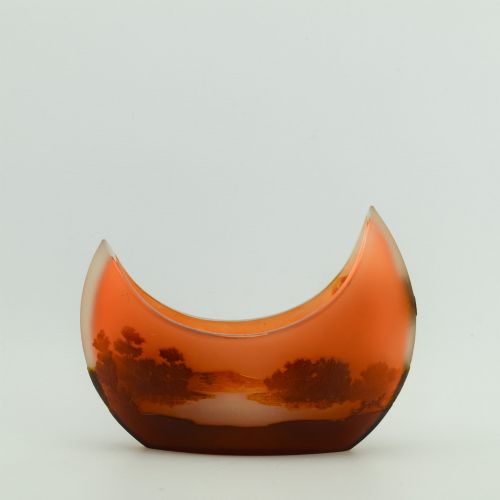
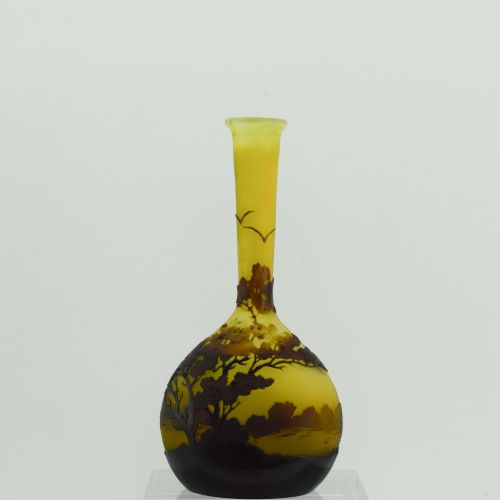
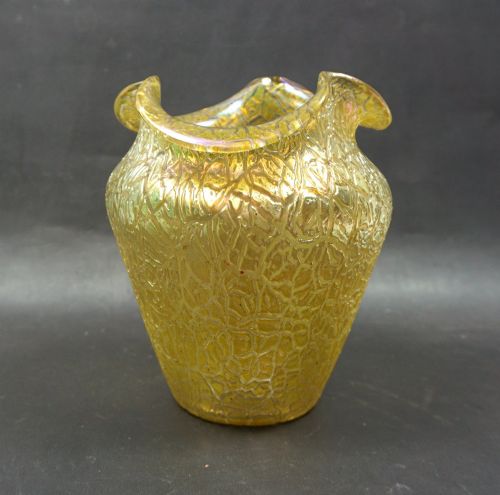
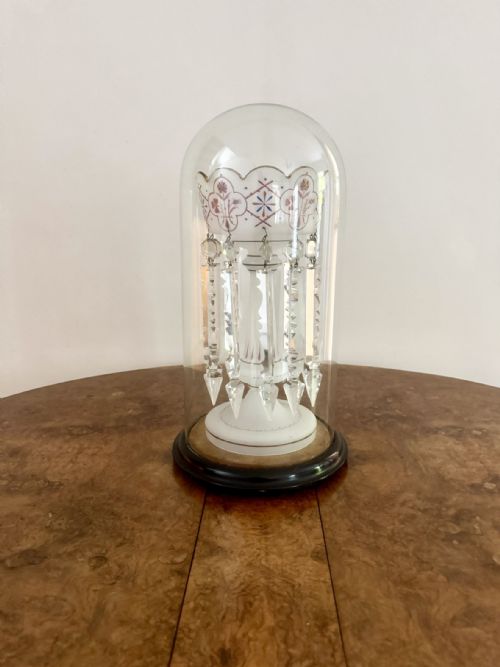
An Edwardian glass vase brings tactile colour and organic form to a room, offering the distinct fluidity of early twentieth-century manufacture.
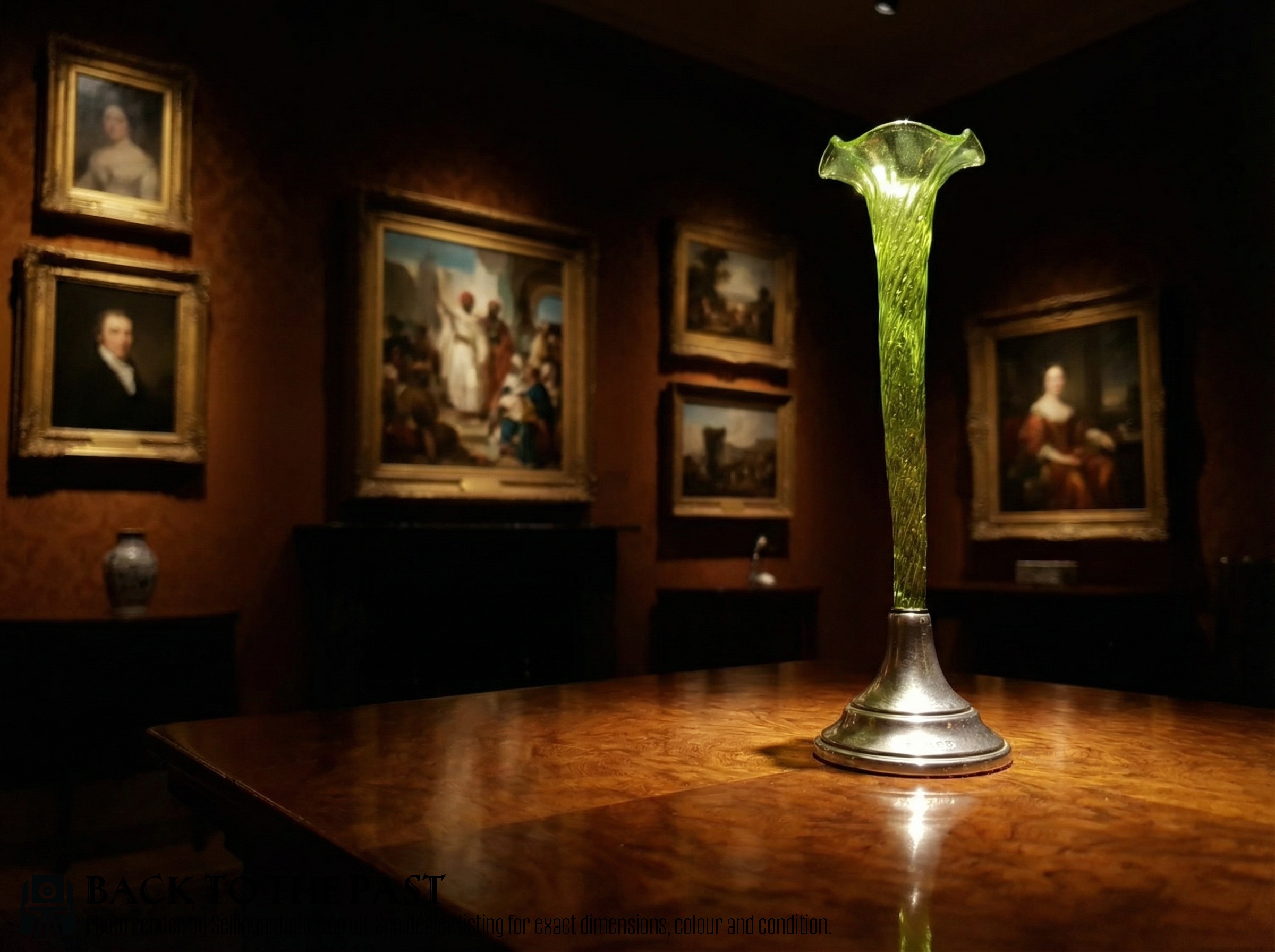
Edwardian glass vase forms and origins
An edwardian glass vase encompasses tall crystal lily vessels, slender flutes, and deep green glass receptacles produced around nineteen hundred.
The objects frequently combine hand-blown or cut glass bodies with sterling silver mounts, silver-plated collars, or coloured glass inserts.
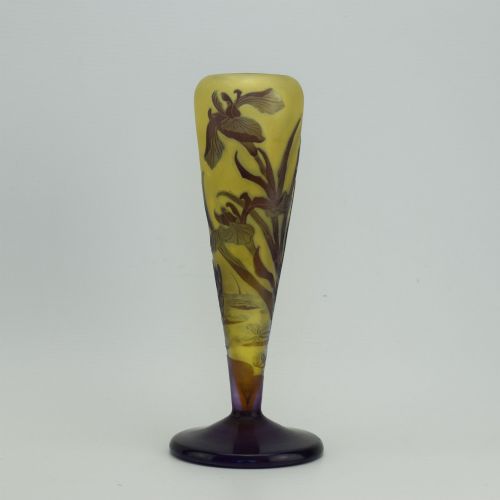
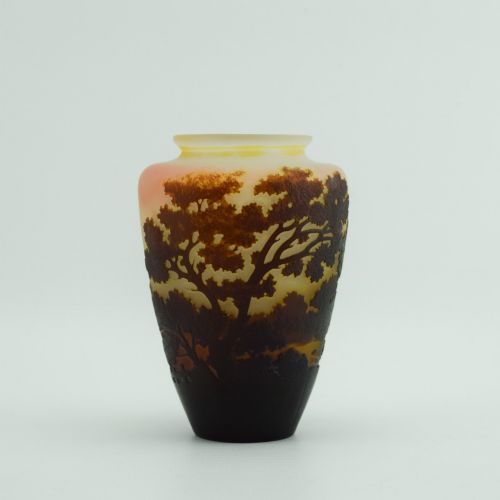
Continental influences appear alongside British production, merging domestic styles with continental Jugendstil and Art Nouveau aesthetics.
Materials and production methods
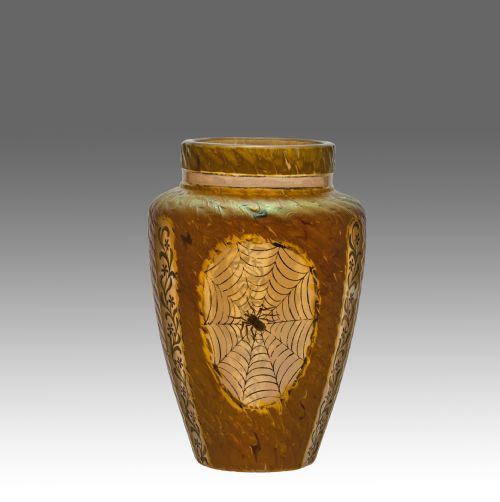
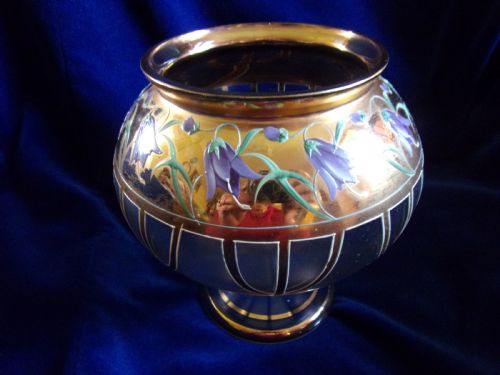
Maker workshops employed hand-blown glass, crystal, and vaseline glass, often incorporating gold leaf, enamel decoration, and white cane or pink trailing.
Cut glass examples display crisp faceting across heavy vessels, while others utilise optical blowing techniques to pattern the interior walls.
Metal components integrate directly with the glass, utilising sterling silver bases, rims, and hallmarked mounts.
Retail Price Guide 2026
Typical UK retail prices for edwardian glass vase, calculated from the Sellingantiques database of over a million retail prices indexed since 2003. This retail price guide relies exclusively on Sellingantiques data; no external sources or auction records are used, so the figures do not describe the wider market.
Listings demonstrate combinations of glass and silver, spanning clear crystal, vaseline glass, and cranberry glass across the nineteen hundreds.
Distinctions in craftsmanship
The hierarchy rests upon the weight of the crystal, the precision of the wheel-cut facets, and the deliberate harmony of applied silver mounts.
Pieces bearing signatures or attributable to notable makers display greater finesse in surface enamelling, gilding, and controlled optical blowing.
Loetz·James Powell·Moser
The Edwardian Glass Vase Glossary
- Vaseline glass
- A type of glass containing uranium dioxide that produces a distinct yellowish-green fluorescence under ultraviolet light. It appears frequently in period lighting and decorative vessels.
- Jugendstil
- The continental German-language variant of Art Nouveau that prioritised sinuous, organic lines. This stylistic influence reaches British glass through continental workshops.
- Optically blown
- A technique where molten glass is inflated inside a ribbed mould to create internal patterns before final shaping. This method produces repeating vertical optical effects in the body.
- Hyacinth vase
- A specialised tall vessel engineered with a narrow waist to support a bulb above water. Period examples often survive in pairs or larger collections.
- Cane decoration
- Coloured rods of glass fused into the surface of a hot vessel during formation. This technique creates linear white or tinted patterns within the clear or coloured body.
Frequently Asked Questions
What is vaseline glass?
Vaseline glass is a distinctive type of yellowish-green glass formulated with uranium dioxide during manufacture.
It glows brightly under ultraviolet light and was utilised for decorative vases and lighting components.
How do silver mounts date pieces?
Silver mounts often feature hallmarks that record assay offices, such as Chester, alongside specific date letters.
These stamps provide precise years of manufacture for the completed piece.
Are these pieces signed?
Certain pieces carry engraved signatures or factory marks from prominent glassmakers of the period.
Unsigned examples remain common, identified instead through material characteristics and stylistic execution.