

Green Art Glass
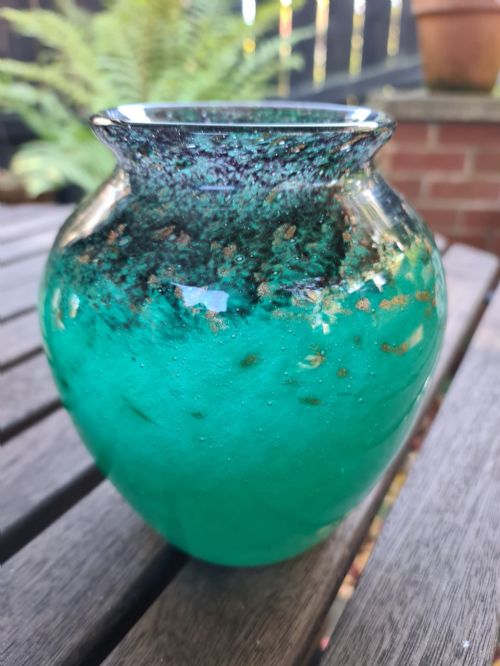
Green art glass brings together fluid organic forms and intense tones that define the height of twentieth-century design.
Green Art Glass
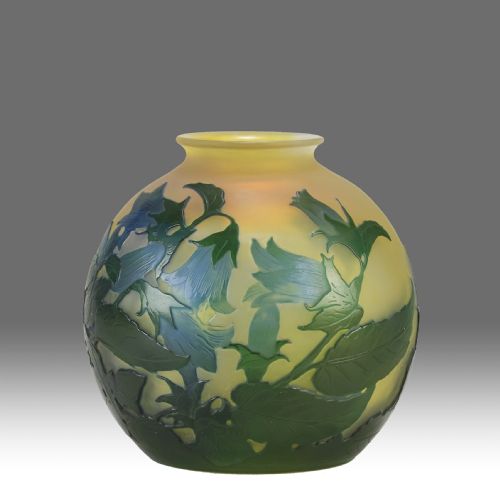
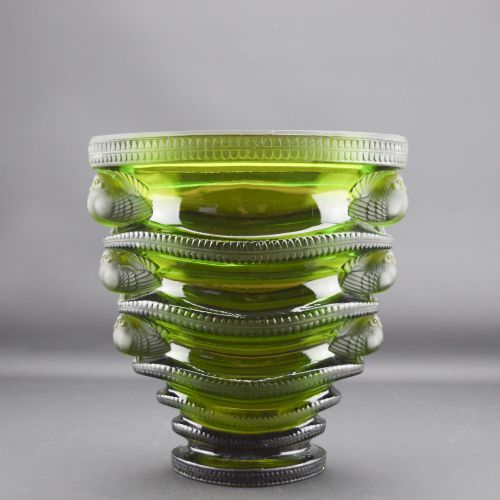
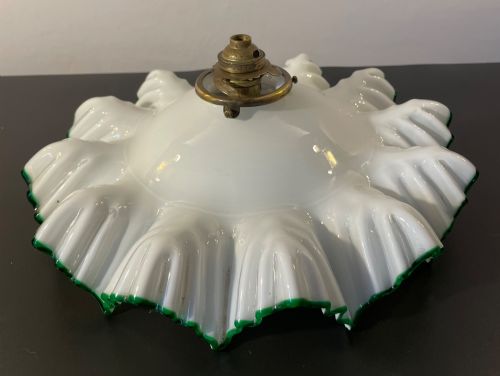
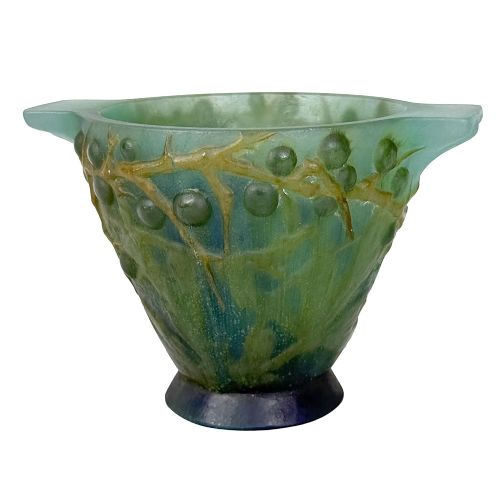
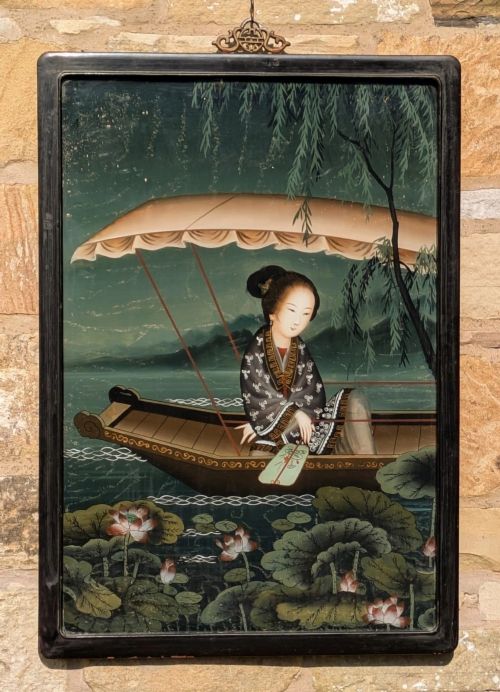
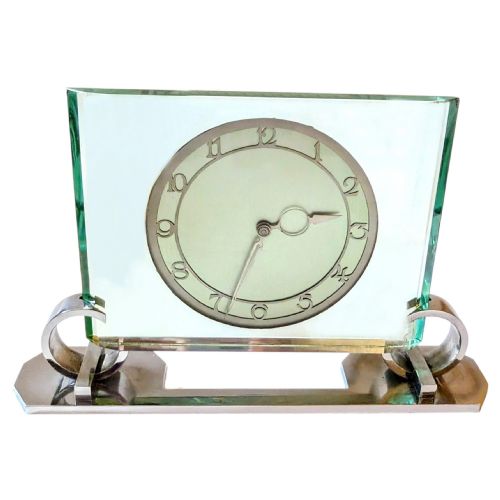
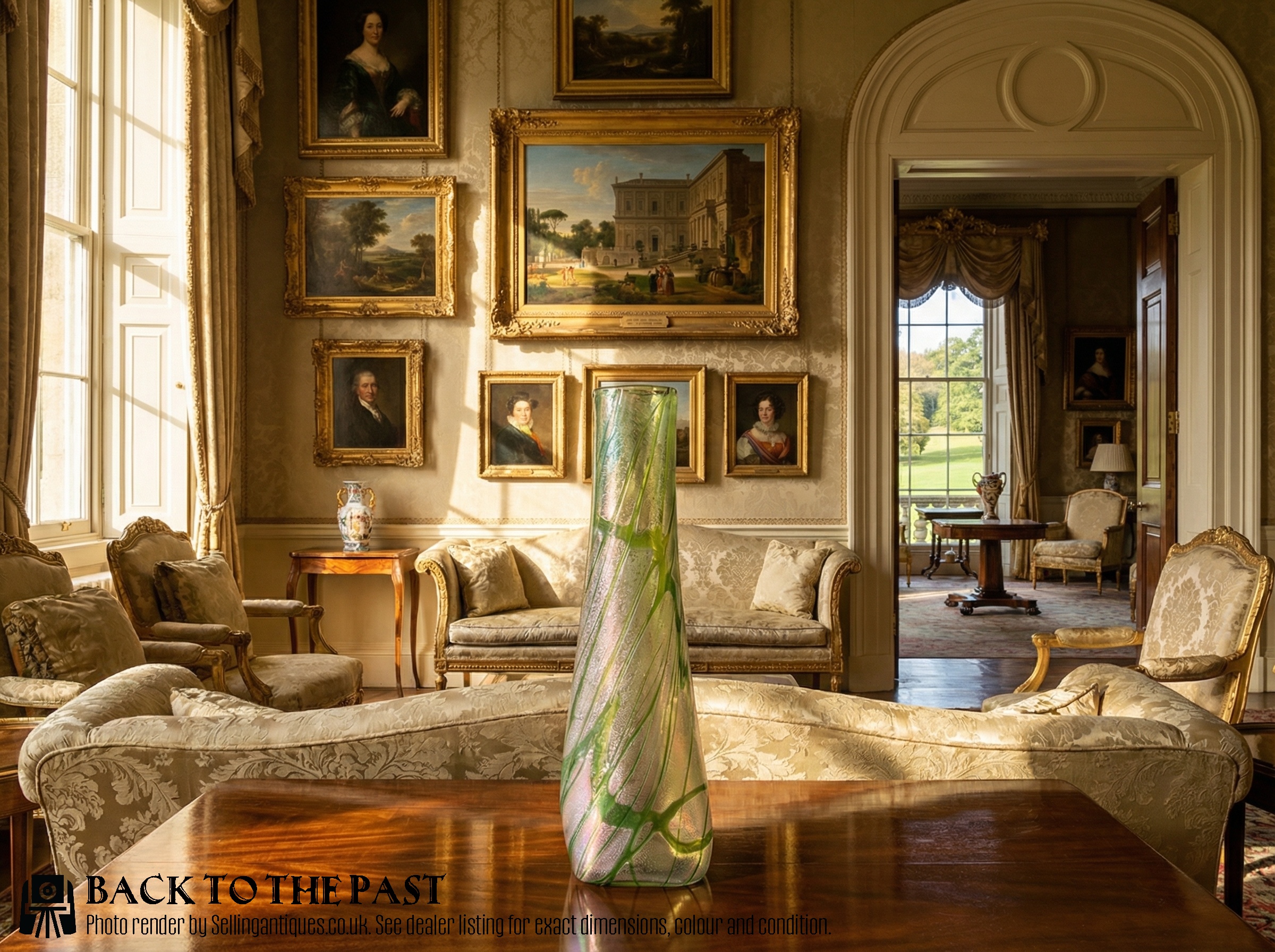
Green art glass encompasses vessels, lighting and decorative objects created primarily during the Art Nouveau and Art Deco periods. Buyers seeking this phrase encounter everything from iridescent cabinet vases to heavy pressed glass bowls and mirrored clocks.
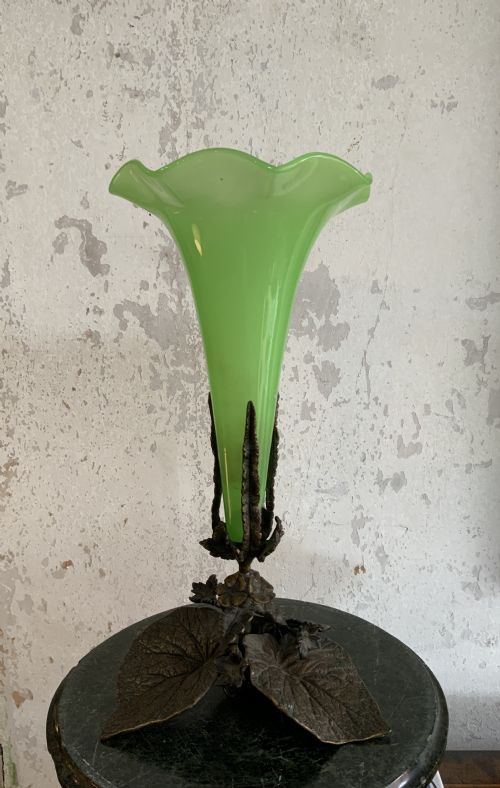
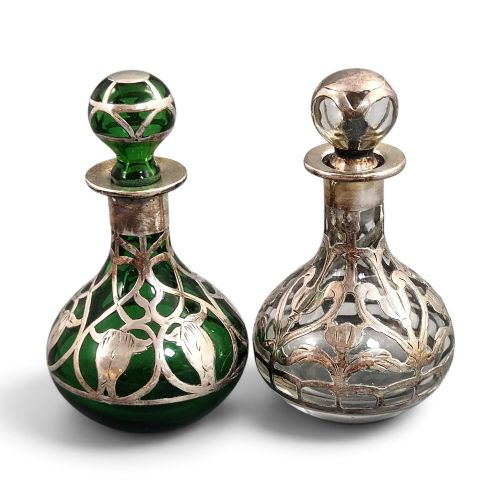
The selection ranges from turn-of-the-century organic creations by continental makers to geometric modernist pieces from the nineteen-thirties. Forms include slender trumpet vases, scent bottles mounted in sterling silver and sculptural centrepieces designed to catch the light.
How They Were Made
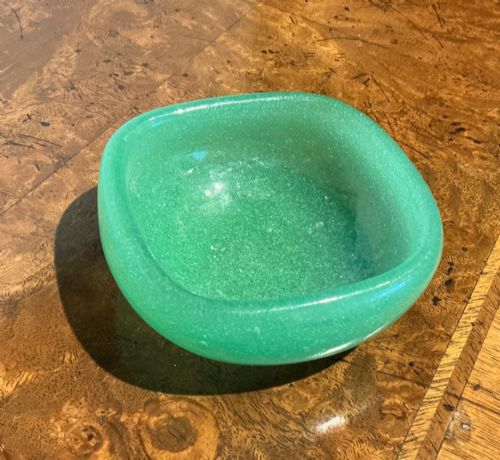
Makers achieved distinctive green hues by introducing metallic oxides into the molten batch, sometimes incorporating uranium to produce a vivid glowing chartreuse or adding aventurine inclusions to scatter metallic flakes through the body. Molten metal was then blown into moulds, shaped by hand or layered with contrasting glass threads.
Many items combine glass with metalwork, employing pewter, brass or silver overlay to secure the vessels or frame the edges. Techniques such as cameo carving, acid etching and enamel painting surface frequently on pieces from the early twentieth century.
Green Art Glass Retail Price Guide 2026
Typical asking prices for green art glass among the pieces listed under this phrase on Sellingantiques today, from the lower quarter to the upper quarter. They describe what is for sale here now, not the wider market.
Cats made of glass and metal cats with green glass eyes stand guard over the collection.
What Varies in Quality
Quality rests upon the ambition of the design and the skill required to manipulate the glass while hot. Pieces featuring complex surface treatments, such as multi-layered cameo carving or deliberate optical effects like iridescence, represent the upper tier of production.
The integration of metal mounts also dictates distinction, where heavy cast silver overlay or bespoke bronze frames complement the glass body rather than merely housing it. Maker attribution and the crispness of moulded or wheel-cut details further elevate individual examples.
Emile Gallé·Johann Loetz·Daum Frères·Rene Lalique·Venini
The Green Art Glass Glossary
- Uranium glass
- Glass containing small amounts of uranium dioxide, which causes the material to glow bright green under ultraviolet light.
- Cameo glass
- Vessels formed of two or more distinct layers of fused glass in contrasting colours, carved down to create raised relief designs.
- Pâte de verre
- A form of kiln-cast glass created by packing finely crushed glass paste into a mould and firing it until fused.
- Vaseline glass
- A transparent or translucent yellow-green glass that earned its colloquial name from its perceived resemblance to petroleum jelly.
- Iridescent glass
- Glass treated with metallic salts while hot to produce a shimmering, oil-slick surface effect that reflects rainbow colours.
Green Art Glass: Frequently Asked Questions
How do I display green art glass?
Place vases and bowls near natural light sources to allow sunlight to pass through the coloured body and illuminate internal details. Pairing items with neutral backgrounds helps emphasise the intensity of the green tones.
Avoid overcrowding shelves so that individual silhouettes remain visible. Items with metal mounts benefit from stable placement away from damp areas to protect the surrounding metalwork.
Is uranium glass safe to own?
Uranium glass contains low levels of radioactive material used as a colourant during the manufacturing process. The radiation emitted is minimal and generally considered safe for display purposes.
These pieces should not be used for serving food or acidic liquids on a regular basis. Normal handling during cleaning and placement poses no risk.
How do I clean antique glass?
Wash glass items gently in lukewarm water using mild, non-abrasive soap. Support heavy bases with one hand while cleaning to prevent accidental knocks against ceramic sinks.
Dry the pieces thoroughly with a lint-free cloth to prevent water spots. Avoid immersing items with glued metal mounts or delicate enamel painted surfaces in water.
How do I tell Art Nouveau from Art Deco?
Art Nouveau pieces, produced around nineteen hundred, feature flowing asymmetrical lines inspired by natural forms such as stems, flowers and insect wings. The glass often displays iridescent finishes and organic contours.
Art Deco items, dating from the nineteen-thirties, rely on strict symmetry, geometric patterns and clean architectural shapes. The glass from this later era tends to be heavier, sometimes utilising pressed malachite or mirrored panels.