
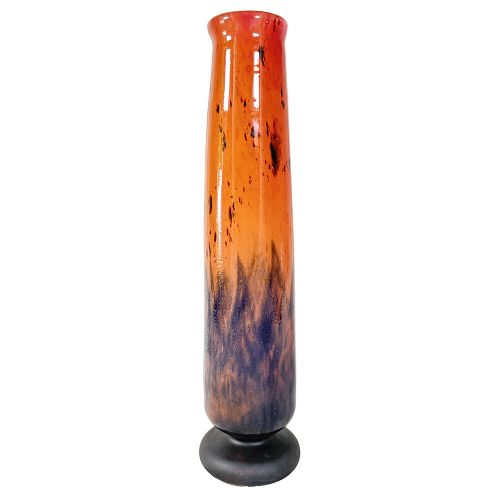
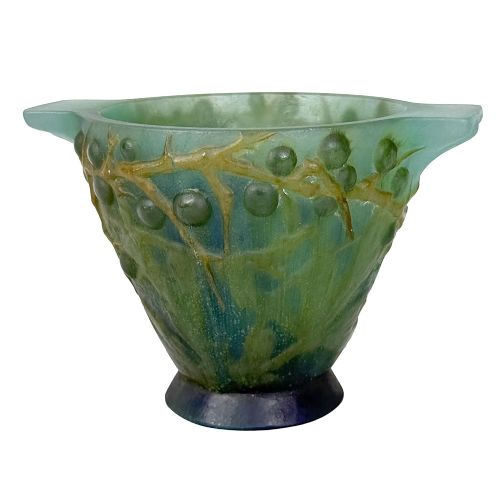
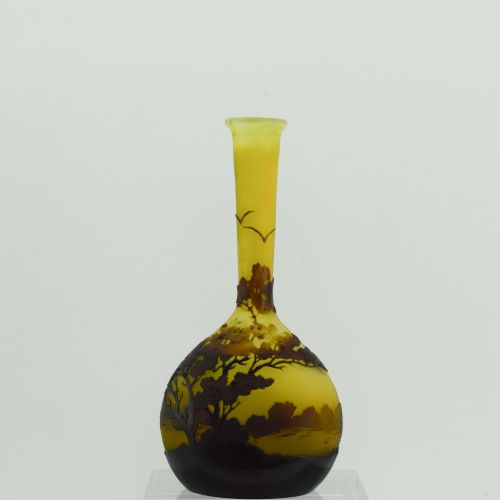
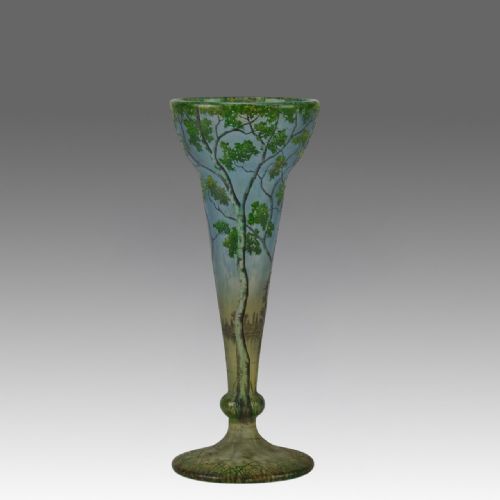
French Art Glass Vase
A French art glass vase brings organic colour and tactile weight to a room, drawing the eye with the fluid curves of the Belle Epoque and Art Deco periods.
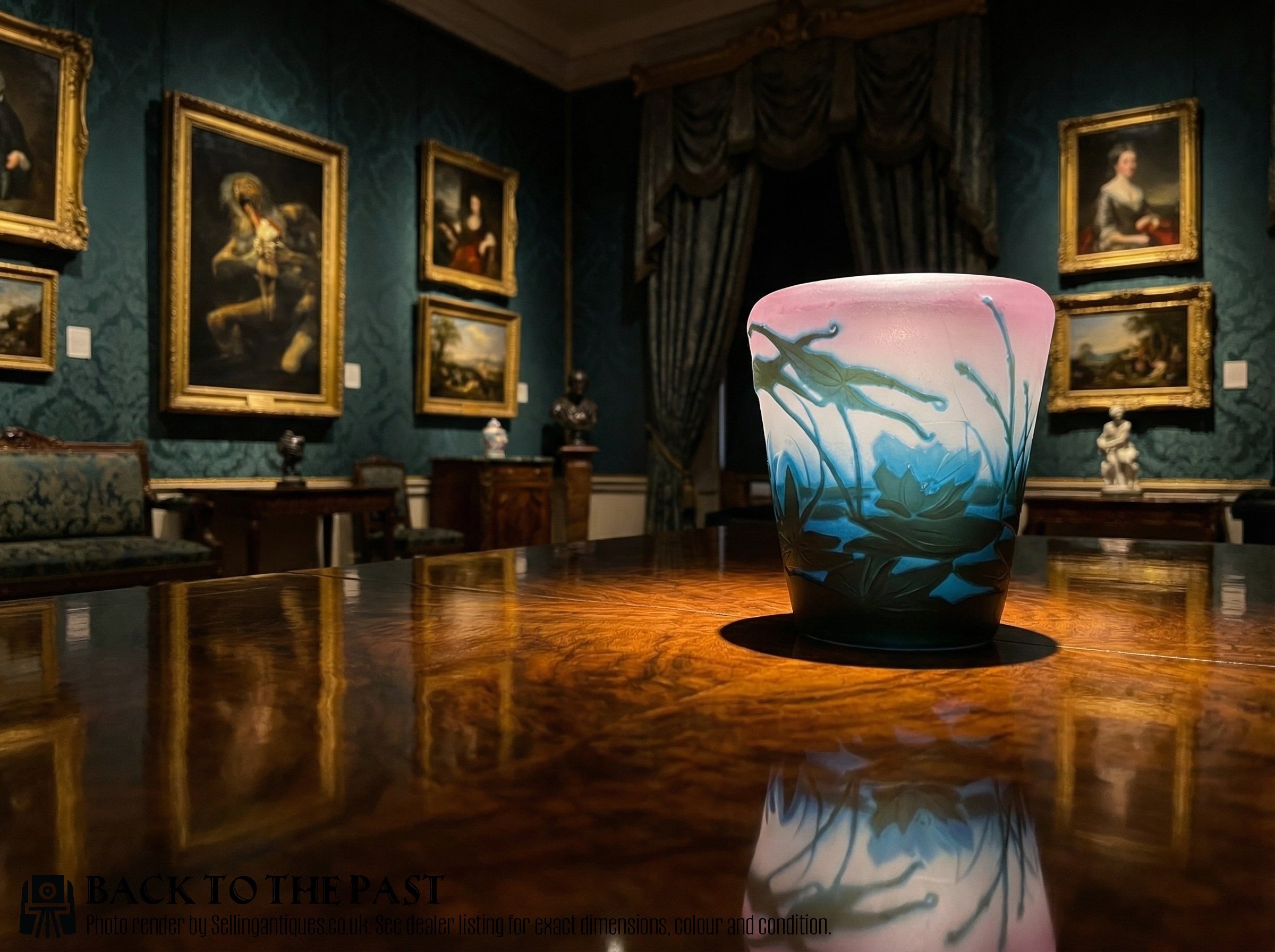
French Art Glass Vase
A search for a french art glass vase reveals decorative vessels shaped during movements spanning the late nineteenth century into the interwar decades. The selection centres heavily on two distinct aesthetic chapters, moving from the natural botanical motifs of Art Nouveau to the geometric abstraction of Art Deco.
Vases dominate the offerings, alongside decorative bowls and table centrepieces designed to catch the light. Most examples stem from celebrated French houses and master makers working in periods marked by rapid technical innovation in glass production.
Collectors encounter vessels defined by sculptural relief, coloured layers, and distinctive surface textures. These pieces reflect the shifting tastes of French design from the turn of the century through the nineteen-thirties.
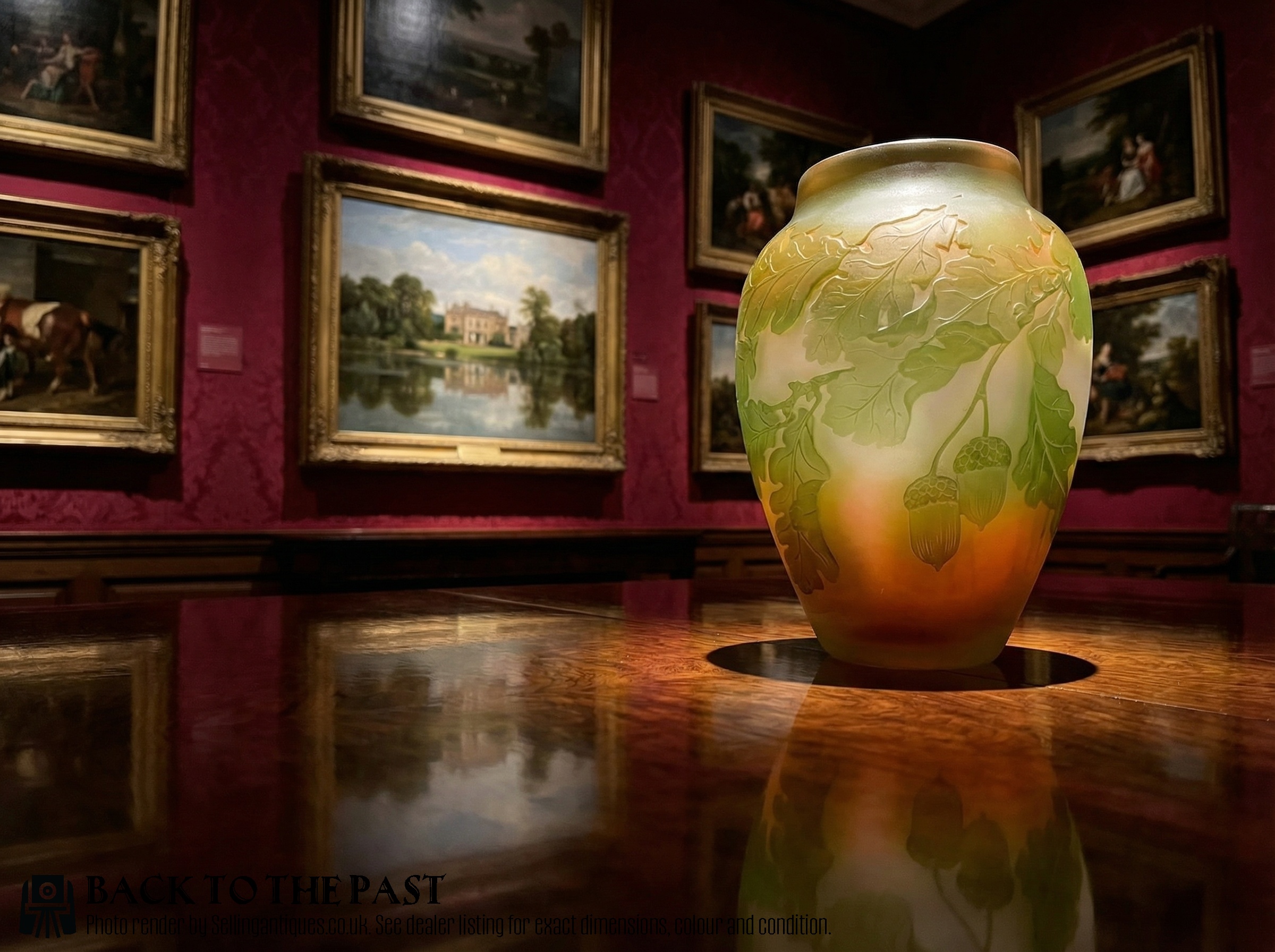
How they were made
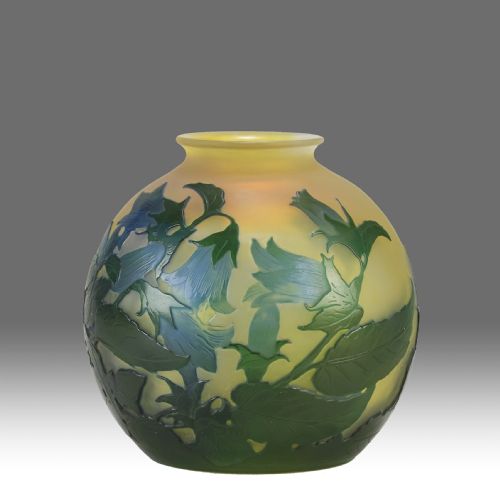
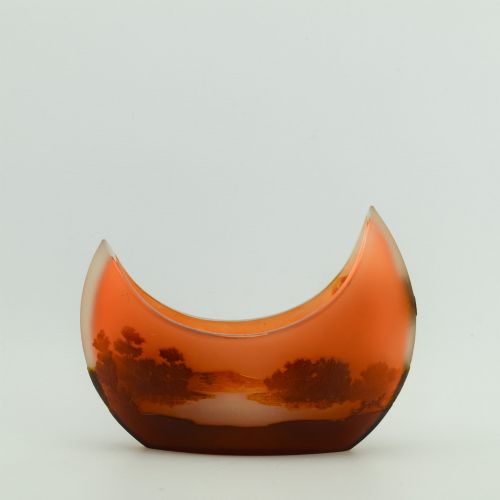
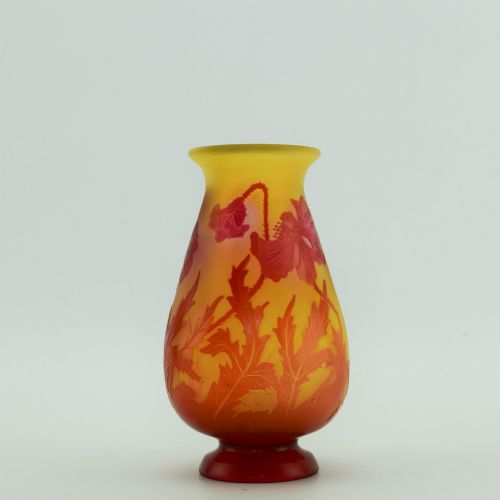
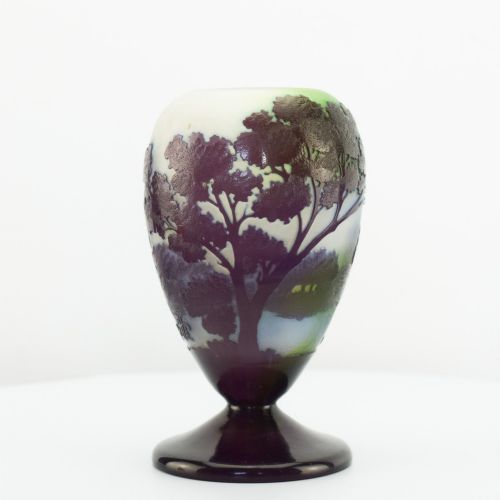
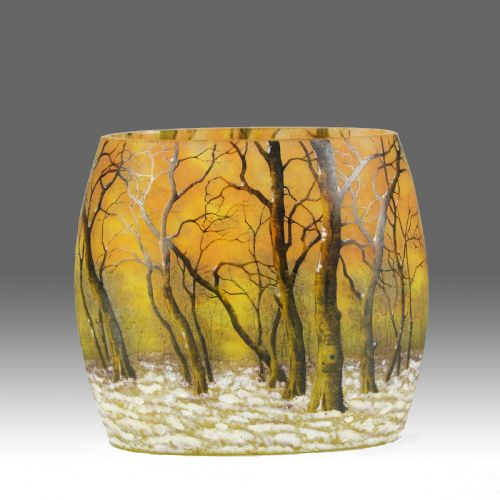
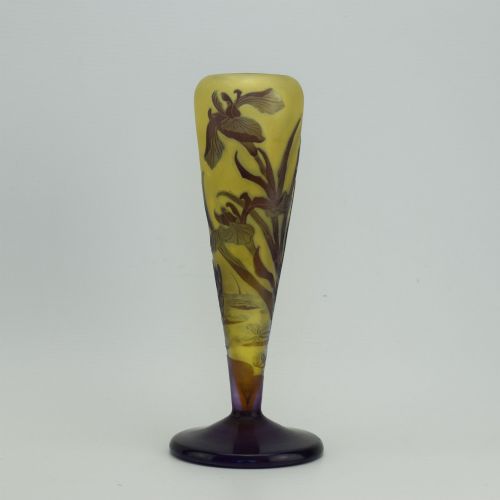
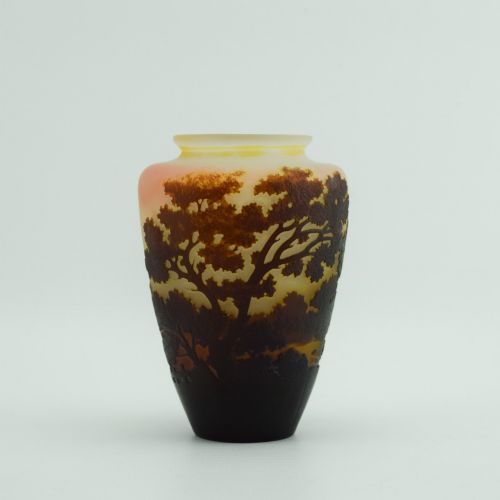
Makers utilised complex layering techniques to build depth, fusing different coloured strata of glass before carving the exterior by hand or acid-etching the design into the surface. Cameo glass vessels required patient removal of outer layers to reveal contrasting floral or landscape motifs against a lighter background.
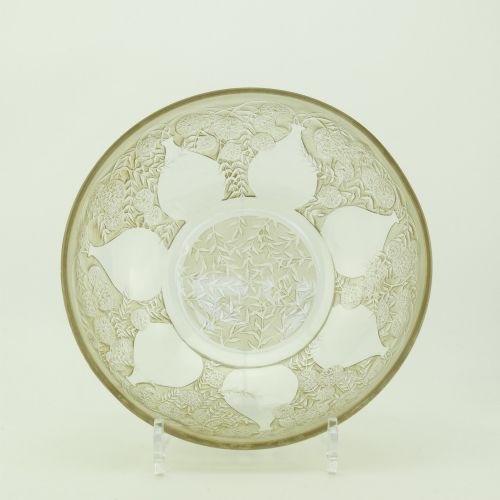
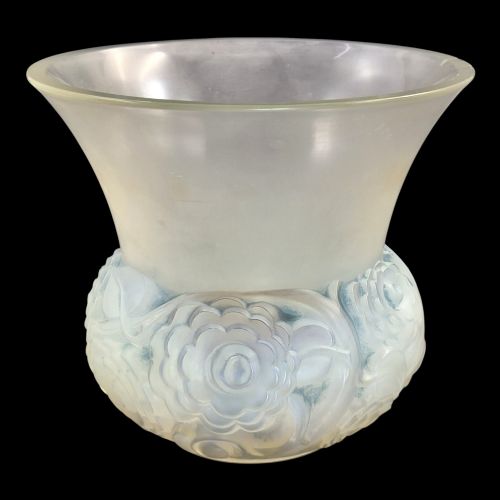
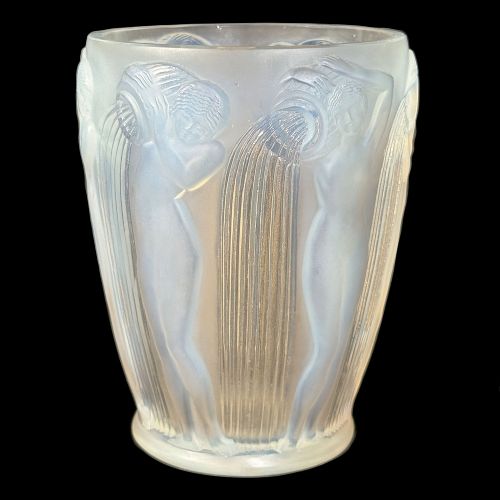
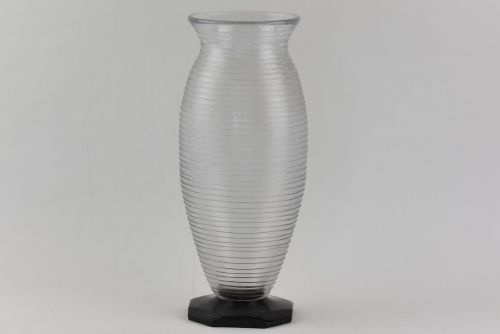
Moulded and frosted glass gained prominence as production methods modernised, allowing ateliers to create opalescent finishes that caught shifting light within the material. Enamel decoration and paste gilt details were frequently applied by hand to accent botanical patterns on clear or coloured crystal bodies.
Some works incorporated contrasting elements such as wrought iron mounts or metal collars to complement the heavy glass vessel. Ateliers balanced chemical composition and thermal manipulation to achieve crackle effects, bubble inclusions, and deep colour saturation.
French Art Glass Vase Retail Price Guide 2026
Typical asking prices for french art glass vase among the pieces listed under this phrase on Sellingantiques today, from the lower quarter to the upper quarter. They describe what is for sale here now, not the wider market.
Listings feature French art glass spanning the Belle Epoque, Art Nouveau, and Art Deco movements, utilising cameo, opalescent, and frosted glass.
What varies in quality
Depth of carving and clarity of undercut detail distinguish the finer cameo vessels from simpler production pieces. The crispness of the acid bite or the precision of hand-tooling dictates how sharply the floral or landscape design stands away from the body.
Material handling and optical effects separate standard items from exceptional studio output. Superior opalescent and coloured glass exhibits an inner fire and subtle play of light that cheaper formulations fail to capture.
Signature placement and the integration of decoration with the underlying form reveal the mastery of the maker. Ateliers achieved higher artistic merit when the natural contours of the blown vessel harmonised fully with the etched or enamelled scene.

Emile Galle·Daum Freres·Rene Lalique·Legras·Schneider·Amalric Walter·Jean Luce·Pierre D Avesn·Sabino
The French Art Glass Vase Glossary
- Cameo Glass
- Glass vessels formed of two or more distinct layers of different colours fused together, where parts of the outer layer are carved or etched away to create a raised design. This demanding technique creates strong tonal contrasts between the foreground motif and the background.
- Acid-Etched Glass
- A method where acid eats away exposed portions of a glass surface through a protective wax or resin resist. This process allows makers to achieve fine lines and frosted textures without manual cutting.
- Opalescent Glass
- A type of glass that displays milky, pearlescent highlights shifting between blue and amber tones when lit. It became a hallmark of interwar modernist design.
- Pate de Verre
- A kiln-casting method where finely crushed glass is mixed with a binder and fired within a mould. The resulting material possesses a dense, sugary texture and rich colour saturation.
- Epergne
- A large table centrepiece featuring a central vase surrounded by smaller detachable hanging vases or baskets. These multi-part glass and metal constructions served as elaborate table decorations.
French Art Glass Vase: Frequently Asked Questions
How do I identify Art Nouveau pieces?
Art Nouveau vessels typically feature flowing botanical motifs, including irises, water lilies, and scrolling vines that wrap naturally around the body of the vase. The forms lean towards organic, plant-like silhouettes with cameo carvings or enamel work.
These pieces generally date from the turn of the twentieth century and rely on earthy colour palettes of greens, browns, and oranges to evoke natural landscapes.
What defines Art Deco glass?
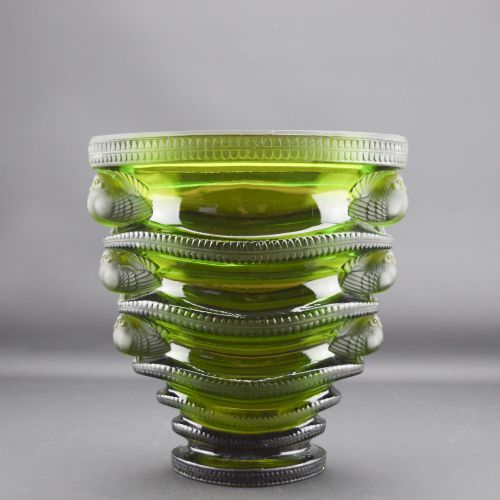
Art Deco designs turn away from natural curves in favour of symmetry, geometric patterns, and stylised animal or human figures. The silhouettes appear heavier and more architectural, often utilising clear, frosted, or opalescent glass.
Production dates cluster around the nineteen-twenties and thirties, reflecting modernist shifts in interior ornamentation and manufacturing techniques.
How should I display heavy crystal bowls?
Heavy crystal centrepieces and bowls require sturdy surfaces capable of supporting substantial weight, particularly when pieces exceed ten kilograms. Position them away from direct foot traffic edges to ensure stability.
Natural daylight or directional interior lighting enhances opalescent qualities and highlights the depth of coloured glass layers without generating excessive heat.
What is cameo glass?
Cameo glass is formed by fusing multiple layers of coloured glass together before carving away the exterior layer to leave a raised design. This technique requires exceptional skill to maintain even thickness across the background while exposing the motif.
The resulting vessels display striking colour contrasts between the foreground subject and the underlying body.