




French Art Nouveau Glassware
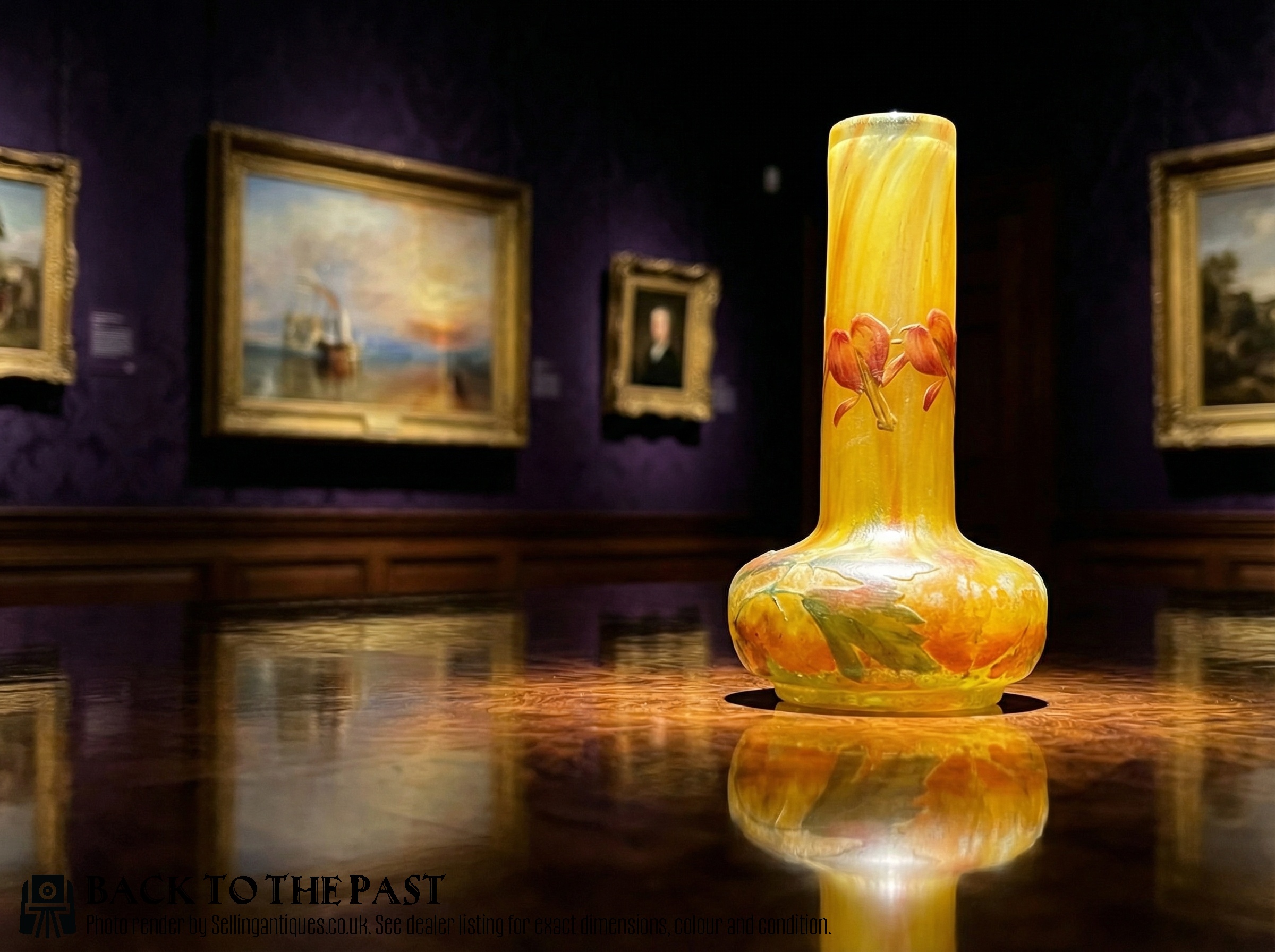
French art nouveau glassware brings organic botanical lines and rich coloration into the interior, offering collectors sculptural vessels shaped by nature.
French Art Nouveau Glassware
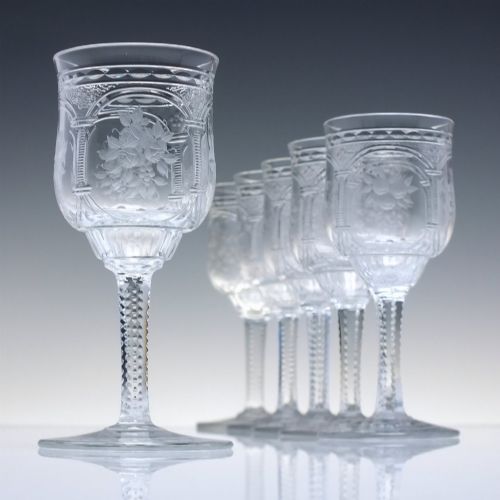
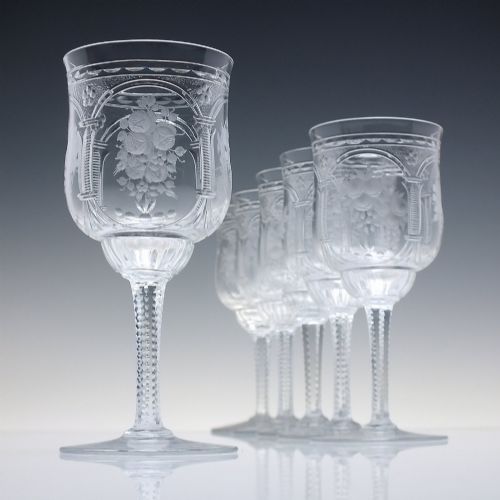
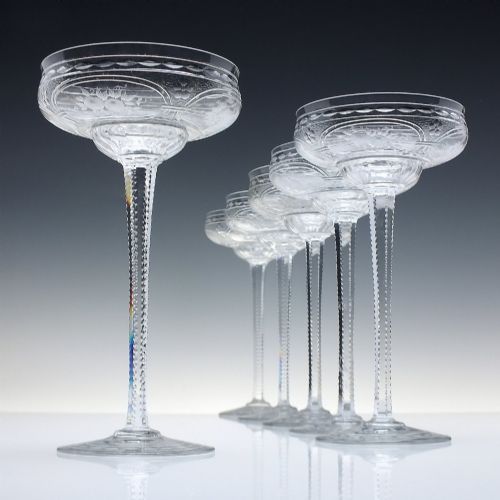
When you search for french art nouveau glassware, you encounter decorative objects designed to capture the fluid lines of the natural world. Vases, ice buckets, decorative plates, and shot glasses dominate the selection, bringing floral and landscape motifs into functional domestic forms.
The pieces on this page span the late nineteenth century into the early decades of the twentieth century. Production dates cluster around nineteen hundred, representing the height of the movement alongside later transitional works extending into the nineteen thirties.

How they were made
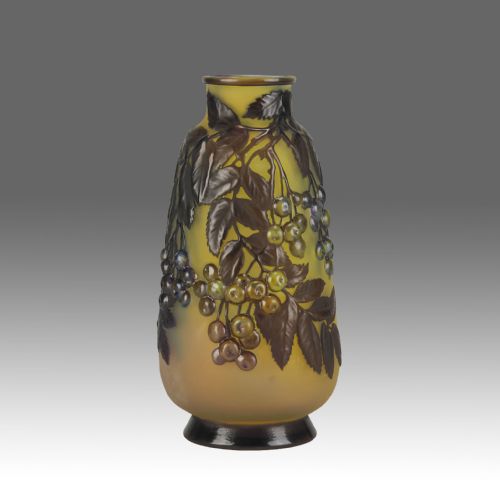
Makers utilised layered glass techniques, working with cameo glass and acid-etched glass to reveal contrasting colours beneath the surface. Molten material was manipulated through blowing and moulding, creating depth within the body of each vessel before surface details were applied.
Detailing frequently involved enamel and gold leaf, applied by hand to accentuate botanical subjects such as lotus, honeysuckle, and poppies. Metal mounts in brass also appear, providing structural support or decorative framing for the glass bodies.
French Art Nouveau Glassware Retail Price Guide 2026
Typical asking prices for french art nouveau glassware among the pieces listed under this phrase on Sellingantiques today, from the lower quarter to the upper quarter. They describe what is for sale here now, not the wider market.
Gold leaf and brass elements frequently accompany the glass bodies, adding metallic contrast to the organic botanical motifs.
What varies in quality
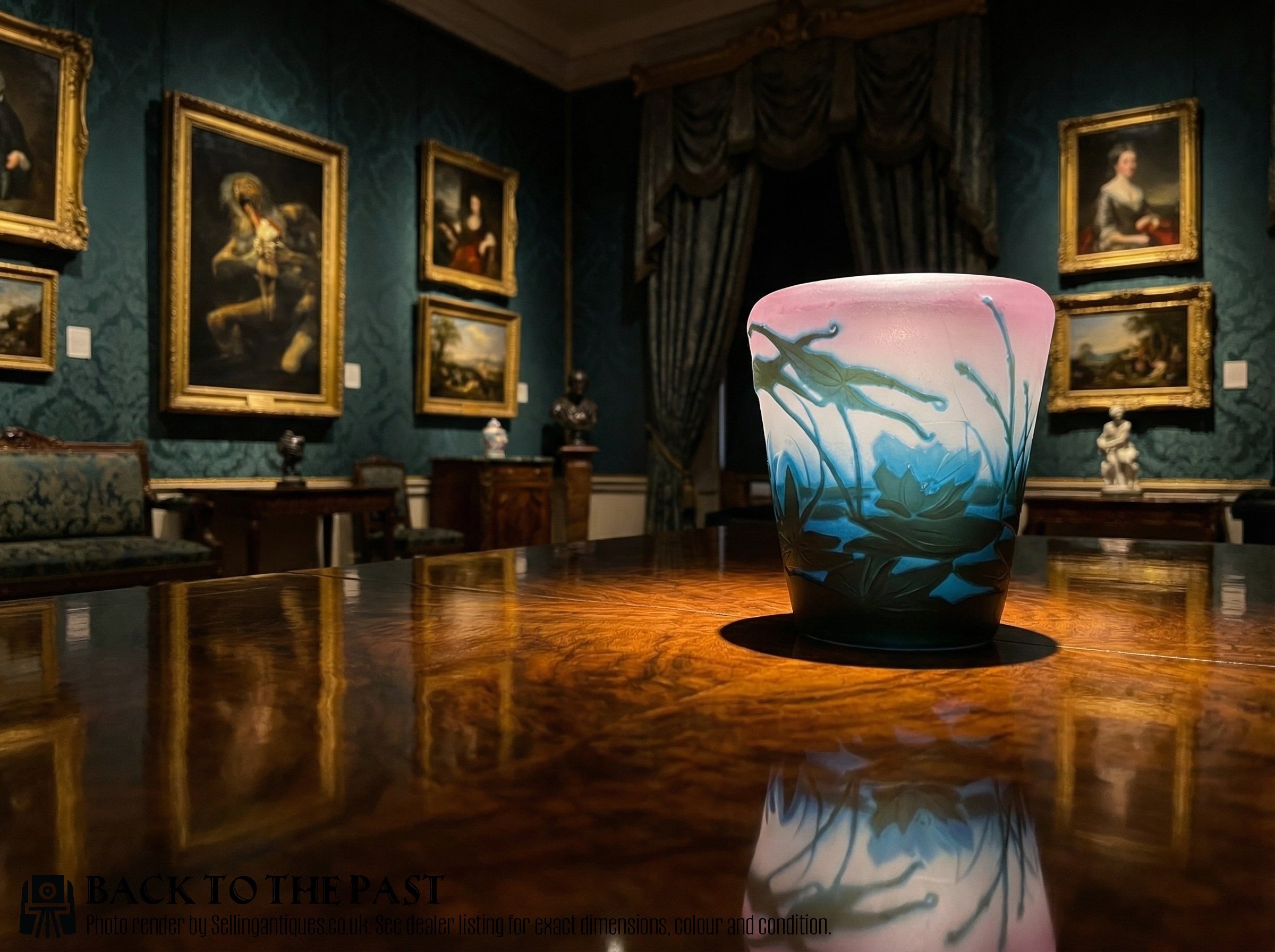
Quality rests upon the depth of the carving and the precision of the acid etching, which determine how successfully the layered glass renders botanical forms in relief. Superior pieces display careful control over the gradation of colour across the cameo layers, particularly in complex landscape or floral designs.
The execution of the surface enamelling and gilding dictates the refinement of the finished object. Stronger examples integrate the enamel seamlessly with the glass texture, whereas lesser pieces show heavier, less integrated surface application.
Gallé·Daum·Legras·Rene Lalique·Paul Nicholas for D'Argental
The French Art Nouveau Glassware Glossary
- Cameo Glass
- Glass vessels formed of two or more distinct layers of colours fused together, allowing craftsmen to carve away exterior layers to create raised designs. This method requires steady control of cutting wheels or acid baths to expose the background cleanly.
- Acid-Etched Glass
- Glass decorated by submerging the material in an acid bath, using a resist to protect areas that remain untouched. The process creates frosted textures and subtle depth variations across the design.
- Enamel
- Opaque or translucent powdered glass fused to the surface of a vessel through firing. It adds vibrant colour details and metallic highlights to the underlying glass body.
- Blow-Out Vase
- A cameo glass technique where hot glass is blown into a metal mould featuring a high-relief design, forcing the material into the recesses to create a three-dimensional surface.
French Art Nouveau Glassware: Frequently Asked Questions
How do I identify genuine cameo glass?
Examine the surface under magnification to check that the raised design is carved from the actual body of the glass rather than applied as a separate glued element. Genuine layered pieces show a continuous fusion between the background and the relief motif.
Look also for signatures or marks incorporated directly into the design during the etching or cameo-cutting process, which distinguish period workshop production from later reproductions.
What subjects appear on these pieces?
Botanical motifs form the core of the decorative vocabulary, featuring flowers like honeysuckle, begonias, poppies, and water lilies alongside foliage and aquatic themes. Landscapes also feature prominently, particularly wooded scenes and regional views.
Fauna and insect life occasionally supplement the floral compositions, maintaining the naturalistic focus characteristic of the period style.
How should I display these glass pieces?
Position vessels near natural light sources to allow the translucent qualities of the glass and the layered cameo colours to illuminate fully. Shelving with adequate depth and stable support ensures the safety of heavier vases and ice buckets.
Keep pieces away from direct heat sources and abrasive cleaning materials to preserve the delicate enamel and gold leaf decorations on the surface.
Are these items suitable for everyday use?
Most decorative vessels and cameo glass pieces serve primarily as display objects rather than functional tableware. Items like ice buckets and shot glasses were originally made for dining use, but their age and delicate surface treatments require careful handling.
Hand washing with mild soap is necessary for any piece that sees occasional use, avoiding dishwashers entirely to protect the historic glass and metal components.