




Art Nouveau Cameo Glass
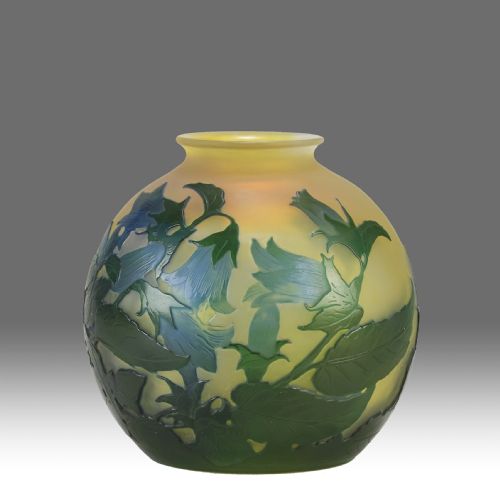
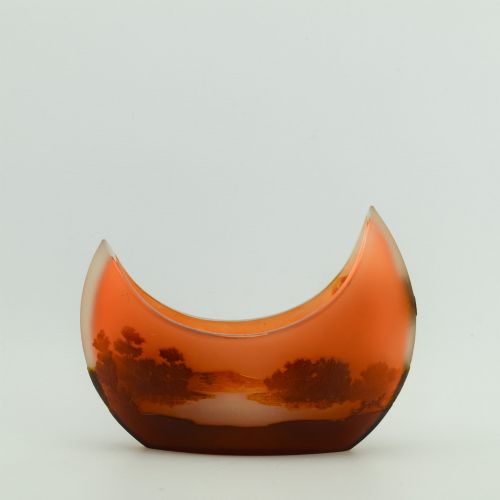
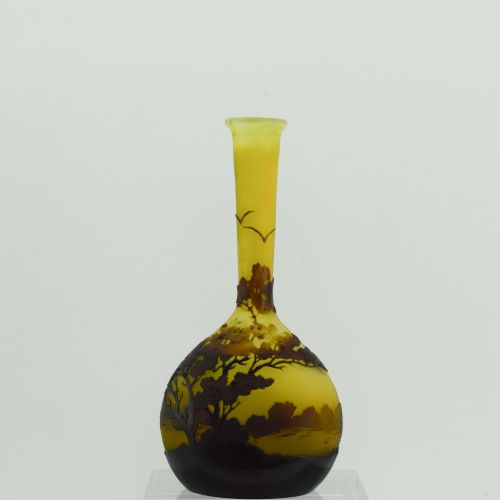
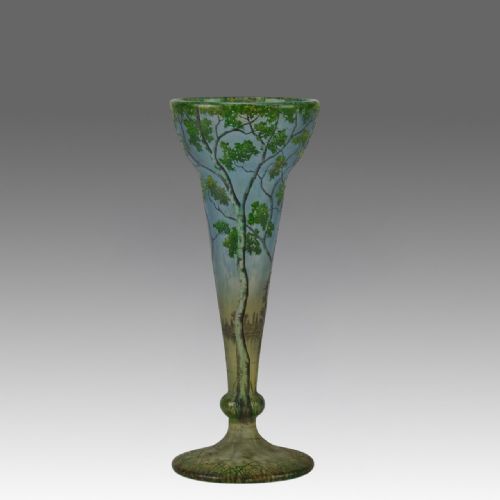
Art nouveau cameo glass combines layered multi-coloured vessel forms with acid-etched botanical or landscape motifs that collectors prize for their fluid organic lines.
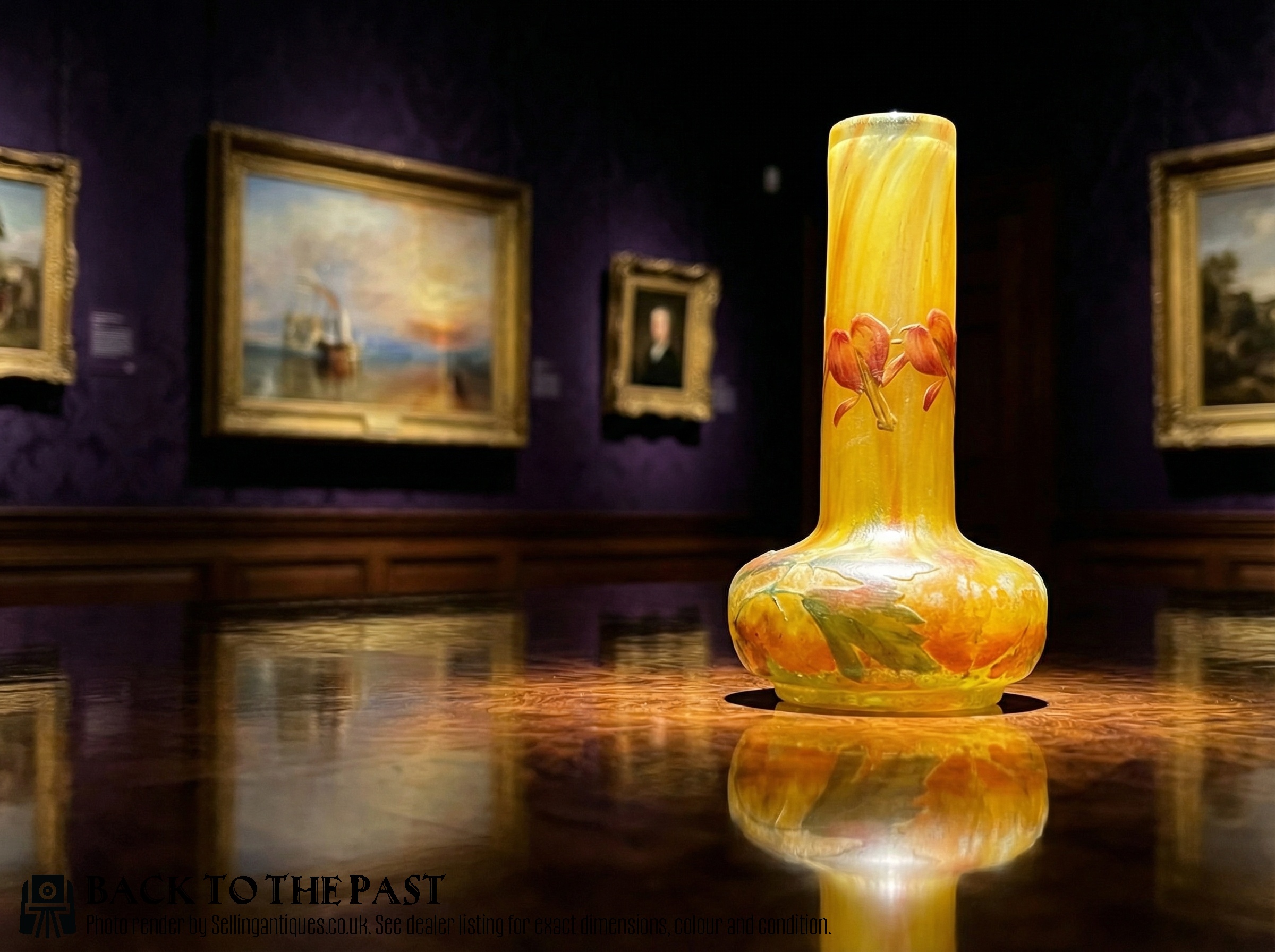
Art Nouveau Cameo Glass
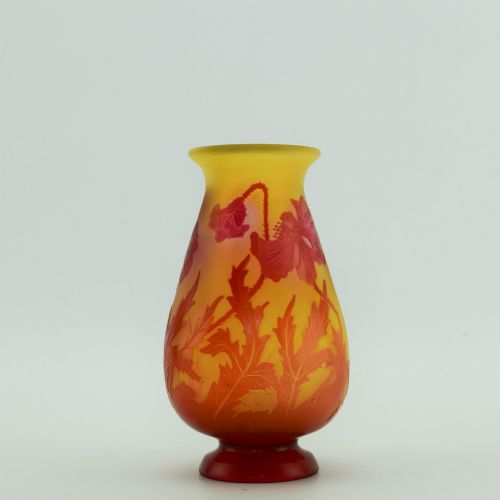
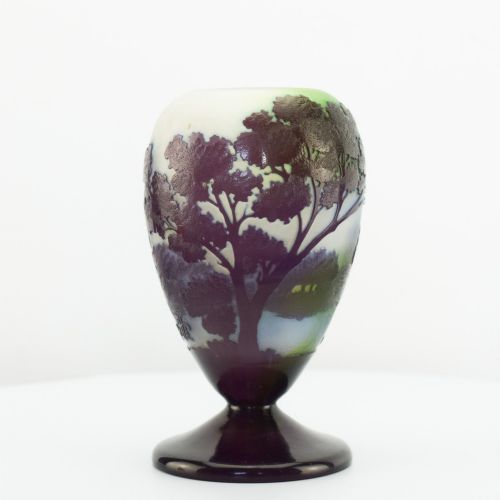
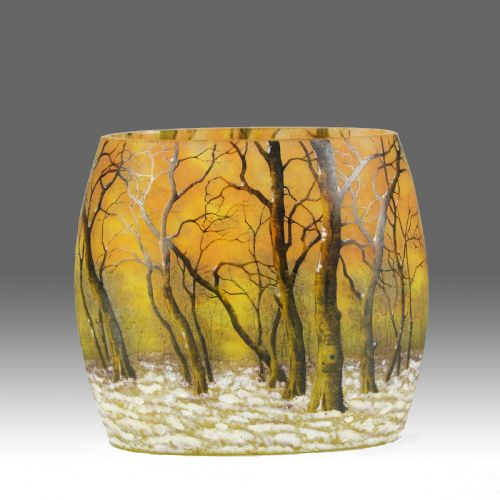
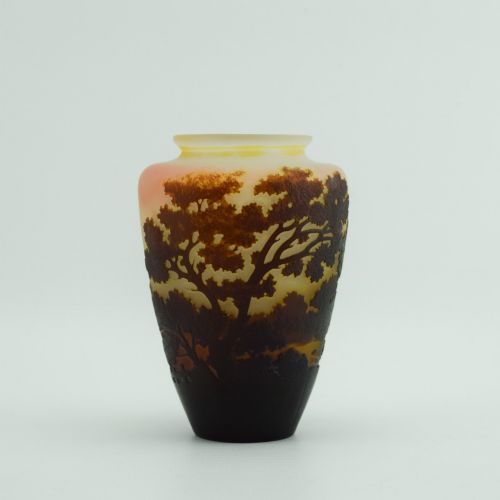
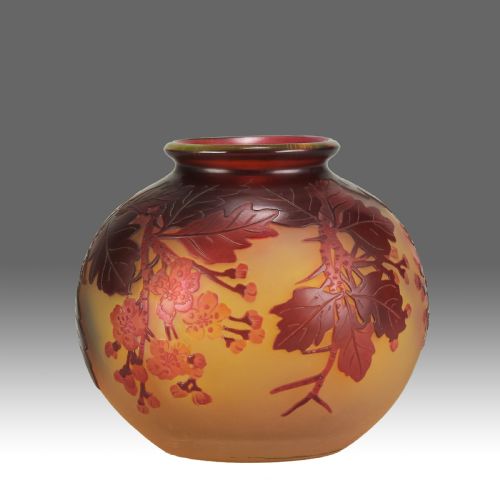
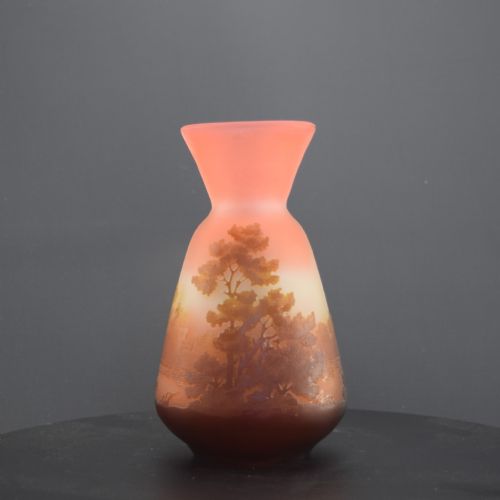
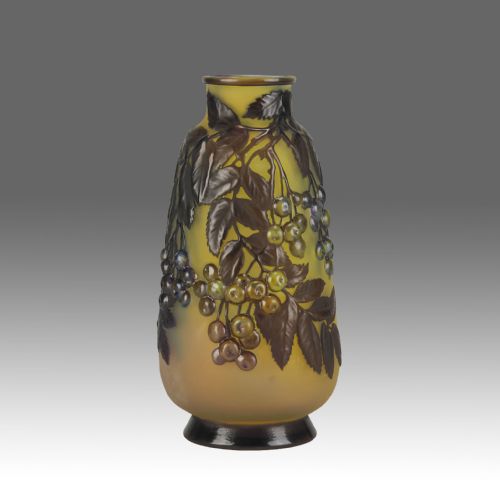
When you search for art nouveau cameo glass, you encounter sophisticated vessels shaped as vases, table lamps, decanters, jugs, and decorative bowls originating from the late nineteenth and early twentieth centuries. These objects display characteristic organic silhouettes and nature-inspired imagery ranging from delicate floral stems to expansive winter landscapes.
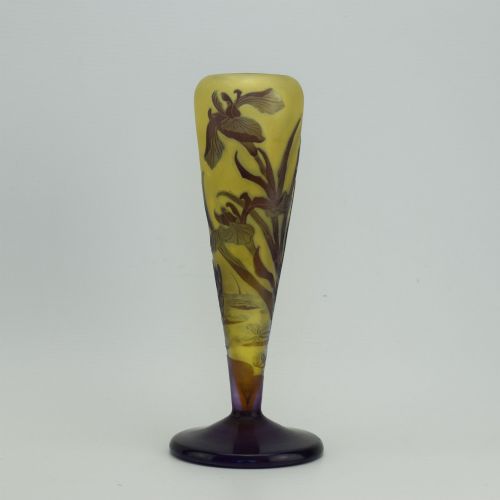
The pieces you meet most frequently on this page date predominantly from the 1900 to 1920 period, reflecting the height of French studio glass production. Vases dominate the selection, appearing in forms from slender banjo profiles to large oviform shapes and footed vessels.
Makers utilised distinct regional styles rooted in French glassmaking centres, applying multi-layered glass techniques to create depth and shadow within the naturalistic designs.
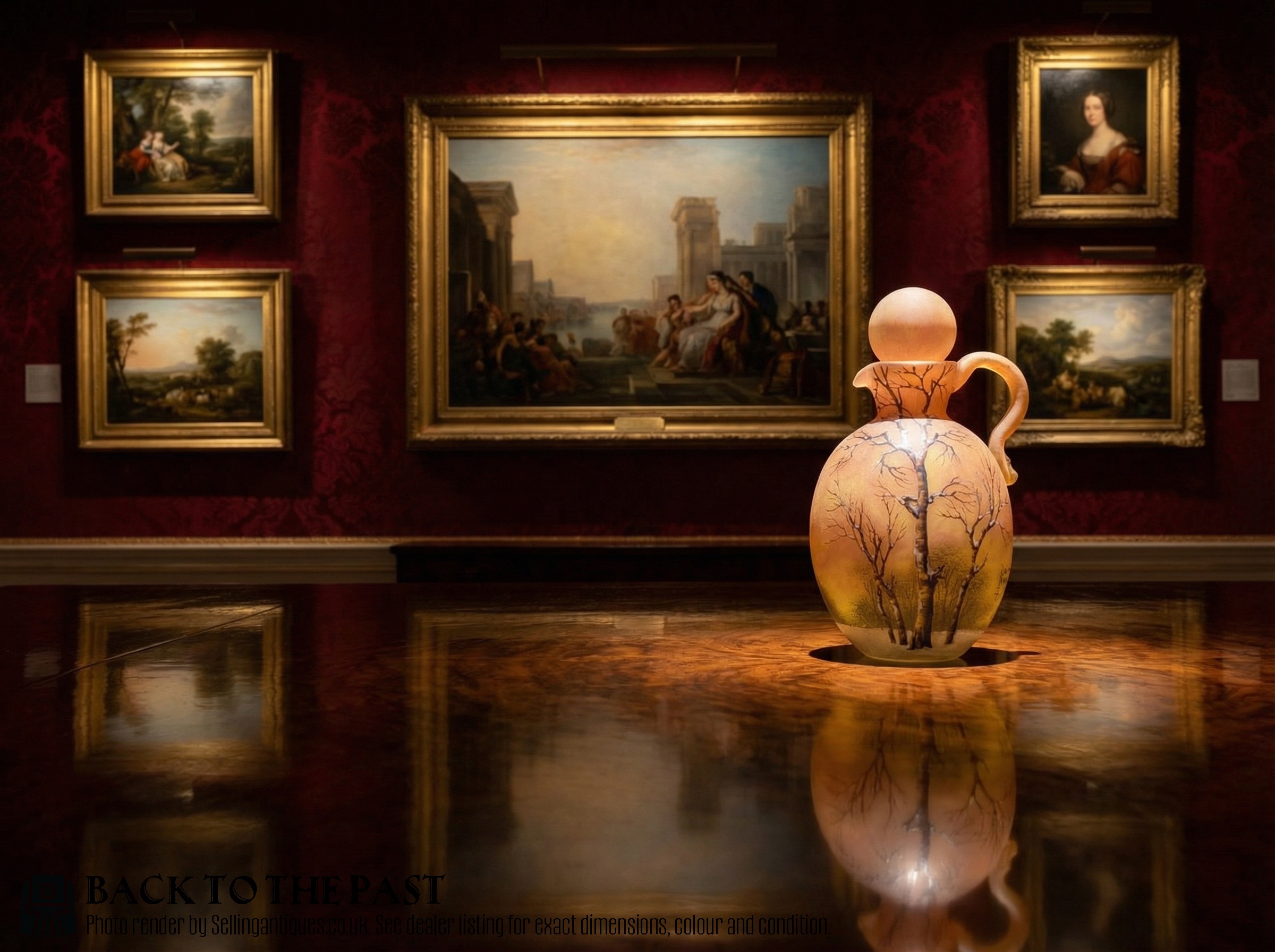
How they were made
Artisans constructed these vessels using multiple layers of coloured glass fused together while molten, creating contrasting strata that revealed different hues when carved down. Craftsmen then utilised acid-etching techniques alongside wheel-carving and enamelling to cut through the outer layers and define intricate details like poppy petals, water lilies, and woodland trees.
Certain ambitious forms incorporated gold leaf, bronze mounts, or frosted glass surfaces to heighten the visual texture of the finished piece. The interplay between opaque cameo reliefs and translucent background layers required precise control during both the glassblowing and chemical treatment stages.
Art Nouveau Cameo Glass Retail Price Guide 2026
Typical asking prices for art nouveau cameo glass among the pieces listed under this phrase on Sellingantiques today, from the lower quarter to the upper quarter. They describe what is for sale here now, not the wider market.
What varies in quality
The distinction between standard production and the finest output rests upon the depth of the carving and the complexity of the glass layering. Pieces at the upper end of the range exhibit multiple distinct colour strata that allow for subtle tonal gradients in floral motifs and landscape horizons, whereas simpler examples rely on two contrasting layers with basic surface etching.
The sophistication of the design execution, such as detailed wheel-engraving over the acid-etched ground, elevates certain vessels significantly. Signature clarity and the harmonious integration of natural forms with the vessel shape also determine the distinction of individual works.
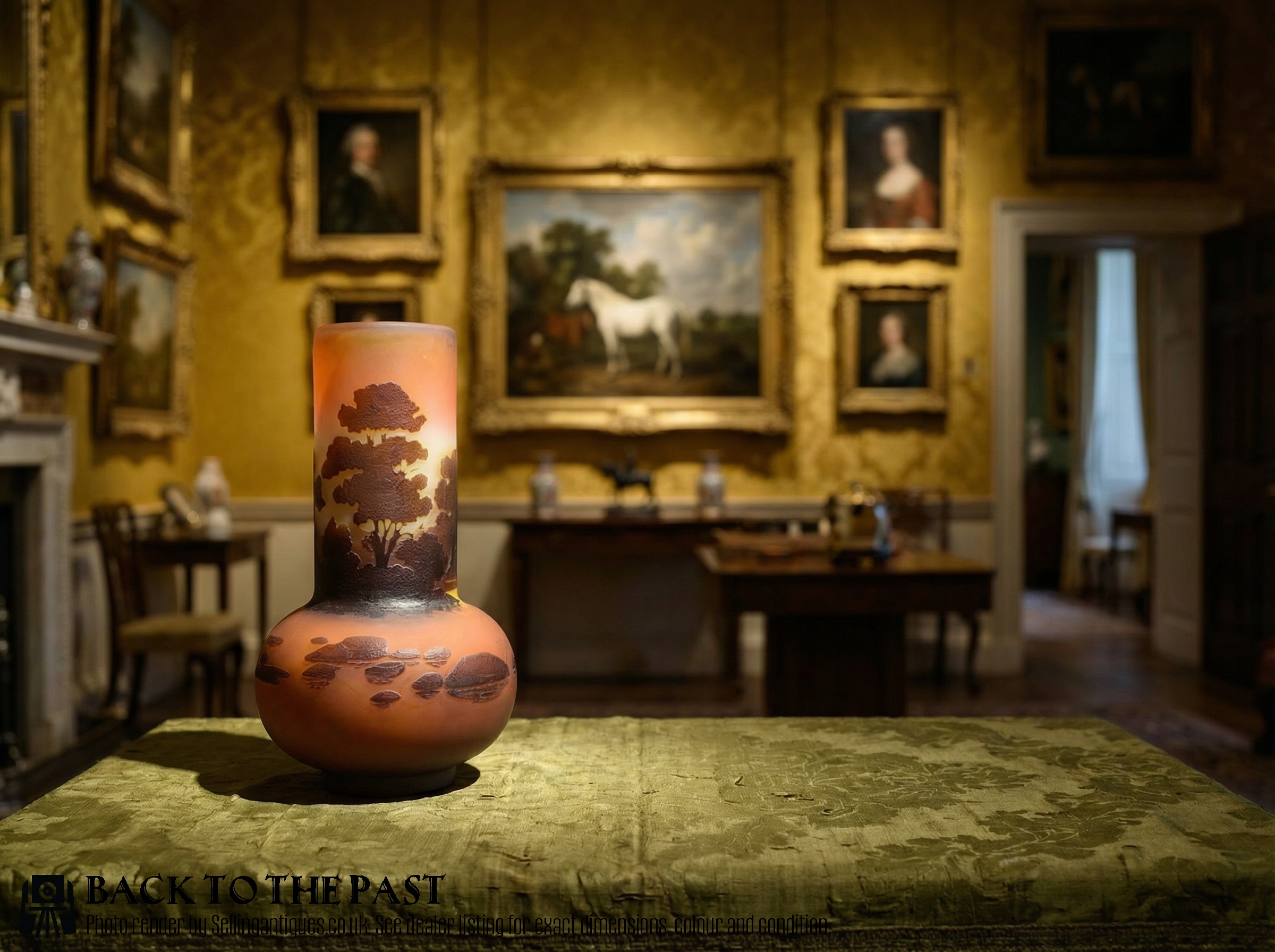
Emile Gallé·Daum Frères·Legras·Paul Nicholas·Devez
The Art Nouveau Cameo Glass Glossary
- Cameo Glass
- A vessel created by fusing two or more layers of different coloured glass and carving away the outer layer to form a raised design. This technique allows for striking contrast between the background and the foreground motif.
- Acid-Etched Glass
- Glass decorated by applying acid to eat away exposed portions of the surface while protected areas retain their original form. Makers utilised this method to efficiently produce intricate botanical patterns.
- Frosted Glass
- Glass treated to create a textured, matte surface finish rather than a transparent appearance. This finish diffuses light softly across table lamps and decorative bowls.
- Soufflé
- A blow-out glass technique where hot glass expands into a metal mould to create high-relief surface forms. This method produced distinct textured vessels like clematis vases.
- Enamelled Glass
- Glass decorated with powdered glass pigments fused to the surface through heat application. Artisans added enamel work to enhance floral details and winter landscapes.
Art Nouveau Cameo Glass: Frequently Asked Questions
What subjects appear on these vases?
The decoration typically draws from the natural world, featuring specific botanical specimens such as orchids, irises, poppies, and clematis alongside distinct woodland or aquatic landscape scenes.
Artists also depicted seasonal transitions, including winter landscape views and stark floral studies executed in varied colour palettes.
How do table lamps differ from vases?
Table lamps integrate electrified or fitted internal lighting components designed to illuminate the layered cameo glass shades from within. This construction highlights the translucent quality of the multi-coloured glass layers.
Vases remain solid closed vessels intended solely for display or holding stems rather than housing electrical fittings.
How are different periods identified?
Dating relies on stylistic shifts from the late nineteenth-century experimental works toward the defined botanical and landscape forms of the early twentieth century. Pieces from later decades often display more stylised handling of natural motifs.
Maker signatures and specific regional designations inscribed on the glass further establish the chronological context of manufacture.
Where were these pieces produced?
Production concentrated primarily in France, particularly around regional centres of glass artistry active during the turn of the century. Prominent workshops operated in locations such as Nancy, establishing distinct local traditions in cameo carving.
These French glasshouses developed signature methods for combining acid-etching with fire-polished finishes.