




Yellow Cameo Glass Vase
A yellow cameo glass vase brings rich colour and layered depth to a room through skillful glasswork.

Yellow Cameo Glass Vase
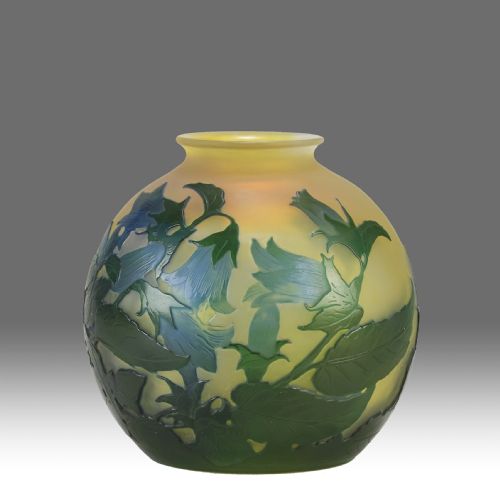
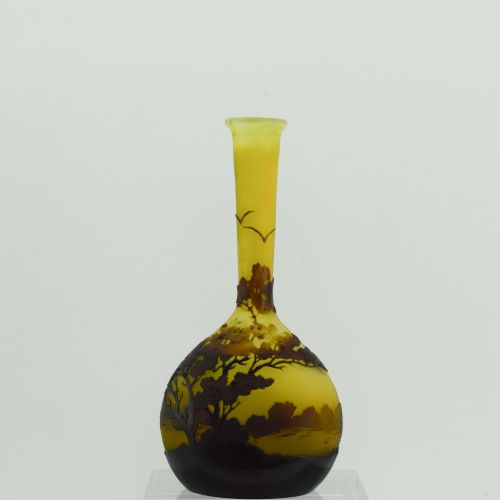
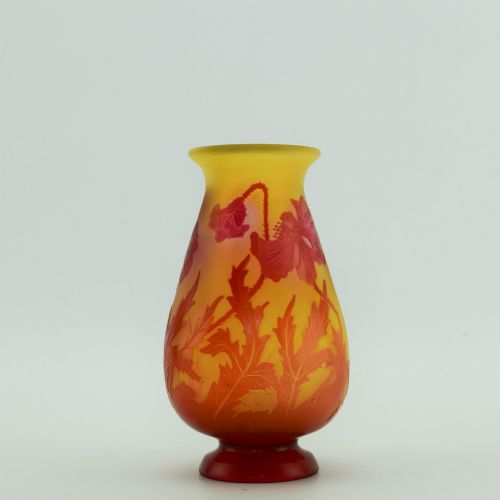
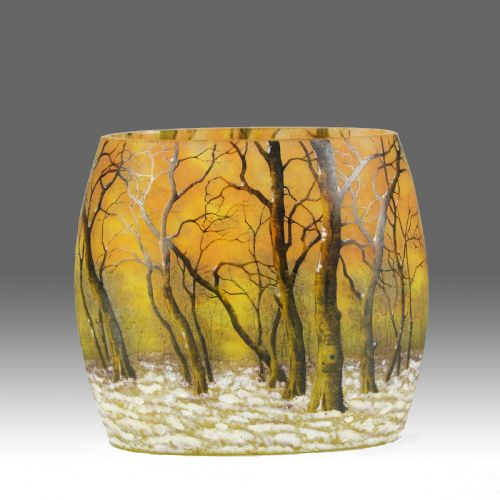
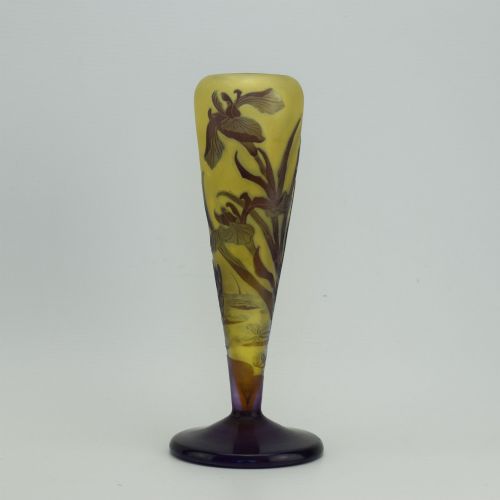
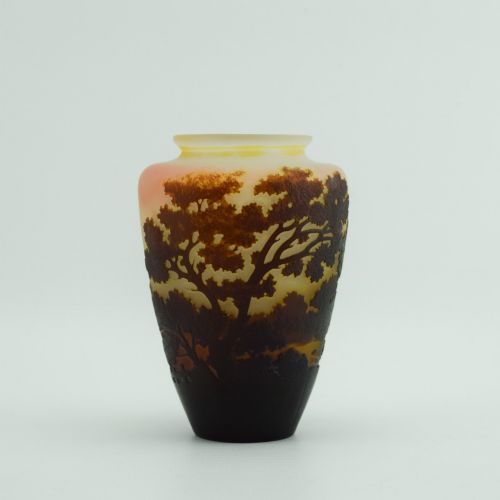
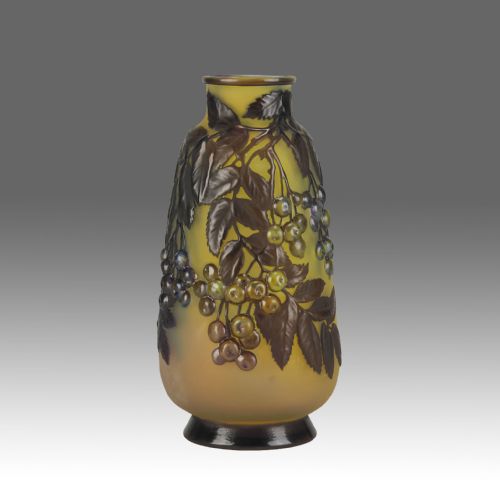
A yellow cameo glass vase is a decorative vessel featuring multiple fused layers of glass that are carved or etched away to reveal contrasting imagery. When searching for a yellow cameo glass vase, buyers encounter sophisticated French glasswork primarily originating from the early twentieth century. These pieces commonly emerge from the Art Nouveau and Art Deco movements, displaying naturalistic motifs such as floral scenes and landscapes.
The objects on this page span from the nineteen-hundreds through to the nineteen-twenties, showcasing distinct periods of glass manufacturing. The version most frequently met here is the Art Nouveau floral vase, often bearing signatures from prominent French glassmakers of the era. Forms range from miniature vessels to large, impressive display pieces measuring significant heights.
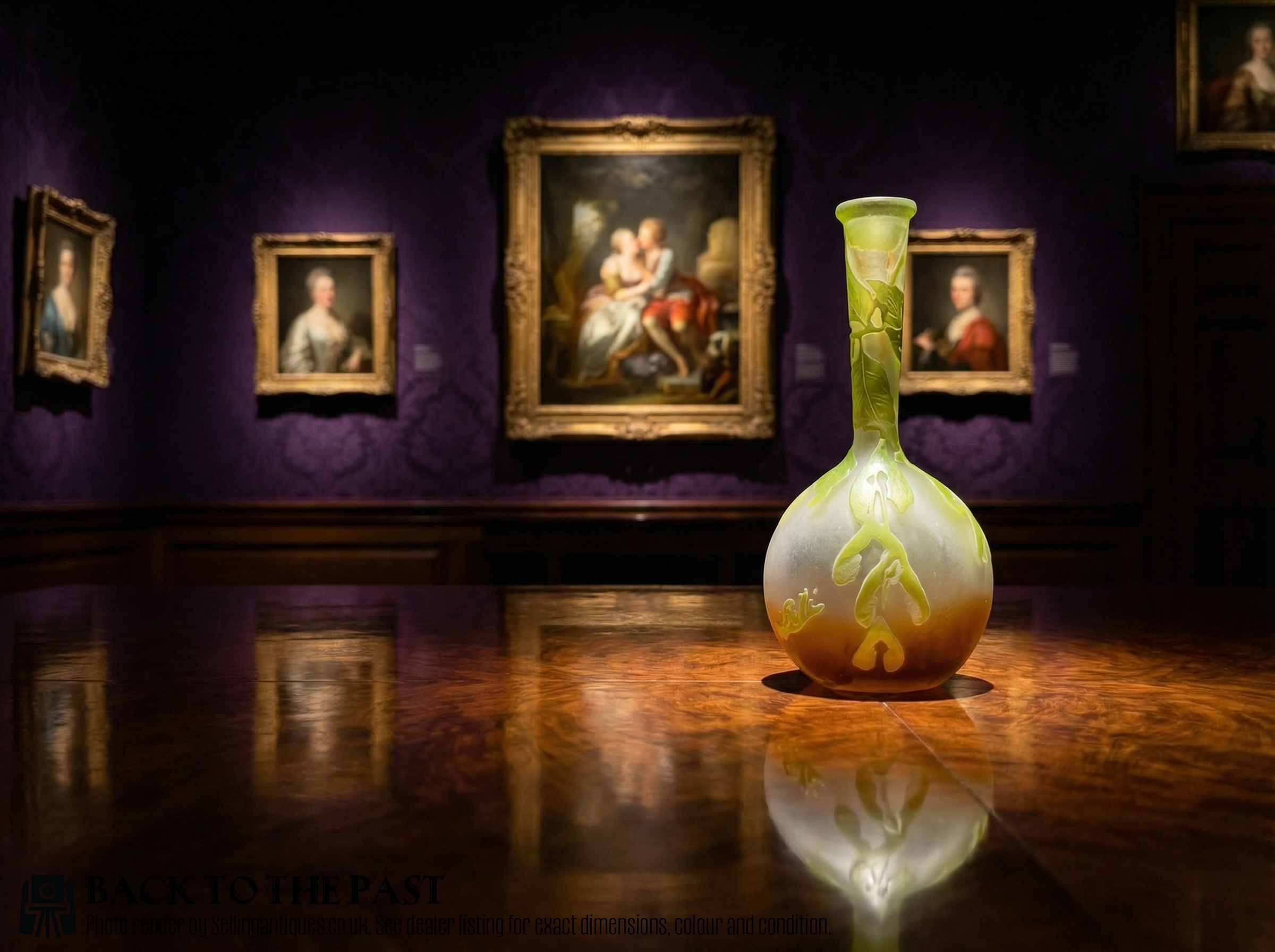
How they were made
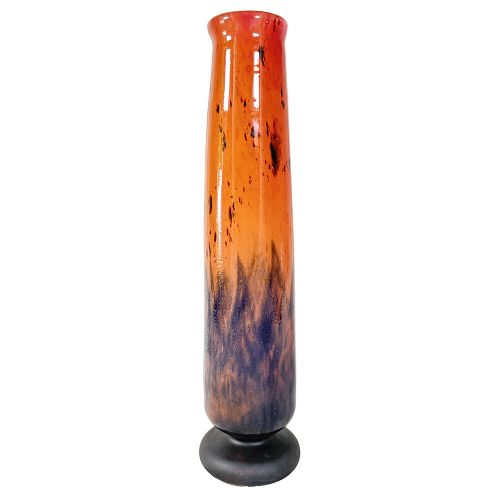
Makers utilised blown glass techniques to create the foundational vessel, often incorporating powdered glass or frosted glass into the molten body to build complex colour foundations. Acid-etching then removed successive layers of surface glass to expose the yellow ground beneath, allowing detailed designs to take shape.
Makers finished many pieces with additional enamel decoration to introduce finer colour variations and depth to the carved subjects. The combination of blown techniques and chemical biting produced the distinct relief work characteristic of these vessels.
Yellow Cameo Glass Vase Retail Price Guide 2026
Typical asking prices for yellow cameo glass vase among the pieces listed under this phrase on Sellingantiques today, from the lower quarter to the upper quarter. They describe what is for sale here now, not the wider market.
Several makers hid their signatures inside the painted landscapes and floral stems, turning the maker's mark into part of the scenery.
What varies in quality
The distinction between ordinary and exceptional pieces lies in the depth of the carving and the complexity of the layered glass. Superior examples display intricate undercut details in motifs such as landscapes or floral arrangements that demonstrate exceptional mastery over the acid-etching process.
The harmony of the colour palette also separates top-tier pieces from simpler works, particularly how the yellow background interacts with overlaid tones. Furthermore, the crispness of the maker signature and the overall balance of the vessel form contribute to the standing of the piece.
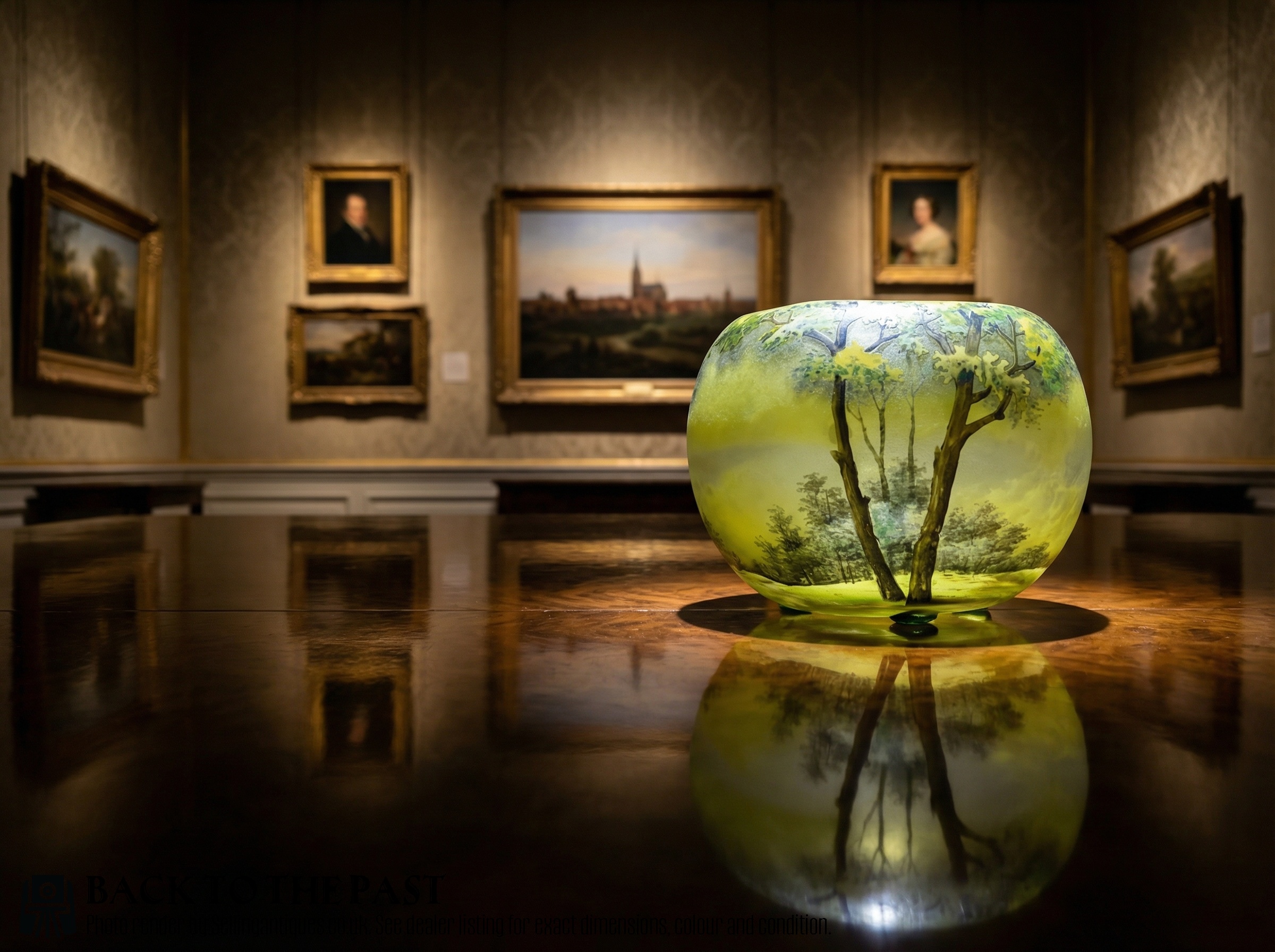
Emile Gallé·Daum·Daum Frerès·Legras·Paul Nicholas·D'Argental
The Yellow Cameo Glass Vase Glossary
- Cameo glass
- A form of glassware created by layering glass of contrasting colours and carving or acid-etching the exterior layer to form raised designs. This technique requires considerable precision to avoid cutting through the background.
- Acid-etched glass
- Glass treated with hydrofluoric acid to eat away exposed surfaces and create texture or pattern. It serves as the primary method for defining the relief work on these vessels.
- Frosted glass
- Glass treated to achieve a matte, non-reflective surface finish that diffuses light. It often provides a soft background tone behind the brighter overlaid elements.
- Enamelled glass
- Glass decorated with melted glass powders or paints that are fired onto the surface for added colour. This adds painterly detail to the underlying carved design.
- Art Nouveau
- An international style of art and architecture prevalent around nineteen-hundred that was inspired by natural forms and curved lines. Floral and botanical motifs dominate vessels from this aesthetic.
- Art Deco
- A design style that flourished in the nineteen-twenties, characterised by streamlined shapes and stylised geometric patterns. Pieces from this period move towards more structured visual arrangements.
Yellow Cameo Glass Vase: Frequently Asked Questions
How were these vases used originally?
These vessels served primarily as decorative display items in affluent homes during the early twentieth century. Their striking colours and intricate botanical carvings made them centrepieces for drawing rooms and parlours.
While capable of holding water for cut stems, their artistic value meant they often stood empty as standalone works of art. Owners prized them for how they captured natural light on side tables or mantels.
How do I date a yellow cameo glass vase?
Dating relies heavily on the stylistic movement apparent in the design, with curvilinear floral motifs pointing towards nineteen-hundred and Art Nouveau. Stricter geometric tendencies or later signatures often align pieces with the nineteen-twenties and Art Deco periods.
Maker signatures etched into the glass also provide chronological markers based on the active years of the workshop. Comparing the specific etching depth and enamel usage helps narrow down the decade of production.
Where should I display a yellow cameo glass vase?
Positioning these vessels near a natural light source allows the translucent layers of glass and the warm yellow tones to illuminate properly. Placing them on a sturdy surface away from high-traffic areas ensures the delicate relief work remains secure.
Keep them out of direct, harsh sunlight for prolonged periods to preserve the stability of the enamel and glass colours. A neutral backdrop helps the complex carved landscapes and floral subjects stand out clearly.
How do I distinguish between different glassmakers?
Makers marked their work in distinct ways, often incorporating cameo signatures into the design itself that reflected the surrounding foliage or background. Researching the specific signature styles associated with workshops helps attribute unsigned or attributed pieces correctly.
The choice of subject matter and technical execution also offer clues, as certain houses specialised in specific acid-etching depths or enamel combinations. Comparing the finish of the frosted or powdered glass grounds reveals individual studio practices.