




Turn of Century Glass
Turn of century glass brings together decorative vessels, scent bottles and mirrors from periods around nineteen hundred.
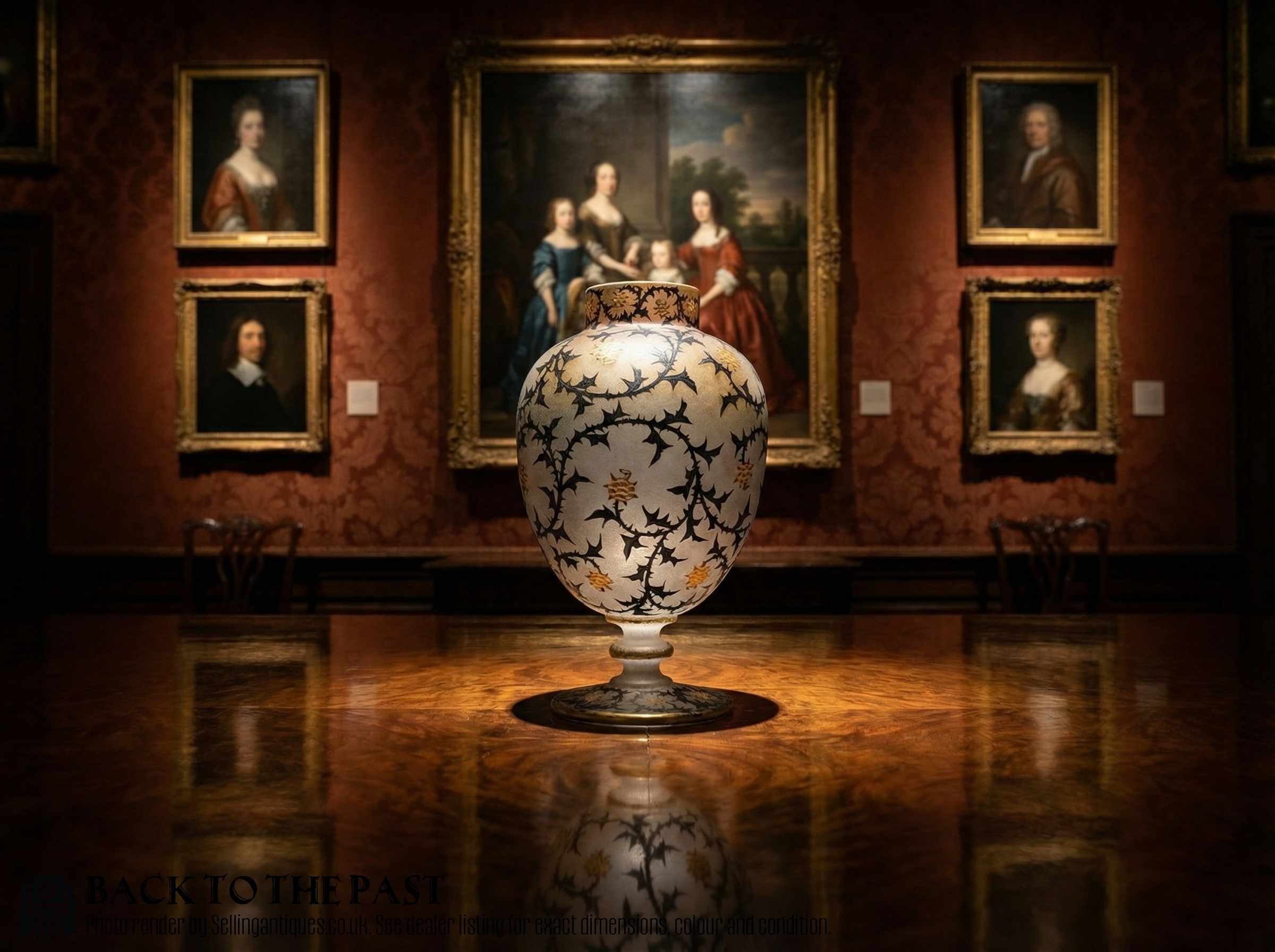
Turn of Century Glass
When you search for turn of century glass, you look at items shaped around nineteen hundred, alongside pieces from adjacent Victorian and Edwardian periods. The selection contains glassware such as vases, scent bottles, decanters, beakers and wine glasses.
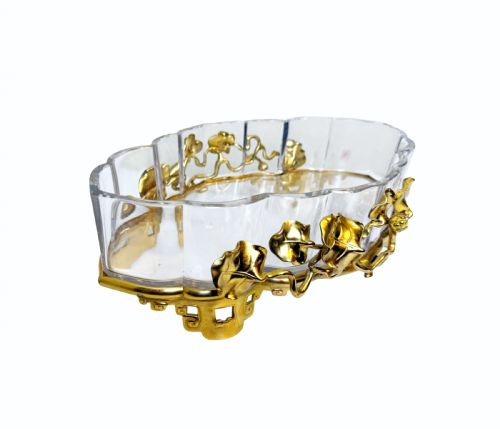
Vessels span decorative items with floral motifs and crystal centrepieces with gilt bronze frames. You meet distinct glass types including cameo glass, iridescent Favrile glass and optically blown green glass.
Makers and designers working in Art Nouveau and French Belle Epoque styles heavily influence the form of these pieces. Objects incorporate materials like sterling silver overlays, enamel and brass frames alongside the primary glass.
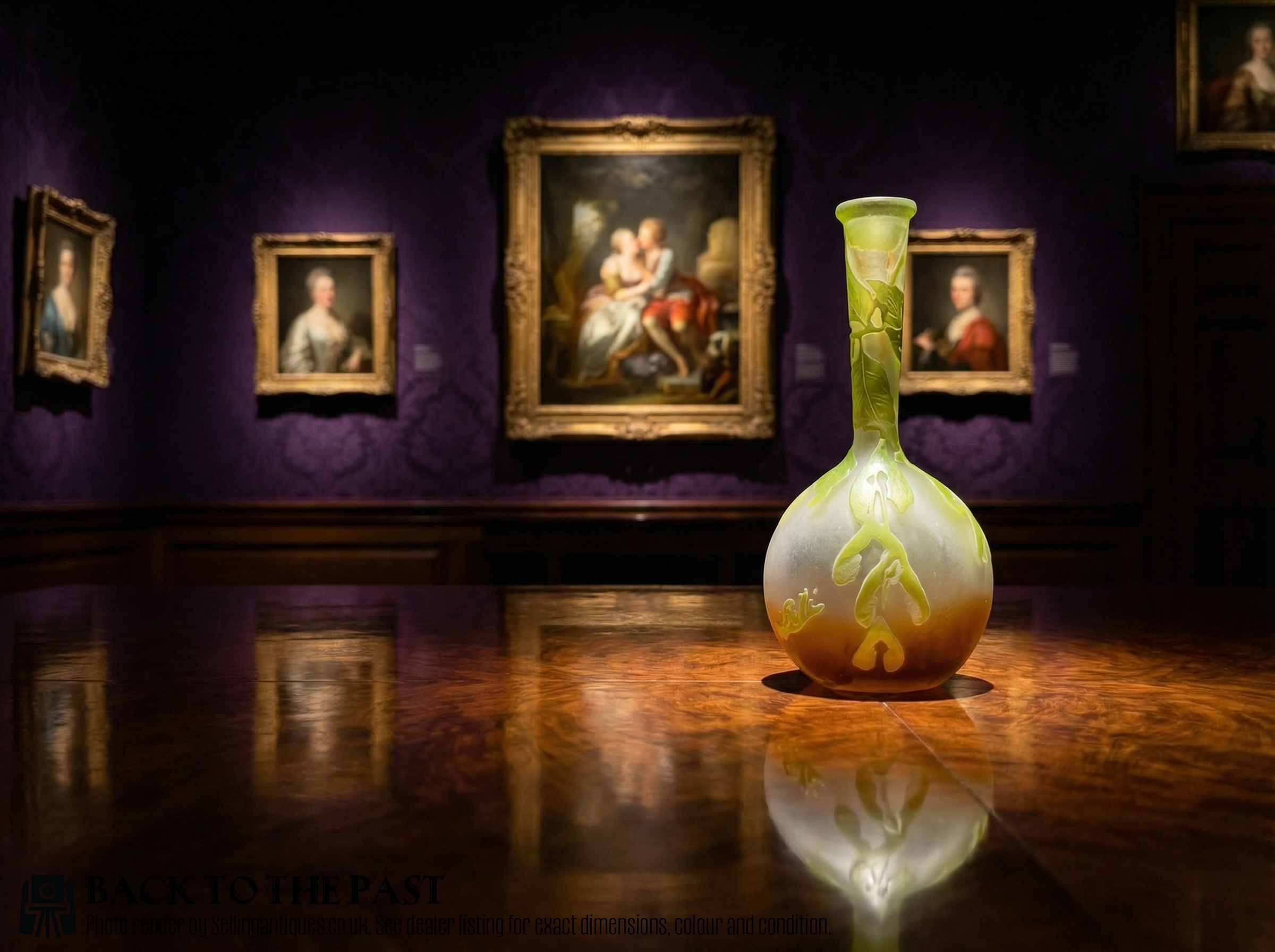
How turn of century glass pieces were made
Glassmakers utilised techniques such as cameo carving, optical blowing and iridescence to create depth and texture on vases and scent bottles. Mounts and frames involve brass, gilt bronze and sterling silver work.
Artisans applied enamel and coloured glass trails, including white cane decorations and pink trails, directly onto the molten or blown body. Metal mountings and stoppers fit securely to glass bodies like decanters and perfume containers.
Turn of Century Glass Retail Price Guide 2026
Typical asking prices for turn of century glass among the pieces listed under this phrase on Sellingantiques today, from the lower quarter to the upper quarter. They describe what is for sale here now, not the wider market.
Materials appearing alongside glass include sterling silver, brass, crystal and enamel.
What varies in quality in turn of century glass
The standard of glass forming and depth of cameo carving separate basic vessels from works by noted makers. Clarity in crystal and precision in silver or enamel overlays dictate the grade of each object.
Execution of organic Art Nouveau lines and integration of metal frames into glass bodies reveal the skill involved in production. Condition of the glass surface and originality of mounted hardware determine the integrity of the piece.
Daum Nancy·James Powell·LCT Tiffany·Galle·Salviati
The Turn of Century Glass Glossary
- Cameo glass
- A vessel formed with multiple layers of coloured glass carved away to create a raised design. This technique requires significant labour and skill from the glassblower.
- Favrile glass
- An iridescent art glass developed and patented by Louis Comfort Tiffany. Chemical compounds are fused into the glass during melting to produce shimmering surface colours.
- Optically blown
- Glass blown into a ribbed or patterned mould to create internal texture and light effects. This method gives the vessel walls distinct visual patterns.
- Decanter
- A decorative glass vessel used for holding and serving spirits or wine. These often feature matching glass stoppers and metal collars.
- Enamel
- Opaque glass paste applied to metal or glass surfaces and fired in a kiln for colour and decoration. It provides bright surface details on scent bottles.
Turn of Century Glass: Frequently Asked Questions
What defines turn of century glass?
These items comprise decorative vessels, scent bottles and tableware produced around nineteen hundred. They reflect Art Nouveau and Edwardian aesthetic movements.
Craftsmanship focuses on artistic glass manipulation, often incorporating metal mounts or silver overlays.
How do I identify Art Nouveau glass?
Look for fluid, organic shapes inspired by natural forms such as plants, flowers and winding stems. Surface decoration frequently includes iridescent finishes or cameo carved plant motifs.
Signatures or etchings on the base often indicate the workshop or maker responsible for the piece.
How should I clean antique glass?
Wash glass items gently in lukewarm water using mild, non-abrasive soap. Avoid sudden temperature changes to prevent cracking the material.
Dry the piece carefully with a soft lint-free cloth, taking extra care around silver mounts or fragile enamel.
Where should I display glass pieces?
Position glass vessels where natural light can pass through the body to highlight colour and iridescence. Display cabinets or shelves away from direct heat sources work best.
Ensure heavier pieces with metal frames rest on stable, level surfaces to prevent tipping.