


French Art Glass Vessel
A French art glass vessel combines weight and colour with the ambition of the early twentieth century.
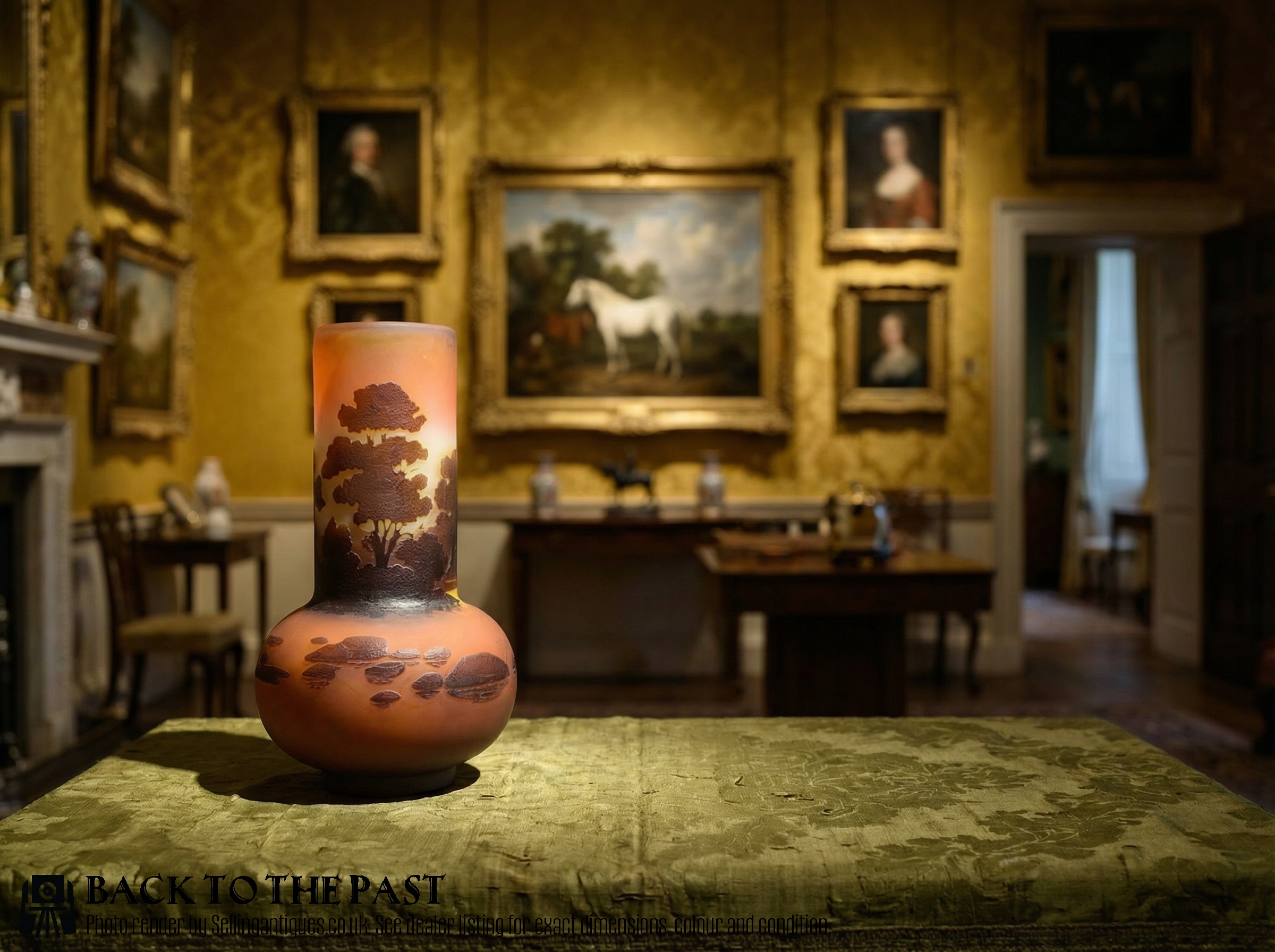
French Art Glass Vessel
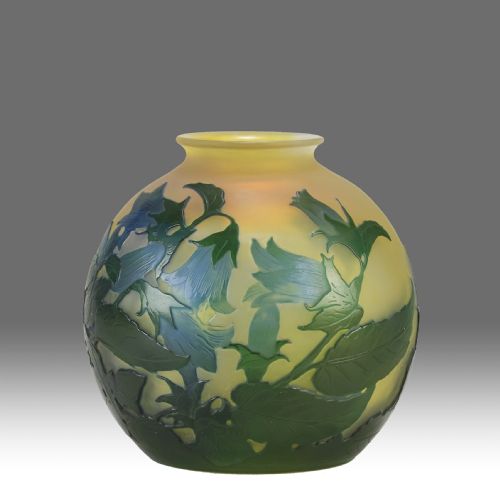
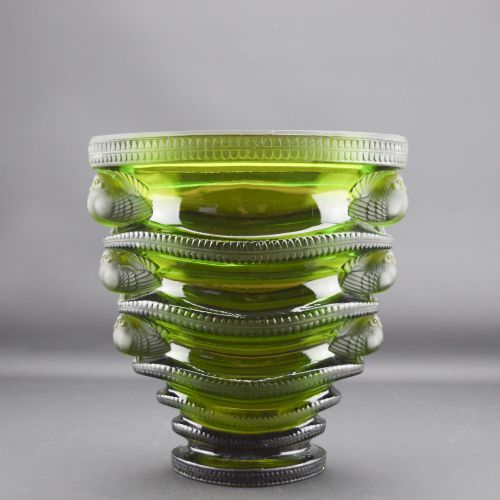
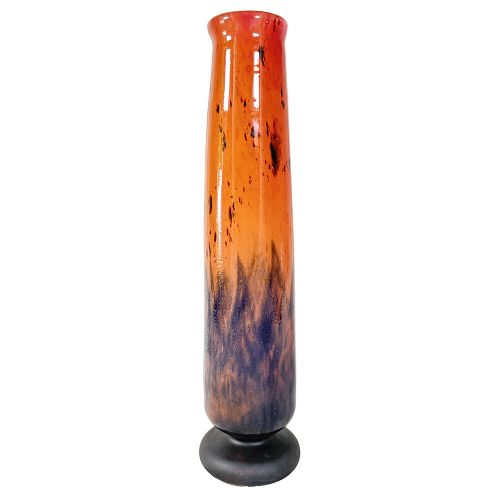
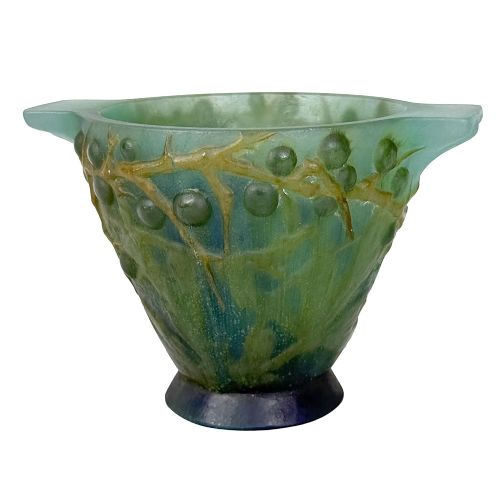
The selection centres on sculptural forms utilising cameo glass, pate de verre, and blown glass techniques. Buyers encounter works bearing the signatures or attributions of major houses active around nineteen hundred and the nineteen twenties and thirties.
How they were made
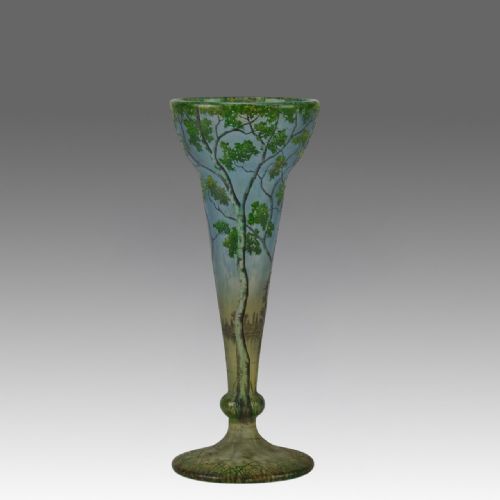
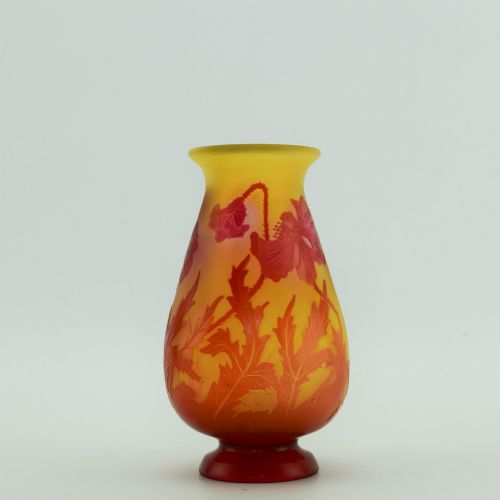
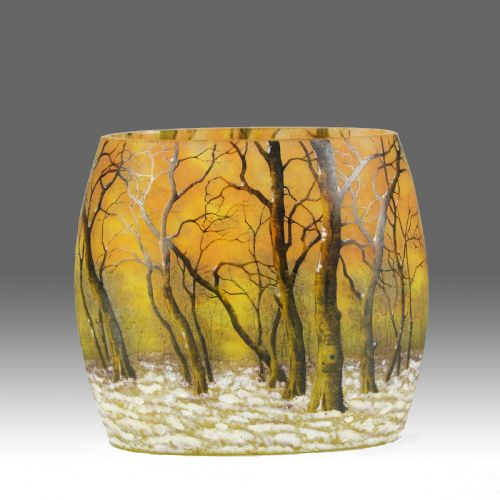
Makers shaped molten material through blowing, often layering colours or applying enamel and acid-etching to build complex surface patterns. Cameo glass vessels required meticulous carving through distinct layers of glass to reveal contrasting designs.
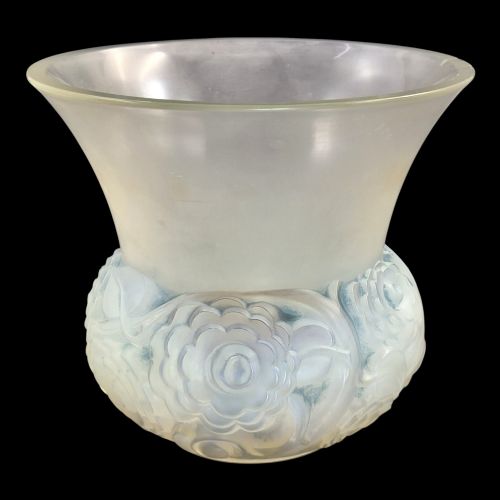
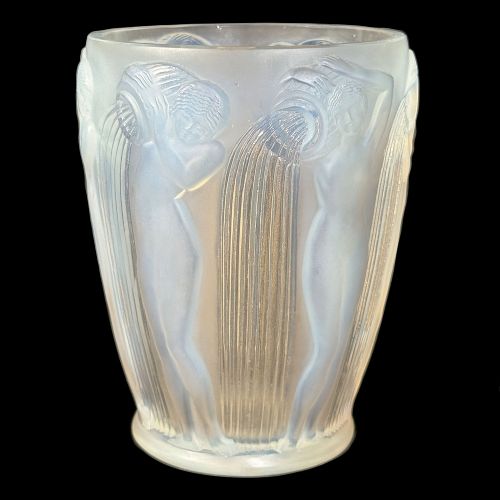
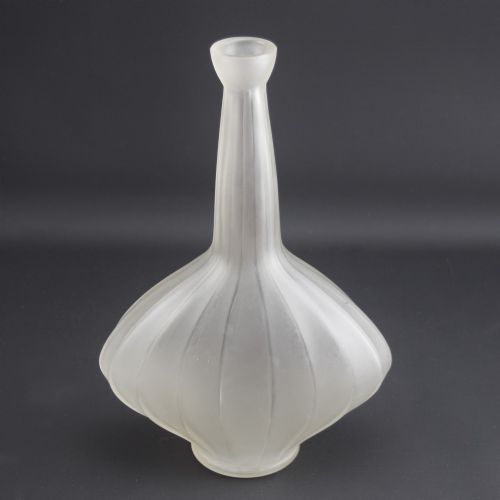
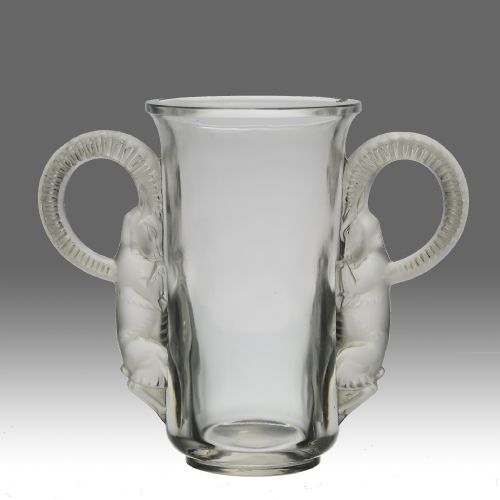
Techniques such as pate de verre involved packing powdered glass into a mould and fusing it in a kiln to achieve a textured, translucent finish. Frosted and opalescent glass treatments further manipulated how light passed through the body of the vessel.
Retail Price Guide 2026
Typical UK retail prices for french art glass vessel, calculated from the Sellingantiques database of over a million retail prices indexed since 2003. This retail price guide relies exclusively on Sellingantiques data; no external sources or auction records are used, so the figures do not describe the wider market.
Listings feature works created across three distinct decades: nineteen hundred, nineteen twenty, and nineteen thirty.
What varies in quality
Quality rests in the precision of the cameo carving and the depth achieved in layered or acid-etched designs. The complexity of the silhouette and the harmony between colour and form dictate the distinction of individual pieces.
Works carrying documented signatures from celebrated workshops command greater consideration than unattributed examples. The finesse of the moulding and the clarity of the pate de verre or opalescent effects separate standard production from masterworks.
Henry Berge for Amalric Walter·Rene Lalique·Daum Freres·Legras·Emile Galle
The French Art Glass Vessel Glossary
- Cameo Glass
- Glass vessels formed with multiple layers of different coloured glass that are carved or acid-etched away to create a raised design. This technique requires exceptional skill to expose the contrasting background without breaching the outer layer.
- Pate de Verre
- A kiln-casting method using crushed glass paste melted inside a mould to produce objects with a granular, sugary texture and rich colour saturation. The process yields dense, luminous pieces with a distinctive tactile quality.
- Acid-Etched Glass
- A method where acid eats away exposed portions of a glass surface to create frosted designs or textural relief. It allows for intricate patterning without physical carving.
- Opalescent Glass
- Glass that displays a milky, iridescent sheen reflecting different colours depending on the angle of light. This effect adds depth and movement to decorative vessels.
Frequently Asked Questions
What periods do these pieces come from?
The inventory spans the early twentieth century, specifically covering the nineteen hundreds, nineteen twenties, and nineteen thirties.
These dates align with the height of the Art Nouveau and Art Deco movements in France.
What types of vessels are available?
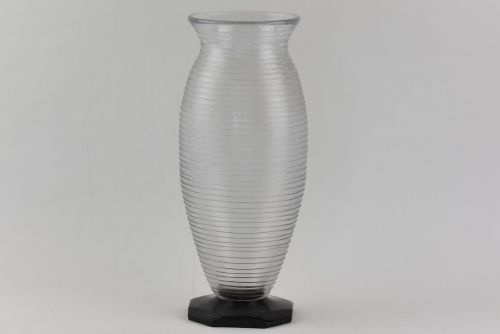
The selection consists primarily of decorative vases and decanters.
These forms showcase diverse techniques including cameo carving, pate de verre, and blown glass.
How do I identify a maker?
Makers often signed their works directly into the glass using cameo relief, etching, or enamel painting.
Attributions are also made based on distinct stylistic traits, colour palettes, and signature vessel forms associated with specific French workshops.
What materials were used?
Makers utilised cameo glass, acid-etched glass, frosted glass, pate de verre, enamel, blown glass, and opalescent glass.
Combinations of these materials created varied textural and visual effects across individual pieces.