
Art Nouveau Decorative Vase
An art nouveau decorative vase brings organic curves and floral motifs into a room, capturing the fluid energy of the turn of the twentieth century.
How They Were Made
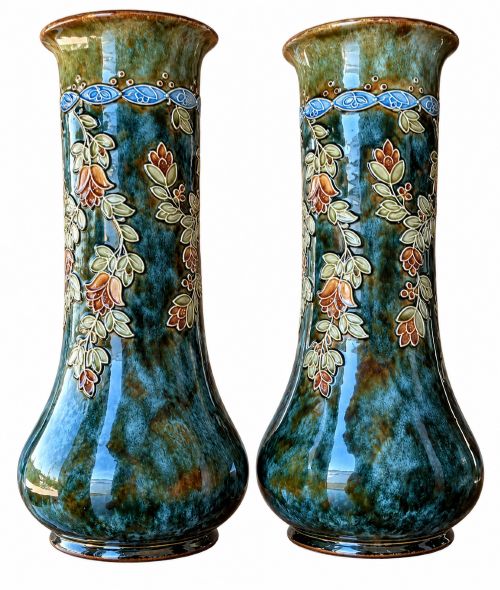
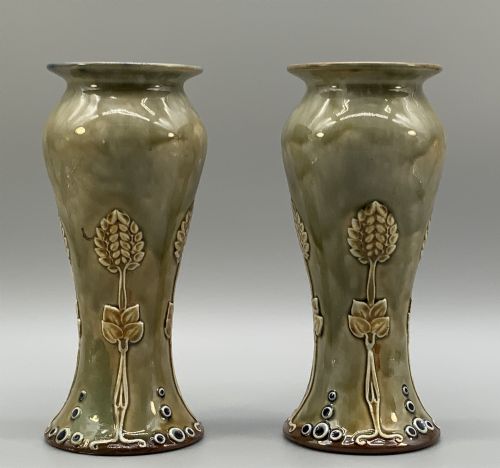
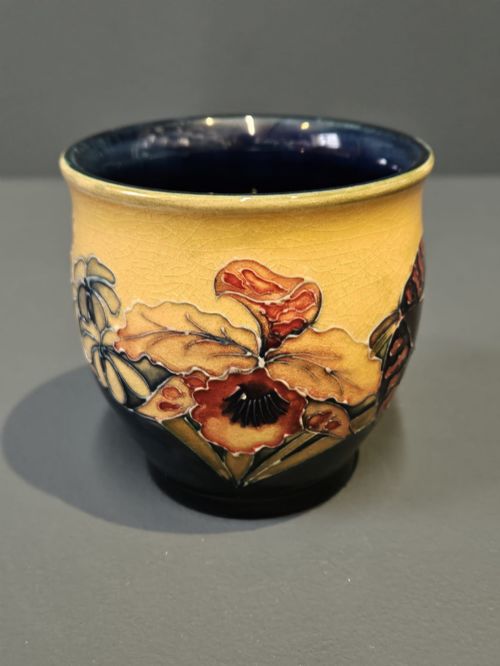
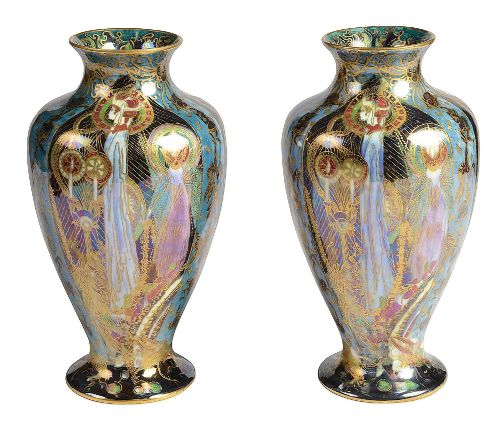
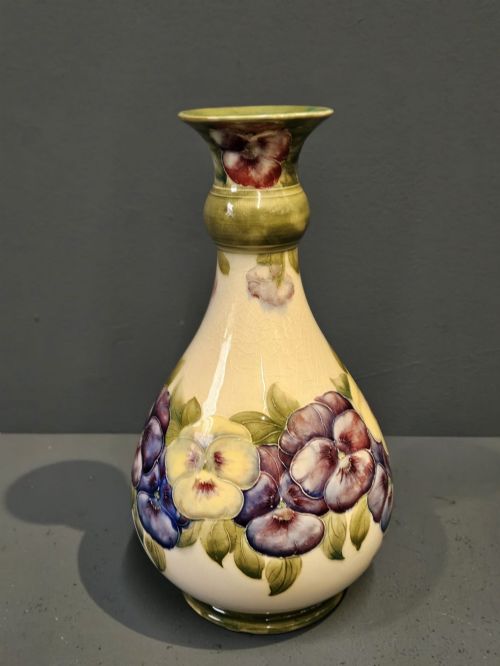
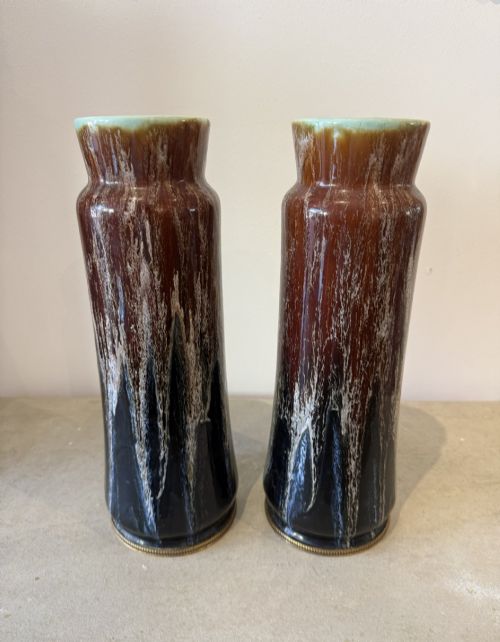
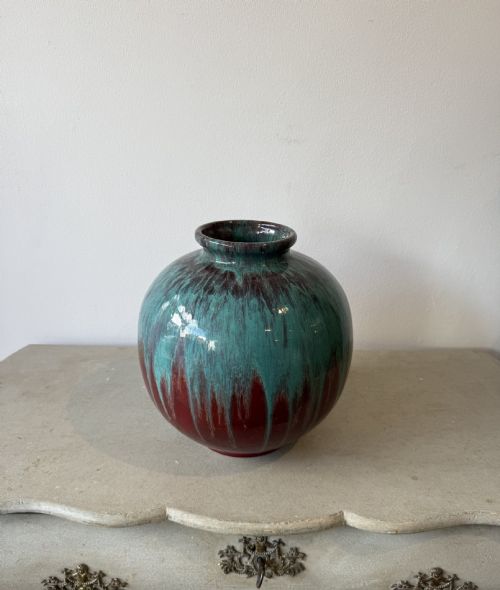
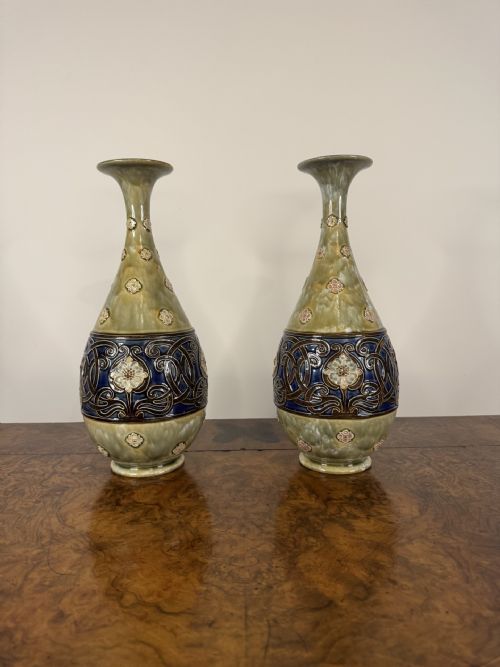
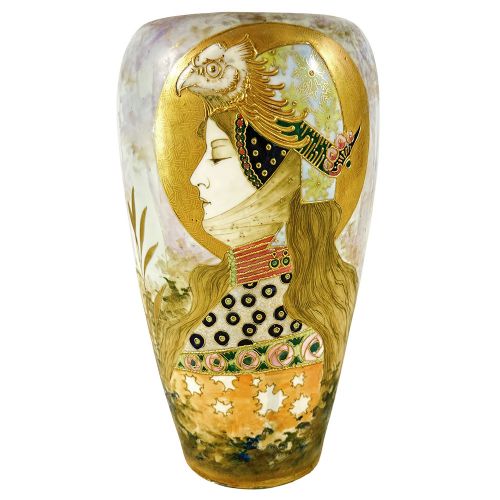
Potters utilised earthenware, ceramic, and stoneware, often applying glazes, enamel, and gold leaf to heighten the surface texture. Stoneware vessels from English potteries feature incised patterns and applied leaf motifs.
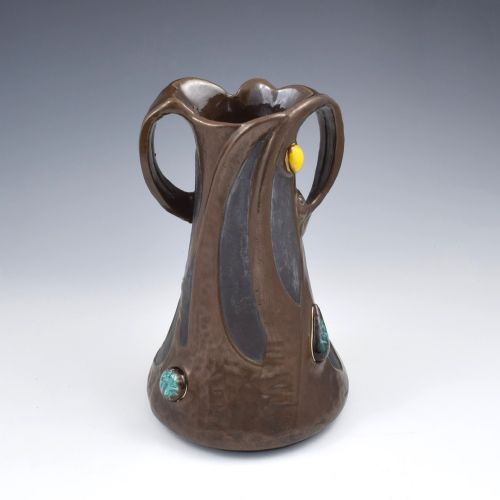
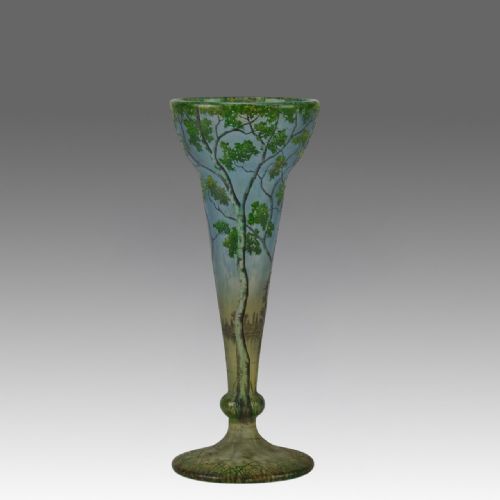
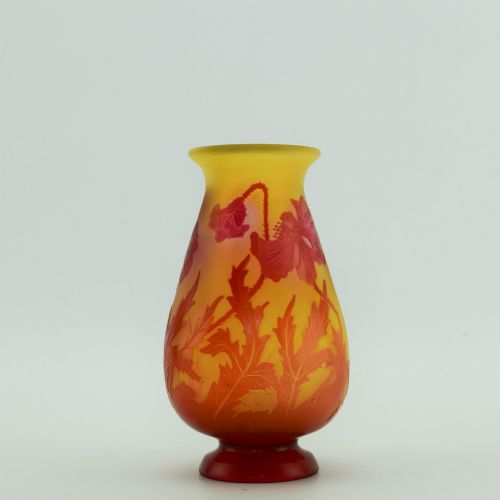
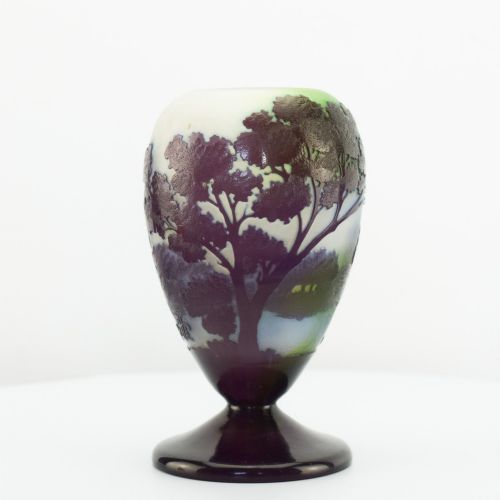
Glassmakers employed acid-etching and cameo techniques to create layered landscape and floral designs. Bronze and copper pieces relied on casting, sometimes incorporating jewelled cabochons or patinated finishes.
What Varies in Quality
The sophistication of the design execution separates standard production items from masterworks. Hand-painted botanical details and crisp cameo glass layering demonstrate superior workshop output.
The prominence of known designers and specific colour palettes elevates certain pieces. Balanced proportions in baluster shapes and intricate gilding or enamel work indicate higher manufacturing standards.
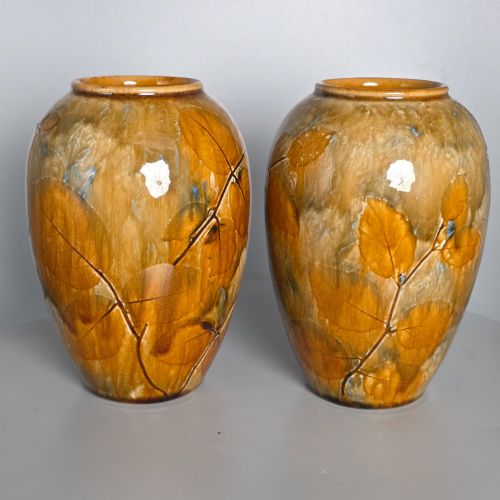
Some autumn leaves refuse to fall, lingering eternally on stoneware and glass long after the original frost.
Royal Doulton·Wedgwood·Moorcroft McIntyre·Daum Frères·Pallme Konig·Emile Galle·Legras·James Powell
The Art Nouveau Decorative Vase Glossary
- Cameo Glass
- A vessel formed of two or more fused layers of glass of different colours, carved or acid-etched to create a raised design. This technique requires immense precision from the glassmaker.
- Baluster
- A tall vase form with a rounded lower body tapering to a narrow neck and flared rim. It provides a stable base for complex floral patterns.
- Ewer
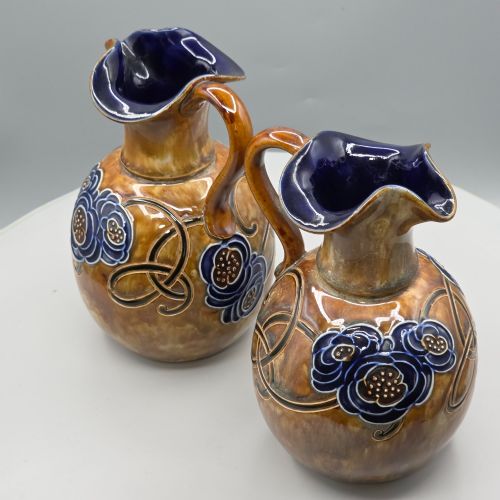
- A large jug with a wide spout and looped handle, historically used for water but adapted as a decorative vessel. These often feature sculptural metal or ceramic handles.
- Stoneware
- A robust, vitrified ceramic fired at high temperatures, impervious to liquid without glazing. English workshops utilised this durable medium for intricate relief decoration.
- Lustre
- A type of ceramic glaze containing metallic salts that produce an iridescent sheen upon firing. Wedgwood pieces frequently employ this reflective surface effect.
Art Nouveau Decorative Vase: Frequently Asked Questions
How do I display an art nouveau decorative vase?
Place the vessel where natural light can pass through glass examples or highlight the glaze on ceramic pieces. Avoid overcrowding to let the organic silhouettes stand out.
Pair them with complementary period items or let a single baluster shape anchor a mantelpiece or side table.
Can I use these vases for fresh flowers?
Many ceramic and glass vessels hold water safely, though antique stoneware and delicate cameo glass require careful handling. Consider placing a small liner inside fragile pieces.
Dry stems or floral displays protect the interior glaze and prevent moisture damage to older materials.
How do I clean an antique glass vase?
Dust the surface regularly with a soft, dry cloth to prevent grime accumulation on textured cameo glass. Avoid harsh chemical cleaners that might strip gilding or enamel.
Wash gently in lukewarm water with mild soap only when necessary, drying thoroughly with a lint-free cloth afterwards.
What defines the art nouveau style?
The style rejects rigid symmetry in favour of whiplash lines, insect motifs, and botanical forms derived from nature. Makers translated these flowing contours into three-dimensional ceramic and glass shapes.
Look for nods to poppies, water lilies, and landscapes wrapping continuously around the body of the vessel.