
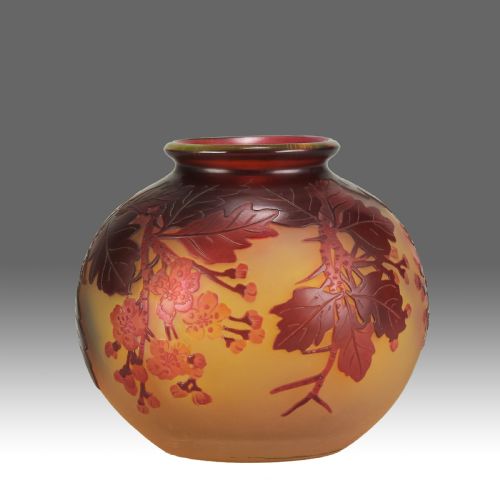


Amber Cameo Glass Vase
An amber cameo glass vase brings rich warmth and layered botanical motifs into a room, offering the unmistakable brilliance of early twentieth-century French artistry.
What an amber cameo glass vase is
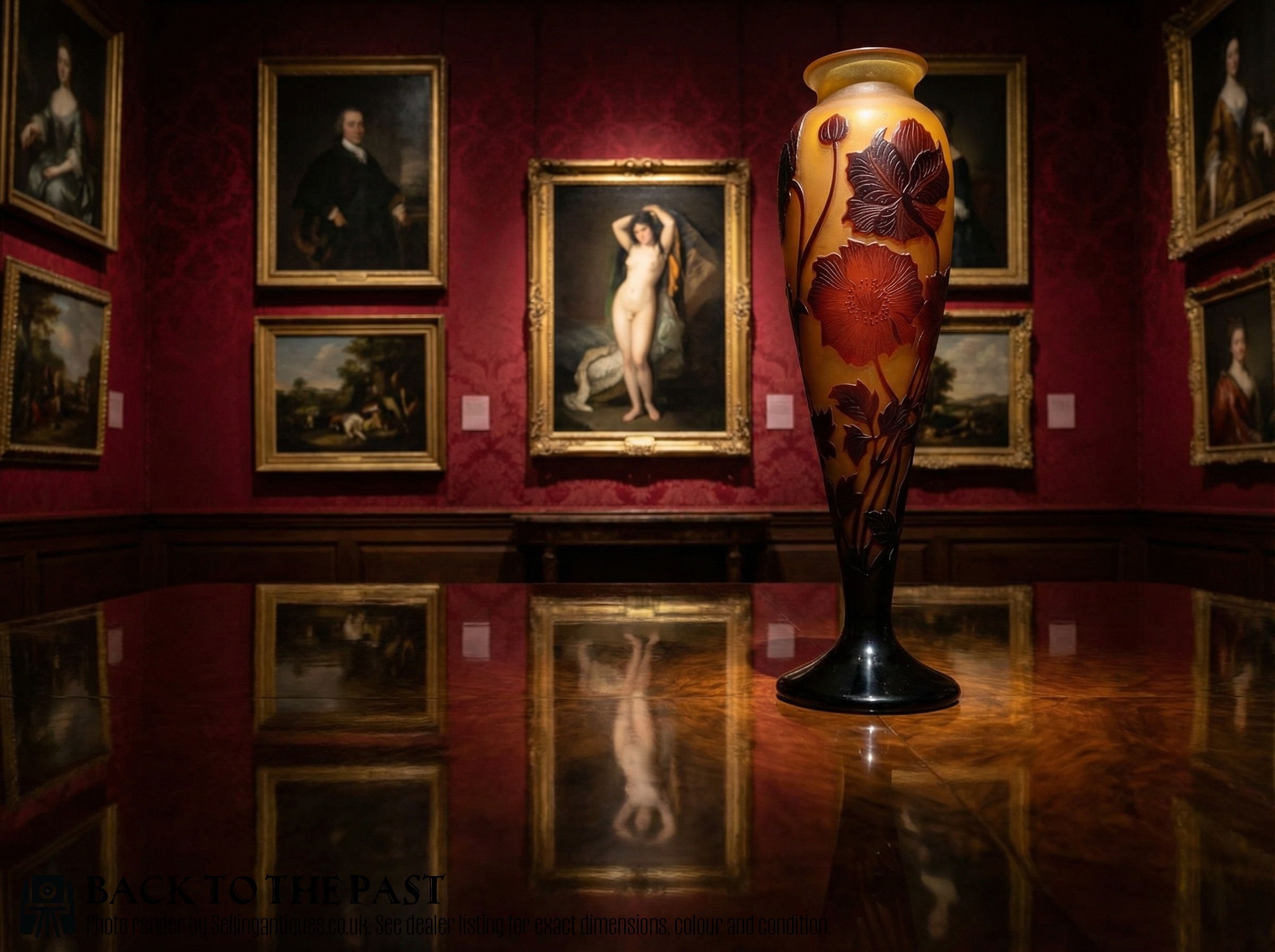
When you search for an amber cameo glass vase, you enter the sophisticated world of early twentieth-century French glassmaking. These pieces emerge predominantly from the Art Nouveau period, capturing natural forms through layered glass techniques.
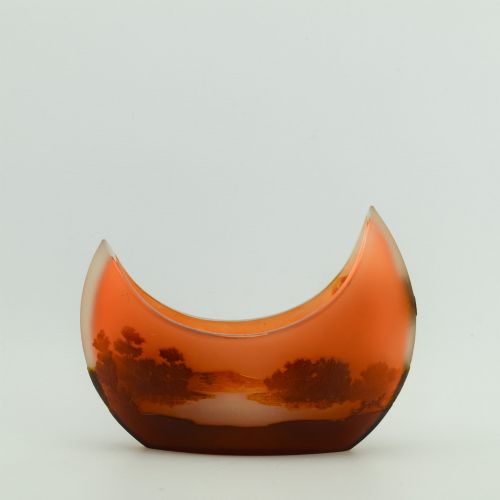
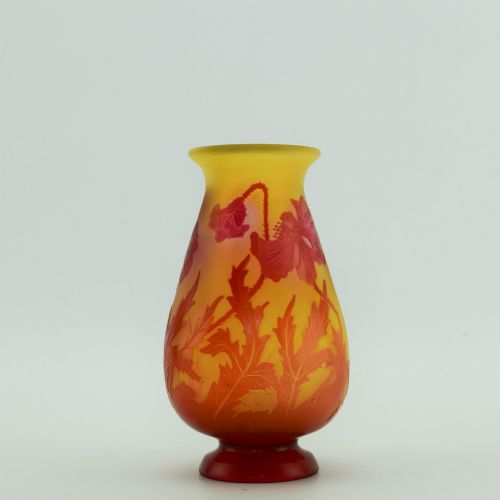
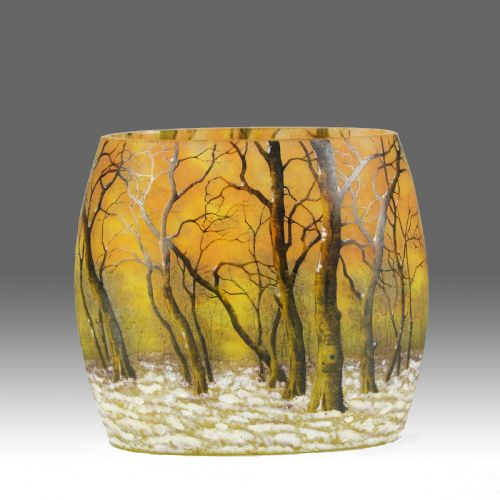
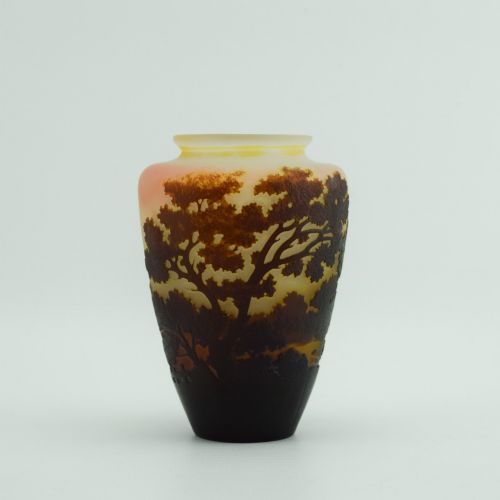
The objects themselves take the form of vases, showcasing distinct botanical and landscape subjects such as ferns, poppies, sycamores, and winter scenes. Such vessels serve as striking decorative centerpieces that reflect the artistic preoccupations of French workshops around nineteen hundred.
On this page, you will most frequently encounter works attributed to celebrated makers from this definitive era. Each piece embodies the distinct aesthetic sensibilities of French glass artists working in the early decades of the twentieth century.
How they were made
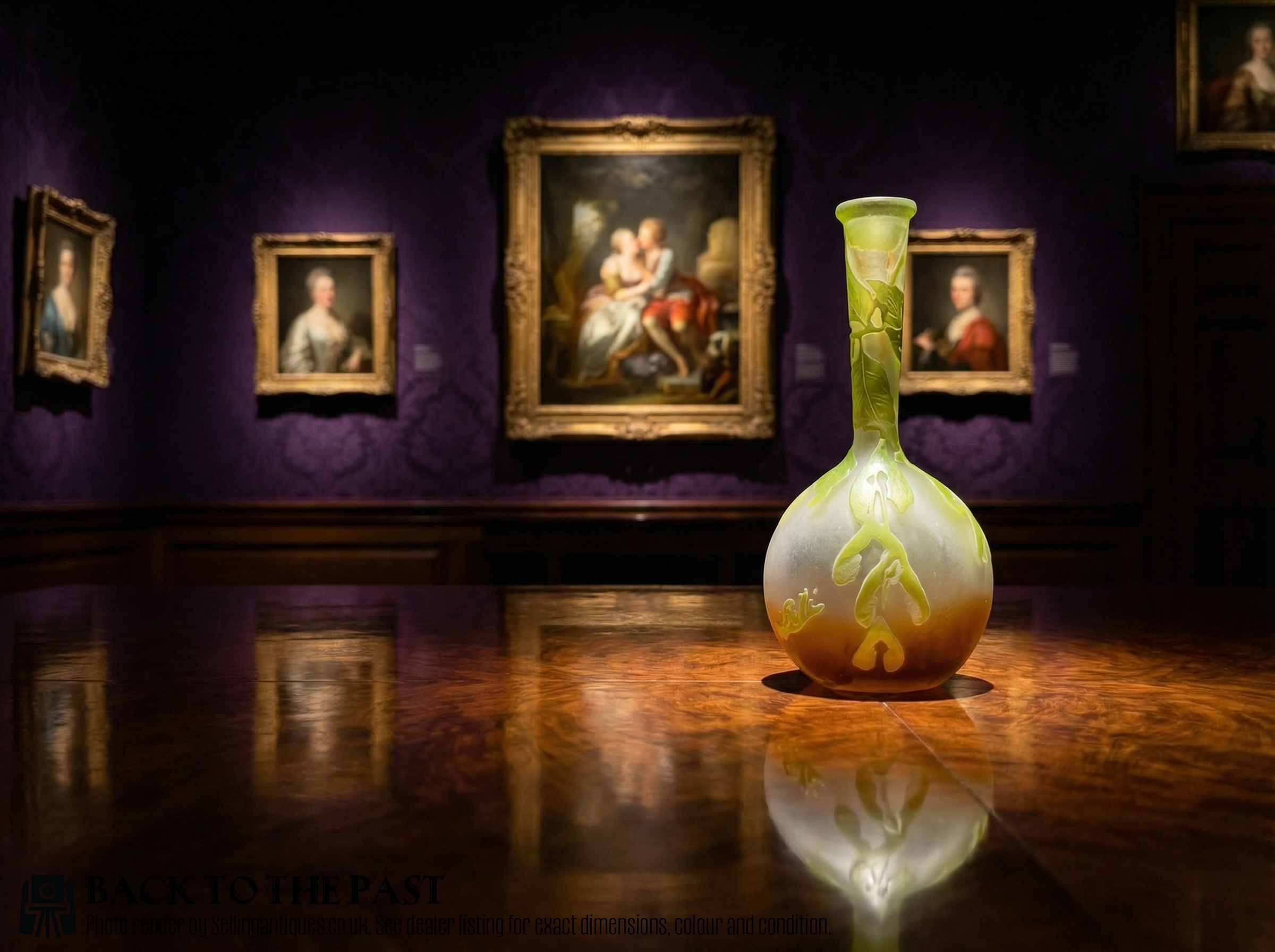
The creation of these vases relies upon multi-layered cameo glass techniques combined with acid-etching to reveal contrasting colours. Craftsmen fused different coloured glass layers together before selectively eating away the surface to form intricate raised designs.
Artisans frequently incorporated frosted glass backgrounds and detailed enamel additions to heighten the visual depth of the landscapes and floral patterns. This meticulous process demanded immense precision to achieve the desired interplay of light through the amber hues.
Retail Price Guide 2026
Typical UK retail prices for amber cameo glass vase, calculated from the Sellingantiques database of over a million retail prices indexed since 2003. This retail price guide relies exclusively on Sellingantiques data; no external sources or auction records are used, so the figures do not describe the wider market.
All listed pieces date from the early twentieth century and employ cameo glass, acid-etched glass, frosted glass, and enamel in the Art Nouveau style.
What varies in quality
Quality in these vessels rests upon the crispness of the acid-etching and the depth of the layered glass relief. Superior examples display harmonious proportions and finely controlled transitions between the amber tones and the frosted ground.
The distinction between standard production and exceptional artistry lies in the complexity of the subject matter, ranging from simple floral silhouettes to detailed multi-toned winter landscapes. Execution of signature details and atmospheric depth ultimately determines the standing of an individual vase.

Daum Freres·Emile Galle·Legras·Paul Nicholas for D'Argental
The Amber Cameo Glass Vase Glossary
- Cameo Glass
- A form of art glass produced by fusing layers of different colours together and then carving or etching away parts of the exterior layer to create a design in relief. This demanding technique creates a striking contrast between the foreground motif and the background.
- Acid-Etched Glass
- A method where hydrofluoric acid eats away exposed glass surfaces to create frosted textures or remove upper layers of colour. It allows artisans to achieve precise control over design depths without manual wheel-carving.
- Frosted Glass
- Glass treated to develop a diffused, matte surface rather than a transparent finish. This treatment softens transmitted light and highlights the carved cameo decoration.
- Enamel
- Opaque vitreous material fused onto the surface of the glass through firing to add superficial colour details or highlights. It provides an additional layer of artistic expression beyond the underlying glass layers.
- Art Nouveau
- An international style of art and architecture that peaked in popularity around nineteen hundred, characterised by intricate linear designs and flowing motifs inspired by natural forms. This movement heavily influenced the floral and landscape subjects seen on cameo glass vases.
Frequently Asked Questions
What periods do these vases come from?
These vases originate from the early twentieth century, specifically spanning the decades around nineteen hundred to nineteen twenty.
This era encompasses the height of the Art Nouveau movement in France, when master glassmakers produced their most celebrated cameo works.
How were these decorative vases used?
Such vessels functioned primarily as ornamental display pieces in affluent homes, showcasing the artistic taste of the owner.
Unlike utility glassware, they were designed to catch the light and display botanical or landscape motifs rather than hold everyday floral arrangements.
How do I identify Art Nouveau styling?
Art Nouveau styling is characterised by fluid, organic lines and direct inspiration from the natural world, including plants and seasonal landscapes.
On these vases, the aesthetic appears through naturalistic depictions of ferns, poppies, sycamores, and winter scenes rendered in layered glass.
What materials make up cameo glass?
Cameo glass consists of multiple fused layers of coloured glass, often paired with frosted backgrounds and enamel detailing.
The distinct visual effect arises from acid-etching away the outer layers to reveal contrasting hues underneath.