
Early 20th Century Glass
Early 20th century glass brings together iridescent vases, faceted chandeliers, and moulded shades from periods spanning Edwardian elegance to Art Deco experimentation.
Early 20th Century Glass
When browsing early 20th century glass, buyers encounter a diverse selection of decorative and functional objects ranging from delicate table tumblers to substantial multi-tier chandeliers. The pieces on this page originate primarily from the Edwardian era through the 1920s and 1930s, capturing shifts in design from organic floral motifs to geometric lines.
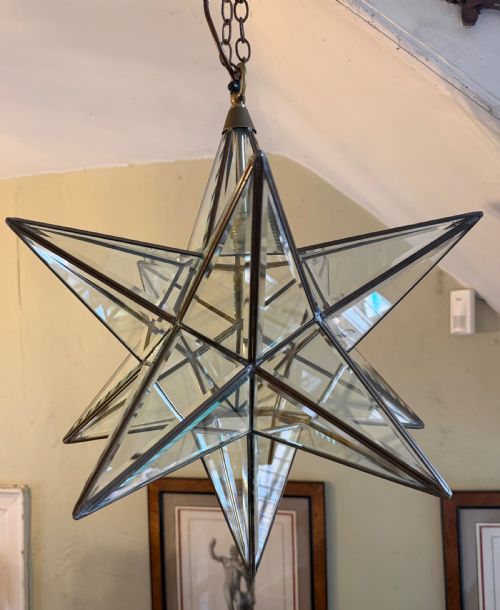
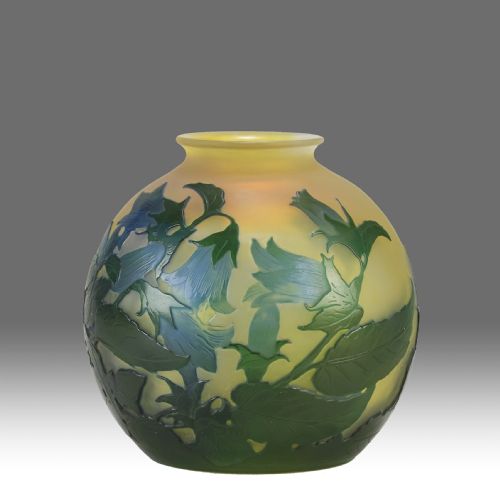
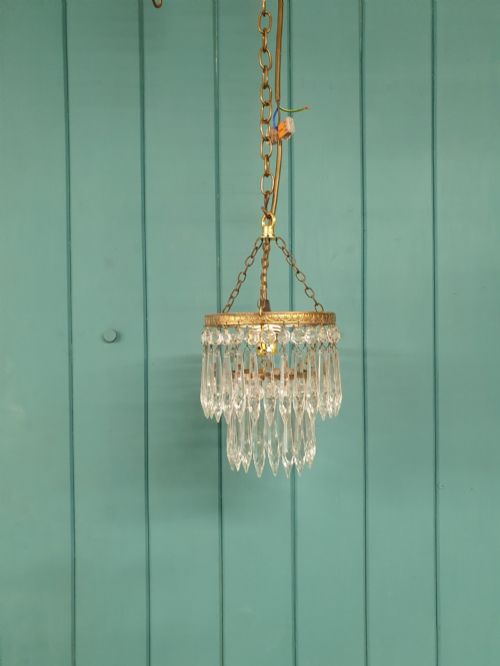
Lighting fixtures form a prominent category, featuring brass-framed bag chandeliers, pendant lights with opaline or moonstone shades, and leaded stained glass lanterns. Alongside these hang decorative vessels, including cameo glass vases and iridescent art glass pieces created by prominent European makers.
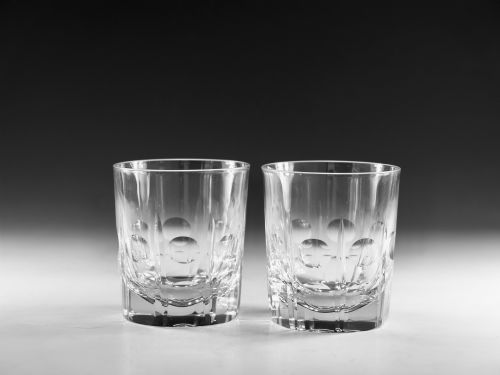
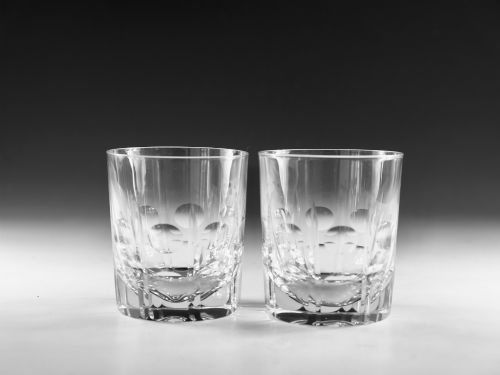
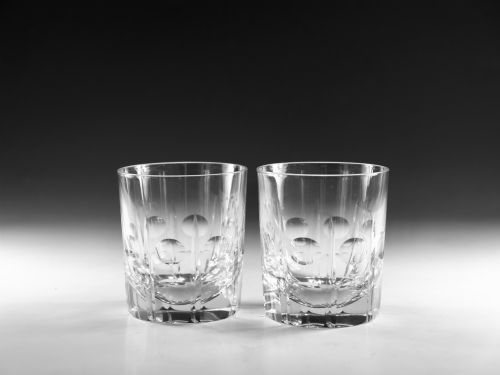
Domestic glassware also appears through matched pairs of cut glass whisky tumblers and wine glasses. These domestic and decorative items reflect the prevalent craftsmanship styles of the period, incorporating Arts and Crafts sensibilities alongside Art Nouveau curves and Art Deco structure.
Materials and Techniques
Makers of early 20th century glass employed varied techniques such as acid-etching, layering, and mould-blowing to achieve distinct surface textures and optical effects. Cut glass and lead crystal pieces relied on meticulous wheel-cutting to create sharp facets that maximised light refraction.
Iridescent and cameo glass vessels utilised chemical treatments and multi-layered glass cased together, then carved down to reveal contrasting colours beneath. Brass, copper, and gilt fittings frequently accompanied these glass bodies, securing shades, prisms, and crystals within hanging lanterns and chandeliers.
Early 20th Century Glass Retail Price Guide 2026
Typical asking prices for early 20th century glass among the pieces listed under this phrase on Sellingantiques today, from the lower quarter to the upper quarter. They describe what is for sale here now, not the wider market.
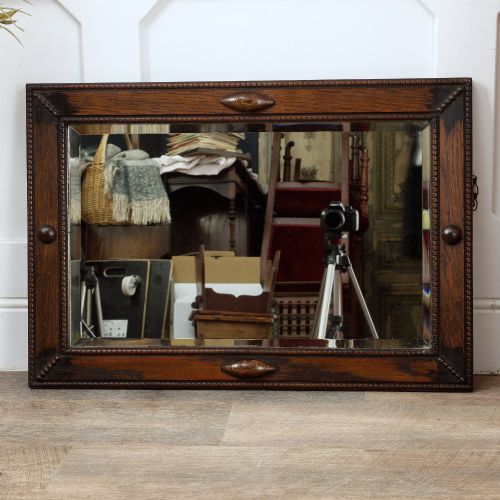
The material palette records frequent pairings of cut glass and lead crystal with brass, oak, and giltwood frames.
Assessing Quality
Quality in early 20th century glass rests upon the depth of the material, the precision of the cut or moulded decoration, and the integrity of any metal mounts. Superior pieces display crisp facet edges, complex chemical iridescence, or finely detailed cameo carving rather than soft lines or flat colouration.
The sophistication of the mounting hardware also signals distinction, with heavy cast brass, bronze, or copper galleries and original chains elevating standard lighting fixtures. Harmonious integration between the glass shade and its metal housing separates standard production items from workshop pieces.
Emile Gallé·Loetz Witwe·Daum Frères·Kralik Glass·Waring & Gillow
The Early 20th Century Glass Glossary
- Cameo glass
- A technique involving the fusing of two or more layers of coloured glass, which are then carved or acid-etched away to produce a relief design. This method requires considerable skill to control layer thickness and contrast.
- Iridescent glass
- Glass treated with metallic salts while hot to produce a shimmering, rainbow-like surface sheen. Popularised by makers seeking to emulate ancient weathered glass.
- Bag chandelier
- A lighting fixture featuring a gathered web of glass drops or crystal prisms suspended in a conical or bag-like shape beneath a metal frame. They concentrate light through dense arrangements of cascading prisms.
- Plafonnier
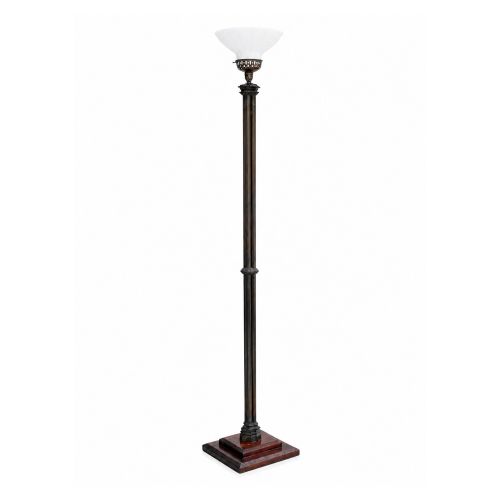
- A ceiling light fixture with a bowl-shaped glass shade mounted directly or closely against the ceiling. These fixtures diffused ambient light evenly across Edwardian and Art Deco interiors.
- Lead crystal
- Glass containing a significant proportion of lead oxide, increasing its weight, clarity, and refractive index. This material allows for deeper, sharper facet cutting.
Early 20th Century Glass: Frequently Asked Questions
How do I clean antique glass?
Wash glass items gently in lukewarm water using mild soap, avoiding harsh scrubbing brushes that might damage aged surfaces or metal mounts.
Dry them thoroughly with a soft lint-free cloth to prevent water spots from forming on cut facets or iridescent finishes.
Were these lights electrified originally?
Many early 20th century lighting fixtures were manufactured during the transition from gas to electricity, while others were adapted later.
Examine the internal wiring galleries and lamp holders to confirm whether components date to the period or represent modern rewiring for safety compliance.
How do I identify Art Nouveau glass?
Art Nouveau pieces typically display organic forms, floral motifs, and flowing iridescent surfaces inspired by natural structures.
Look for signature treatments like cameo plant designs and metallic sheen finishes reminiscent of stems and petals.
Can I use antique tumblers daily?
Heavier lead crystal and cut glass tumblers from this era remain robust enough for occasional or regular dining use.
Hand washing is recommended over automated dishwashers to protect the polished surfaces and structural integrity of older glass.