





Jugendstil Glass Vase
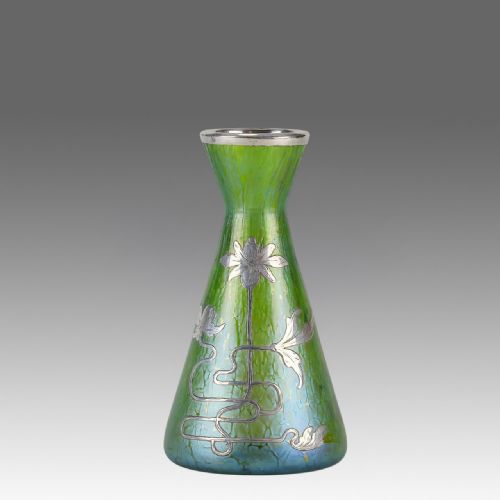
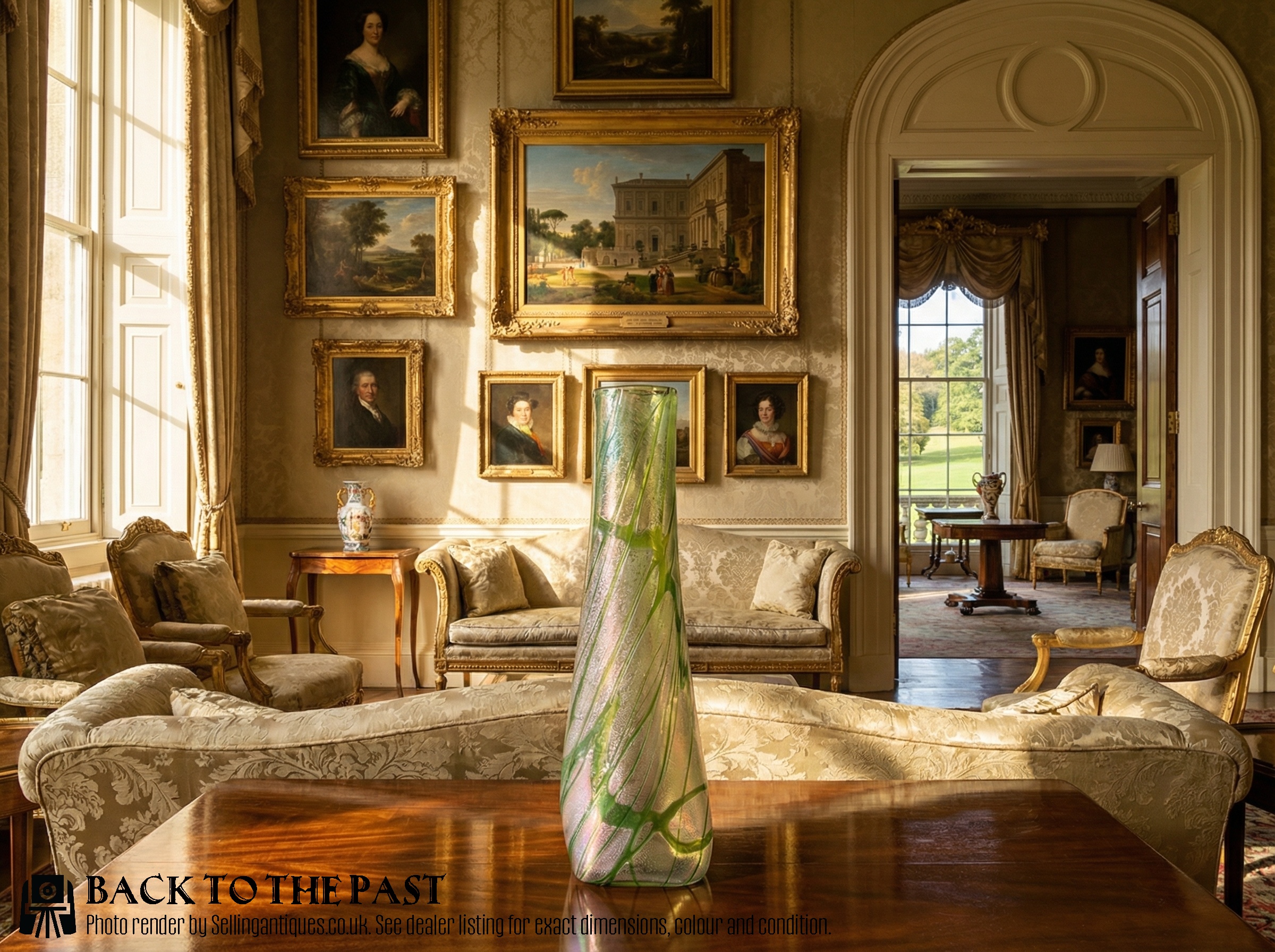
Jugendstil glass vase works bring organic form and iridescent shimmer into a room, capturing the distinct spirit of early twentieth-century design.
What these pieces are
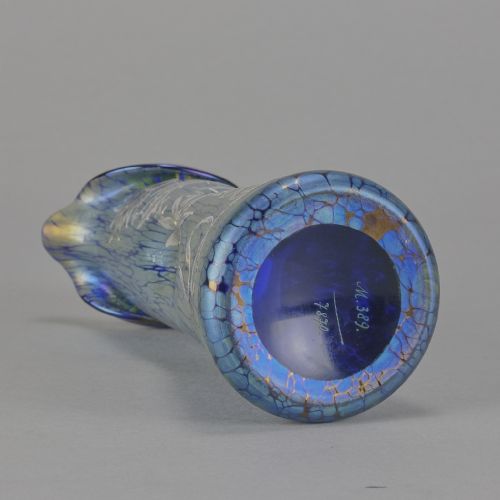
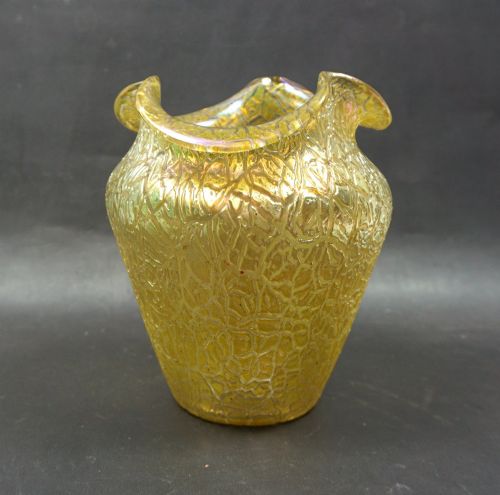
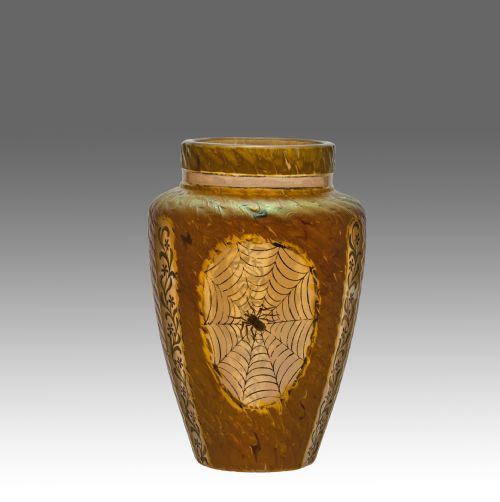
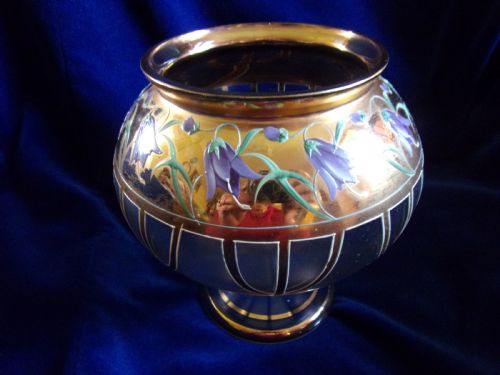
When you search for a jugendstil glass vase, you encounter sculptural vessels shaped by the aesthetics of the Art Nouveau movement and early twentieth-century design. The pieces available here date predominantly from around nineteen hundred, alongside examples from nineteen twenty, showing how makers translated natural motifs into glass.
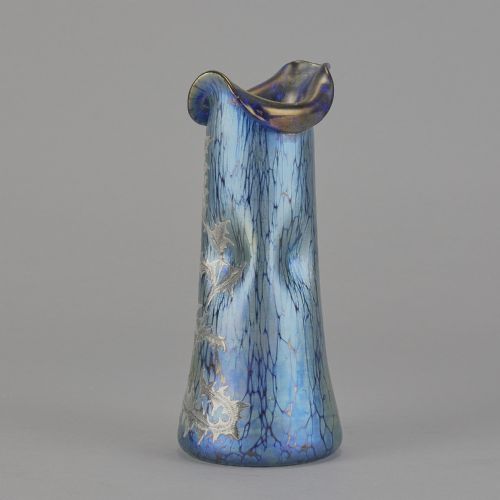
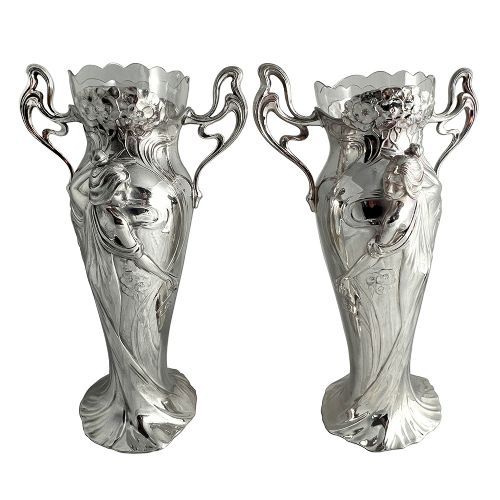
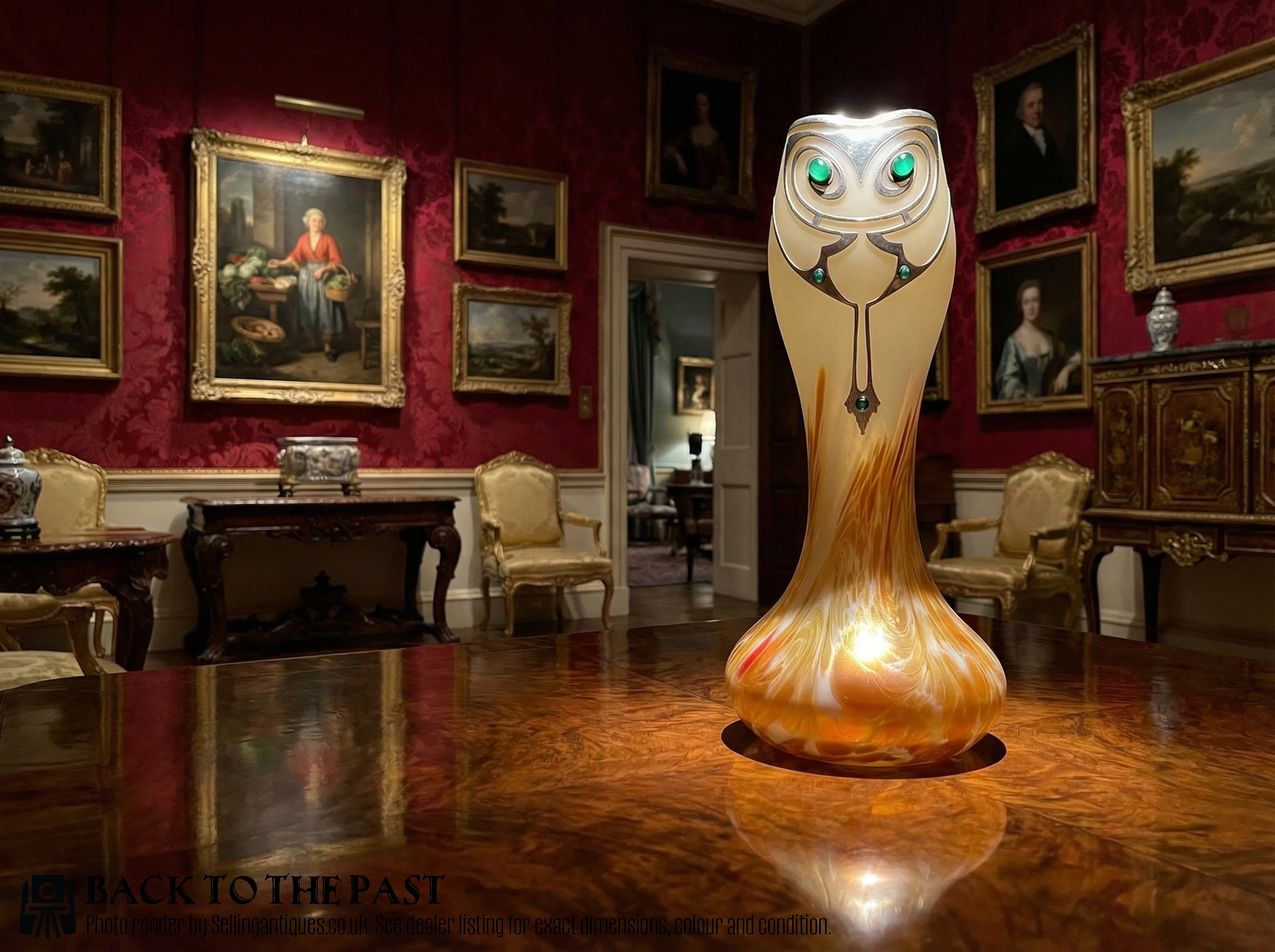
You meet various forms including iridescent glass vessels, examples mounted in pewter or silver, and vases featuring intricate silver overlay with cabochons. Austrian workshops dominate the selection, bringing distinctive metallic sheens and organic contours to the domestic interior.
How they were made
Makers utilised techniques of glassblowing to shape the molten material, introducing metallic oxides while hot to achieve characteristic iridescent surfaces. This created shimmering effects that catch the light from different angles across the body of the vase.
Many glass bodies were subsequently mounted or embellished with metalwork such as sterling silver, pewter, or copper, sometimes incorporating enamel and cabochons. The combination of lustrous glass with applied metal stands or overlays required precise artisanal collaboration.
Retail Price Guide 2026
Typical UK retail prices for jugendstil glass vase, calculated from the Sellingantiques database of over a million retail prices indexed since 2003. This retail price guide relies exclusively on Sellingantiques data; no external sources or auction records are used, so the figures do not describe the wider market.
Some vases wear pewter stands like tiny, bespoke suits of armour.
What varies in quality
Quality across these vessels lies in the depth of the iridescence and the precision of any applied metal mount. Pieces with rich, multi-hued surfaces and integrated pewter or silver stands display a higher degree of workshop ambition.
The sophistication of the glass form itself distinguishes the finer examples from simpler production. Well-executed silver overlays and carefully set cabochons elevate a piece beyond standard decorative wares.
Loetz Witwe·Kralik Glass·Ferdinand von Poschinger·J Reinemann
The Jugendstil Glass Vase Glossary
- Jugendstil
- The German and Austrian manifestation of Art Nouveau, characterised by flowing organic lines and modern design ideals. It influenced decorative arts around nineteen hundred.
- Iridescent glass
- Glass treated with metallic vapours or oxides during production to create a rainbow-like, shimmering surface sheen. This finish is a hallmark of the period.
- Cabochon
- A polished, convex gemstone or coloured glass piece left uncut with facets, often set into metal mounts or overlays on decorative objects. It adds tactile contrast to smooth glass.
- Silver overlay
- Decorative metalwork applied directly to the exterior of a glass vessel, often forming botanical patterns. It requires skilled etching and attachment to the curved surface.
Frequently Asked Questions
What is a jugendstil glass vase?
These vessels are decorative glass objects created during the early twentieth century under the influence of the Art Nouveau movement. They combine organic forms with experimental glass treatments.
They reflect the artistic priorities of Austrian and European workshops of the period, prioritising craftsmanship and naturalistic beauty.
How do I display them?
Place them where natural light can strike the iridescent surfaces, as illumination brings out the shifting metallic tones in the glass.
Keep them away from direct edges or high-traffic areas to protect delicate applied metal mounts and silver overlays.
Are metal mounts original?
Many pieces were paired with pewter stands or silver overlays by the original makers or associated metalwork studios during production.
Examine how the metal interacts with the glass contours to understand the unified design of the piece.
How do I date these vases?
Dating relies on stylistic markers of Art Nouveau design, workshop signatures, and known production periods around nineteen hundred.
Comparative examples from the same Austrian and European makers help narrow the timeframe of manufacture.