



Gilded Glass Vase
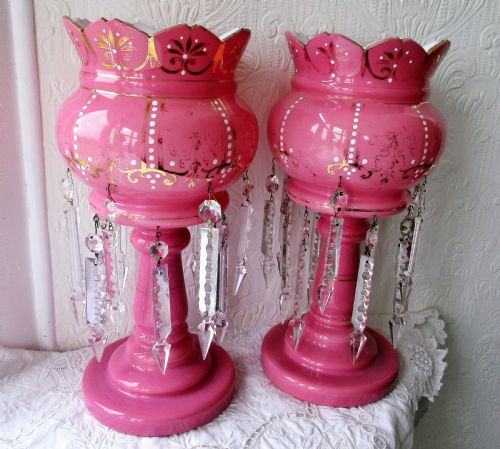
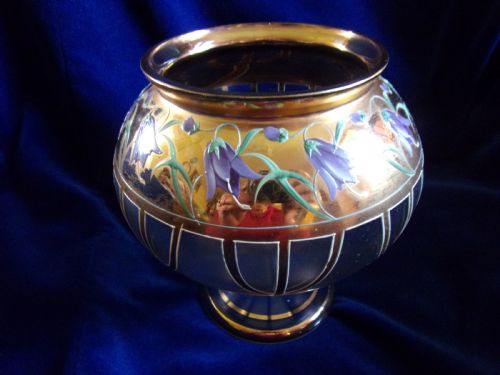
These gilded glass vase examples bring rich surface decoration and coloured glass from the nineteenth and early twentieth centuries into modern interiors.
Understanding the gilded glass vase
A gilded glass vase combines coloured or clear glass bodies with applied gold leaf or gold enamel details, creating striking contrasts of bright metal against rich backgrounds. Buyers searching for a gilded glass vase encounter various nineteenth and twentieth-century forms, spanning Victorian production through to Art Nouveau aesthetics.
The pieces appearing on this page most commonly date from the late nineteenth century to around nineteen ten, reflecting popular periods of glass ornamentation. Forms range from slender floral motifs to robust cased glass shapes, originating from English, French, and Bohemian makers.
Materials and construction methods
Makers utilised various glass types including vaseline glass, overshot glass, cased glass, and deep red or blue bodies, often building depth through layered materials. Surfaces were then enhanced using gold leaf, gold enamel, and detailed polychrome enamelling depicting floral or natural motifs.
Techniques combined traditional glassblowing with careful hand painting and gilding applied to the exterior surface. Artisans frequently integrated raised reliefs, engraving, or applied enamel to create textured designs beneath or alongside the gold work.
Assessing quality and craftsmanship
Quality in these pieces rests upon the precision of the hand painting and the durability of the applied gold leaf or enamel. Finer examples display intricate brushwork and securely bonded metals that have survived generations without severe loss.
The weight and depth of the glass itself also separate standard production from superior items, particularly in cased and coloured vessels. Well-executed pieces show deliberate proportion between the glass body and the complexity of the surface ornamentation.
Philippe-Joseph Brocard·St Louis·Legras·Moser
The Gilded Glass Vase Glossary
- Cased glass
- Glass formed of two or more distinct layers of different colours, often cut back to reveal the contrasting underlayer. This technique adds visual depth to decorative vessels.
- Vaseline glass
- Uranium glass that exhibits a distinct yellowish-green tint and glows brightly under ultraviolet light. It gained immense popularity during the Victorian and Edwardian periods.
- Overshot glass
- Glass that has been rolled in crushed glass fragments before reheating and blowing, producing a textured, frosted surface. This creates a tactile finish that catches the light differently than smooth vessels.
- Enamel
- Opaque glass paste applied to the surface of a vessel and fired to fuse permanently. It provides bright, lasting colour alongside gold details.
Frequently Asked Questions
What is cased glass?
Cased glass involves fusing multiple layers of different coloured glass together during the blowing process.
This method allows artisans to create rich external colours while maintaining a contrasting interior or base layer.
How do I clean a gilded glass vase?
These decorative vessels require gentle cleaning with a soft, dry cloth to protect fragile gold leaf and enamel.
Water and harsh cleaning agents should generally be avoided to preserve the historic surface decoration.
When were these vases made?
The pieces listed span from the mid nineteenth century through to the early twentieth century.
Most examples originate from Victorian, Edwardian, and Art Nouveau periods of European glass production.
Are these vases signed?
Certain pieces feature artist signatures or factory marks, though many nineteenth-century examples remain unsigned.
Attribution typically relies on distinct decorative styles, colour palettes, and manufacturing techniques characteristic of specific makers.