




Red Glass Vase
A red glass vase brings striking warmth to a room, ranging from deep cranberry tones to bright scarlet shades across various historical periods.
Red Glass Vase
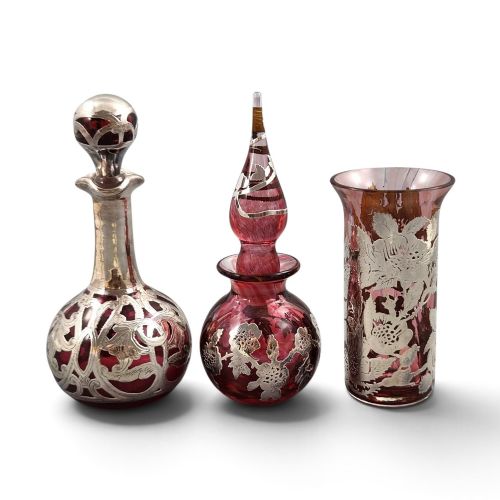
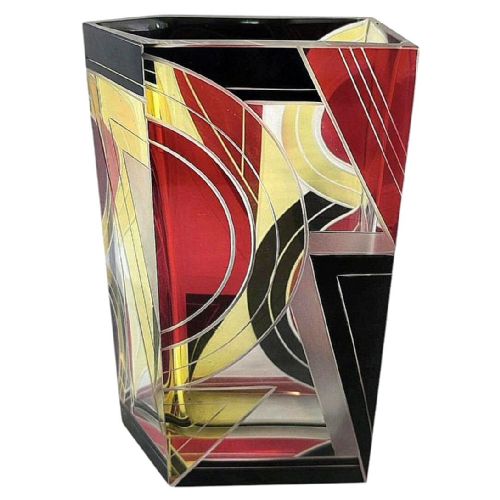
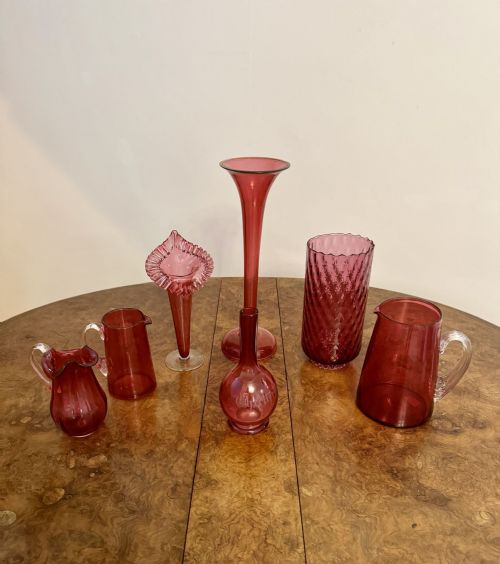
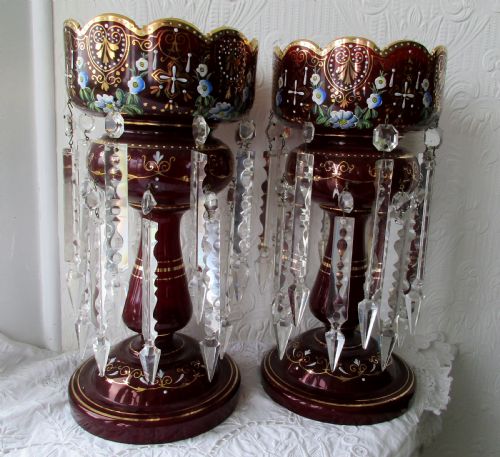
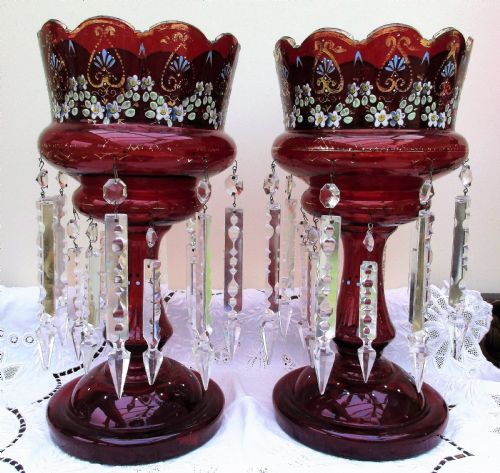
When you search for a red glass vase, you encounter a diverse range of vessels spanning the nineteenth and twentieth centuries, produced across Britain, France, Belgium, and Bohemia. These pieces appear in varied forms, including trumpet shapes, mantel lustres, floor vases, and cabinet pieces.
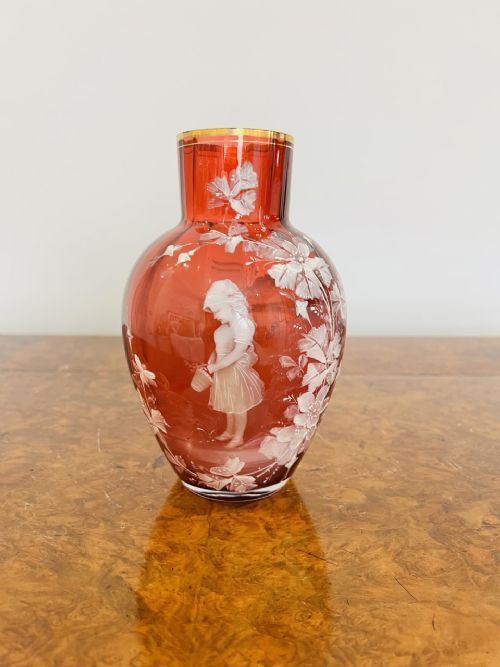
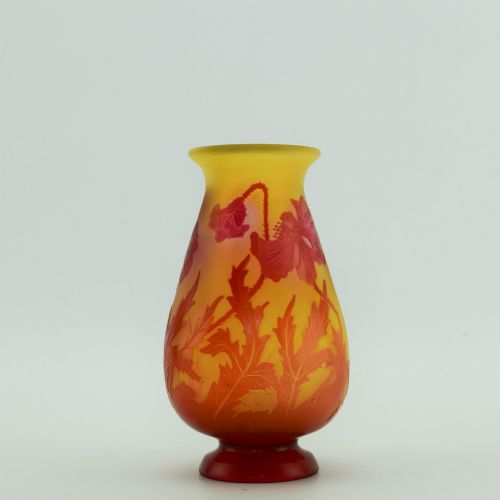
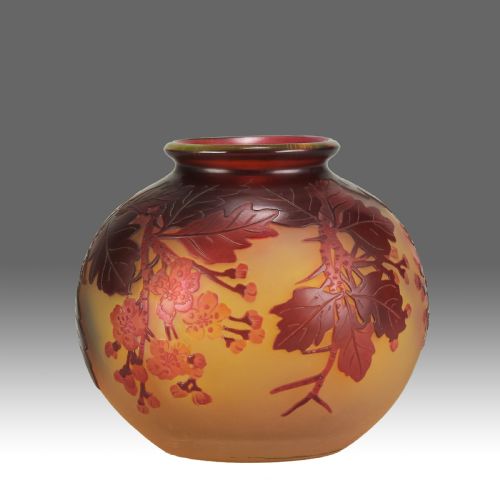
You are most likely to meet Victorian cranberry glass and ruby glass examples, alongside intricate French and Bohemian cameo glass creations from the Art Nouveau and Art Deco periods. The selection encompasses smaller decorative items as well as large display pairs.
Makers utilised distinct regional methods to achieve rich crimson hues, applying techniques from simple flash overlays to multi-layered cameo carving.
How they were made
Glassmakers created deep red colouration by adding gold or copper compounds to the molten batch, producing rich ruby and cranberry tones. Layers of red over clear crystal or contrasting opaque glass allowed artisans to carve intricate designs through surface layers.
Cameo glass vessels required sophisticated acid-etching or wheel-carving techniques to expose contrasting backgrounds beneath the red exterior. Artisans frequently embellished surfaces with gold leaf, enamel decoration, or applied floral motifs.
Red Glass Vase Retail Price Guide 2026
Typical asking prices for red glass vase among the pieces listed under this phrase on Sellingantiques today, from the lower quarter to the upper quarter. They describe what is for sale here now, not the wider market.
Listings feature Victorian, Art Nouveau, and Art Deco periods, utilising materials such as cameo glass, enamel, and gold leaf.
What varies in quality
The sophistication of the cameo carving or enamel detailing distinguishes exceptional examples from standard production items. Crisp lines in acid-etched motifs and precise layering indicate superior workmanship by skilled artisans.
The depth and clarity of the red glass itself, particularly in flash and over-crystal pieces, determines the visual weight and brilliance of the vessel. Heavier metal content and balanced proportions mark the upper tier of glassmaking.
Emile Galle·Thomas Webb and Sons·Val St Lambert·Daum Freres·Paul Nicolas
The Red Glass Vase Glossary
- Cranberry Glass
- A transparent pinkish-red glass coloured with gold chloride. It appears frequently in Victorian tableware and decorative vases.
- Cameo Glass
- Glass vessels created by fusing two or more distinct layers of colour and carving away the outer layer to form a raised design. This technique reached high artistic peaks during the Art Nouveau period.
- Ruby Glass
- A deep, rich red glass traditionally produced using copper or gold oxide. It forms the basis of many nineteenth-century mantel lustres and display pieces.
- Flash Glass
- A thin layer of coloured glass applied over a colourless or contrasting glass core before blowing. This method allowed craftsmen to cut through the thin top layer to reveal the contrasting base.
- Mantel Lustre
- A decorative Victorian vase fitted with hanging glass prisms. These ornaments sat on mantelpieces to reflect candlelight.
Red Glass Vase: Frequently Asked Questions
How do I date a red glass vase?
Dating relies on identifying stylistic markers, manufacturing techniques, and signatures. Victorian pieces often feature simple ruby or cranberry coloration with enamel decoration, while Art Nouveau examples frequently display cameo carved flora associated with French makers.
Examining the pontil mark on the base also provides clues about production methods and age. Older hand-blown vessels typically exhibit rough, ground pontil scars distinct from modern machine-made bottoms.
What is the difference between ruby and cranberry glass?
Ruby glass tends to have a deeper, more saturated crimson tone, whereas cranberry glass presents a lighter, pinker hue. The distinction often relates to the specific minerals used in the melting process.
Cranberry glass gained immense popularity during the Victorian era for smaller decorative tableware and epergnes. Ruby glass frequently appeared in heavier presentation items and mantel lustres.
Where were these glass vases made?
Production centres spanned across Europe, with significant output originating from Britain, France, and Bohemia. English glasshouses specialised in cranberry tableware, while French studios excelled in cameo techniques.
Bohemian manufacturers produced heavy overlaid and flash glass pieces that found eager markets internationally. Each region imparted distinct regional aesthetics to the finished vessels.