


Tubelined Art Pottery
Tubelined art pottery brings rich relief and vibrant coloured glazes into a room, capturing decades of hand-crafted ceramic design.
Tubelined Art Pottery
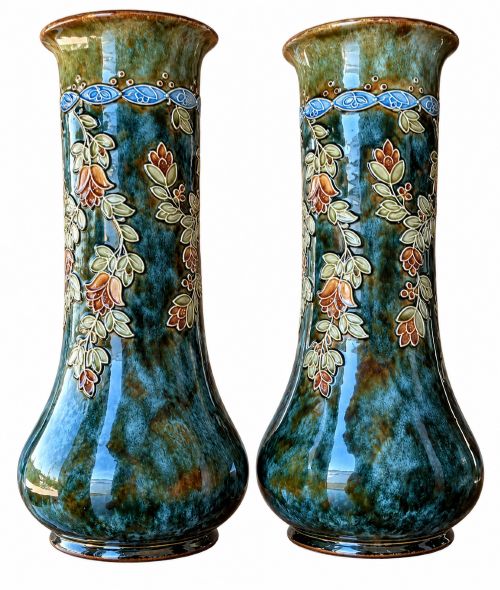
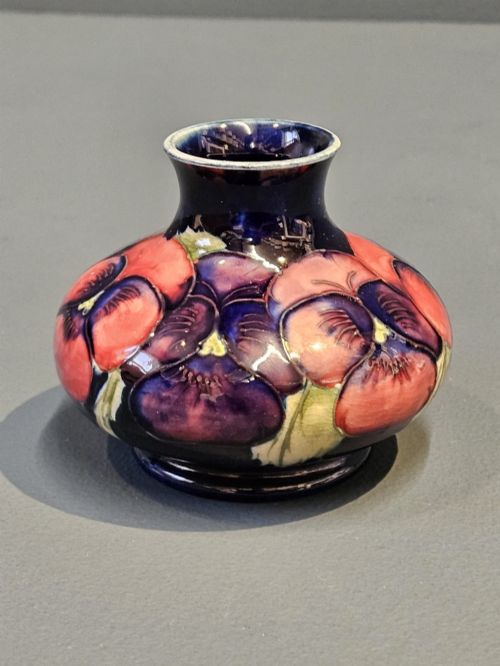
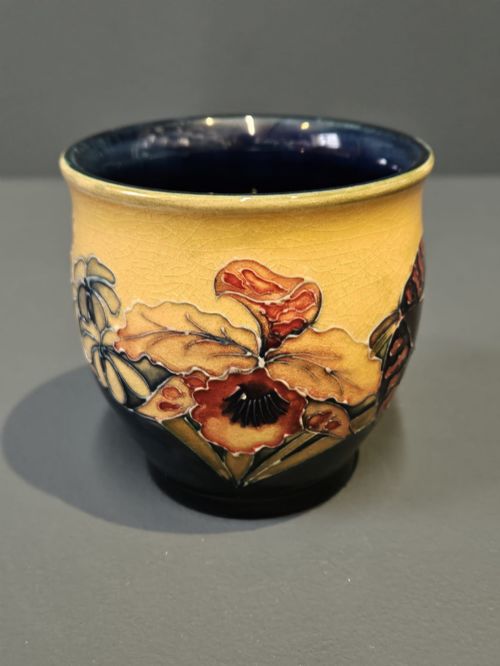
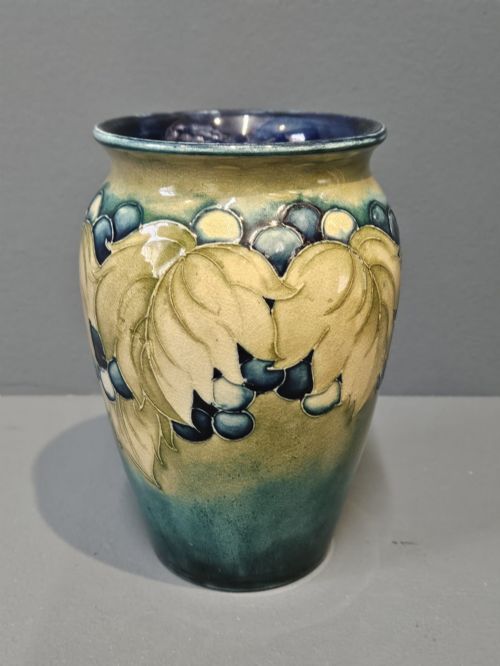
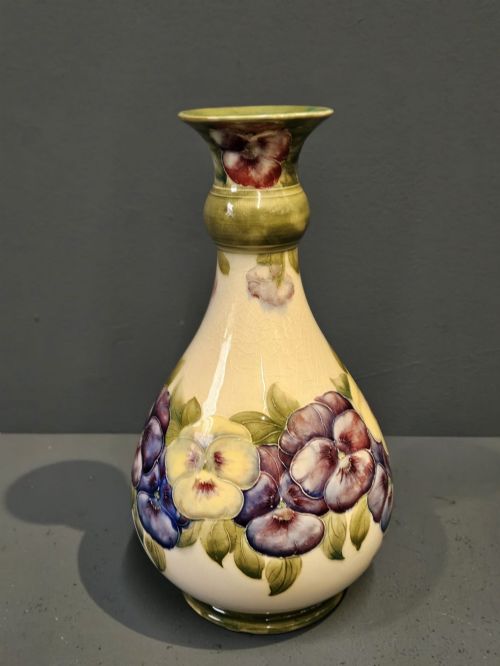
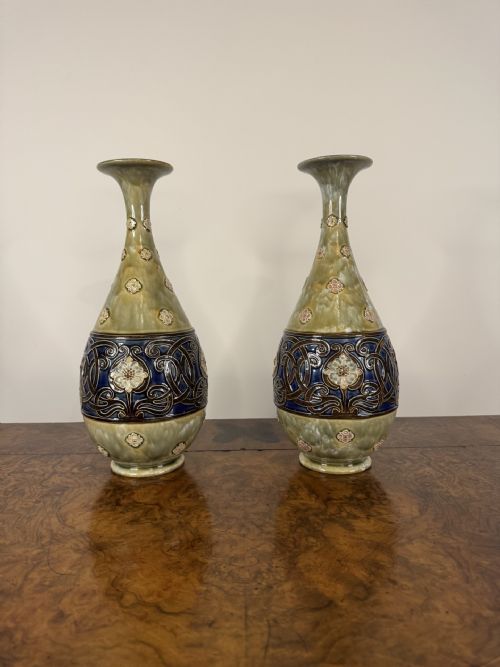
Tubelined art pottery consists of decorative vases, chargers, bowls, and plates that display raised clay outlines trapping vibrant coloured glazes.
The pieces on this page span several decades, ranging from nineteenth-century examples through to twentieth-century Art Nouveau, Arts and Crafts, and Art Deco designs.
Vases and chargers dominate the selection, often bearing floral motifs like pansies, orchids, and pomegranates alongside geometric patterns.
Making and materials
Potters form these vessels using earthenware, stoneware, and ceramic bodies before applying liquid clay through a fine nozzle to map out the design.
This raised line creates compartments that hold pools of coloured glaze and prevent the pigments from running together during firing.
Selected pieces incorporate delicate details such as gold leaf or lustrous finishes to catch the light across the surface.
Tubelined Art Pottery Retail Price Guide 2026
Typical asking prices for tubelined art pottery among the pieces listed under this phrase on Sellingantiques today, from the lower quarter to the upper quarter. They describe what is for sale here now, not the wider market.
Listings span production dates from 1880 through to the 1930s, encompassing Art Nouveau, Arts and Crafts, and Art Deco movements.
Assessing quality
Quality rests on the crispness of the raised clay lines and the precision with which the glazes fill each partitioned cell.
Early or signed studio pieces demonstrate greater artistic ambition through complex botanical patterns and careful hand-painting.
The balance of the form and the richness of the fired glaze determine the visual impact of each vessel.
Royal Doulton·Moorcroft·Minton Secessionist·Charlotte Rhead·Cranston
The Tubelined Art Pottery Glossary
- Tubelining
- A ceramic decoration technique where a thin stream of liquid clay is squeezed onto a vessel to form raised outlines for colour.
- Earthenware
- A porous pottery body fired at lower temperatures, commonly used as a base for brightly glazed decorative wares.
- Stoneware
- A dense, impermeable ceramic fired at high temperatures, offering durability and a heavier weight.
- Charger
- A large decorative plate intended for display rather than for serving food at the table.
- Lustre
- A metallic glaze finish that creates an iridescent sheen across the ceramic surface.
Tubelined Art Pottery: Frequently Asked Questions
How do I clean tubelined pottery safely?
Dust these vessels gently with a soft, dry cloth to protect the raised clay lines and delicate glaze surfaces from abrasion.
Avoid immersing antique ceramics in water, as moisture can penetrate porous earthenware bodies over time.
Where should I display my chargers?
Large decorative chargers look striking mounted on sturdy wall brackets or supported on dedicated plate stands within a well-lit cabinet.
Keep them away from direct sunlight to preserve the depth of the coloured glazes.
How do I identify Art Nouveau pieces?
Art Nouveau examples typically feature flowing organic lines, stylized floral motifs, and earthy tones reminiscent of natural plant forms.
These pieces often date from the late nineteenth century up to the First World War.
What defines Art Deco tubelined pottery?
Art Deco designs rely on geometric patterns, symmetrical arrangements, and bold, contrasting colour palettes that reflect the aesthetics of the interwar period.
Signature makers from this era include designers like Charlotte Rhead.