



Moorcroft Pottery Vase
These moorcroft pottery vase examples bring together rich earthenware forms and deep glazes that collectors prize for their distinct decorative character.
What they are
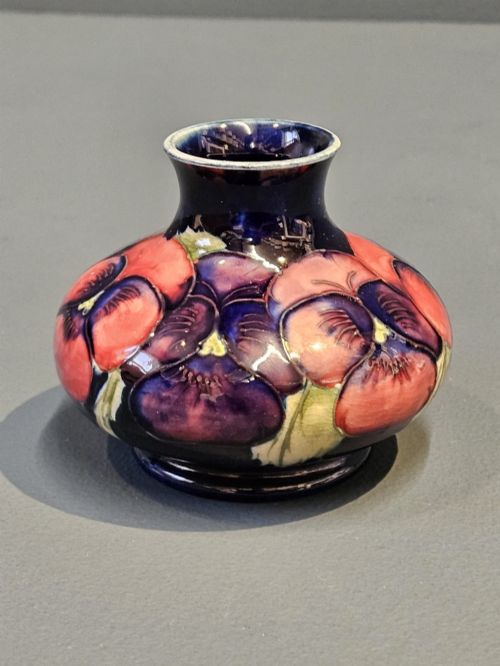
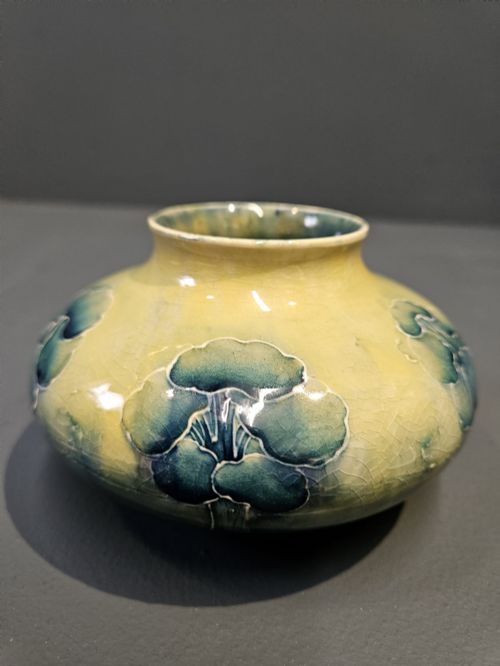
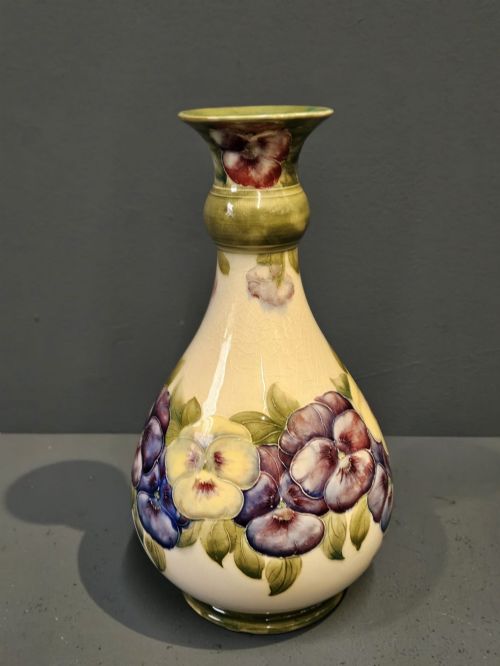
A moorcroft pottery vase represents a tradition of ceramic artistry spanning the early twentieth century, particularly the decades of the nineteen-twenties and nineteen-thirties. These pieces emerge in various forms, from miniature vessels to large display items intended for decorative interior display.
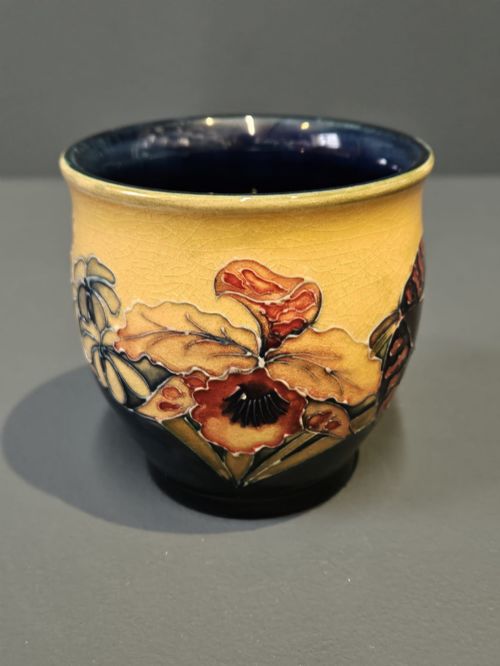
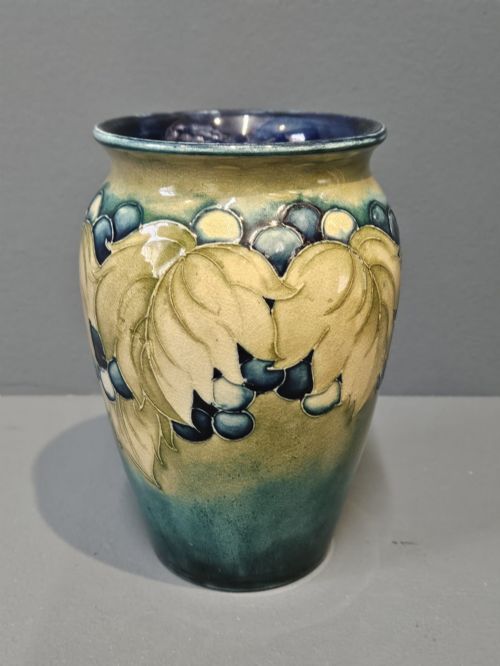
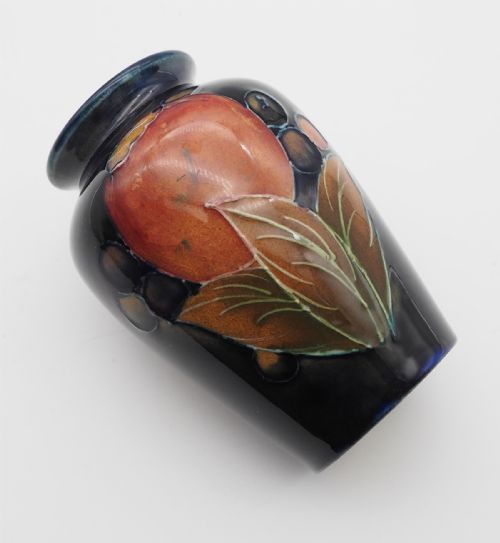
The objects seen here encompass distinct stylistic movements, most notably Arts and Crafts and Art Deco aesthetics. Buyers frequently encounter motifs inspired by the natural world, such as leaves, berries, and floral patterns.
How they were made
Potters shaped these vessels from earthenware and ceramic bodies, building up the form before applying rich surface finishes. Glaze chemistry played a crucial role in defining the final appearance, utilising techniques like salt glazing to achieve unique surface textures.
Raised tube-lining often formed the outlines of the botanical designs, trapping pools of vibrant colour within the compartmentalised clay walls. Firing in traditional kilns then bonded these vitreous coatings permanently to the porous earthenware base.
Miniature flower vessels prove that great botanical ambition fits comfortably into the palm of a hand.
What varies in quality
Quality in a moorcroft pottery vase rests on the crispness of the modelled decoration and the depth of the glaze firing. Pieces exhibiting rich colour saturation and precise control over the tube-lined motifs stand distinctly apart from simpler iterations.
Scale and ambition also define the hierarchy, with larger and more complex botanical compositions commanding greater visual presence than modest miniature examples. The harmony between the ceramic body shape and the applied glaze dictates the overall success of the piece.
The Moorcroft Pottery Vase Glossary
- Earthenware
- Porous pottery fired at lower temperatures than stoneware, requiring a vitreous glaze to ensure it holds water. This foundational material absorbs pigments deeply.
- Tube-lining
- A ceramic decoration technique where slip is squeezed through a nozzle onto the clay body to create raised outlines. It forms the characteristic ridges on these botanical vessels.
- Salt glaze
- A finish achieved by throwing common salt into the kiln during high-temperature firing, producing a characteristic textured surface. This technique creates a distinctive orange-peel effect on the ceramic.
- Celadon
- A pale green jade-like glaze originating in East Asia that accentuates carved or raised surface details. It provides a subtle, restrained backdrop for naturalistic motifs.
Frequently Asked Questions
How old are these vases?
The examples recorded here date from the early decades of the twentieth century, specifically spanning the nineteen-twenties and nineteen-thirties.
Production methods and stylistic markers from these periods help establish their place within the broader history of British studio ceramics.
What motifs appear on them?
Botanical themes dominate the surface decoration, featuring recurring natural elements such as leaves, berries, orchids, and flowers.
These designs reflect both Arts and Crafts sensibilities and subsequent Art Deco interpretations of organic forms.
How should I display them?
These decorative vessels suit placement on plain surfaces where their coloured glazes and textured tube-lining can catch the light.
Keeping them away from direct, harsh sunlight helps preserve the integrity of the ceramic body and surface finish over time.
Are all pieces glazed?
Almost all pieces feature specialised ceramic coatings, ranging from smooth glossy finishes to textured salt glazes.
These coatings serve both to seal the porous earthenware beneath and to enhance the depth of the botanical designs.