
Antique Floral Vase
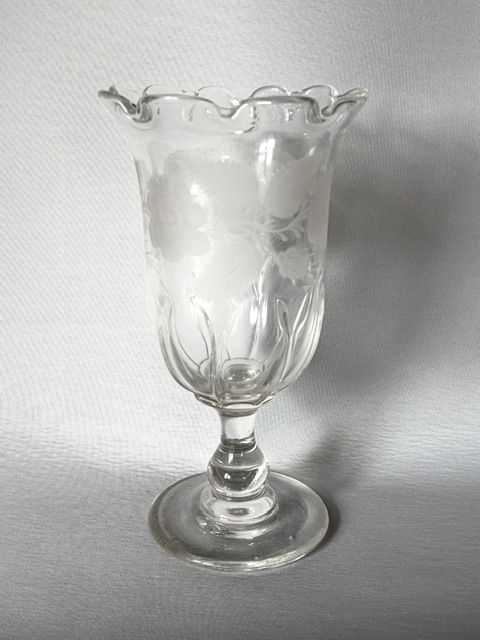
When you search for an antique floral vase, you encounter a diverse gathering of ceramic, glass and porcelain vessels shaped by distinct regional traditions spanning multiple centuries.
Antique Floral Vase
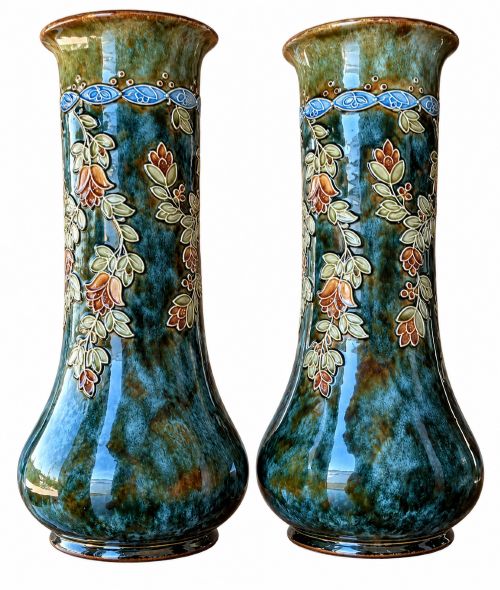
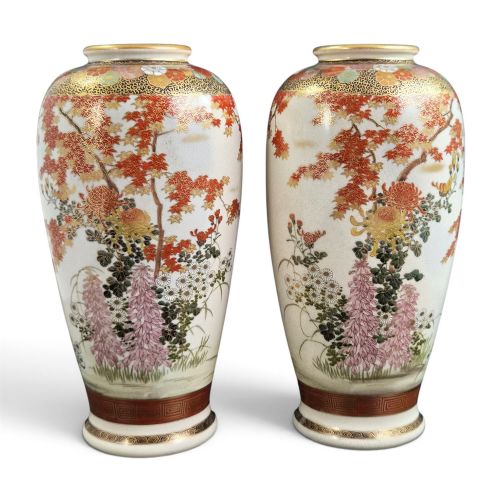
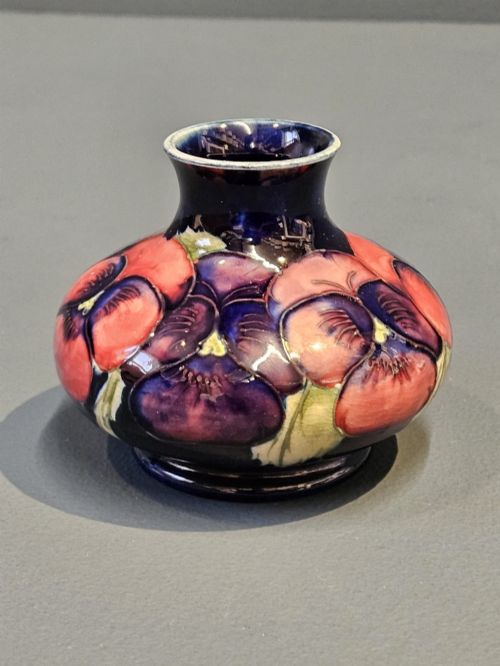
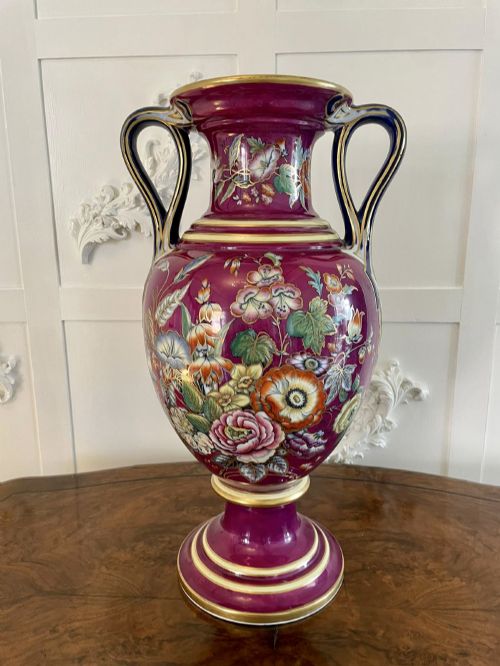
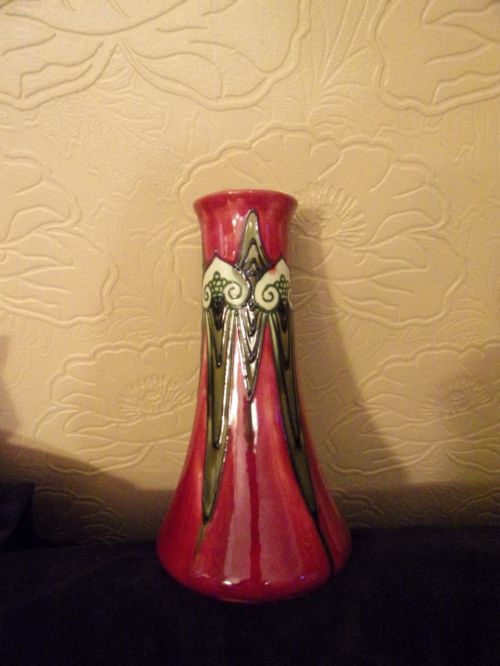
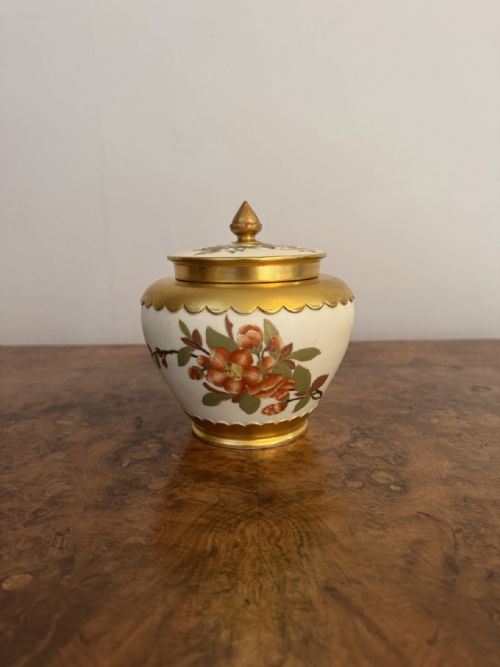
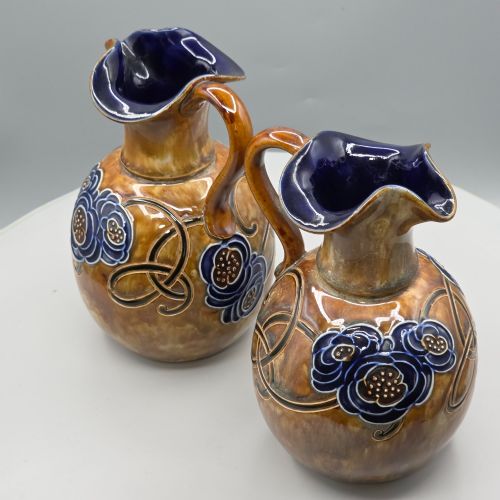
An antique floral vase brings together painted, moulded or glazed botanical motifs across various historical periods, ranging from nineteenth-century European porcelain to Japanese Satsuma and Imari wares. You will frequently encounter earthenware, stoneware and porcelain creations shaped during the Victorian, Edwardian and Art Nouveau eras, reflecting changing domestic tastes in interior decoration.
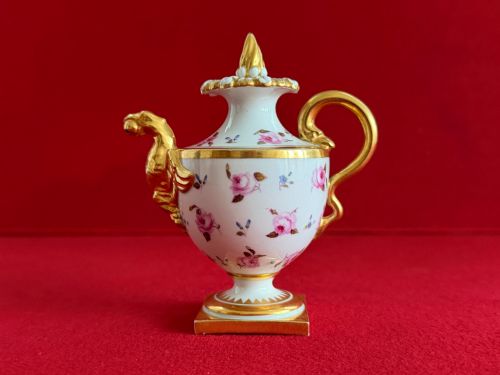
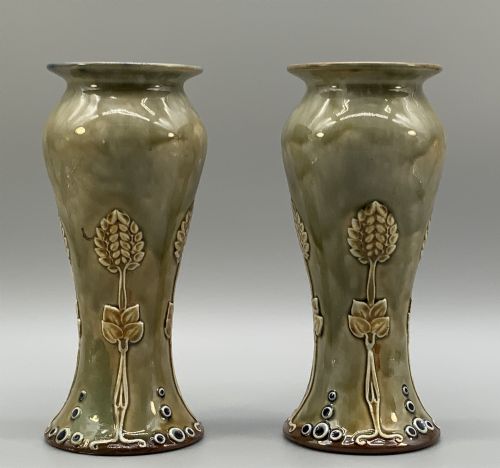
Makers utilised specific techniques to render flowers upon clay and glass, producing everything from intimate cabinet vessels to large floor-standing containers and lidded potpourri pots. The physical form often dictates the style, with organic plant lines defining Art Nouveau pieces while classical symmetry governs earlier nineteenth-century porcelain and earthenware urns.
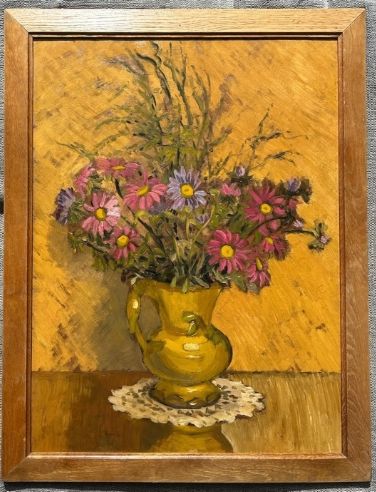
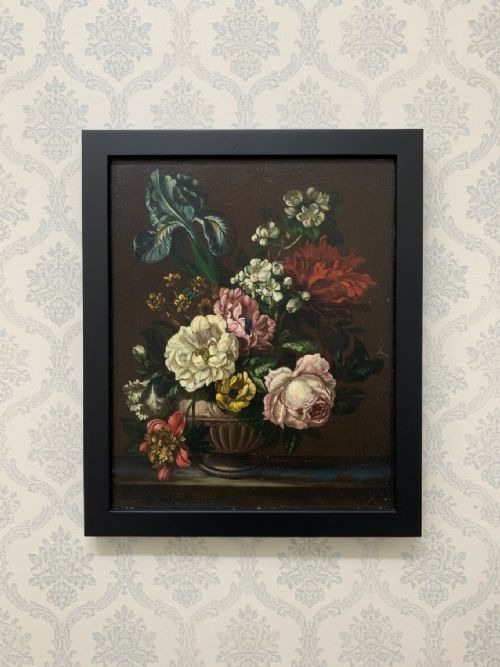
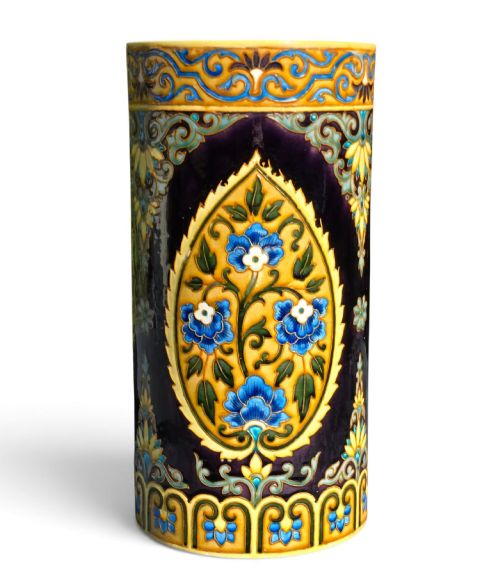
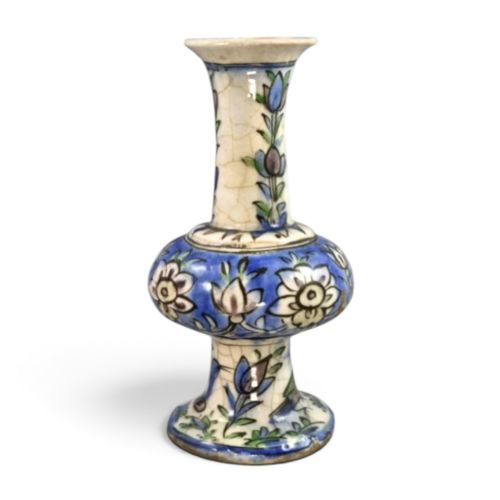
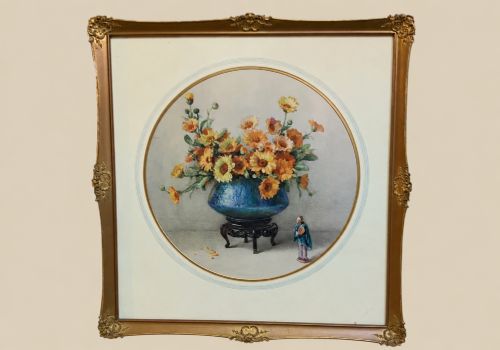
The selection includes specialised regional outputs such as English studio ceramics, French faience, Chinese cloisonné and Persian glazed earthenware alongside oil paintings depicting flower arrangements. Each period contributes distinct surface decoration, whether through tube-lined pottery, hand-painted polychrome panels or delicate enamel applications.
Evaluating craftsmanship and execution
The precision of hand-painted botanical detail and the clarity of the underlying glaze separate exceptional studio output from standard commercial production. Skilled hands achieved delicate shading in petal structures and fluid control in tube-lined or enamelled designs, whereas lesser examples display mechanical uniformity or hurried brushwork.
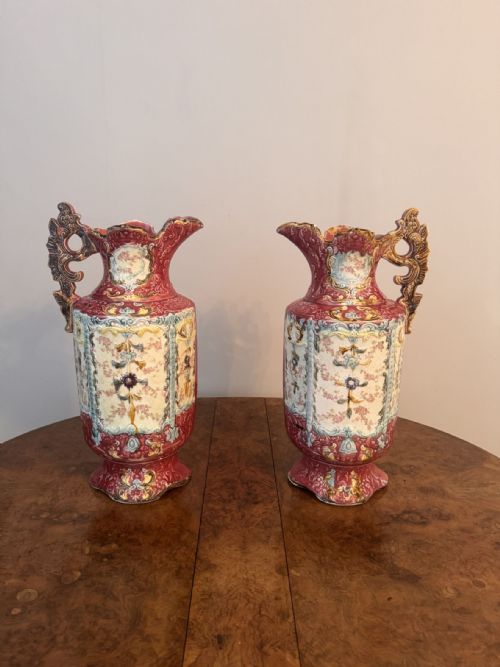
The integration of form and material reveals the maker's mastery, where the weight of the porcelain, the balance of twin handles and the richness of the gilding operate in harmony. Superior pieces maintain crisp definition in moulded motifs and pure colouration across complex multi-fired glazes without clouding or surface pooling.
Antique Floral Vase Retail Price Guide 2026
Typical asking prices for floral vase among the pieces listed under this phrase on Sellingantiques today, from the lower quarter to the upper quarter. They describe what is for sale here now, not the wider market.
Materials documented span hand-painted glazes, gold leaf gilding, cloisonne wirework and delicate glass.
Royal Doulton·Moorcroft·Royal Worcester·Crown Derby·Flight Barr and Barr·Maruni Kobe·Sitzendorf·Théodore Deck·Emile Gallé
The Antique Floral Vase Glossary
- Glaze
- A vitreous coating applied to ceramic bodies to seal the porous clay and provide a smooth, waterproof decorative surface. Master potters formulated specific mineral mixtures to achieve desired glossy or matte finishes during firing.
- Tube-lined
- A decorative ceramic technique where a thin trail of liquid clay is squeezed through a nozzle onto the vessel body to outline floral patterns. The raised channels are then filled with contrasting coloured glazes before firing.
- Cloisonné
- An ancient metalworking method where flat wires are soldered onto a base to form compartments that are filled with coloured enamel paste. The piece is then fired and polished to reveal intricate designs.
- Imari
- A traditional Japanese style of porcelain decoration characterised by a palette of underglaze blue, iron red, and added gold leaf. Artisans applied these dense botanical and abstract motifs across various vessel forms.
- Porcelaneous
- A ceramic material sharing many physical properties with true porcelain, combining fine-grained vitrified body strength with high density. It offered nineteenth-century makers a robust alternative for large decorative urns and vases.
Antique Floral Vase: Frequently Asked Questions
How do I date an antique floral vase?
Dating relies primarily on factory marks, signature styles, and the specific material composition associated with known periods like the Victorian era or Art Nouveau movement. Examining the base markings often reveals the exact pottery or workshop responsible for the piece.
Stylistic shifts in floral rendering also provide chronological clues, moving from rigid classical symmetry toward organic, flowing plant forms as the nineteenth century progressed into the twentieth.
What is the difference between earthenware and porcelain vases?
Earthenware is fired at lower temperatures, resulting in a porous ceramic body that requires an opaque glaze to remain watertight. Porcelain utilises refined kaolin clay fired at much higher heat, producing a vitrified, non-porous and sometimes translucent material.
Porcelain vessels typically offer finer detail retention in painted floral decoration, whereas earthenware pieces often showcase robust, textured glazes and heavier wall construction.
How were antique vases used in period homes?
These vessels served as functional holders for fresh cut flowers or dried botanicals, as well as standalone decorative ornaments displayed upon mantelpieces and pedestals. Larger floor-standing forms occupied empty corners in grand nineteenth-century drawing rooms.
Lidded versions, such as potpourri pots, functioned specifically to fragrance domestic interiors by releasing dried aromatic plant materials through pierced covers.
How should I display a ceramic vase safely?
Position your vessel away from direct sunlight and areas subject to sudden temperature fluctuations, which can stress historical glazes and ceramic bodies over time. Ensure the supporting surface is stable and level to prevent accidental tipping.
Avoid placing heavy objects inside delicate porcelain or earthenware pieces, restricting their function to light decorative displays or dry floral arrangements.