
Blue Ceramic Urn
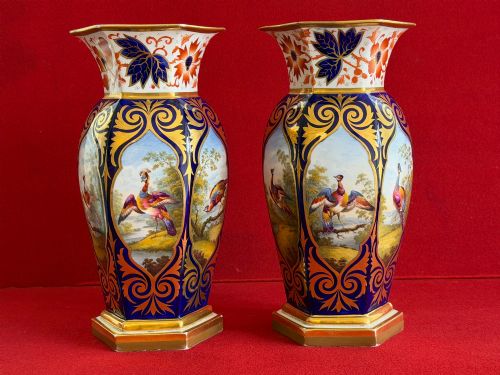
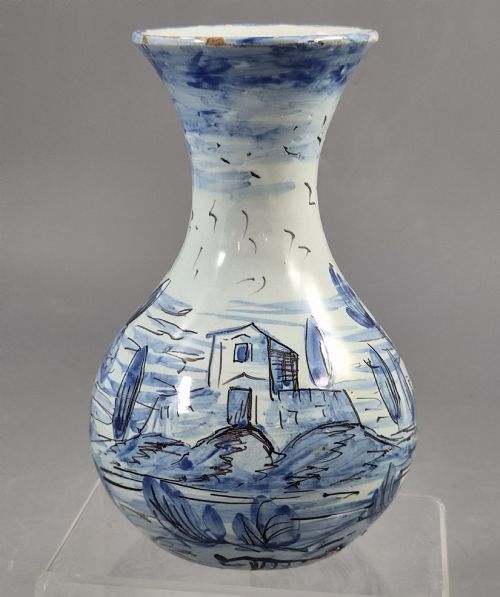
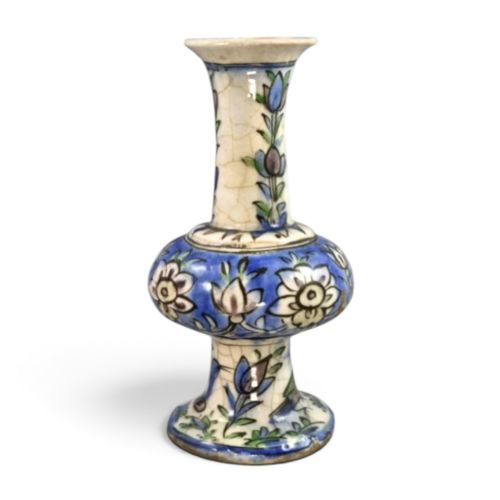
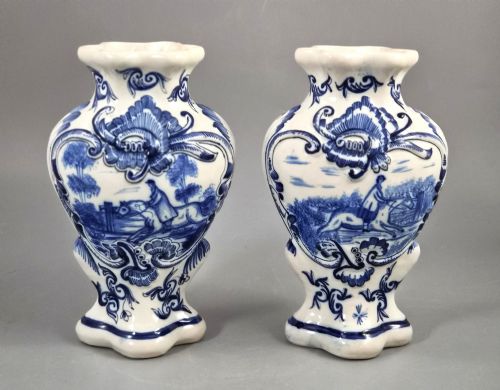
These blue ceramic urn examples bring rich indigo and cobalt glazes to any room, offering classic form and historical presence.
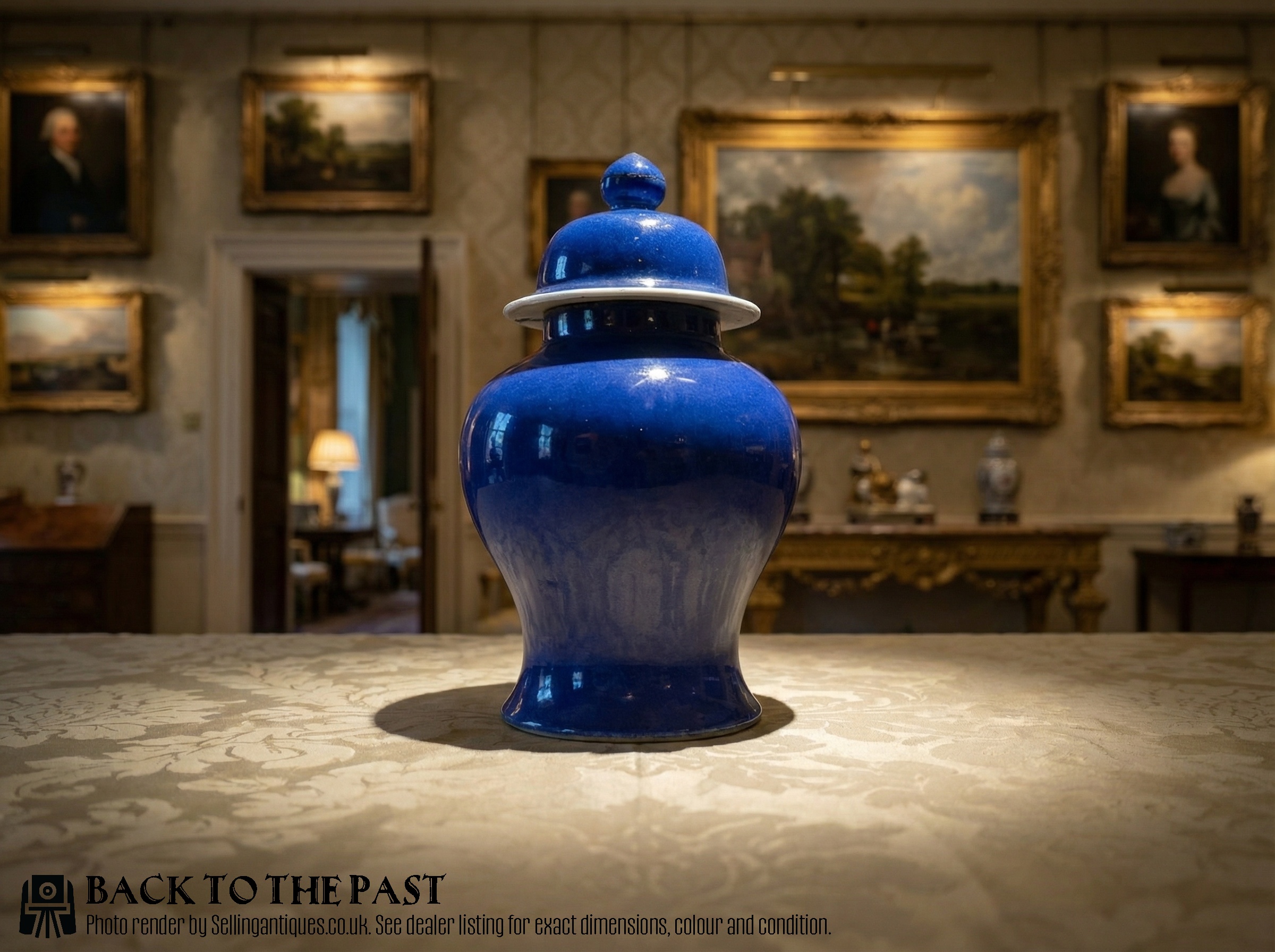
Identifying blue ceramic urn forms
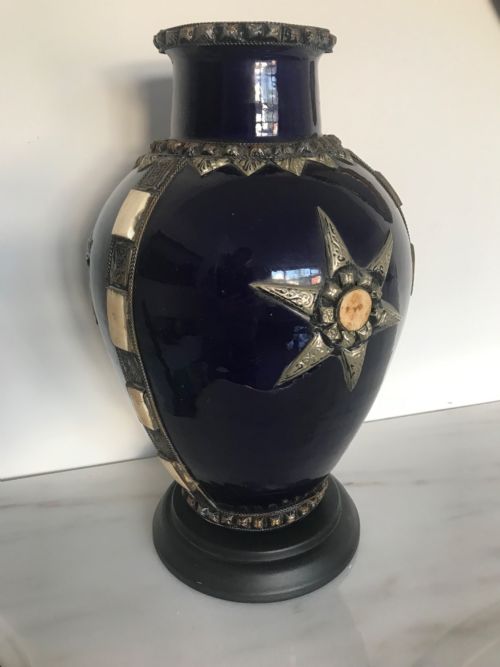
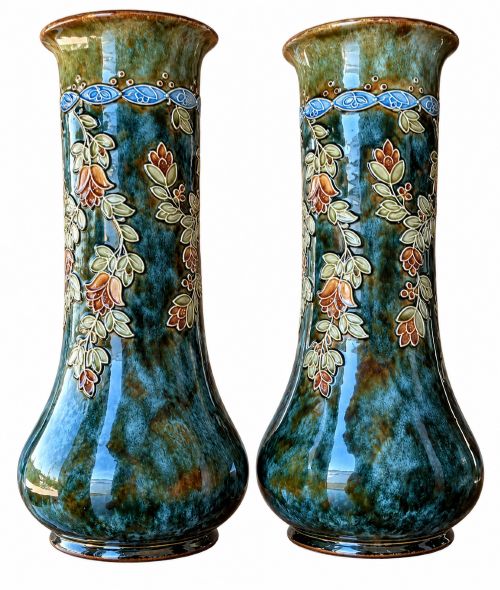
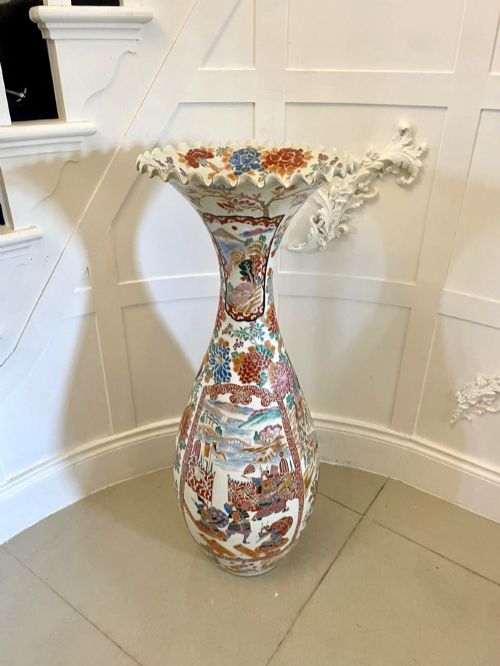
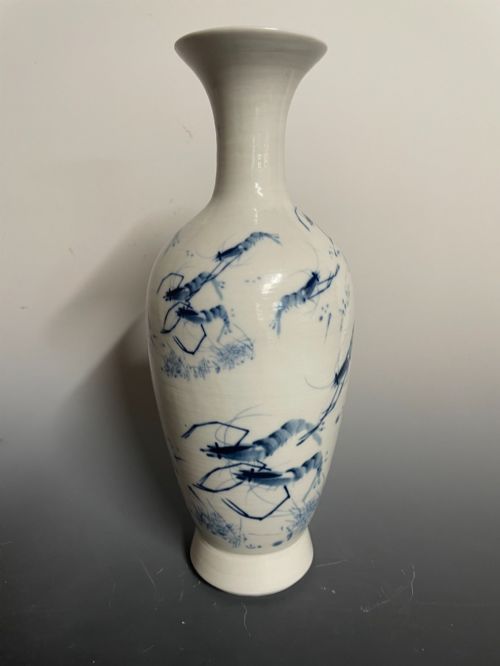
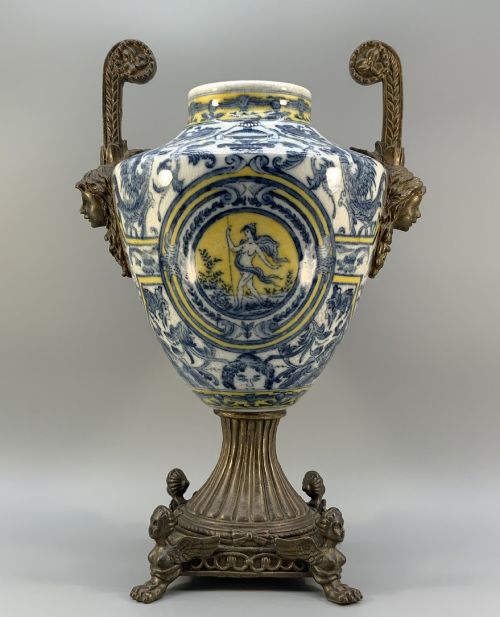
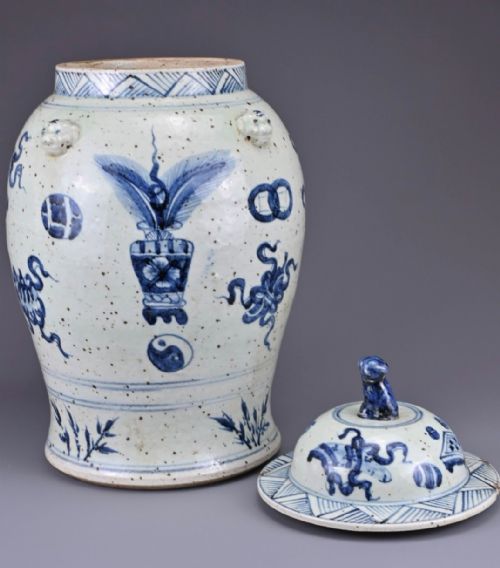
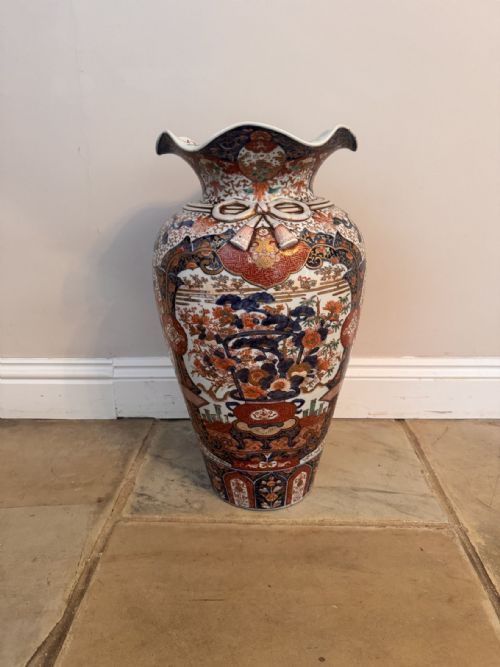
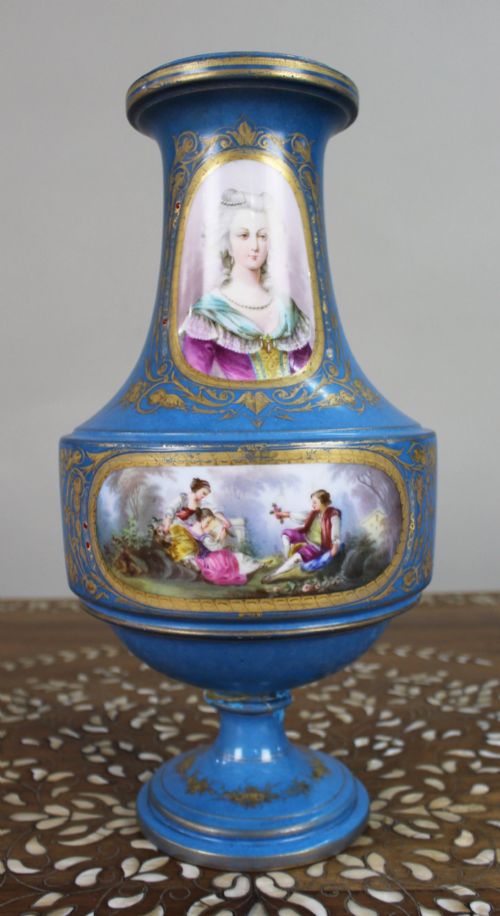
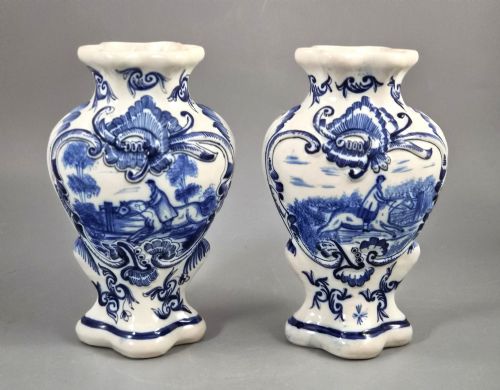
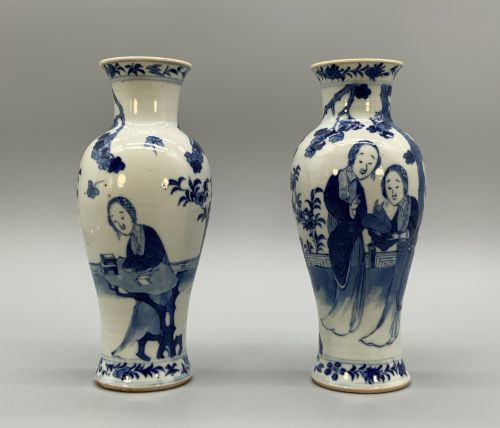
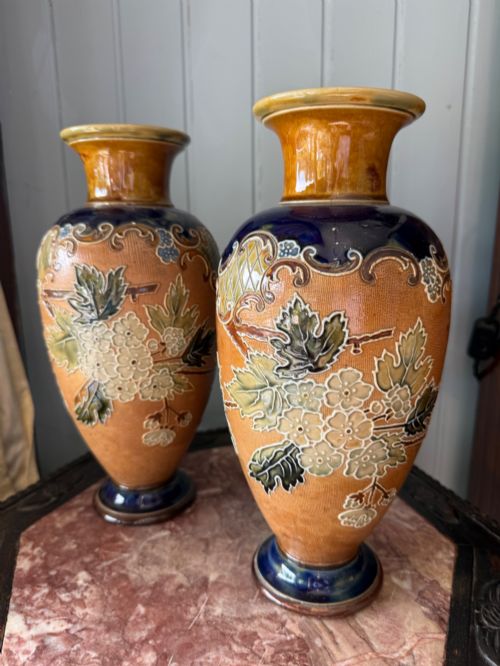
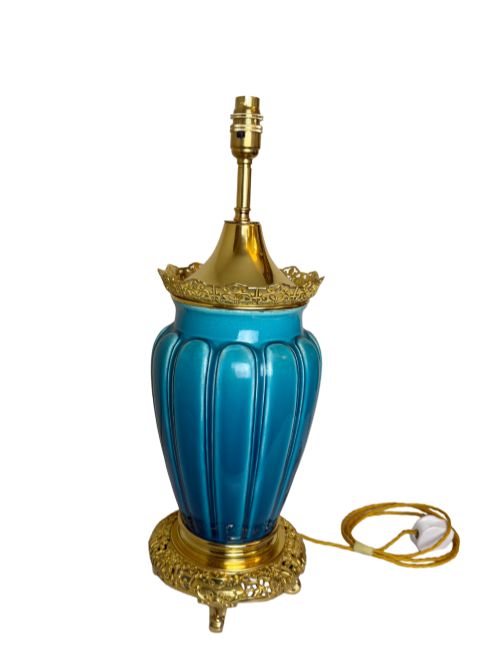
A blue ceramic urn search uncovers a diverse array of decorative vessels spanning multiple centuries and distinct cultural traditions. The selection ranges from nineteenth century Victorian art pottery to eighteenth century Italian lidded pieces and Chinese monochrome jars.
Buyers will encounter varied forms including monumental majolica, Alhambra style vessels, and delicate porcelain vases. These objects serve purely decorative functions, often displaying striking glazes in deep shades of blue.
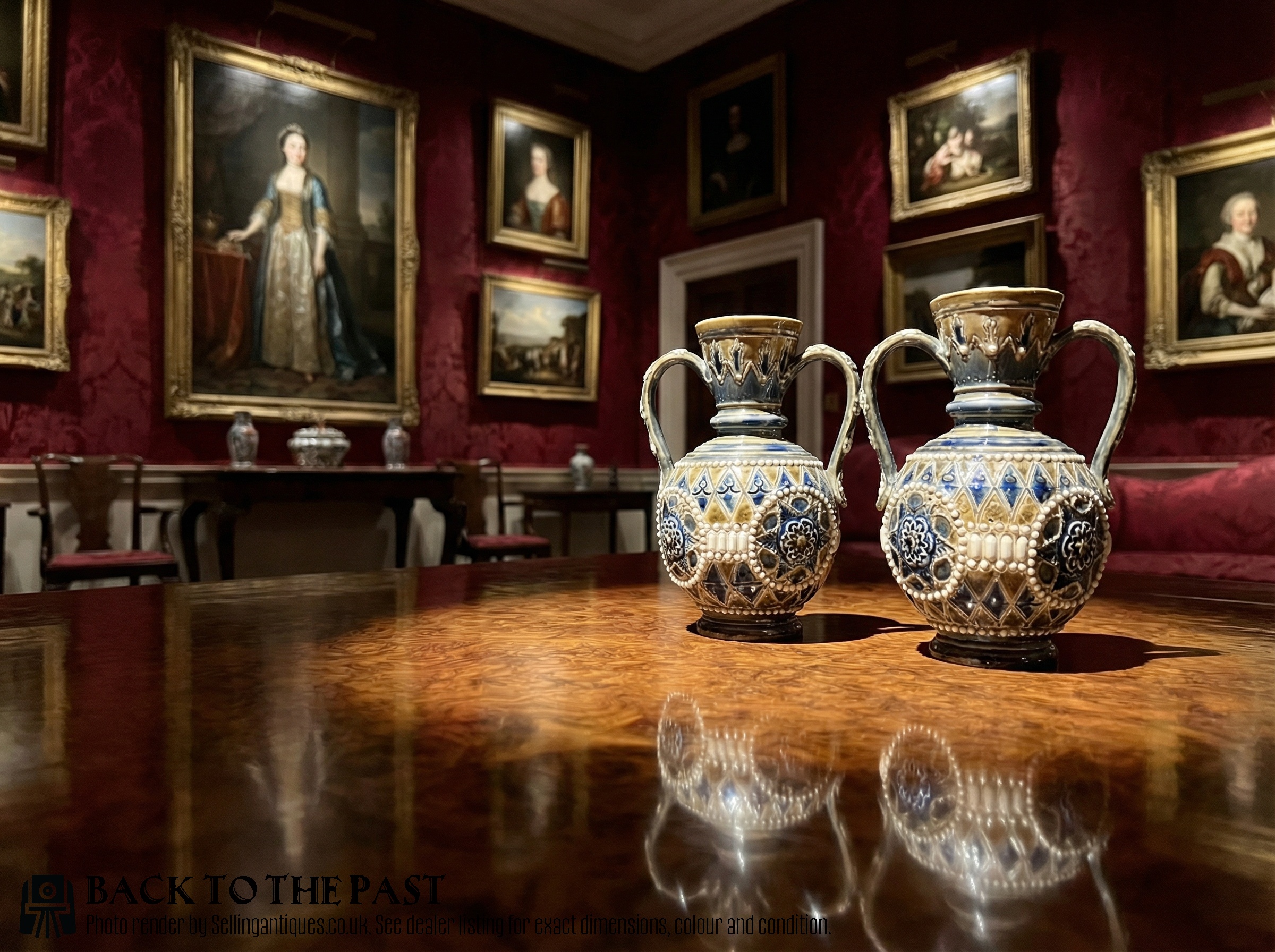
Materials and construction methods
Potters utilised various earthenware, porcelain, and stoneware bodies to shape these vessels before applying tin glazes or rich translucent coatings. Kiln firing techniques fixed the blue colourants deeply into the ceramic surface, creating lasting depth.
Surface ornamentation occasionally incorporates gilt highlights over the base ceramic material, adding textural and visual contrast to the dominant blue tones.
Retail Price Guide 2026
Typical UK retail prices for blue ceramic urn, calculated from the Sellingantiques database of over a million retail prices indexed since 2003. This retail price guide relies exclusively on Sellingantiques data; no external sources or auction records are used, so the figures do not describe the wider market.
Current listings incorporate items spanning the eighteenth, nineteenth, and early twentieth centuries, utilising earthenware, porcelain, and stoneware.
Assessing quality and execution
Quality reveals itself through the control of the glaze and the crispness of the modelled form. Superior examples show even colour distribution across complex contours without distracting kiln flaws.
The sophistication of the decorative style dictates the upper tier of the range, distinguishing standard production items from ambitious studio or factory masterpieces.
Doulton Lambeth·Minton·Ernst Wahliss
The Blue Ceramic Urn Glossary
- Majolica
- A type of earthenware decorated with opaque coloured glazes, often featuring bold sculptural elements. This technique produces vibrant surface colours.
- Stoneware
- A robust ceramic fired at high temperatures until vitrified and impermeable to liquids. It forms a durable body for heavy decorative vessels.
- Monochrome
- A colour scheme based on a single shade, such as the deep blue found on certain Chinese jars and covers. This style emphasises form over multicoloured ornament.
- Tin-Glazed Earthenware
- Pottery coated with a glaze containing tin oxide to produce a white and opaque surface for painting. It forms the foundation for many historical decorative wares.
Frequently Asked Questions
What distinguishes an urn from a standard vase?
Urns typically feature a footed base, a constricted stem, and a bulbous body, sometimes accompanied by a fitted cover. Many historical examples were designed solely for display rather than holding cut flowers.
Their architectural silhouettes draw inspiration from classical antiquity, distinguishing them from simpler domestic vessels.
How do I care for antique ceramic vessels?
Dust these pieces gently with a dry, soft cloth to protect fragile glazes and any gilt highlights. Avoid using water or cleaning solutions, particularly on older earthenware and majolica.
Keep them away from direct sunlight and areas subject to sudden temperature shifts to preserve the ceramic body.
How can I tell Victorian art pottery apart?
Victorian pieces often display experimental glazes, heavy relief modelling, and distinct factory marks pressed into the base clay. These works reflect the eclectic revival styles popular during the late nineteenth century.
Examining the foot ring and interior helps confirm the period manufacturing methods used by British potteries.
Where were Alhambra style pieces made?
Alhambra style vessels draw inspiration from Moorish architecture and Nasrid ceramic traditions in medieval Spain. European factories later revived these complex geometric and lustre designs during the nineteenth century.
They reflect a broader Victorian fascination with Islamic art and exotic ornamentation.