
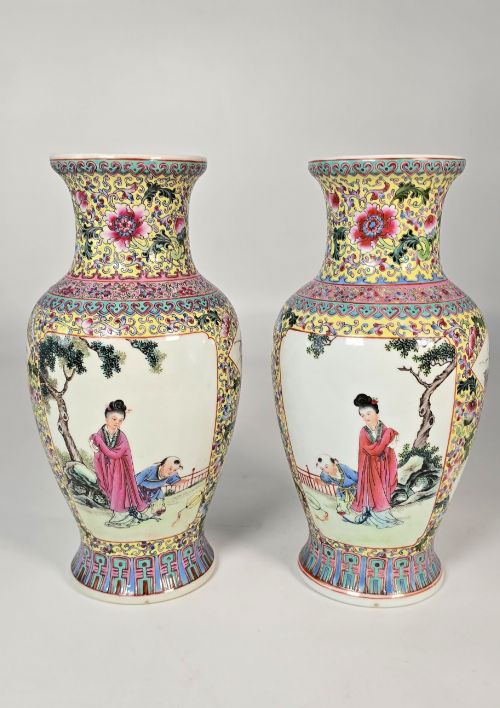


Yellow Ceramic Vase
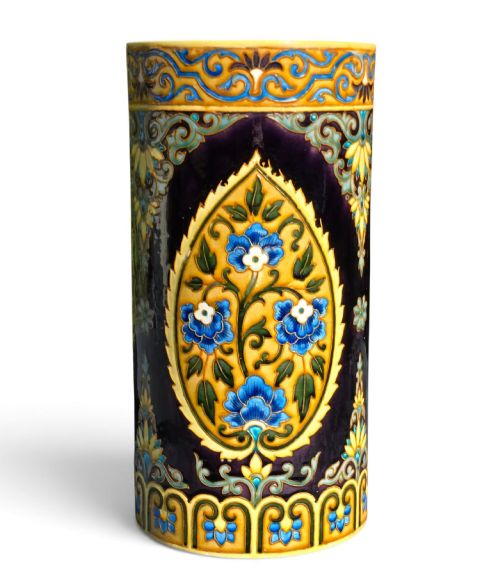
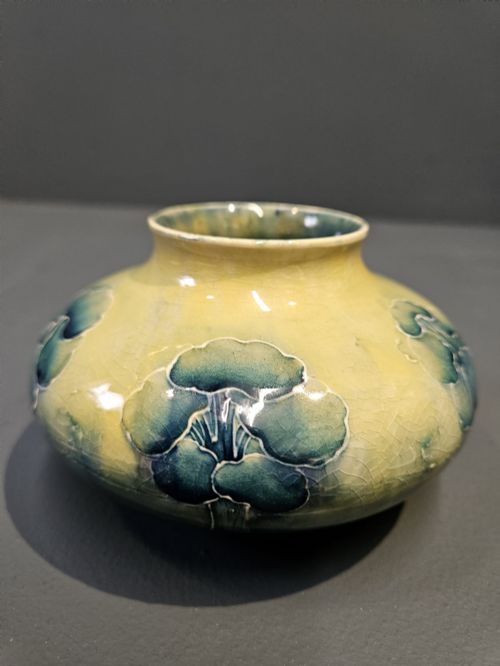
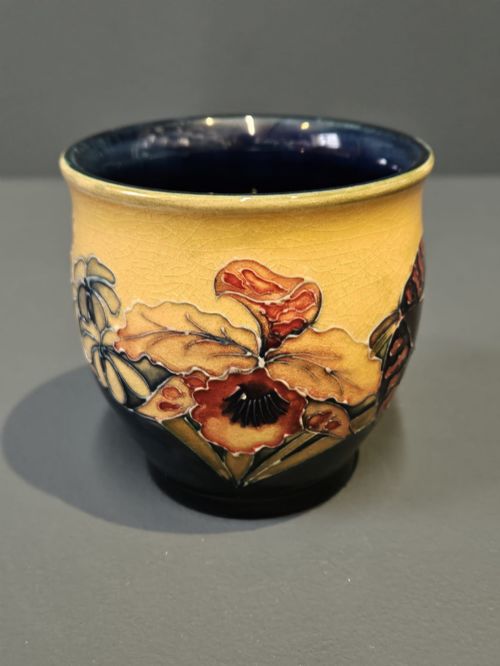
A yellow ceramic vase brings warmth and vibrant colour to a room, ranging from pale lemon glazes on Victorian porcelain to rich golden earthenwares.
Yellow Ceramic Vase
A yellow ceramic vase encompasses a wide variety of vessels designed to display flowers or stand alone as decorative objects, spanning centuries of global ceramic tradition. When searching this phrase, buyers encounter everything from monumental Chinese porcelain floor vessels and umbrella stands to delicate European earthenware ewers and studio pottery.
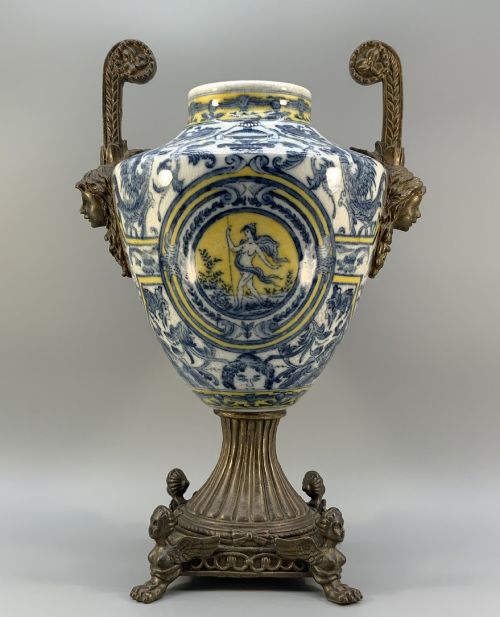
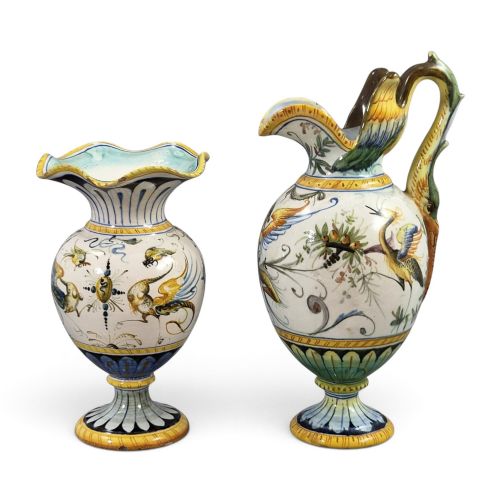
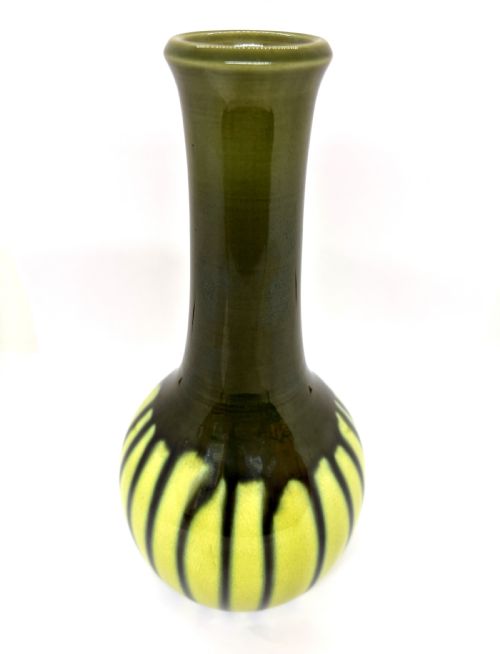
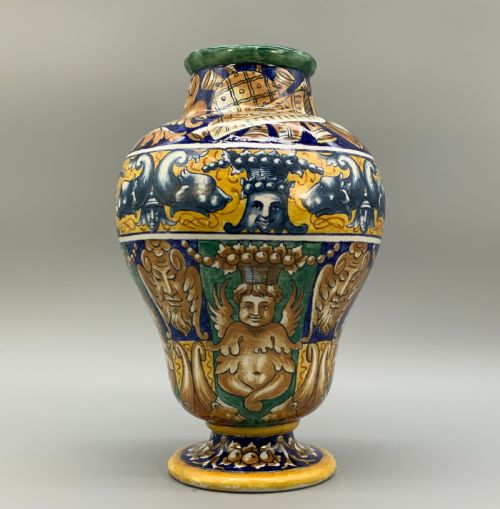
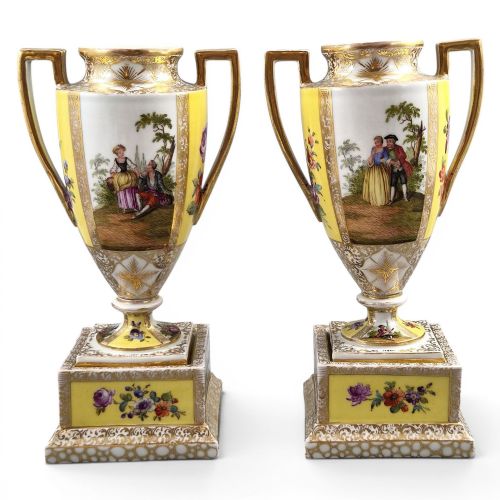
The selections on this page draw heavily from the nineteenth and early twentieth centuries, reflecting diverse aesthetics like Art Nouveau, Renaissance Revival, and Arts and Crafts. Pieces range from grand matched pairs with intricate hand-painted bird motifs to bold monochrome ginger jars and crystalline art pottery.
Vessels take many forms, including traditional bottle shapes, lidded urns, pilgrim flasks, and converted table lamps, with origins stretching across English potteries, Italian majolica workshops, Dutch porcelain houses, and Chinese imperial kilns.
How they were made
Makers shaped these pieces using earthenware, porcelain, and ironstone bodies, often applying tin glazes or specialised crystalline finishes to achieve specific surface textures. Ground colours and patterns relied on precise kiln temperatures, enamel paints, and occasionally gold leaf or bronze mounts added after the initial firing.
Decoration techniques combined hand-painted botanical and avian scenes with relief moulding, transfer printing, and polychrome glazing. Potters utilised historical revival styles, applying majolica, faience, and Famille Rose methods passed down through generations of skilled artisans.
Yellow Ceramic Vase Retail Price Guide 2026
Typical asking prices for yellow ceramic vase among the pieces listed under this phrase on Sellingantiques today, from the lower quarter to the upper quarter. They describe what is for sale here now, not the wider market.
Forms range from monumental umbrella stands and ginger jars to delicate posy vases and architectural pedestals.
What varies in quality
Quality rests upon the crispness of the modelled form, the depth and consistency of the yellow glaze, and the precision of any hand-painted details. Superior pieces display meticulous brushwork in polychrome scenes and harmonious integration between the ceramic body and added metal mounts or handles.
Provenance and attribution to documented potteries or named artists elevate a piece, alongside the preservation of original decorative schemes from periods like the Qing Dynasty or the Edwardian era.
Théodore Deck·Moorcroft·Cantagalli Florence·Burmantoft's Pottery·Helena Wolfsohn Dresden·Mason·Doulton Lambeth·Shiwan·Rozenburg·Royal Doulton·Royal Worcester·Cranston·Royal Crown Derby·Coalport·Royal Bonn·Ruskin Pottery
The Yellow Ceramic Vase Glossary
- Faience
- Tin-glazed earthenware, typically decorated with opaque coloured glazes over a white background. This technique appears frequently in Italian and English revival pieces.
- Majolica
- A type of earthenware glazed with tin opacifiers and painted with colourful metal oxide pigments. It gained popularity during the Renaissance and subsequent nineteenth-century revivals.
- Famille Rose
- A palette of Chinese porcelain enamels dominated by opaque pink or rose colours, introduced during the Qing Dynasty. Pieces utilising this style often incorporate yellow grounds alongside floral and animal motifs.
- Crystalline glaze
- A specialised ceramic finish where zinc or other minerals form distinct crystal formations during the cooling stage in the kiln. Ruskin Pottery pieces employ this striking technique.
- Ironstone
- A heavy, durable type of vitreous earthenware patented in the nineteenth century to rival true porcelain. It frequently serves as a sturdy base for vibrant transfer-printed or hand-painted patterns.
Yellow Ceramic Vase: Frequently Asked Questions
How do I clean a ceramic vase?
Dust the surface gently with a soft, dry cloth to protect delicate enamels and gilt highlights from abrasive particles. Avoid submerging antique pieces with metal mounts or porous earthenware bodies in water.
For glazed porcelain interiors, use lukewarm water and a mild detergent only when necessary, ensuring the vessel dries completely afterward.
Are these pieces waterproof?
Many nineteenth and twentieth-century ceramic vessels hold water safely, particularly porcelain and dense ironstone pieces with complete interior glazing. Earthenware and faience items, however, can sometimes be slightly porous due to age or kiln firing methods.
Place a small glass or plastic liner inside antique or porous vessels if you plan to display fresh cut flowers regularly.
How can I tell the period?
Examine the base for factory backstamps, impressed potter marks, or hand-painted signatures that link the object to specific nineteenth or twentieth-century eras. Stylistic clues such as Art Nouveau floral motifs or Victorian Renaissance Revival details also point toward distinct decades.
Material composition, crazing in the glaze, and wear patterns on the foot ring offer further confirmation of age.