




Yellow Porcelain Vase
A yellow porcelain vase brings a vibrant wash of colour to a room, ranging from imperial Chinese grounds to bright twentieth-century European glazes.
Yellow Porcelain Vase
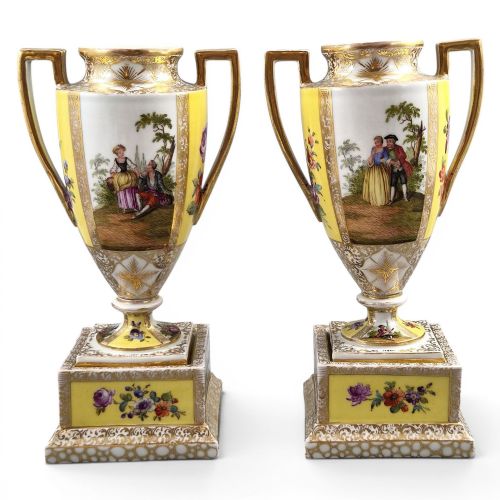
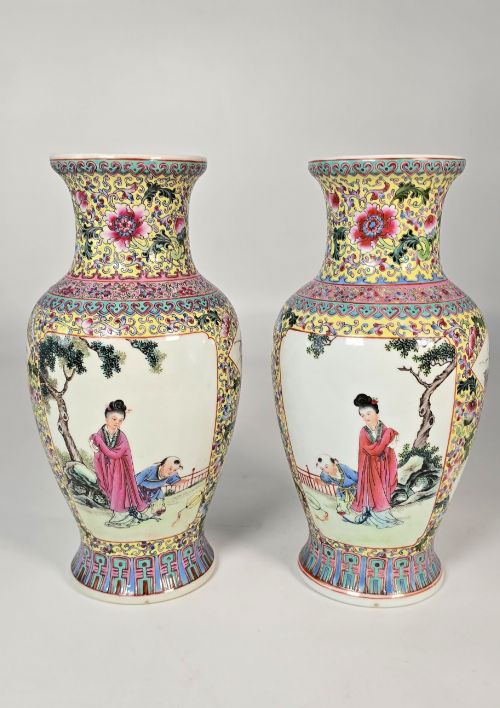
A yellow porcelain vase represents a diverse group of ceramic vessels, spanning nineteenth-century European factories and historic Chinese dynasties. Buyers seeking a yellow porcelain vase encounter forms ranging from monumental floor urns and ginger jars to converted table lamps.
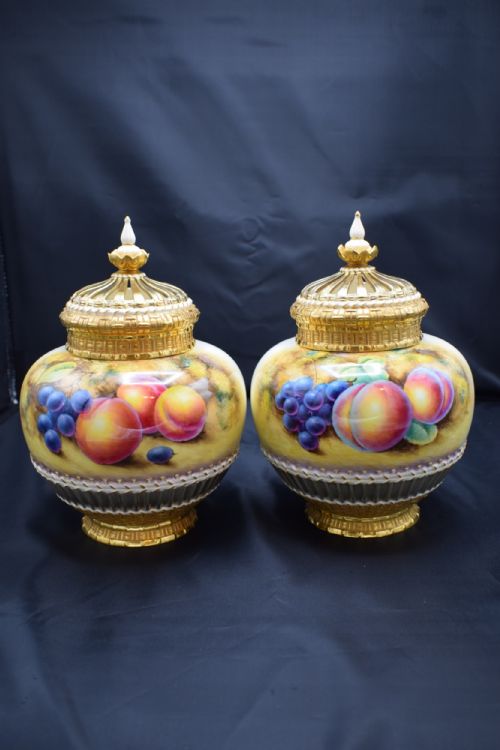
The selection includes pieces created across various eras, notably nineteenth-century productions alongside twentieth-century items from makers such as Royal Worcester and Rozenburg. These objects encompass traditional English porcelain, Chinese Qing Dynasty examples, and striking Art Nouveau designs.
How they were made
Potters shaped these vessels from ceramic and porcelain bodies, frequently applying coloured glazes or enamel paint to achieve the distinctive yellow ground. Artisans sometimes embellished the surfaces with hand-painted details, gold leaf, and gilt accents.
Many of the listed items incorporate secondary materials such as brass fittings or fabric components, particularly those examples adapted into lamps.
Yellow Porcelain Vase Retail Price Guide 2026
Typical asking prices for yellow porcelain vase among the pieces listed under this phrase on Sellingantiques today, from the lower quarter to the upper quarter. They describe what is for sale here now, not the wider market.
Some vases spent time illuminating grand rooms after being converted into electric lamps.
What varies in quality
Quality rests in the precision of the hand-painted decoration, the depth and evenness of the yellow glaze, and the clarity of the porcelain body. Finer examples display meticulous brushwork, such as detailed birds or figurative scenes, executed by accomplished hands.
The integrity of the form and the preservation of any gilding or enamel work further distinguish superior pieces from standard production wares.
Helena Wolfsohn Dresden·Rozenburg·Royal Doulton·Royal Worcester·Royal Crown Derby·Coalport
The Yellow Porcelain Vase Glossary
- Porcelain
- A hard, fine-grained ceramic material fired at high temperatures, known for its translucence and durability. It serves as the primary body for the finest decorative vases.
- Enamel
- A decorative glass-like substance fused to the surface of ceramics through firing. It provides vibrant, lasting colour on painted vessels.
- Gilt
- A thin layer of gold applied to the surface of porcelain or metal mounts. This technique adds metallic highlights and ornamental richness.
- Ginger jar
- A ceramic vessel characterised by a broad shoulders and a domed lid, originally designed for storing spices. These forms frequently appear decorated with painted motifs.
- Ground
- The main background colour of a ceramic piece. A yellow ground provides the dominant tone upon which other patterns are painted.
Yellow Porcelain Vase: Frequently Asked Questions
What periods do these yellow vases come from?
The pieces span several centuries, with a strong representation of nineteenth-century Chinese production and European items from the early to mid-twentieth century.
Collectors will also encounter pieces originating from the Regency era through to the 1960s.
How were these vases originally used?
Many served as ornamental centrepieces in grand interiors, holding flowers or displayed on mantelpieces and pedestals.
Some larger examples functioned as floor vases or monumental display items in historic houses.
Can I find converted lamp bases here?
Several pieces in the inventory are listed as vase lamps, combining historic ceramic bodies with electrical fittings.
These conversions allow buyers to integrate antique porcelain directly into modern lighting schemes.
How do I identify Chinese Qing Dynasty pieces?
Chinese pieces often feature traditional motifs such as famille rose or wucai enamels applied against yellow or contrasting ground colours.
These items reflect historic imperial aesthetics distinct from European factory styles.