
Victorian Porcelain Urn
When you search for a victorian porcelain urn, you are looking at nineteenth-century ceramic vessels shaped for display and utility.
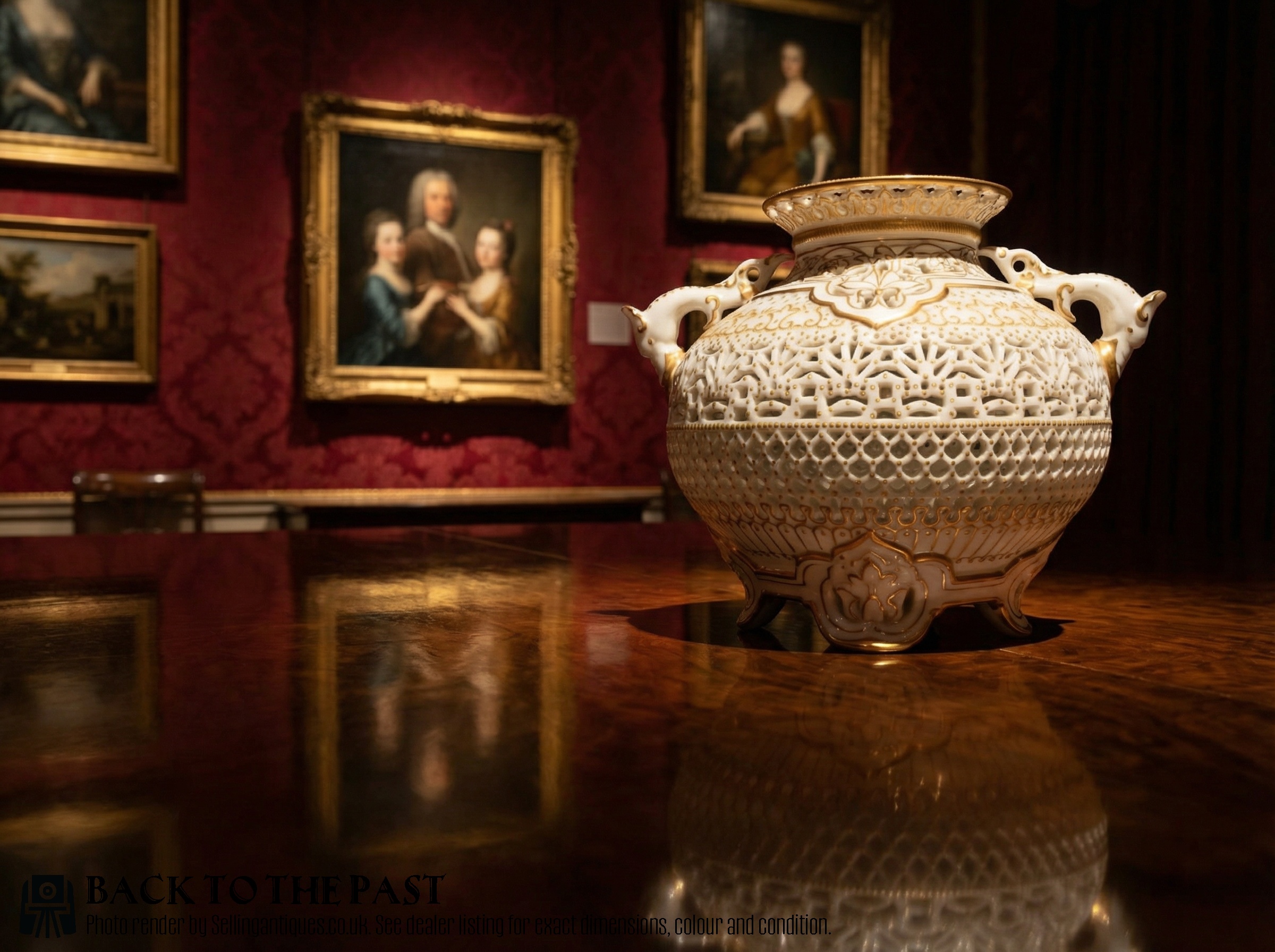
Victorian Porcelain Urn
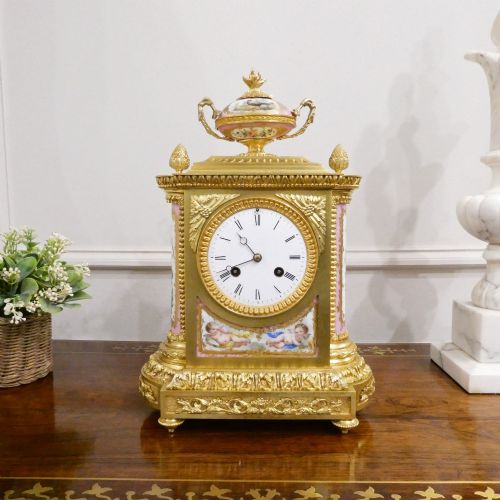
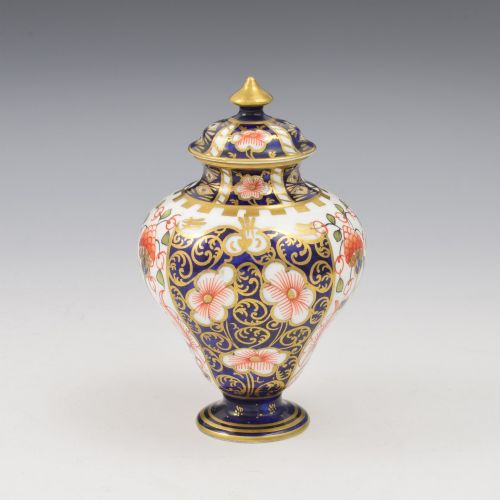
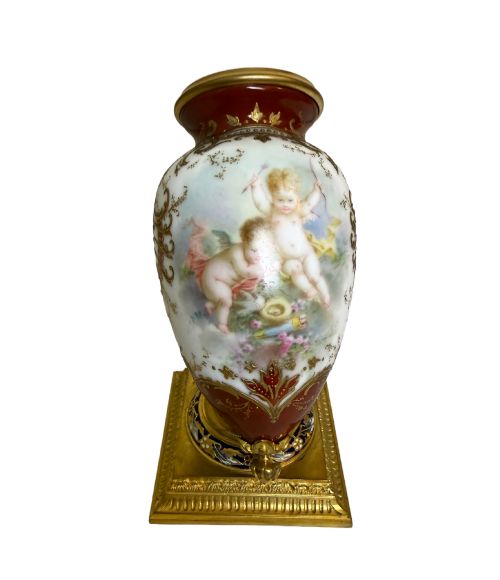
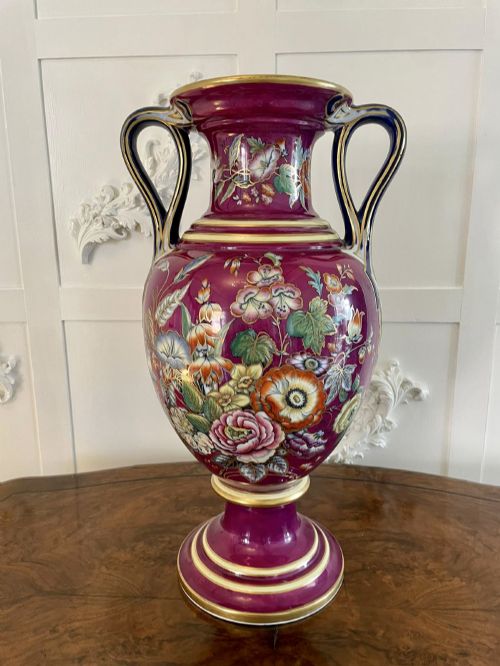
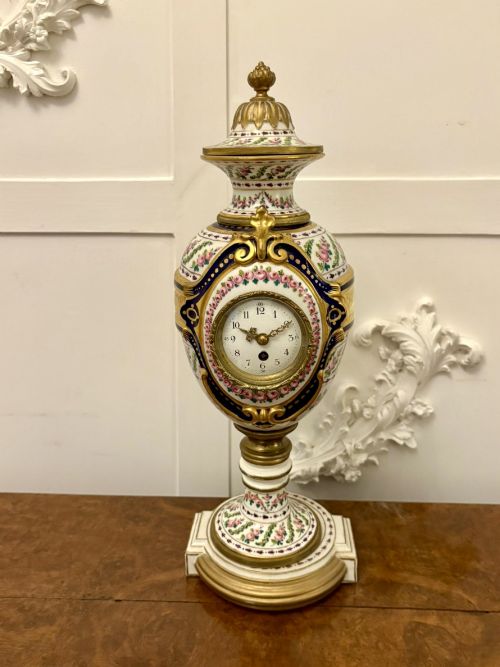
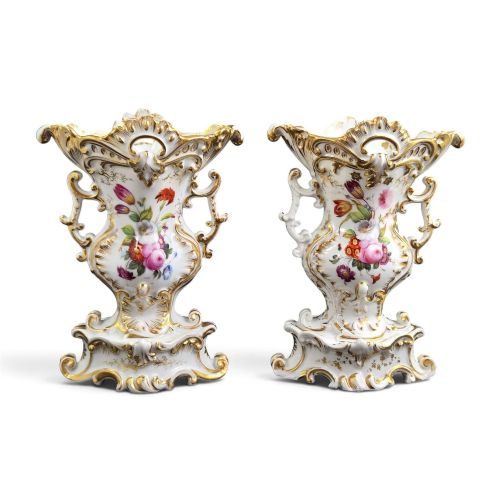
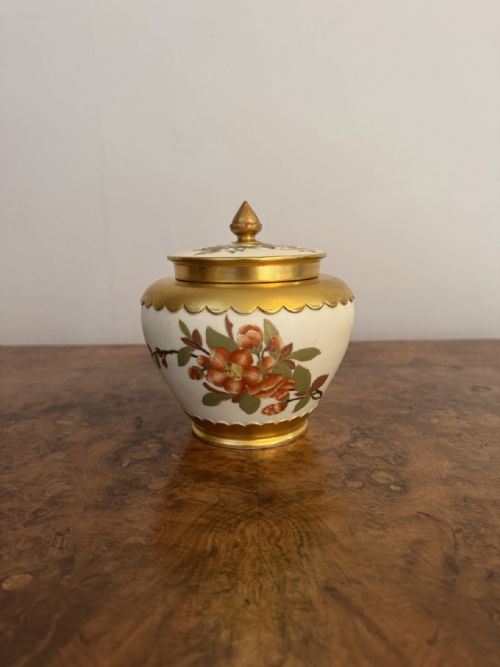
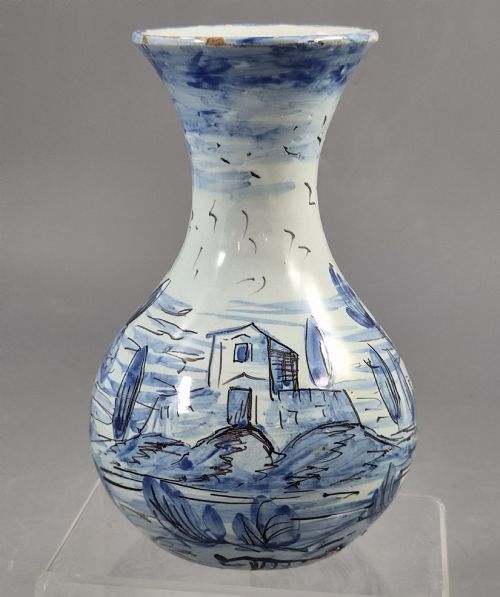
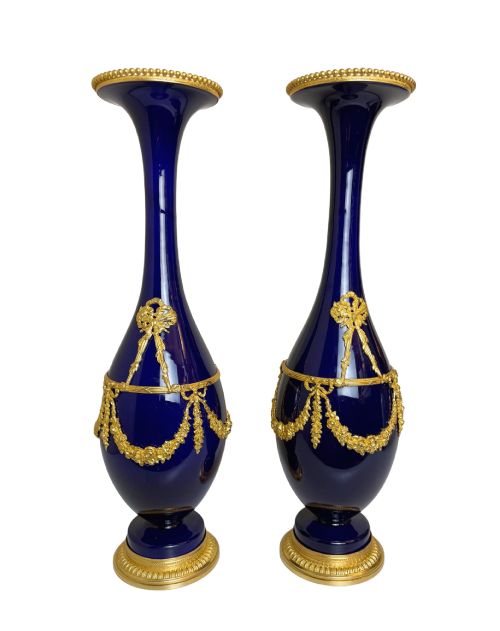
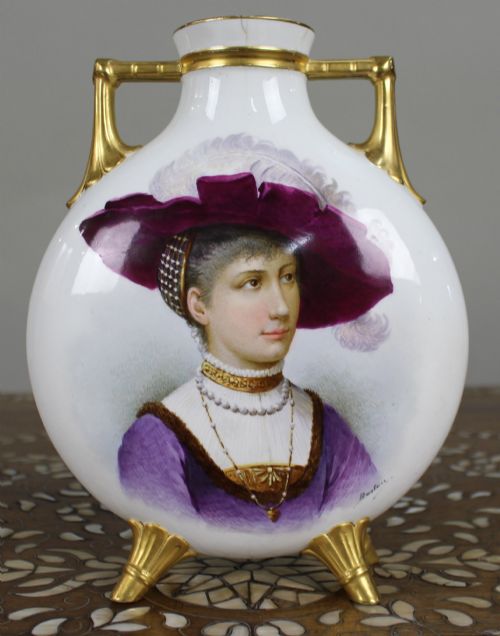
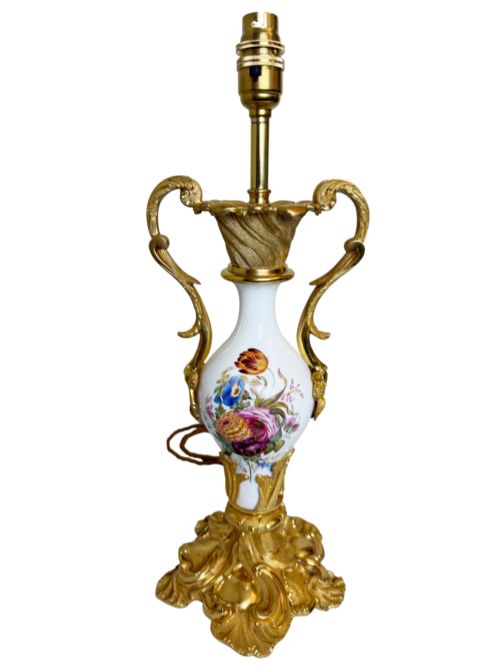
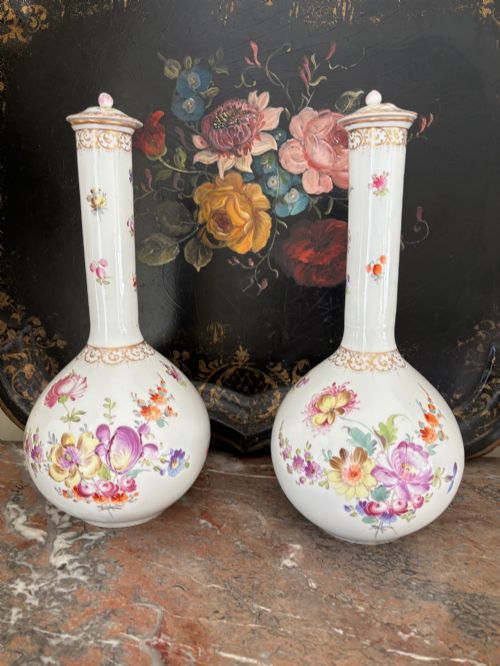
A victorian porcelain urn on this page appears in various forms, including lidded vases, mantel clocks, and potpourri pots originating from British, French, and Austrian makers. These objects served primarily as decorative interior ornaments during the nineteenth century, often displayed on mantelpieces and cabinets.
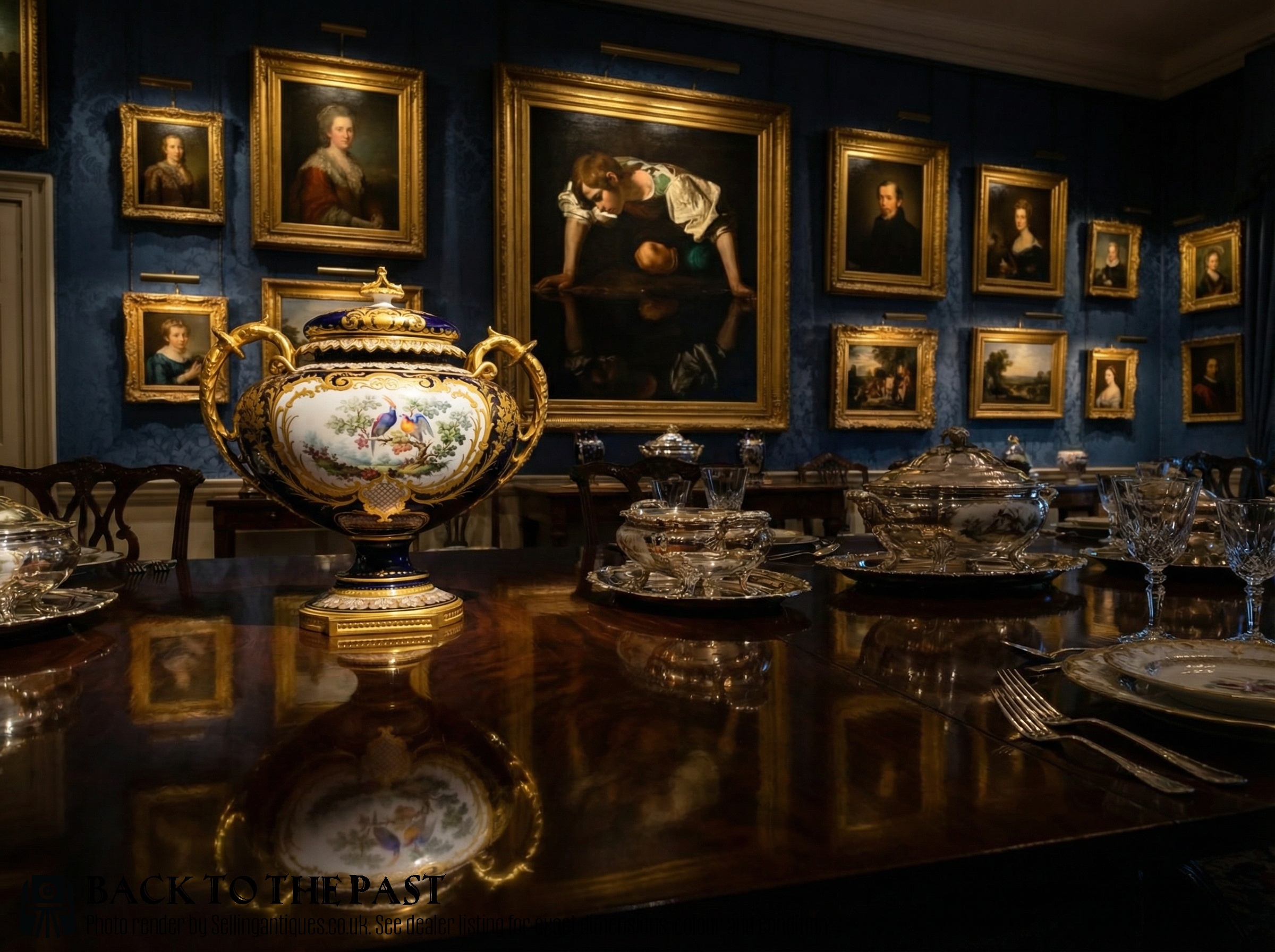
How they were made
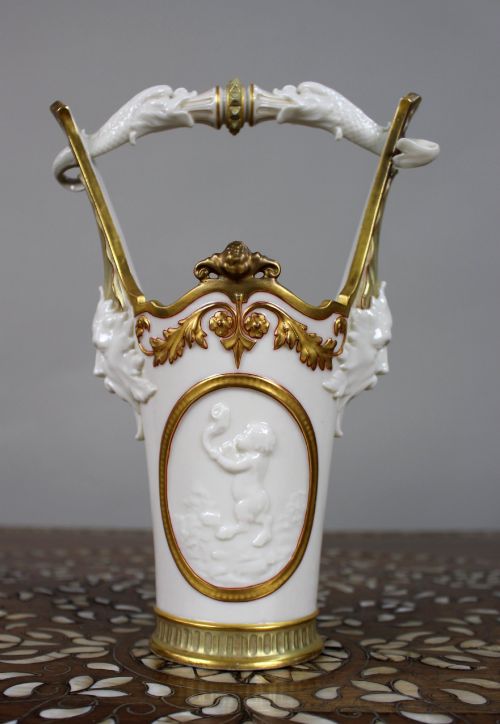
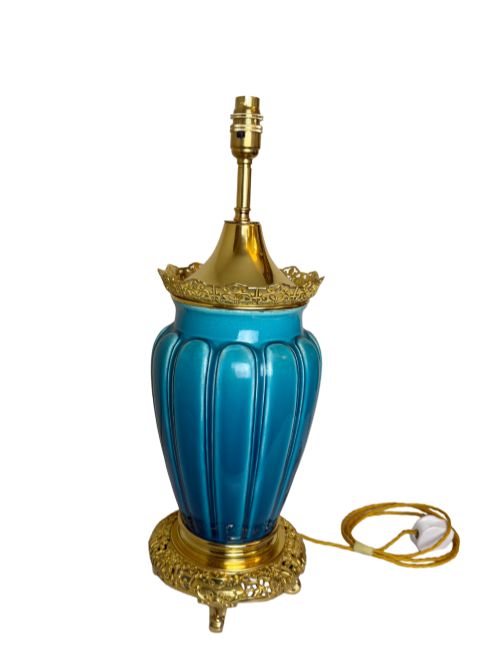
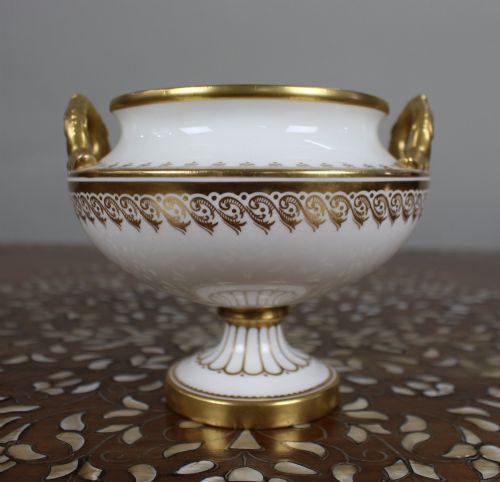
Potters shaped these vessels using ceramic paste and porcelain bodies, frequently mounting them with gilt bronze or brass trim for structural definition and visual contrast. Hand-painted floral decorations and enamel work adorn the ceramic surfaces, complemented by applied gold leaf and gilding.
Techniques combined traditional throwing or casting with meticulous overglaze enamel painting and low-relief moulding, as seen in jasperware bas-reliefs and crackle glaze finishes.
Victorian Porcelain Urn Retail Price Guide 2026
Typical asking prices for victorian porcelain urn among the pieces listed under this phrase on Sellingantiques today, from the lower quarter to the upper quarter. They describe what is for sale here now, not the wider market.
Listings feature 19th Century, Victorian, Edwardian, and Georgian periods, utilising materials including porcelain, gilt bronze, enamel, and gold leaf across diverse forms.
What varies in quality
The standard of a victorian porcelain urn rests on the crispness of the hand-painted details, the weight and finish of the gilt bronze mounts, and the precision of the ceramic form. Pieces bearing signatures from known artists or factory marks demonstrate superior artistic execution compared to unmarked commercial productions.
The integration between the porcelain body and metal mounts dictates the structural integrity, while depth of colour in enamel grounds and delicacy of gilded trim separate standard domestic wares from exhibition-grade pieces.

Jean-Baptiste Delettrez·Royal Crown Derby·Jacob Petit·Royal Worcester·Cantagalli·Sitzendorf·Mason·Helena Wolfsohn·Royal Vienna·Royal Doulton·Ridgeways·Tunnicliffe·Minton·Ernst Wahliss·Christopher Dresser
The Victorian Porcelain Urn Glossary
- Campana
- A bell-shaped vessel with a flaring rim and footed base, frequently utilised for decorative urns and vases during the nineteenth century.
- Gilding
- The application of gold leaf or gold powder to the surface of porcelain or metal mounts to provide decorative accents.
- Imari
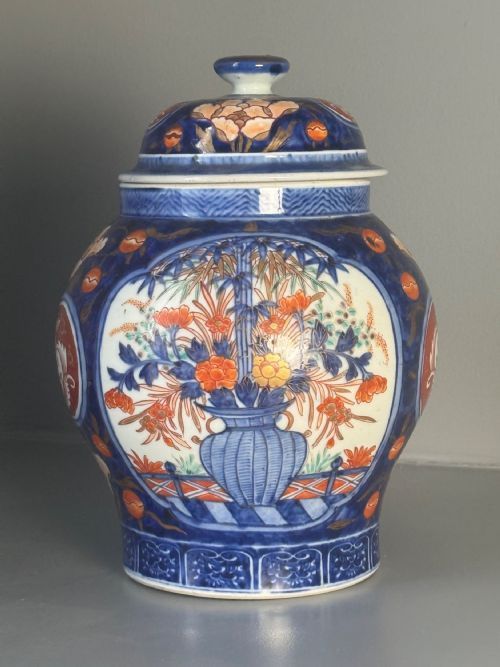
- A style of Japanese export ceramics featuring dense patterns in underglaze blue and iron red, supplemented by gold.
- Jasperware
- A type of fine stoneware developed by Josiah Wedgwood, characterised by a matte coloured body and applied white contrasting bas-reliefs.
- Cassolette
- A decorative vessel shaped like a vase or urn, fitted with a pierced cover so it could function as a burner for perfumes or potpourri.
Victorian Porcelain Urn: Frequently Asked Questions
What is a victorian porcelain urn used for?
These vessels functioned primarily as ornamental centrepieces, mantel decorations, or lidded containers for potpourri within nineteenth-century interiors. Their purpose was purely decorative and display-oriented.
Today, they serve the same aesthetic function in traditional or eclectic home settings, adding colour and period character to rooms.
How do I identify a Victorian piece?
Look for characteristic nineteenth-century stylistic markers such as Rococo Revival curves, hand-painted floral motifs, and gilt bronze mounts. Factory marks and pattern numbers stamped or painted on the base often provide specific chronological data.
Comparing the paste quality, glaze thickness, and decorative techniques against known factory output from the era helps confirm the period.
Where were these urns made?
Production centres spanned across Europe and Britain, with notable contributions from English potteries in Staffordshire and Worcester, French workshops in Paris and Sevres, and Austrian factories.
Japanese export wares destined for Western markets during the Meiji period also appear alongside these European manufactures.
How should I display an urn at home?
Position them on sturdy surfaces such as mantelpieces, sideboards, or dedicated cabinets where their painted details and gilt mounts are visible. Ensure they sit away from high-traffic areas to prevent accidental knocks.
Keep them out of direct sunlight to protect hand-painted enamel colours and delicate gilding from fading over time.