


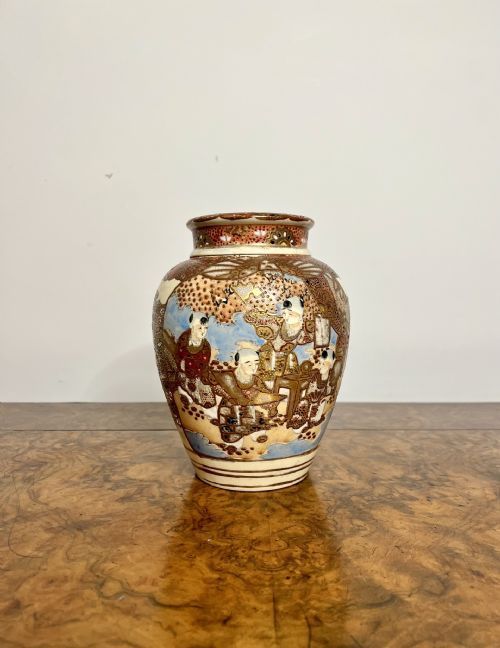
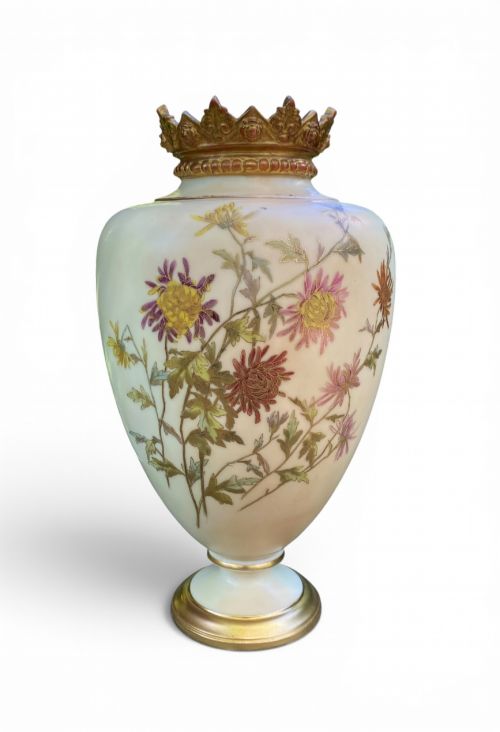
Gilded Porcelain Vessel
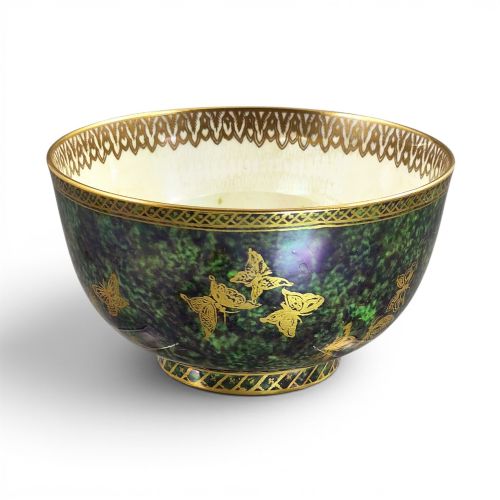
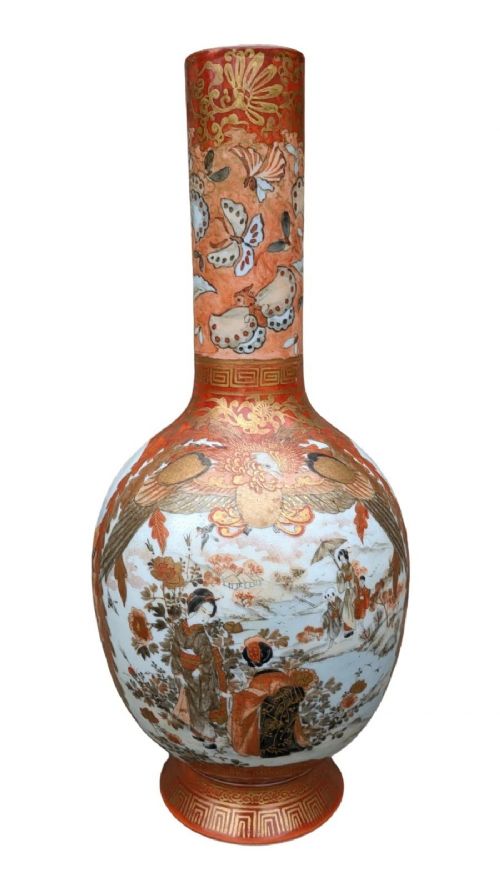
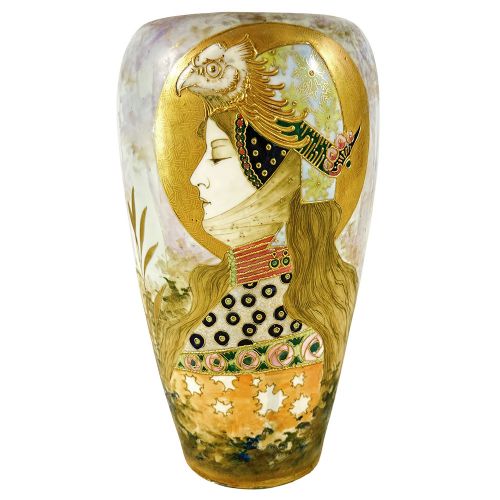
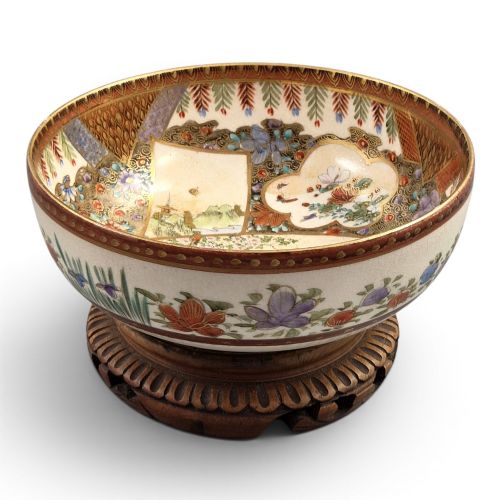
A gilded porcelain vessel brings together luminous ceramic bodies and rich metal leaf or paint, offering a decorative centrepiece for the home.
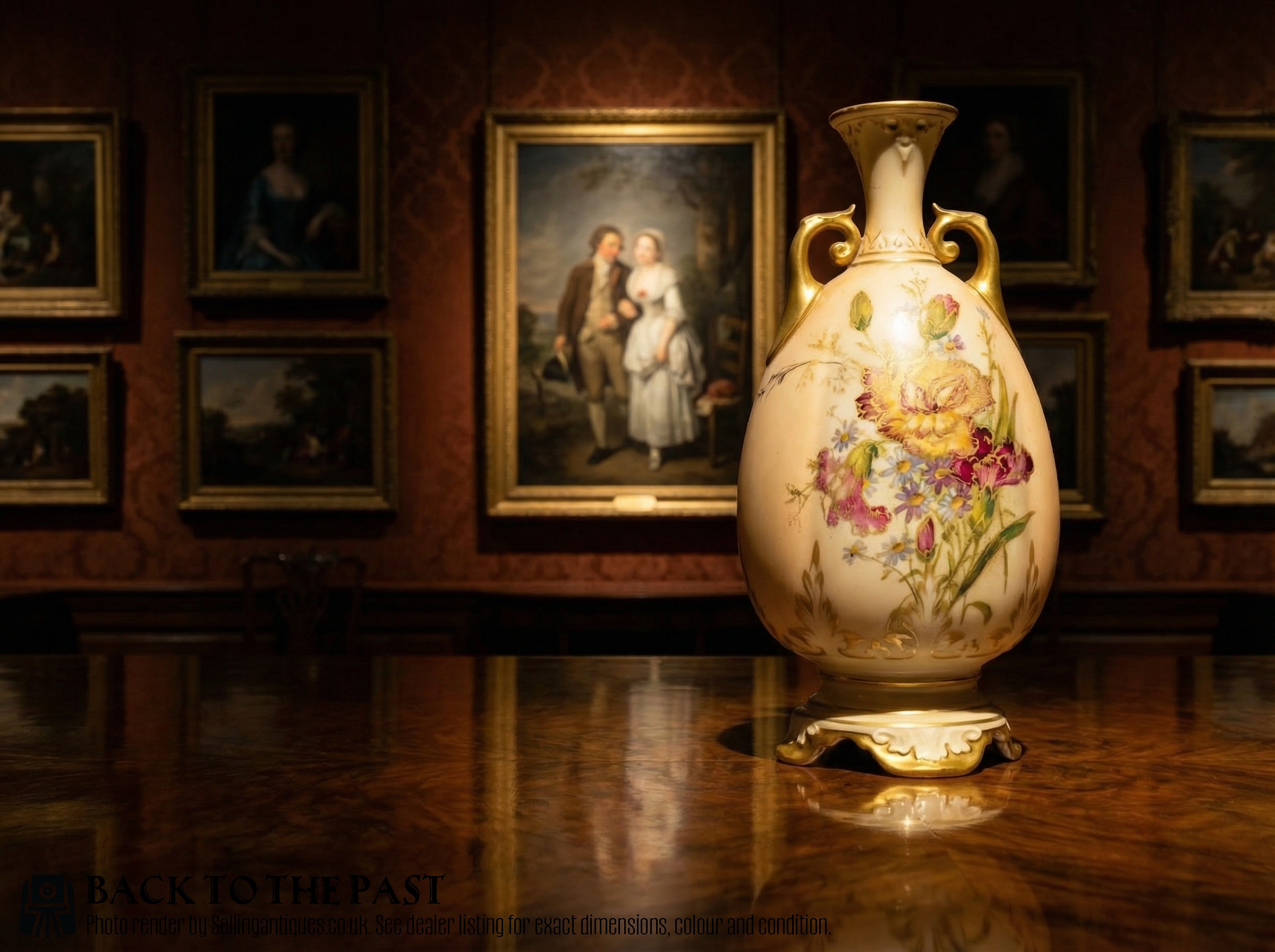
Gilded Porcelain Vessel
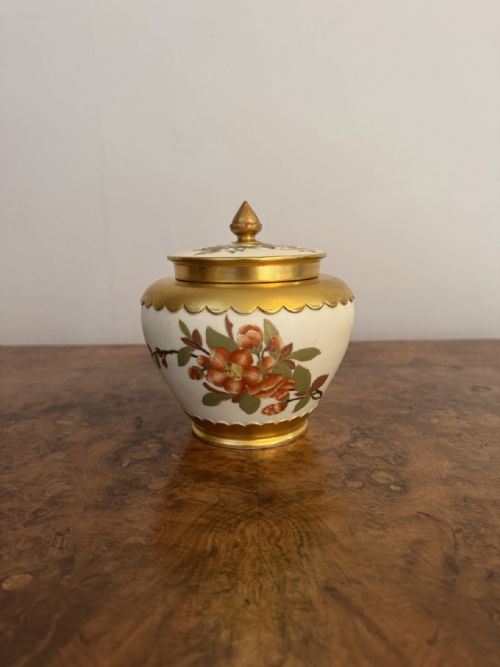
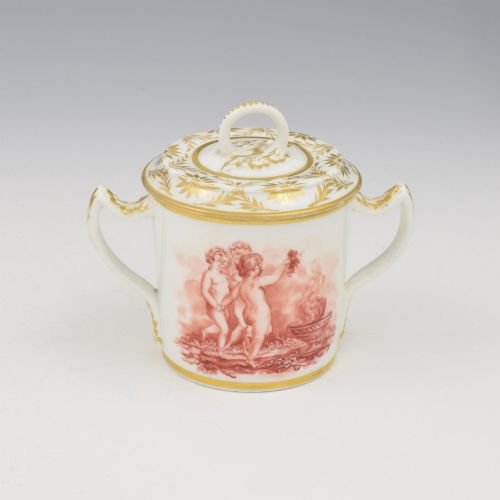
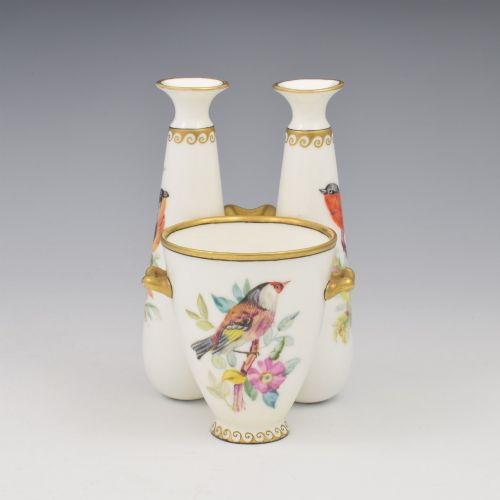
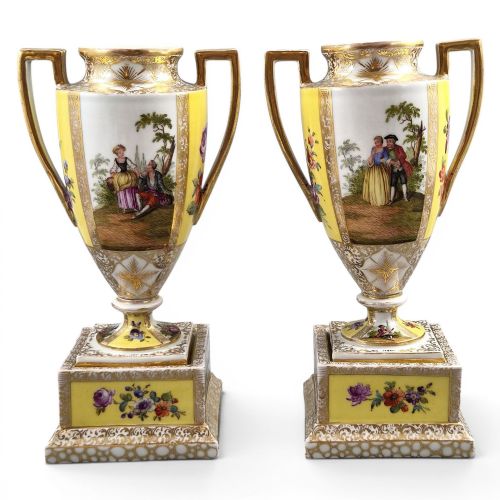
When searching for a gilded porcelain vessel, a buyer encounters a diverse group of objects spanning decorative vases, lidded urns, potpourri pots, sugar bowls, and loving cups.
The selections on this page draw from 18th-century Georgian origins through the Victorian era up to the early 20th century, encompassing both English porcelain manufactories and Japanese Satsuma and Imari workshops.
Vases and urns dominate the forms, alongside smaller vessels such as chocolate cups, ginger jars, and ewers, each displaying the refined union of ceramic form and applied metallic ornament.
How they were made
Makers shaped fine ceramic, porcelain, or earthenware bodies before applying intricate hand-painted enamel and glaze details.
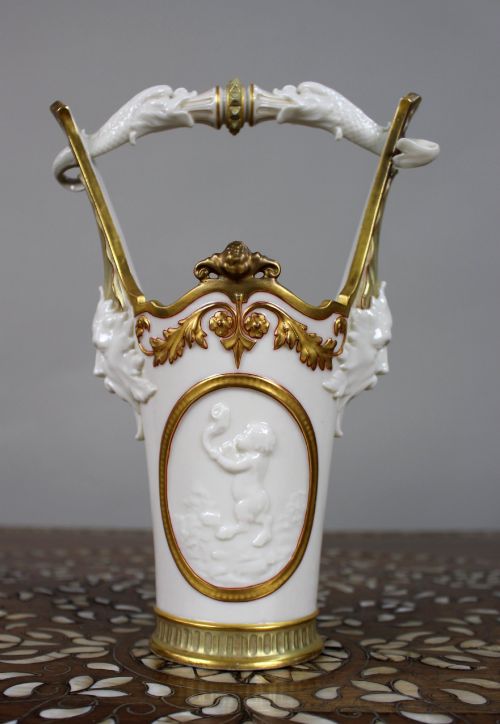
Gold leaf and gilding were applied to highlight relief moulding, rims, and painted scenes, requiring skilled firing techniques to bond the metallic elements permanently to the ceramic surface.
Gilded Porcelain Vessel Retail Price Guide 2026
Typical asking prices for gilded porcelain vessel among the pieces listed under this phrase on Sellingantiques today, from the lower quarter to the upper quarter. They describe what is for sale here now, not the wider market.
Watch for tiny painted dragons and spiders hiding among the gold leaf on late 19th-century Japanese export ewers.
What varies in quality
The division between standard production and exceptional work rests on the precision of the hand painting and the depth of the gilding.
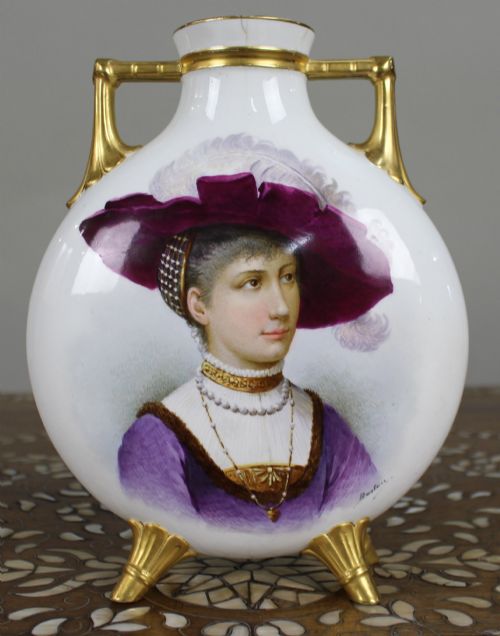
Pieces bearing the signatures of noted artists or originating from esteemed factories display superior control over enamel colour and porcelain translucency.
Royal Worcester·Bloor Derby·Helena Wolfsohn·Spode·Wedgwood·Reissner Stellmacher and Kessel·Duesbury and Kean·Hotoda·Minton·Carlton Ware·Samuel Alcock and Co·Royal Doulton
The Gilded Porcelain Vessel Glossary
- Gilding
- The application of gold leaf or gold paint to the surface of porcelain or earthenware. This decorative technique accentuates moulded details and framing borders.
- Enamel
- Opaque vitreous material fused to the ceramic body through firing. It provides vibrant, durable colour decoration across the piece.
- Imari
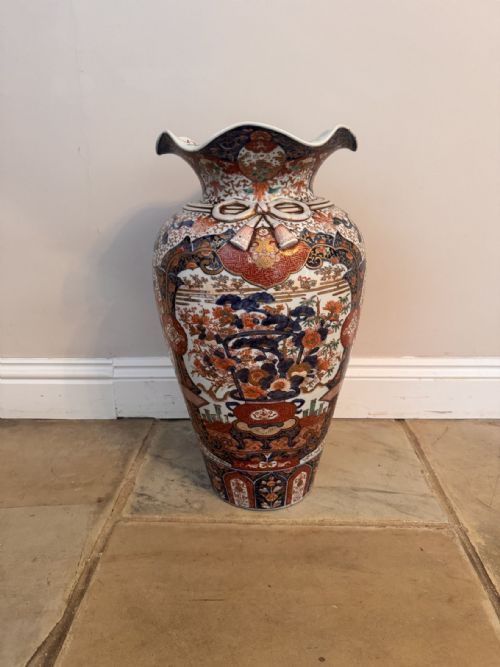
- A style of Japanese export porcelain characterised by a palette of underglaze blue, iron red, and extensive gold. The designs typically incorporate floral and brocade motifs.
- Sucrier
- A small sugar bowl or pot often supplied with a fitted cover. These vessels frequently feature matching saucers or stands in ceramic table services.
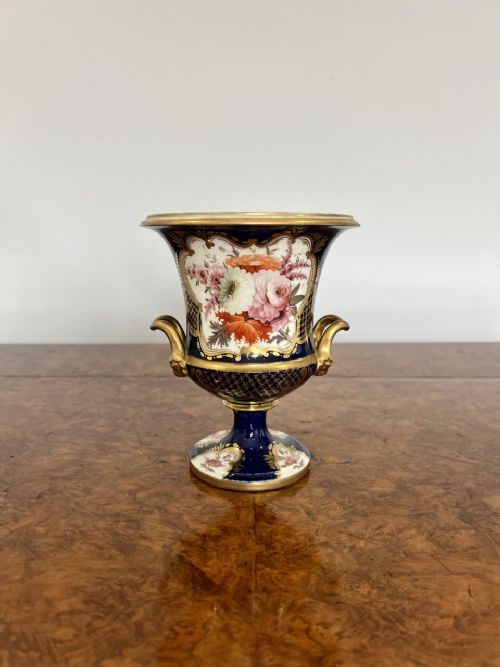
- Campagna Urn
- A classical camp kettle or vase shape featuring a flared rim, a deep body, and a pedestal foot. English factories frequently adapted this silhouette during the Georgian and Victorian periods.
Gilded Porcelain Vessel: Frequently Asked Questions
What periods do these vessels come from?
The inventory spans the 18th, 19th, and early 20th centuries, covering Georgian, Victorian, Regency, and Edwardian periods alongside Meiji period Japanese pieces.
Production dates range from the late 1700s through to the 1930s, reflecting changing European and Asian ceramic traditions.
How were these decorative vessels used?
Many large pieces served as ornamental garnitures or centrepieces on mantelpieces and tables. Smaller covered pots held potpourri, sugar, or tea.
Certain items functioned as commemorative loving cups, chocolate cups, or drinking vessels rather than purely static ornaments.
How do I care for gilded porcelain?
Gentle dusting with a soft, dry cloth protects the fragile enamel and gold leaf from unnecessary wear. Water and chemical cleaning agents risk damaging the delicate painted surfaces.
Displaying pieces away from direct sunlight preserves the original vibrancy of the enamels and the metallic lustre.
How can I tell English and Japanese pieces apart?
English examples often feature classical European shapes like Campagna urns and botanical or figural paintings signed by factory artists. Japanese pieces from the Meiji era frequently display dense Satsuma or Imari patterns featuring figures such as samurai or arhats.
Maker marks, signatures, and paste characteristics further clarify the geographic origin of each ceramic body.