
White Porcelain Urn
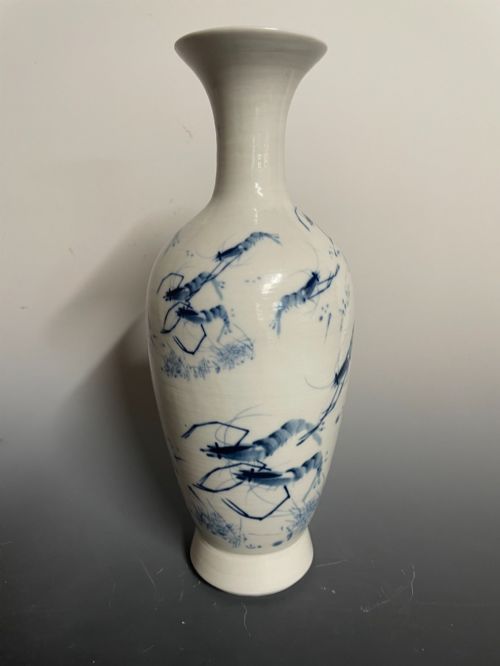
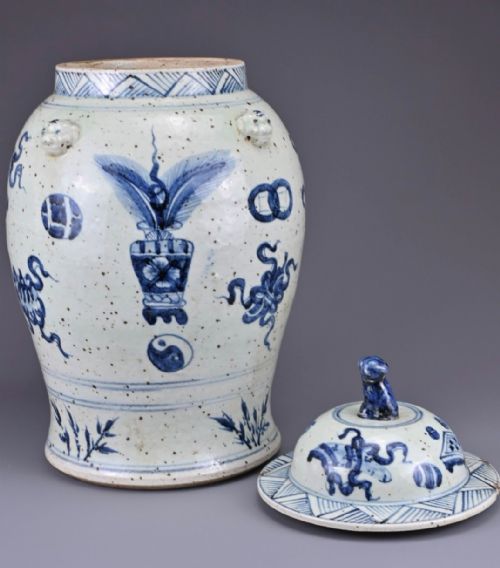
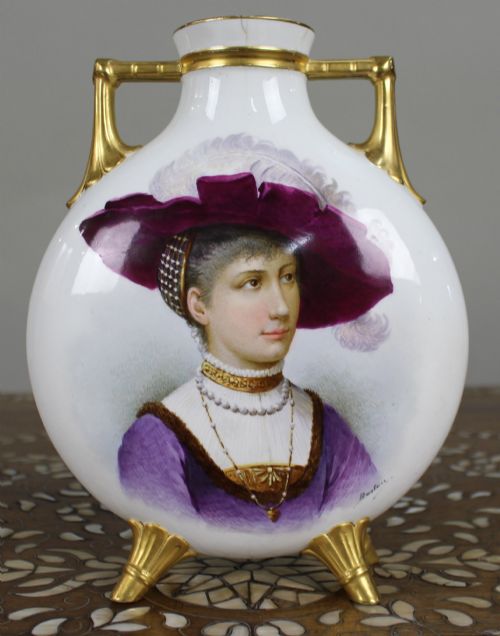
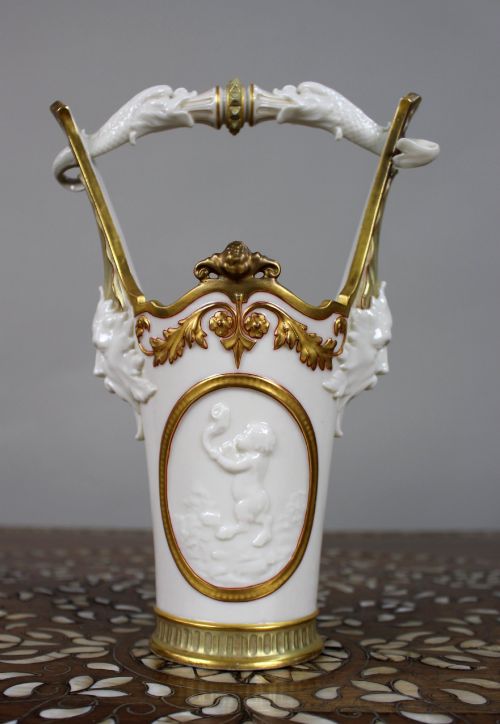
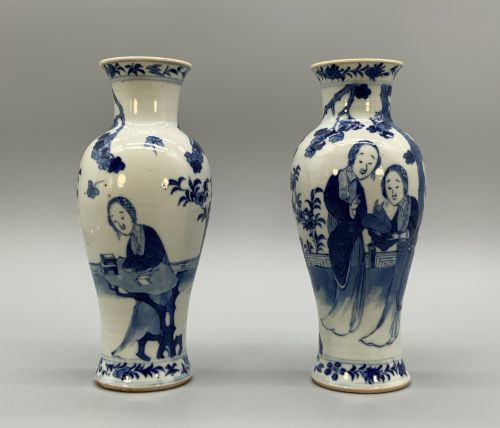
White porcelain urn pieces are decorative vessels that bring classical form and crisp ceramic surface to an interior.
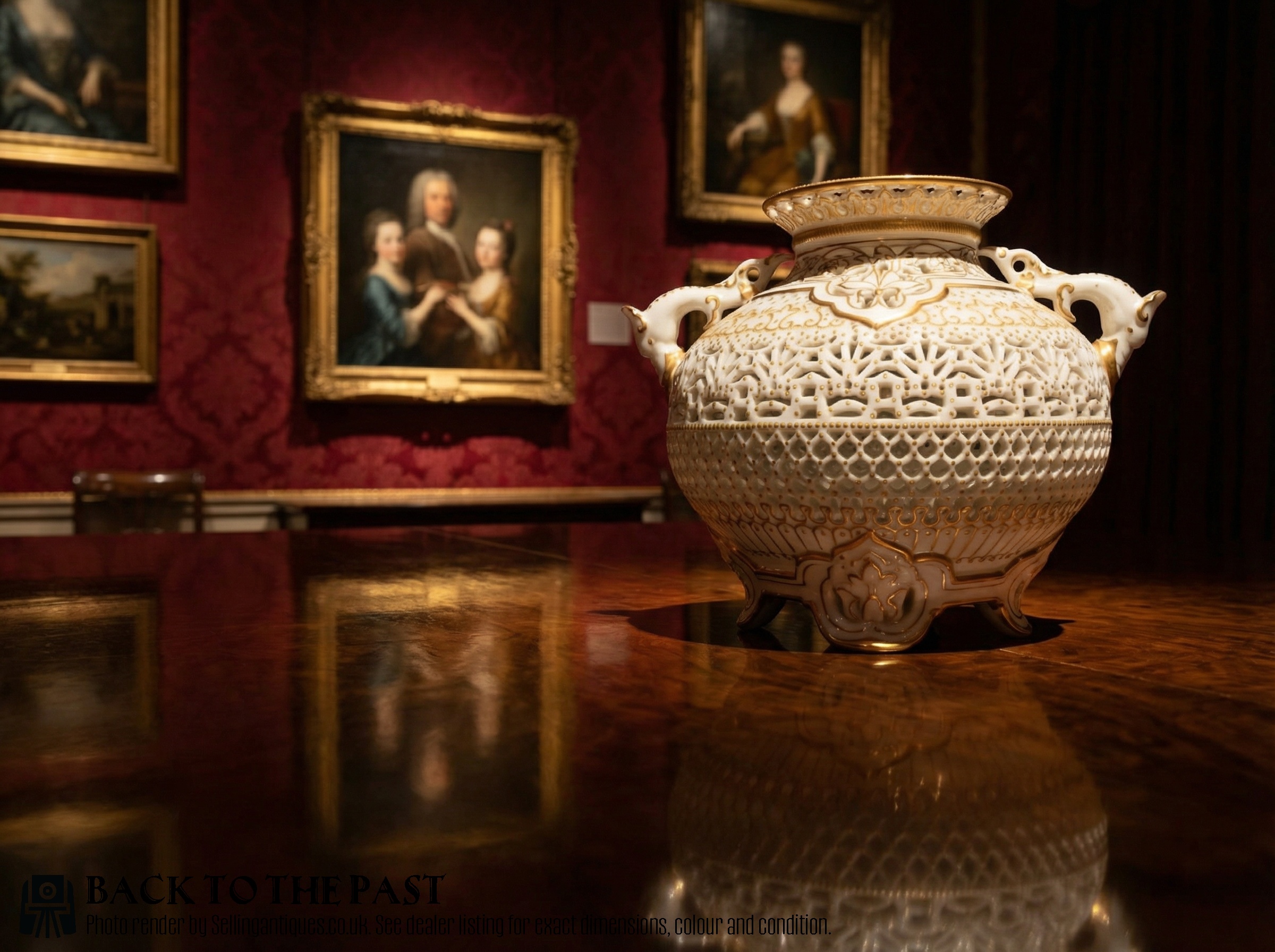
What white porcelain urn pieces are
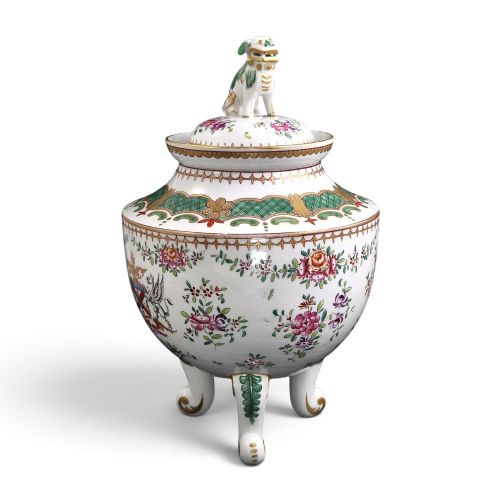
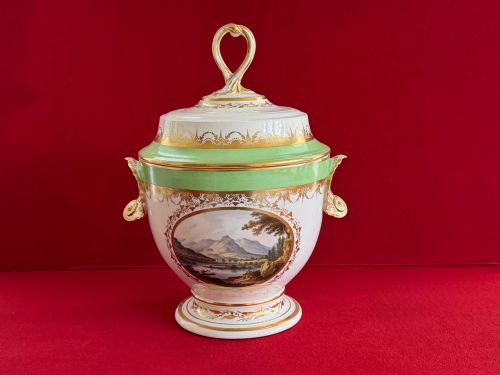
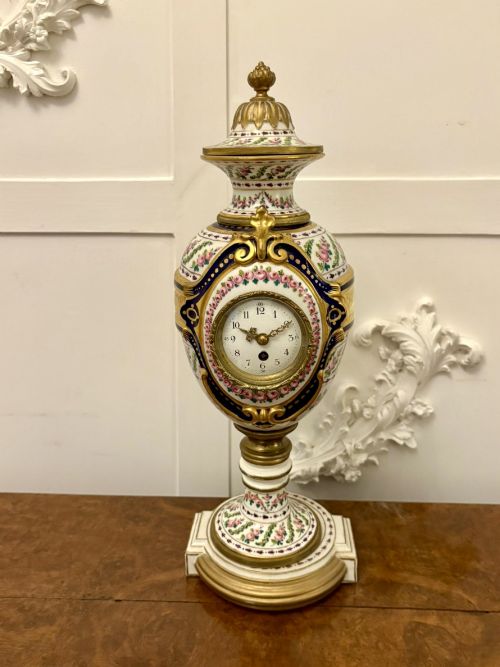
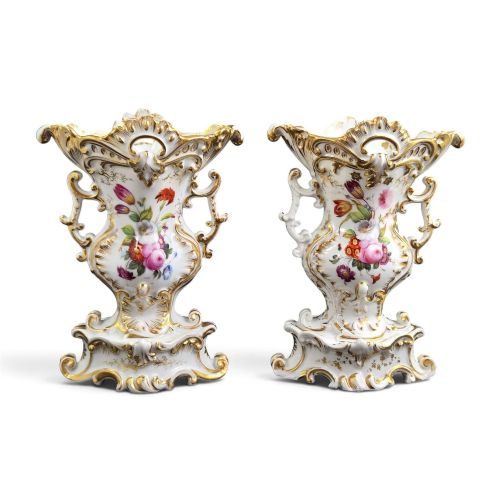
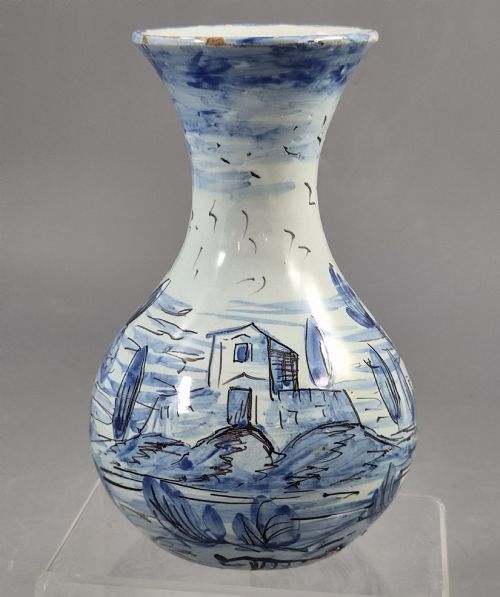
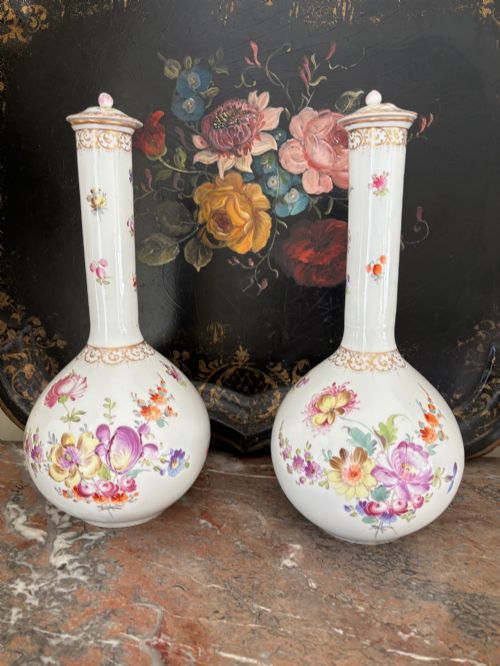
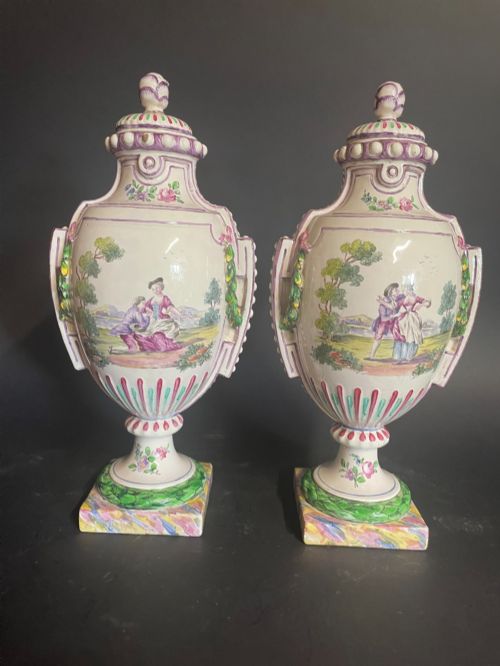
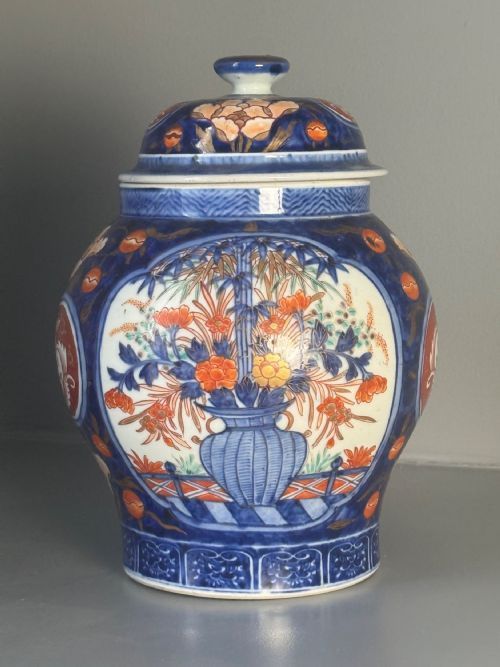
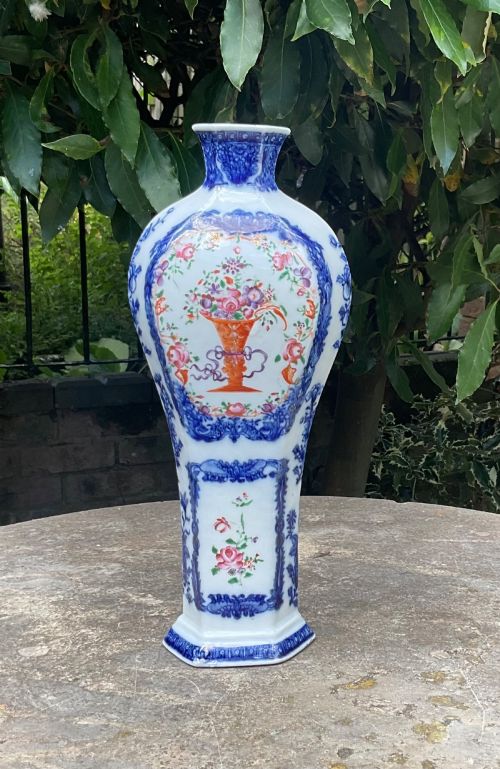
When searching for a white porcelain urn, buyers find a range of decorative vessels and vases originating from Georgian, nineteenth century, and twentieth century periods. These pieces include campana shapes, lidded potpourri jars, and two-handled vases designed for display rather than utility.
The objects span English factories such as Worcester, Derby, and Royal Worcester, alongside continental European workshops including Meissen, Sitzendorf, Samson, and Herend. French and German influences dominate the selection, often drawing on earlier Neoclassical and Rococo vocabularies.
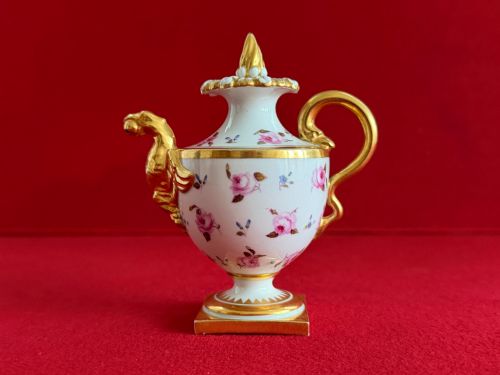
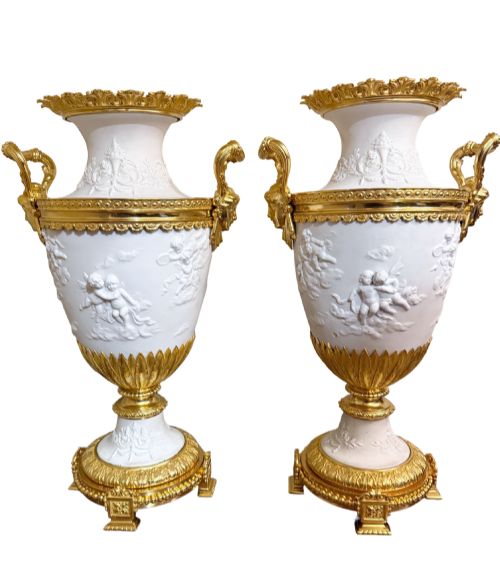
Most examples combine the bright ceramic body with gilt bronze, ormolu mounts, enamel work, or delicate reticulation. Collectors encounter both single presentation pieces and matched pairs intended for mantlepieces or side tables.
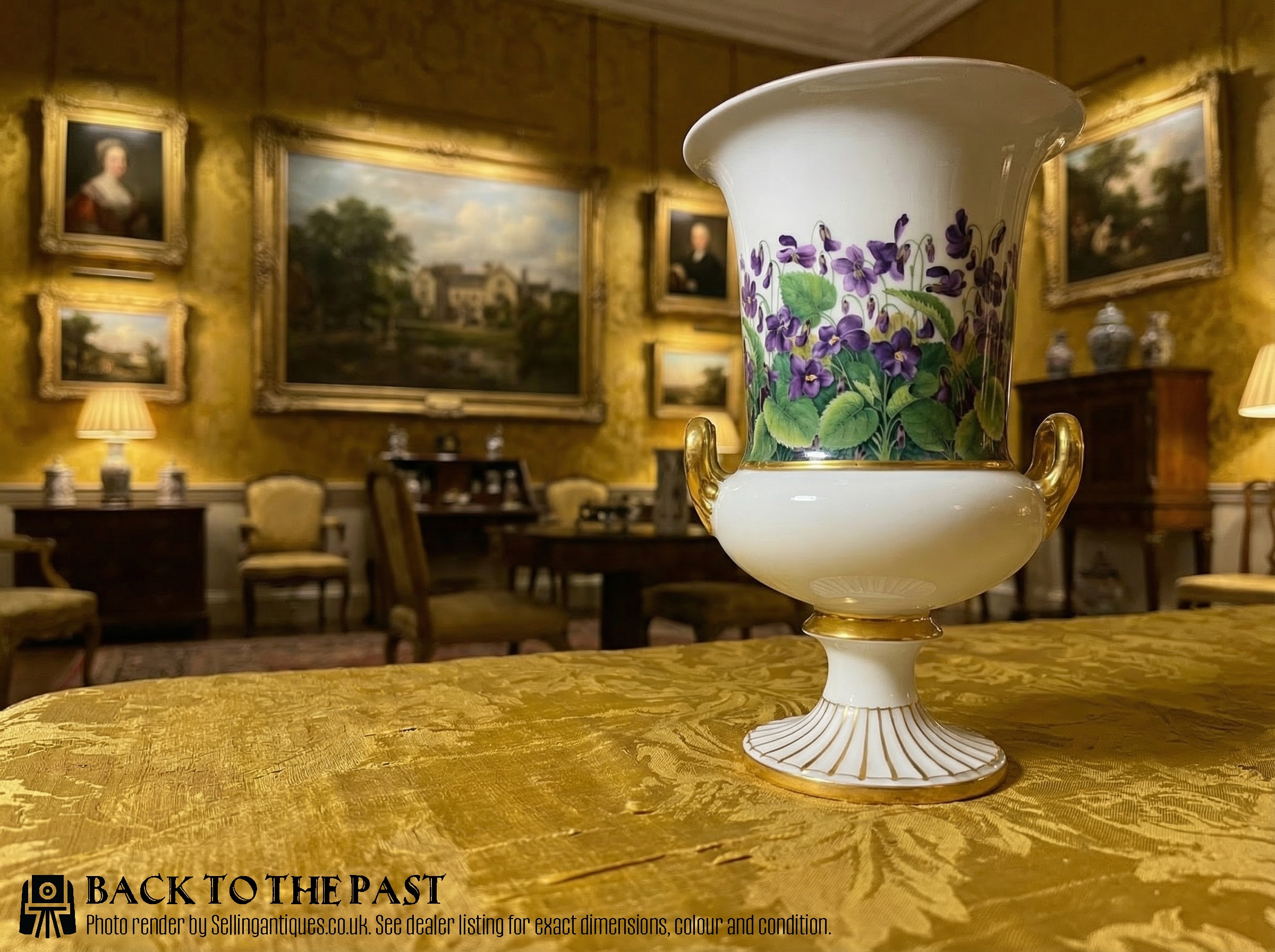
How they were made
The manufacture relies on refined ceramic paste fired at high temperatures to achieve a smooth white ground. Potters shaped these bodies on the wheel or in moulds before applying hand-painted enamels, gilding, and gold leaf highlights.
Many specimens incorporate metal components such as gilt bronze and ormolu mounts, requiring collaboration between ceramicists and bronze-workers. Specialised techniques like reticulation involved piercing the leather-hard clay by hand to create intricate openwork patterns.
Retail Price Guide 2026
Typical UK retail prices for white porcelain urn, calculated from the Sellingantiques database of over a million retail prices indexed since 2003. This retail price guide relies exclusively on Sellingantiques data; no external sources or auction records are used, so the figures do not describe the wider market.
Listings span periods from the eighteenth century through to the twentieth century, utilising porcelain, gold leaf, and ormolu.
What varies in quality
Quality rests in the crispness of the porcelain body and the precision of the hand-painted decoration. Superior pieces display refined brushwork, particularly in figurative scenes, armorial details, and botanical motifs.
The integration of secondary materials dictates the upper tier of the range. Finely chased ormolu mounts and intricate pierced reticulation demonstrate higher workshop skill than plain glazed surfaces.
BFB Worcester·Derby Porcelain·Samson·Meissen·Sitzendorf·Royal Worcester·Herend
The White Porcelain Urn Glossary
- Campana
- A bell-shaped vessel with a flared rim and foot, commonly associated with classical antiquity and adopted by eighteenth and nineteenth-century ceramicists.
- Reticulated
- Pierced or openwork decoration cut into the clay before firing, requiring immense precision to avoid warping in the kiln.
- Ormolu
- Gilt bronze mounts applied to ceramic bodies, adding architectural weight and decorative enrichment to European vases.
- Potpourri
- A lidded vessel pierced with small holes to release the scent of dried herbs and spices kept within the ceramic container.
- Armorial
- Heraldic bearings painted onto the ceramic surface, often commissioned by specific families for display.
Frequently Asked Questions
What is a white porcelain urn used for?
These vessels were primarily created as decorative display items for grand interiors, mantelpieces, and side tables. Some specialised forms, such as potpourri jars, held scented botanicals to fragrance formal rooms.
Over time, their role shifted from functional interior accessories to prized cabinet pieces for ceramic collectors. Their sculptural forms continue to serve as focal points in period and contemporary room schemes.
How do I identify a nineteenth-century piece?
Nineteenth-century examples often exhibit revivalist styles, drawing heavily on Rococo, Regency, and Neoclassical motifs. Examination of the paste, glaze, and mounting techniques helps distinguish these from earlier Georgian or later twentieth-century works.
Maker marks, factory stamps, and the application of gilt bronze or ormolu mounts provide further clues to dating. Continental European workshops frequently employed specific blue underglaze signatures that correspond to this era.
Are these urns sold as pairs?
Listings feature both individual decorative vessels and matched pairs intended for symmetrical placement on furniture. Pairs generally command greater interest from collectors seeking balanced display arrangements.
Single urns often appear as standalone cabinet pieces or centrepieces. The presence of a matching lid is also a key consideration for completeness.
How should I clean porcelain with ormolu mounts?
Dusting with a soft, dry brush is the safest method to maintain both the glazed ceramic surface and the metal mounts. Moisture can damage old adhesives or tarnish exposed gilt bronze over time.
Harsh chemical cleaners should be avoided entirely to protect hand-painted enamels and gold leaf highlights. Professional advice should be sought if deeper conservation is required.