

Gold Gilt Vase
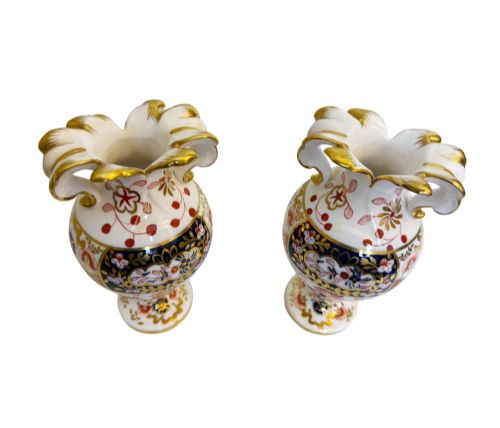
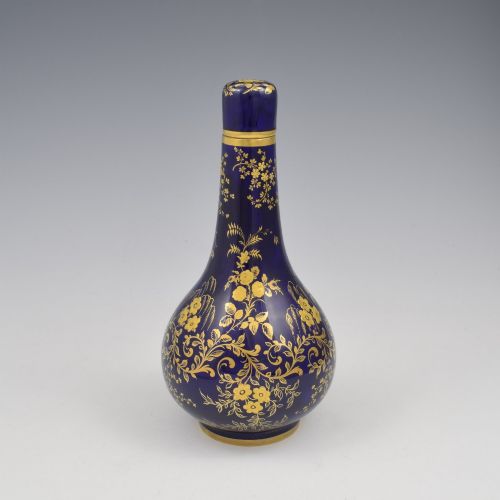
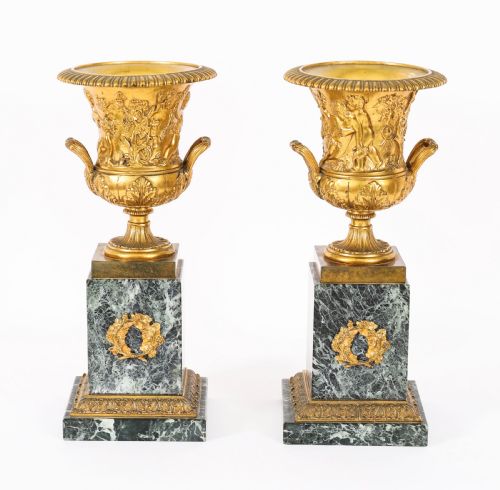
A gold gilt vase brings rich metallic lustre and decorative colour into a room through centuries of ceramic and bronze craftsmanship.
Gold Gilt Vase
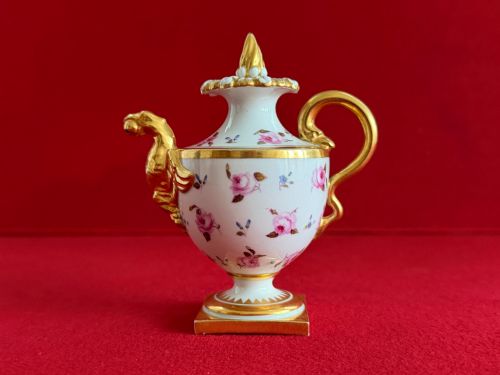
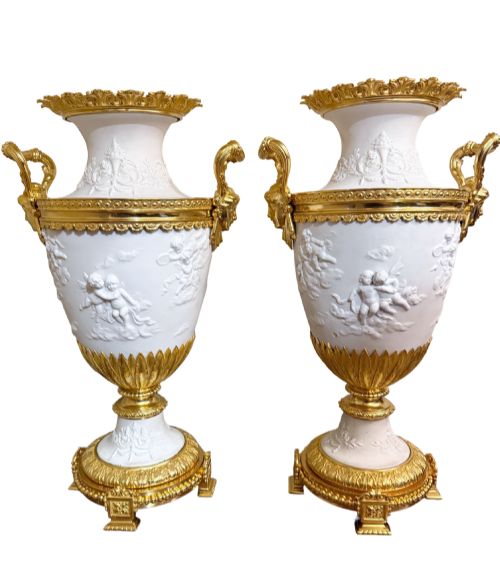
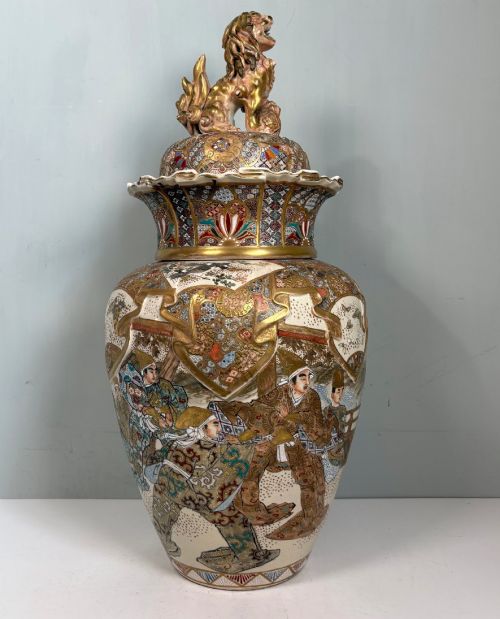
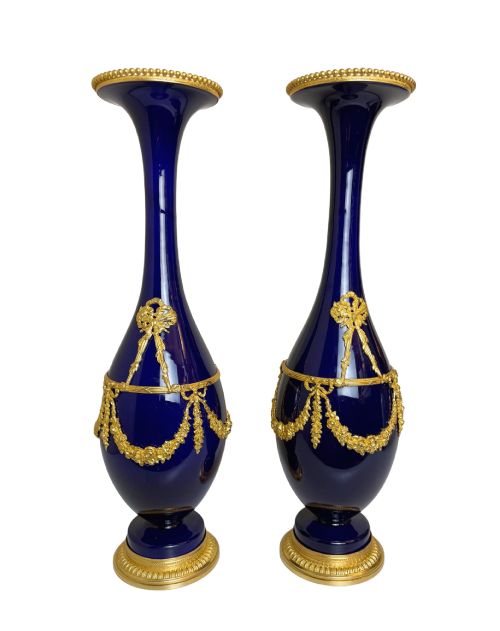
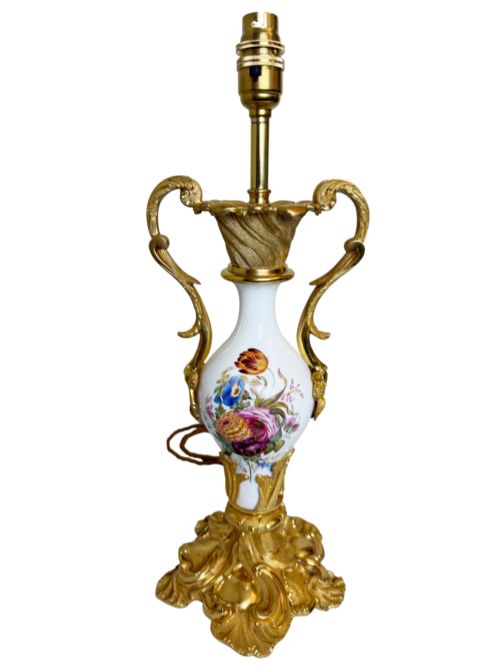
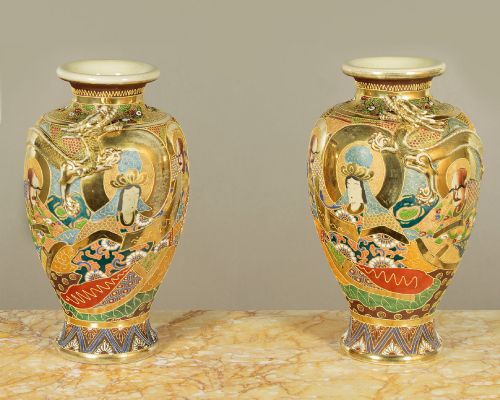
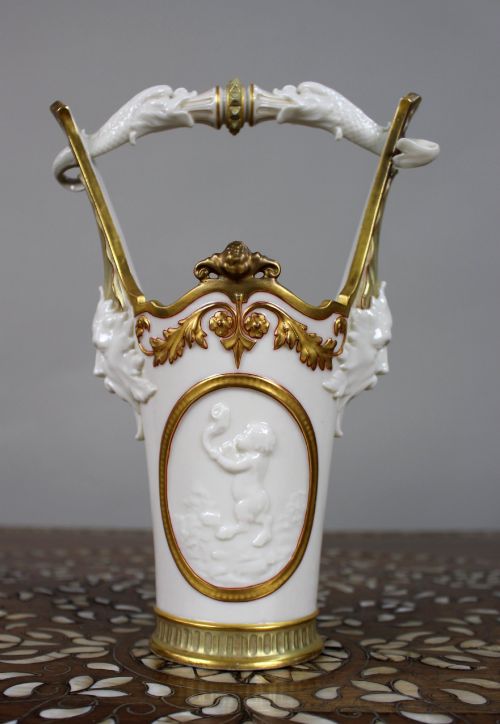
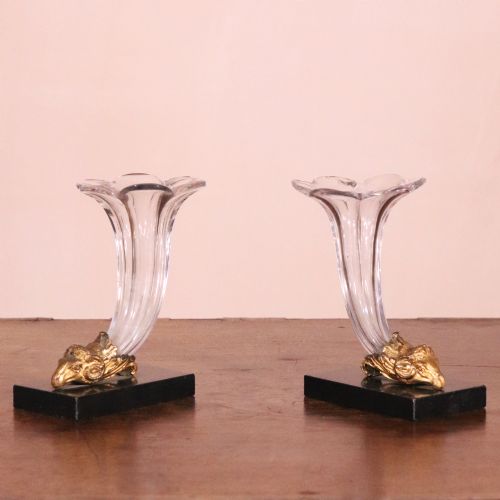
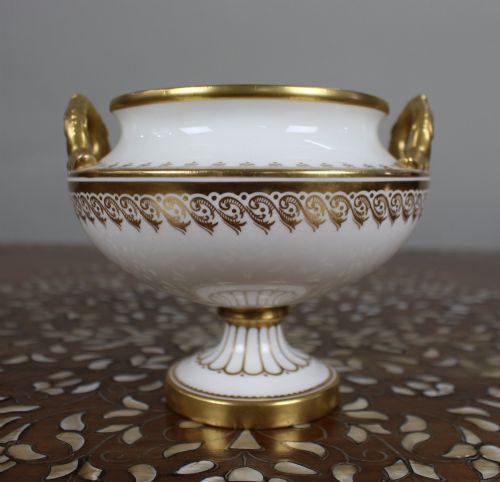
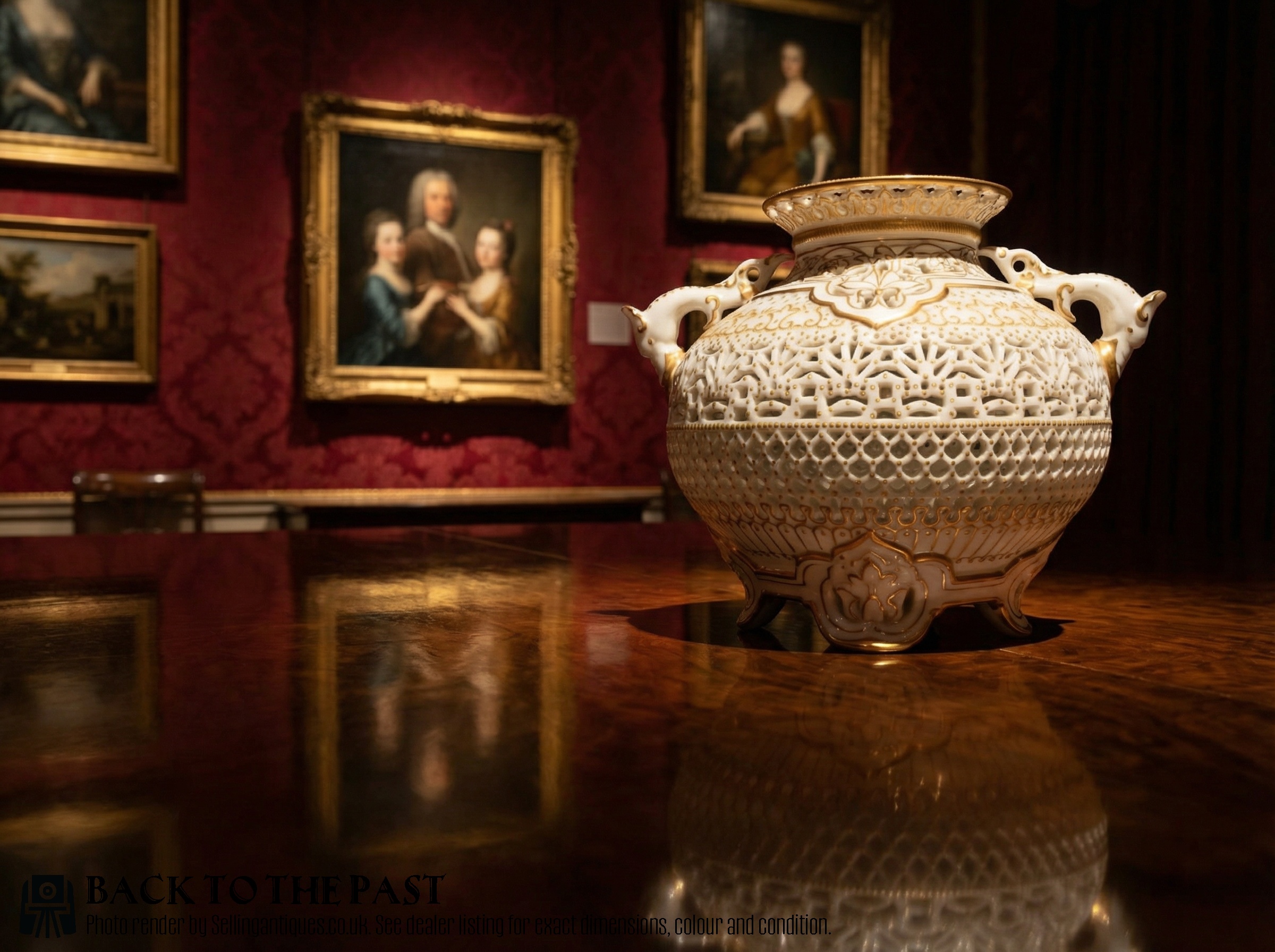
A gold gilt vase encompasses decorative vessels fashioned from porcelain, earthenware, glass, and bronze, enriched with gold leaf, gilding, or ormolu. When searching for a gold gilt vase, buyers encounter items ranging from nineteenth-century English porcelain urns to Japanese Satsuma ceramics and French Grand Tour bronze pieces.
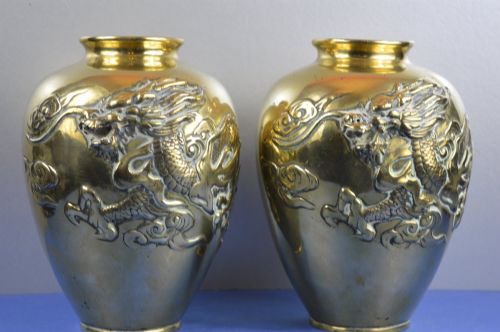
The selection on this page bridges multiple centuries and traditions, spanning Regency, Victorian, and Edwardian periods alongside the Meiji period in Japan. Forms vary from slender bottle vases and campana urns to heavy dragon vases and lidded ginger jars mounted in gilt bronze.
How they were made
Makers shaped these objects using high-fired porcelain, earthenware, cast bronze, or crystal glass, often applying manual turning or casting techniques. Artisans then integrated surface enrichment through hand-painted enamels, gilding, and fire-gilded ormolu mounts fitted securely to ceramic bodies.
Gold leaf and powdered gold mixtures were brushed onto porcelain glazes or bronze surfaces before secondary firing or chemical treatment to secure the metallic sheen. Metal components frequently required precise chasing and finishing by hand to achieve crisp relief details around handles and rims.
Listings feature gold gilt pieces across 19th Century, Edwardian, and Regency periods.
What varies in quality
The distinction between standard commercial production and superior workmanship lies in the crispness of the modelled details and the depth of the gilding. High-quality examples display hand-painted decoration executed with secure control, alongside cleanly cast bronze or ormolu mounts that fit the ceramic bodies without gaps.
Condition and completeness heavily influence the standing of an item, particularly regarding the preservation of delicate gold leaf and the intact nature of lids, handles, or crystal bodies. Retained maker marks or workshop signatures provide further indication of distinguished origin.
Flight Barr And Barr·Royal Worcester·Royal Doulton·Martial Redon
The Gold Gilt Vase Glossary
- Ormolu
- A gilded bronze technique utilising finely ground gold mercury amalgam applied to cast bronze, popular in French decorative arts. It provides a durable, warm metallic finish often found on nineteenth-century mounts.
- Satsuma
- A type of Japanese earthenware featuring a crackle-glaze ivory body decorated with polychrome enamels and gilt details. Originating from the Satsuma province, these pieces were widely produced for export during the Meiji period.
- Campagna urn
- A bell-shaped classical urn form raised on a pedestal foot with two loop handles, derived from antique Roman excavations. English and European factories reproduced this silhouette extensively through the nineteenth century.
- Champleve
- An enamelling technique where troughs or cells are hollowed out of a metal surface and filled with vitreous enamel before firing. It frequently appears on nineteenth-century French decorative bronze items.
- Gilding
- The application of gold leaf or gold powder to surfaces such as wood, porcelain, or metal to simulate solid gold. The technique elevates the decorative impact of domestic display vessels.
Gold Gilt Vase: Frequently Asked Questions
How do I clean an antique gilded vase?
Gilded surfaces require gentle dusting with a soft, dry microfibre cloth to avoid abrasion. Moisture and chemical cleaners should be strictly avoided, as they can lift delicate gold leaf or damage antique ceramic glazes.
For bronze or ormolu mounts, professional advice is recommended to prevent stripping the historic patination. Regular handling should be minimised to protect exposed metallic finishes from natural oils.
Are these vases suitable for holding fresh flowers?
Most antique porcelain, earthenware, and metal vessels are best kept as dry decorative objects rather than functional flower containers. Water seepage can compromise historic adhesives, interior glazes, or exposed ceramic bodies.
If water is used, a protective glass insert or liner prevents direct contact with vulnerable internal surfaces. Metal urns and bronzes are particularly susceptible to interior corrosion from moisture.
How do I distinguish French ormolu from modern brass?
Period ormolu displays a deep, soft golden hue achieved through historic mercury gilding or fire-gilding methods, lacking the harsh yellow shine of modern electroplated brass. The underlying bronze casting shows hand-finished chasing with sharp, refined details.
Weight and construction also offer clues, as nineteenth-century decorative pieces feature substantial metal gauge and hand-fitted components. Magnification often reveals microscopic tool marks absent in mass-produced modern replicas.
What does Satsuma mean on a vase label?
Satsuma identifies Japanese ceramic wares traditionally characterised by a fine, creamy earthenware body covered in a network of micro-crackle glaze. These pieces are typically decorated with detailed hand-painted scenes enhanced by raised gold enamel work.
While originating in Kagoshima Prefecture, much of the output seen in nineteenth-century collections was produced in workshops across Kyoto and Kobe for international export.