


Reticulated Porcelain Vase
A reticulated porcelain vase is an intricate vessel featuring delicate openwork pierced through the ceramic body, prized by collectors for its exceptional craftsmanship.
Reticulated Porcelain Vase
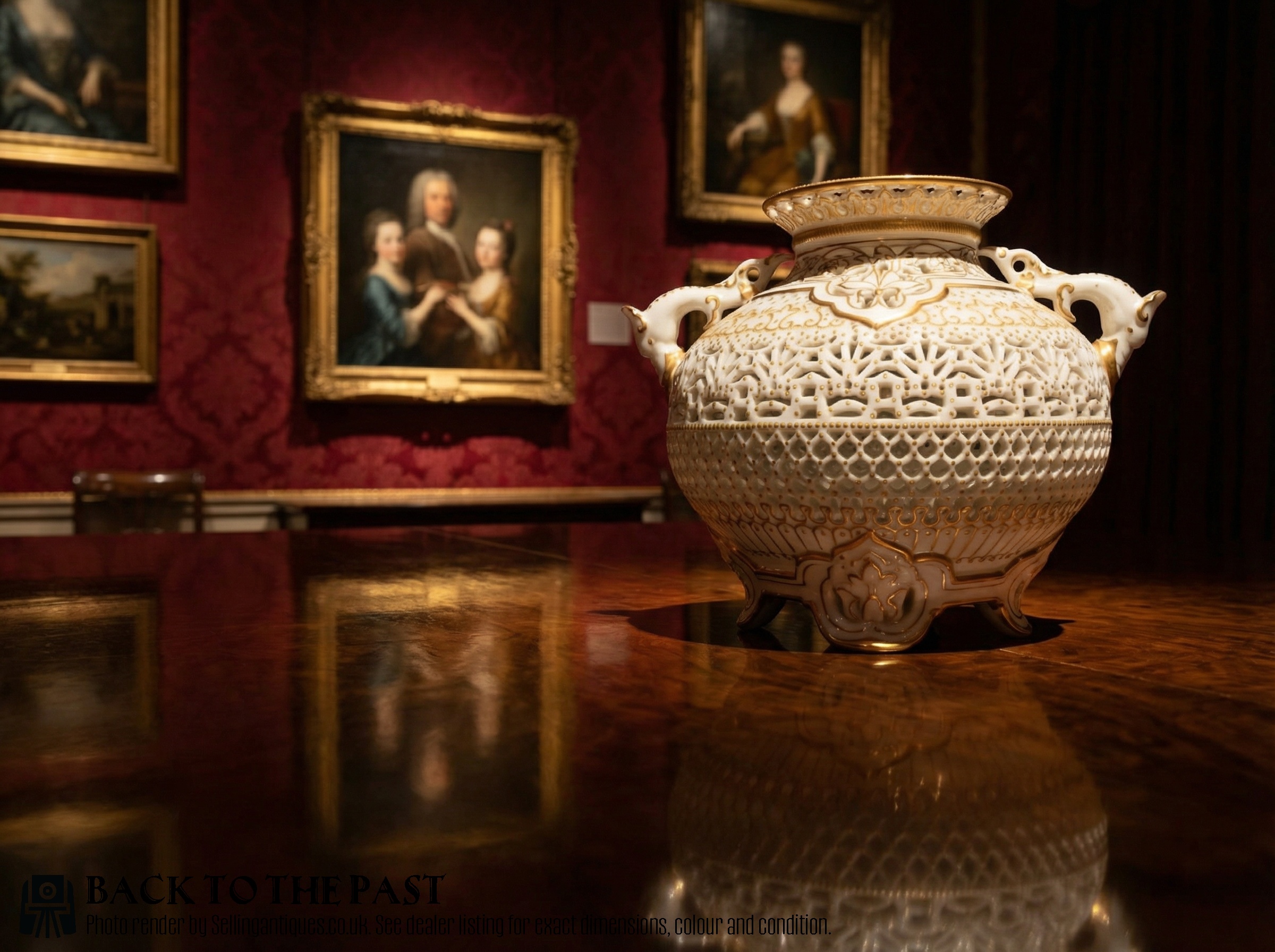
A reticulated porcelain vase is a vessel formed from ceramic material with pierced openwork lattice patterns, often taking the shape of vases, urns, ewers, and pot pourri containers. The pieces found here span from the 18th century through the 20th century, encompassing various international and British traditions.
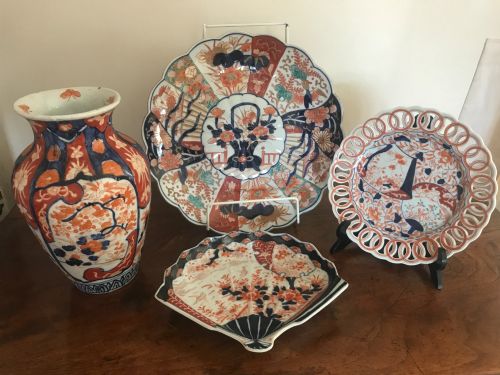
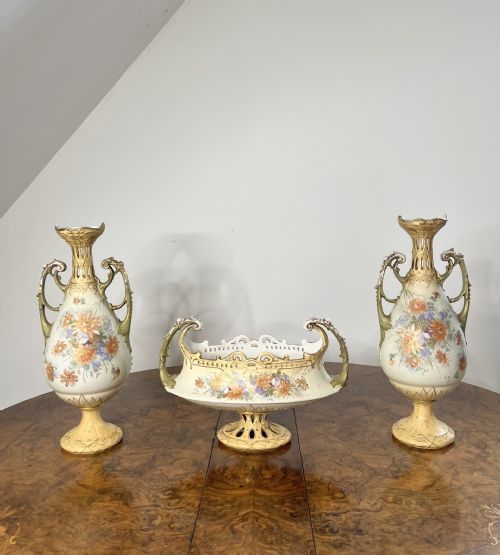
English factories produce many of the examples seen on this page, particularly Royal Worcester and Graingers Worcester, alongside continental European works from Vienna, Meissen, and Paris, plus Japanese Imari pieces. Forms range from simple spill vases to elaborate centrepieces, ewers, and lidded urns decorated with hand-painted fruit, flowers, and gilding.
The most common items meeting this search are late 19th-century and early 20th-century British porcelain vessels, frequently featuring fine piercing and gold leaf application. Buyers often encounter pieces originating from the Victorian and Edwardian periods, showcasing both classical revival styles and naturalistic motifs.
What varies in quality
The precision and complexity of the pierced openwork determine the refinement of a piece, as intricate lattice carving requires exceptional skill from the ceramicist. Skilled piercing results in crisp, uniform apertures without warping or cracking in the porcelain body.
The standard of hand-painted decoration separates standard production from superior examples, particularly where artists sign the work. Finer pieces display delicate brushwork in floral or avian subjects, complemented by heavy, well-preserved gilding.
George Owen spent decades piercing porcelain at Worcester, reportedly keeping his specialised cutting tools locked away to protect his intricate trade secrets.
Royal Worcester·Grainger Worcester·Royal Vienna·Ernst Wahliss·Vion et Baury
The Reticulated Porcelain Vase Glossary
- Reticulated
- Pierced or perforated with a network of openwork patterns resembling a net or lattice. This decorative technique requires meticulous cutting of the damp clay before firing.
- Ewer
- A large jug or pitcher with a wide spout and handle, frequently produced as a decorative ornamental piece rather than for utility. These vessels often match urns in garniture sets.
- Pot Pourri
- A vase or jar with a pierced lid designed to hold dried scented plant material. The perforated cover allows fragrance to diffuse into a room.
- Gilt
- Covered thinly with gold leaf or gold paint. This metallic embellishment highlights handles, rims, and structural borders.
- Bisque
- Unglazed white porcelain with a matte, texture resembling marble. It receives a single firing without a glossy glaze finish.
Reticulated Porcelain Vase: Frequently Asked Questions
What is reticulated porcelain?
Reticulated porcelain refers to ceramic vessels featuring intricate patterns cut or pierced through the body before firing. This creates a delicate lace-like openwork effect across the surface.
Craftsmen execute this technique by hand on leather-hard clay, requiring immense precision to avoid collapsing the structure during the kiln firing process.
How do I identify a Worcester vase?
Worcester porcelain pieces typically display factory backstamps underneath the glaze, alongside painter signatures on higher quality decorative items. Many feature hand-painted fruit or floral motifs.
Stylistic markers include fine gilding, pierced handles, and specific Victorian or Edwardian registry marks that help date the manufacture accurately.
Were these vases used for flowers?
While spill vases and standard vessels held floral displays, many reticulated pieces served purely as decorative ornaments, garniture set components, or lidded pot pourri jars. The delicate openwork makes certain pierced forms impractical for holding water.
Covered urns and pot pourri jars functioned primarily to scent interiors or display artistic ceramic skill in formal drawing rooms.
How should I clean my porcelain vase?
Dust these delicate ceramic items gently with a soft, dry brush to prevent damage to protruding handles and painted enamel surfaces. Avoid submerging antique pieces in water, especially those with vulnerable gold leaf or gilt highlights.
Harsh cleaning chemicals will strip the enamel colours and degrade the antique glaze, so dry maintenance remains the safest approach for preservation.