
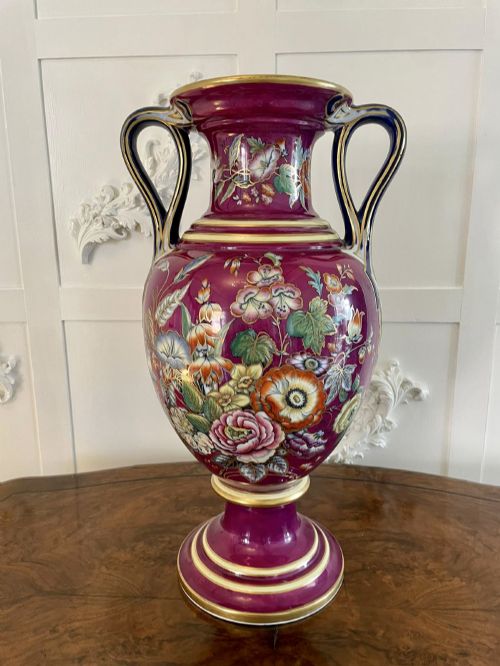
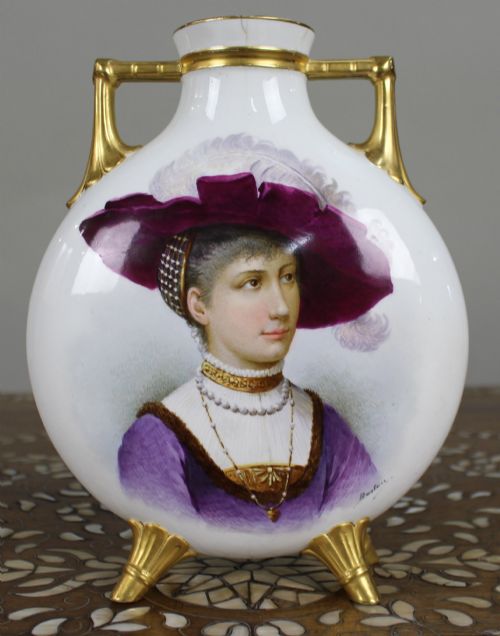
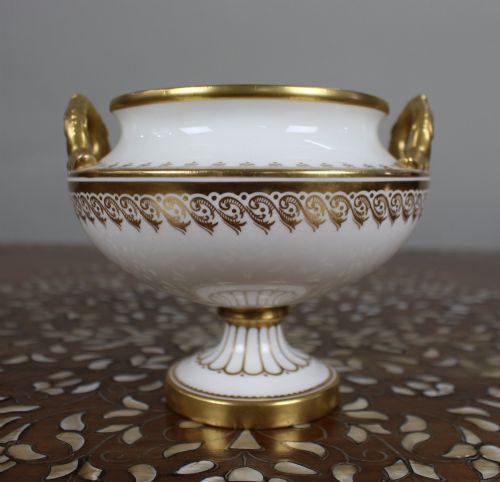
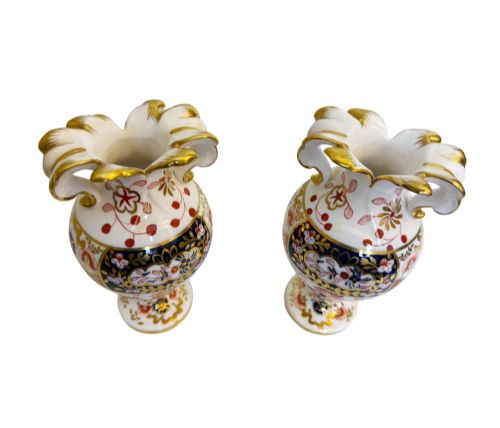


Twin Handled Vase
A twin handled vase brings symmetry and presence to a room, offering classical proportion whether rendered in porcelain, bronze or silver.
Understanding the Twin Handled Vase
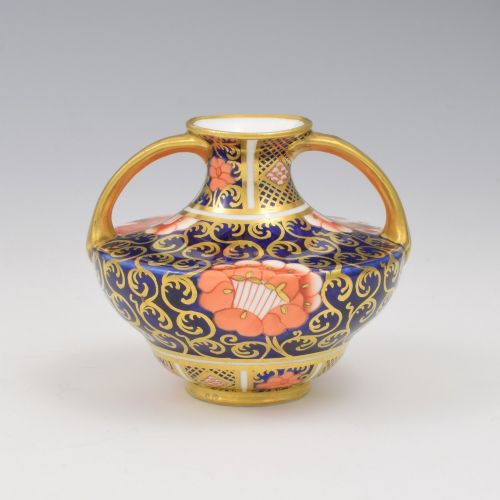
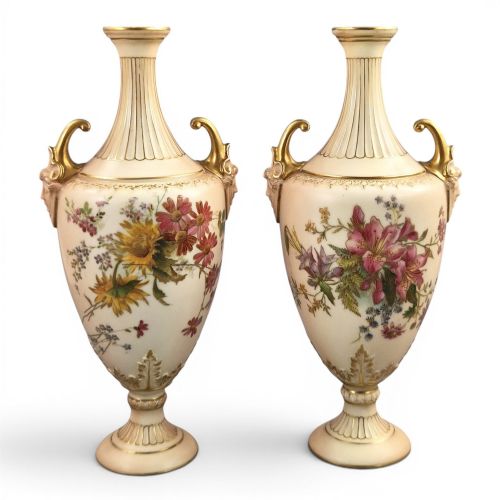
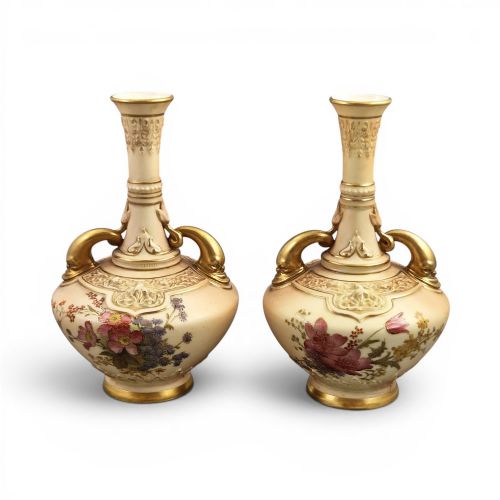
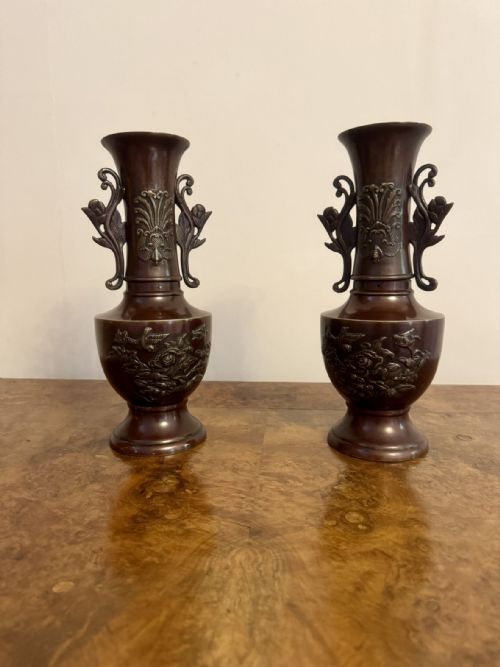
A twin handled vase combines utility with decorative weight, manifesting in forms ranging from tall porcelain vessels to sturdy bronze urns. These pieces emerge across several periods, including the nineteenth century, nineteen-ten, and later twentieth-century iterations.
The objects take various shapes, such as boat-shaped pedestal vessels, lidded urns, and column-like forms designed for display. Collectors encounter specific regional interpretations, including Irish sterling silver, Japanese bronze, and British porcelain.
Makers and factories across Britain, Europe, and Asia adopted the twin-handled format to showcase elaborate painting, gilding, and sculptural handles. These vessels function as focal points on furniture surfaces, carrying floral motifs or abstract patterns.
Distinctions in Quality
Quality rests upon the crispness of the casting in metalwork and the precision of the glaze and hand-painting in ceramics. Superior examples display careful handling of gilt details and balanced proportions between the twin handles and the central body.
Artistic execution drives distinction, seen in finely painted botanical scenes by known hands compared to standard factory output. The integration of the handles into the overarching design distinguishes a masterwork from a routine production piece.
The listings combine ceramic forms from British potteries with Japanese bronze vessels and European art pottery.
Royal Worcester·Moorcroft·Royal Crown Derby·Carlton Ware·Noritake
The Twin Handled Vase Glossary
- Cloisonne
- Enamel work created by soldering wire compartments onto a metal base before filling them with paste. This technique produces detailed patterns across metallic surfaces.
- Champleve
- Enamel decoration where troughs are gouged into a metal surface to hold the coloured paste. The surrounding metal lines form the boundaries of the design.
- Porcelaneous
- A ceramic body that shares the hard, dense qualities of true porcelain without meeting every strict technical definition. Staffordshire potteries frequently used this durable material.
- Blush ivory
- A soft cream-coloured ceramic ground developed by Victorian potteries to mimic ivory. It often serves as a backdrop for delicate hand-painted floral decoration.
- Pedestal vase
- A vessel raised upon a distinct foot or column above a small base. This shape lifts the main body to enhance display prominence.
Frequently Asked Questions
How were twin handled vases used?
These vessels functioned primarily as decorative garniture pieces on mantelpieces, sideboards, and pedestals rather than for holding fresh flowers. Their substantial weight and symmetrical handles made them architectural elements within nineteenth and early twentieth-century interiors.
Larger lidded urns and centrepieces sat at the focal point of a room, while smaller bud vases accommodated single stems on occasional tables.
What styles influence these vases?
Art Nouveau and Secessionist movements heavily influence many pieces, bringing flowing organic lines and stylised floral motifs to the ceramic or metallic surface. Celtic Revival styles appear in regional silver work, incorporating traditional interlaced knotwork.
Victorian and Edwardian aesthetics also dominate, ranging from classical revival shapes to Japanese-inspired bronze casting techniques.
How do I care for antique ceramic vases?
Dust ceramic and porcelain surfaces gently with a soft, dry brush to prevent accumulation in recessed gilt or painted areas. Avoid using liquid cleaners or soaking the piece, as moisture can penetrate older glazes and damage delicate enamel work.
Keep pieces away from direct sunlight to preserve the vibrancy of hand-painted floral enamels and cobalt grounds over time.
How do I identify bronze versus brass?
Bronze typically exhibits a heavier weight and a deeper, warmer metallic tone beneath any patination compared to brass. Analysis of the surface finish and casting seams often reveals the age and method of manufacture.
Many older bronze pieces feature hand-finished chasing that softens the contours left by the initial sand or lost-wax mould.