



Turquoise Porcelain Vase
A turquoise porcelain vase brings striking colour and refined form to a room, offering the rich tradition of European and Asian ceramics.
Turquoise Porcelain Vase
A turquoise porcelain vase represents a distinct intersection of European revival tastes and traditional Asian ceramic artistry. Buyers searching for a turquoise porcelain vase typically encounter pieces ranging from nineteenth-century French and English studio works to twentieth-century Chinese productions.
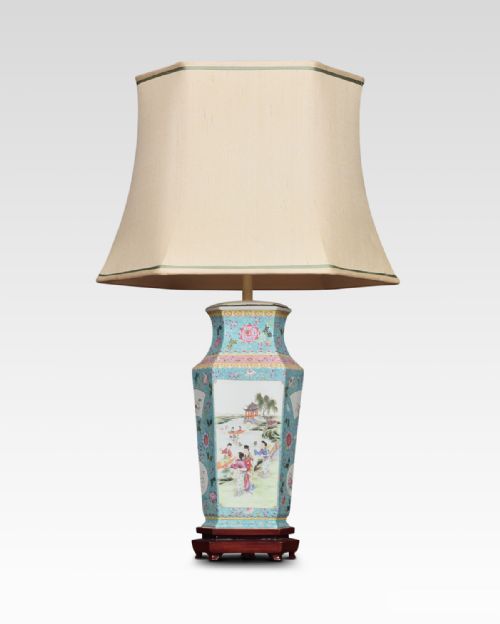
The selections available span multiple stylistic traditions, including classical French turquoise glaze interpretations, elaborate Dresden and Minton works, and Chinese monochrome or famille rose vessels. Many examples take the form of decorative urns, lidded jars, or pieces thoughtfully converted into table lamps.
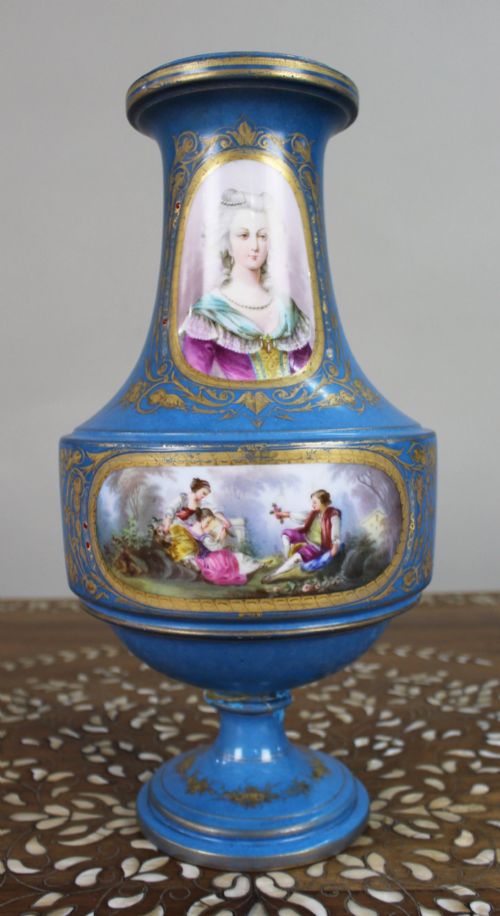
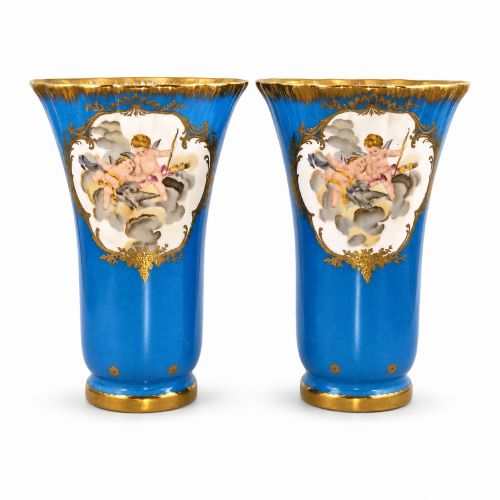
Nineteenth-century examples frequently channel the Sèvres taste or Rococo revival aesthetics, whilst other pieces showcase Japanese Meiji craftsmanship or Chinese baluster forms. These variations mean a collector can choose between grand decorative centrepieces and smaller, intimate cabinet vessels.
How they were made
The creation of these objects relies upon high-fired ceramic and porcelain bodies coated in specialised metallic oxide glazes to achieve the characteristic vibrant turquoise hue. Artisans frequently combined these porcelain bodies with gilt bronze, brass mounts, and occasionally wood or gold leaf detailing.
Decoration often involved hand-painted enamel scenes, incised botanical motifs such as stylised peonies, or elaborate gilt borders applied over the glaze. European factories like Sèvres, Samson Paris, and Minton mastered these complex glazing and firing techniques to emulate prized oriental ceramics.
Turquoise Porcelain Vase Retail Price Guide 2026
Typical asking prices for turquoise porcelain vase among the pieces listed under this phrase on Sellingantiques today, from the lower quarter to the upper quarter. They describe what is for sale here now, not the wider market.
Several vases traded their original purpose for electrical fame, quietly spending their second century reading books as table lamps.
What varies in quality
Quality in a turquoise porcelain vase is determined by the depth and uniformity of the glaze, the precision of any hand-painted enamel work, and the crispness of incised details. Superior examples display an even, brilliant turquoise surface without distracting firing flaws, alongside meticulous detailing in gilt or pictorial panels.
The standard of mounting also dictates the overall merit of the piece, particularly where ormolu, brass, or gilt bronze mounts are integrated into the design. Finer works demonstrate secure, well-cast metalwork that complements the ceramic body rather than overpowering its natural form.
Royal Doulton·Helena Wolfsohn Dresden·Minton·Samson Paris·Sèvres
The Turquoise Porcelain Vase Glossary
- Bleu Céleste
- A bright sky-blue glaze colour famously utilised by the Sèvres porcelain factory in France. This tone closely mirrors the vibrant turquoise shades found across nineteenth-century European decorative arts.
- Ormolu
- Gilt bronze mounts applied to furniture and ceramics to enhance their decorative appeal. It is commonly found on nineteenth-century French urns and vases.
- Baluster
- A vase form characterised by a rounded body that tapers toward the base and swells outward below a narrow neck. This shape is frequent in both Chinese porcelain and European revivals.
- Famille Rose
- A palette of Chinese porcelain enamels dominated by opaque pink or rose colours, introduced during the Qing dynasty. Pieces utilising this style often incorporate intricate floral and figural compositions.
Turquoise Porcelain Vase: Frequently Asked Questions
How do I identify a Sèvres style vase?
Sèvres style pieces typically feature the bright bleu céleste turquoise glaze, often paired with gilt bronze mounts and hand-painted pastoral or courtly scenes. They reflect the nineteenth-century European fascination with eighteenth-century French royal aesthetics.
Examination of the glaze quality and mounting craftsmanship helps distinguish genuine nineteenth-century revival works from later reproductions.
What is the difference between Chinese and European turquoise vases?
Chinese examples often focus on monochrome glazes with incised motifs like peonies, or employ famille rose enamels within traditional baluster or moon flask silhouettes. European interpretations frequently lean into Rococo revival styling or imitate French royal aesthetics.
Both traditions achieve a striking turquoise appearance through different kiln techniques and decorative priorities.
Can I use a converted lamp safely?
Many nineteenth-century vases were converted into table lamps during their history to suit changing domestic lighting needs. These pieces retain their original ceramic bodies while incorporating modern electrical components.
It is advisable to have any historical or converted wiring checked by a professional electrician before regular use.
How should I clean antique porcelain?
Antique porcelain and enamel work require gentle care to preserve delicate gilding and surface glazes. Dusting with a soft, dry cloth is usually sufficient for regular maintenance.
Avoid harsh chemical cleaners or submersion in water, especially on pieces with gilt bronze mounts or painted enamel panels.