



Ormolu Mounted Porcelain Urns
Ormolu mounted porcelain urns combine French Sevres style porcelain with gilt bronze mounts to create striking decorative objects and table lamps for interiors.
What They Are
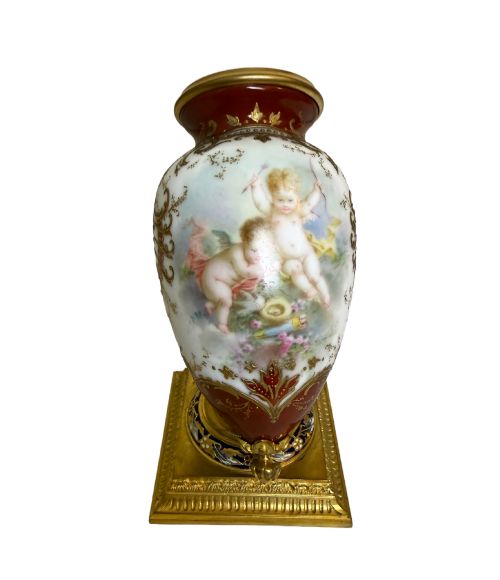
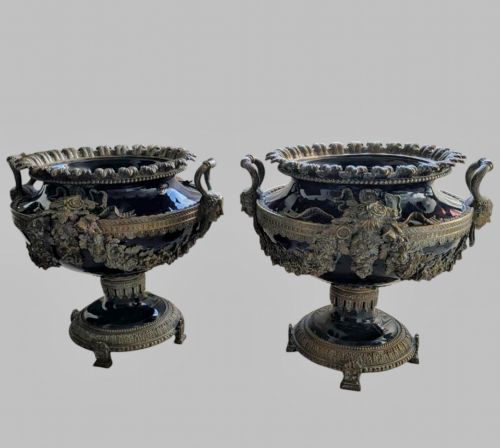
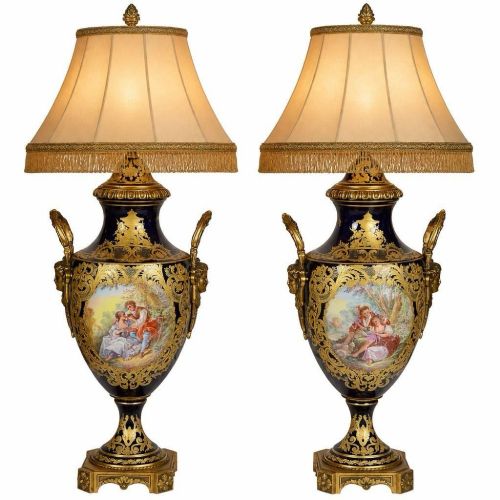
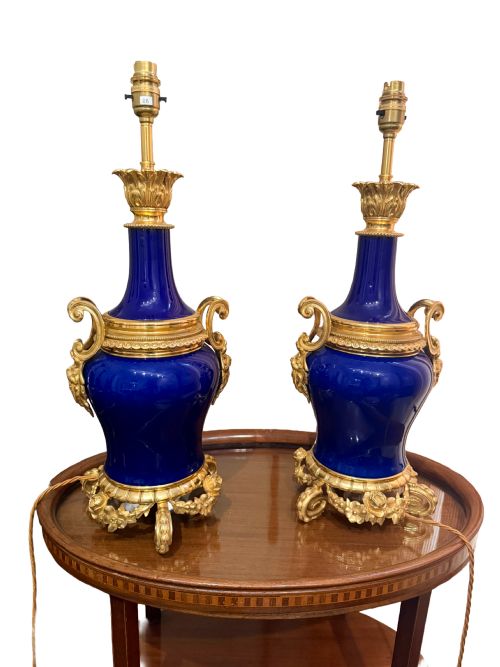
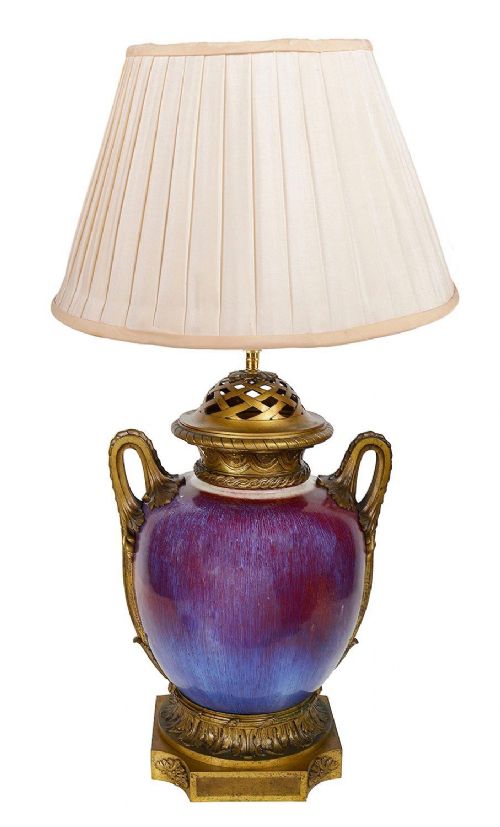
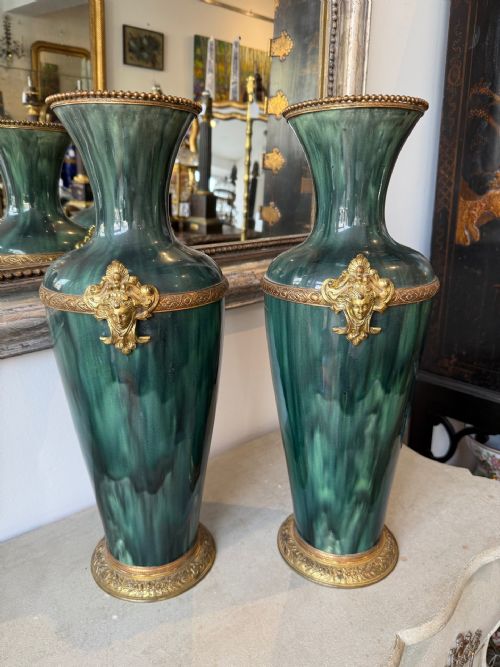
Ormolu mounted porcelain urns are decorative vessels and table lamps originating from the nineteenth century. These pieces reflect classical and Rococo Revival influences, drawing heavily upon French Sevres style design.
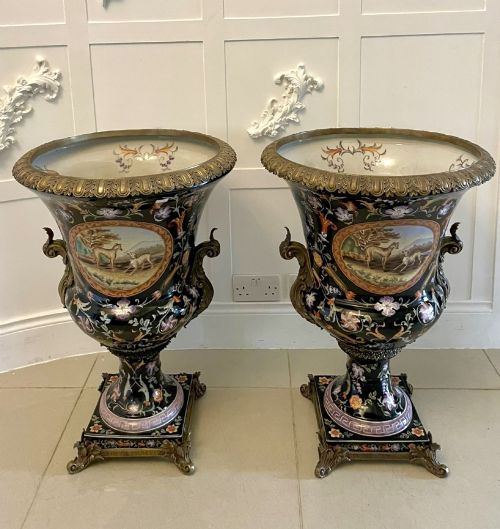
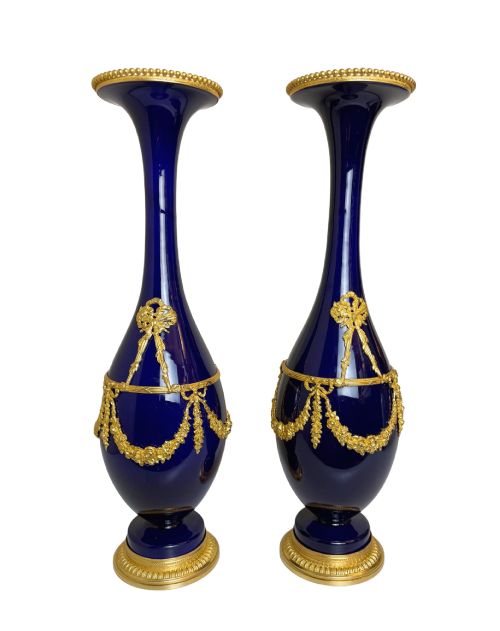
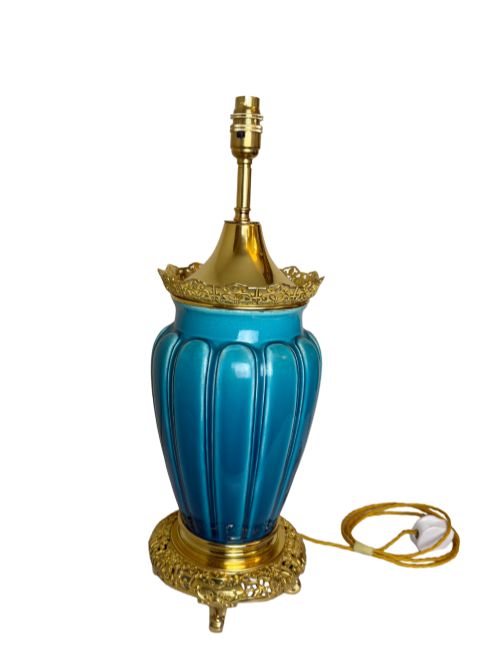
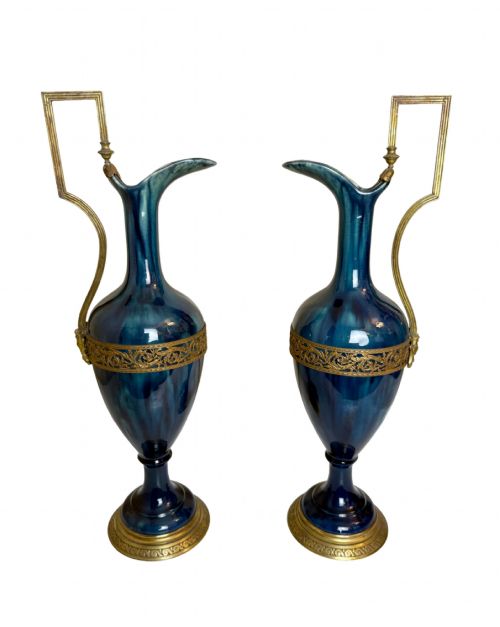
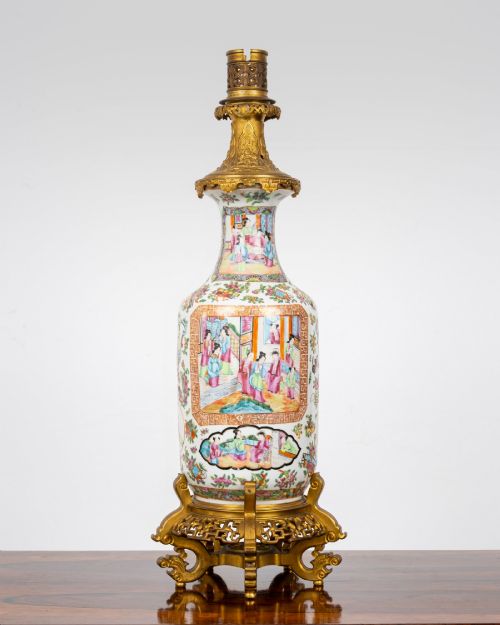
The selections available here consist entirely of pairs, ranging from tall lidded vases to blue porcelain table lamps. Each piece bridges functional utility and ornamental display, anchored firmly in nineteenth century European craftsmanship.
How They Were Made
The construction of these items unites fired ceramic porcelain bodies with cast gilt bronze elements. Enamel details often enhance the decorated porcelain surfaces, providing depth and contrast to the glazed finish.
Mounts of ormolu are meticulously shaped and fitted to the porcelain frames, securing handles, bases, and rims. This marriage of metalwork and ceramics requires precise manufacturing techniques to align the disparate materials.
Retail Price Guide 2026
Typical UK retail prices for ormolu mounted porcelain urns, calculated from the Sellingantiques database of over a million retail prices indexed since 2003. This retail price guide relies exclusively on Sellingantiques data; no external sources or auction records are used, so the figures do not describe the wider market.
One towering pair reaches a full metre in height, demanding serious ceiling clearance from any prospective owner.
What Varies Across Examples
Quality separates in these urns reveal themselves through the crispness of the bronze chasing and the refinement of the porcelain bodies. Superior examples display sharper detail in the gilt mounts and greater delicacy in the painted enamel or glazed surfaces.
The integration between the metalwork and the ceramic vessel dictates the overall success of the piece. Better execution ensures the ormolu follows the contours of the porcelain seamlessly without awkward gaps.
The Ormolu Mounted Porcelain Urns Glossary
- Ormolu
- A golden-coloured alloy of copper, zinc, and tin used for mounts and decorative accents. It provides a bright metallic contrast against glazed porcelain bodies.
- Sevres Style
- An aesthetic inspired by the famous French royal porcelain factory, characterised by rich colours and classical motifs. Pieces in this manner emulate the luxury of eighteenth and nineteenth century French production.
- Gilt Bronze
- Metal cast from bronze and treated with gold to impart a lasting metallic finish. It serves as the primary material for the structural and decorative mounts.
- Rococo Revival
- A nineteenth century design movement that reinterprets asymmetrical scrollwork and naturalistic motifs from the earlier eighteenth century. This style appears frequently in the shaping of handles and bases.
Frequently Asked Questions
How do I date these urns?
Dating relies upon stylistic markers such as Rococo Revival curves, nineteenth century manufacturing techniques, and Sevres style painting conventions. Comparing the integration of the bronze mounts helps establish the period.
Most surviving examples date from the later decades of the nineteenth century, reflecting the revival tastes of that era.
How were these urns used?
Originally created as decorative display items for grand interiors, some nineteenth century examples were later adapted into table lamps. Their imposing height makes them suitable for placement on pedestals, consoles, or large sideboards.
They functioned primarily as visual statements of wealth and refined taste rather than practical storage vessels.
How do I care for ormolu mounts?
Maintenance requires gentle dusting with a soft, dry cloth to prevent the accumulation of dirt within the chased details of the bronze. Avoid chemical cleaners or polishes that can strip the original gilding.
Keeping the pieces away from direct sunlight and moisture protects both the enamel on the porcelain and the gilt finish of the metal.