
19th Century Porcelain Urn
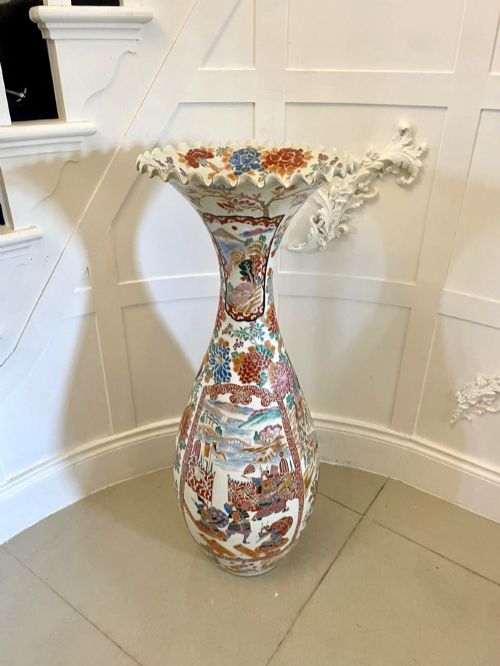
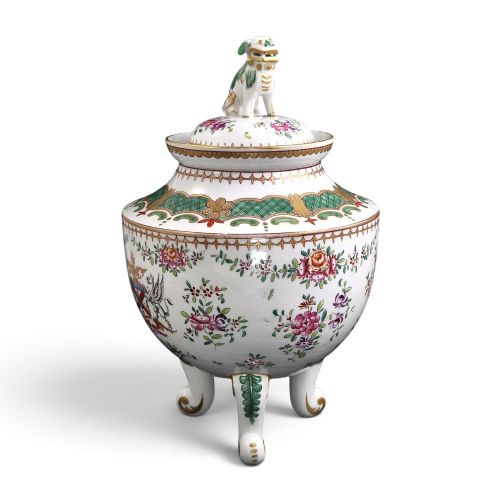
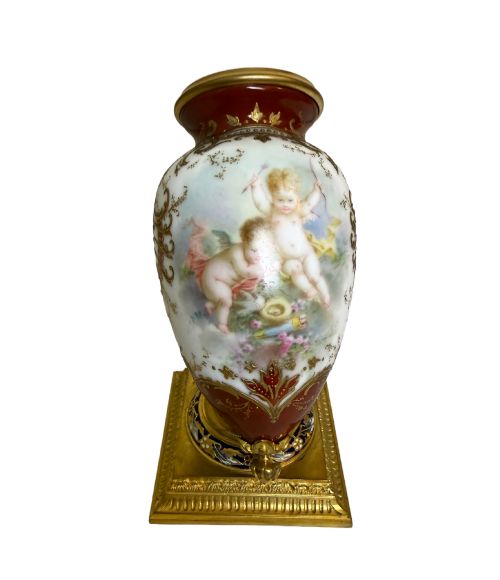
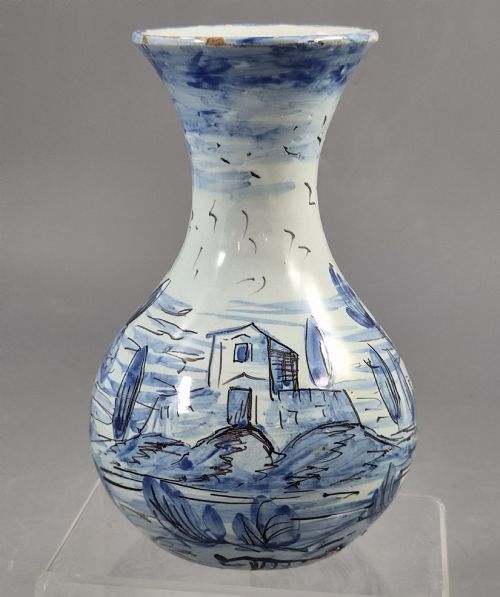
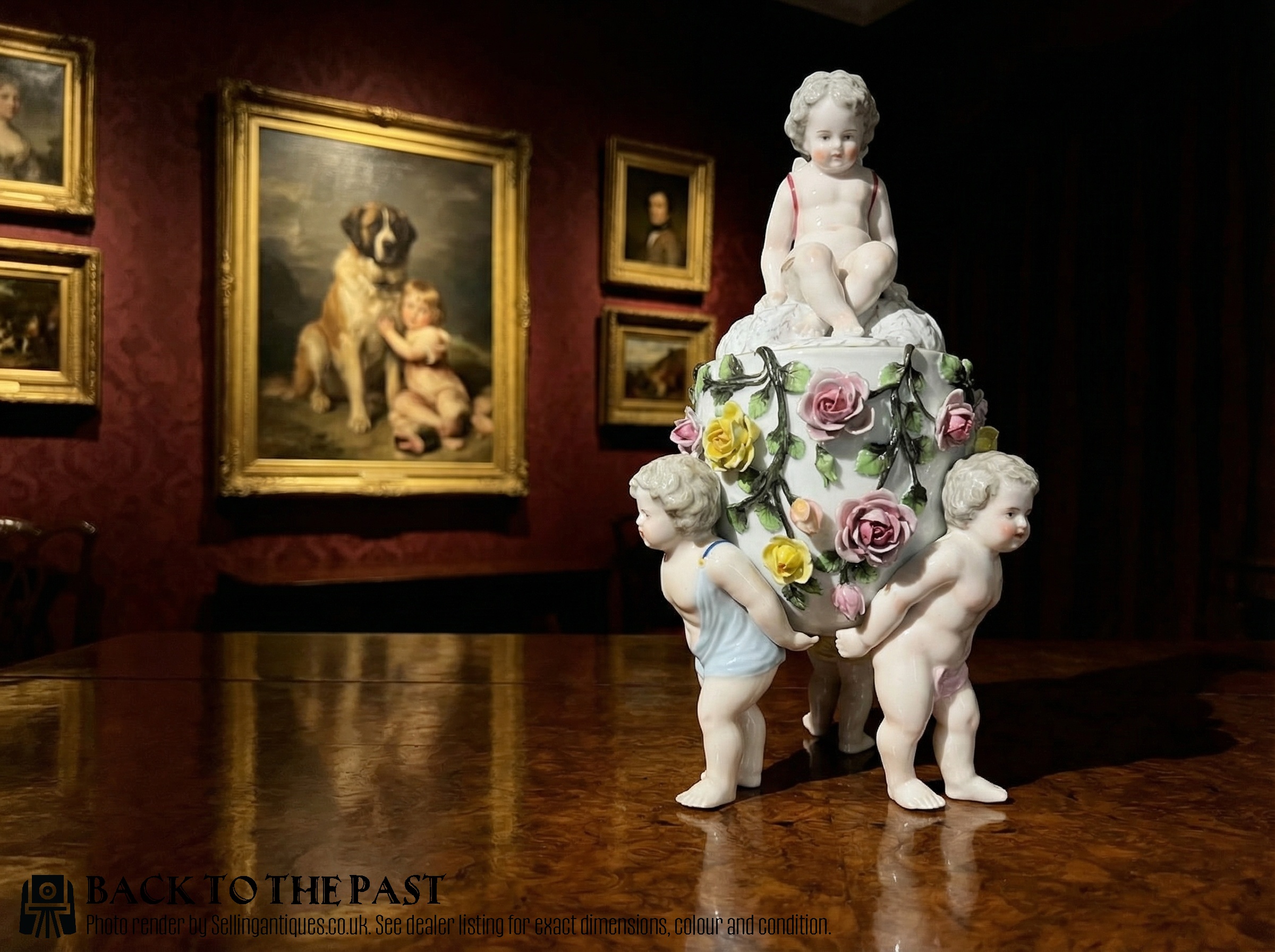
These 19th century porcelain urn pieces bring decorative presence to a room, offering the glazed surfaces and gilded details that collectors prize.
What they are
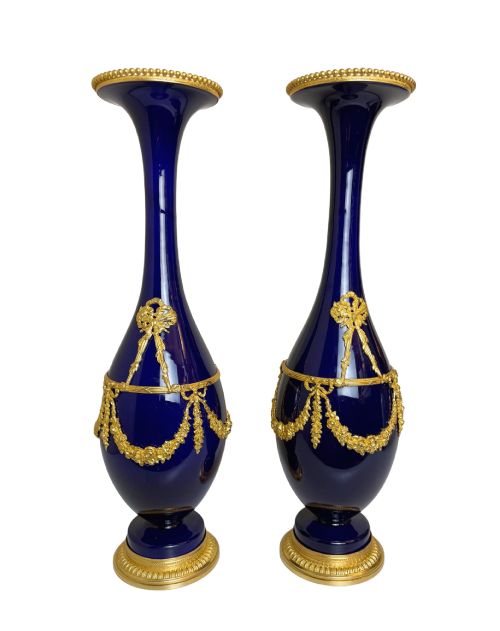
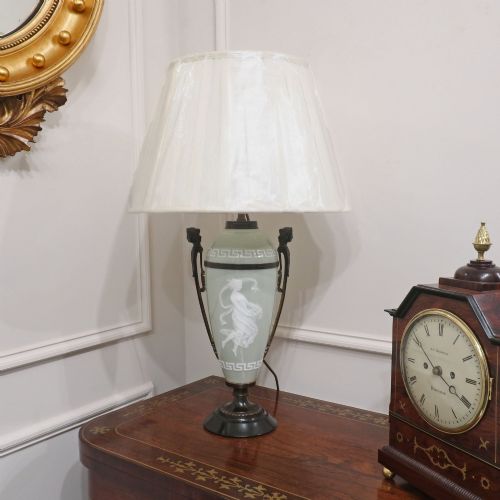
A 19th century porcelain urn combines decorative form with classical proportion, appearing in forms such as campana vases, pot pourri vessels, and lidded vases. These objects range from compact cabinet pieces to substantial garniture items intended for prominent display on mantelpieces and side tables.
The versions most commonly met on this page span the Georgian, Regency, and Victorian periods, often displaying French or English regional influences. Makers across these eras utilised traditional shapes like the Warwick vase alongside factory-specific interpretations of continental styles.
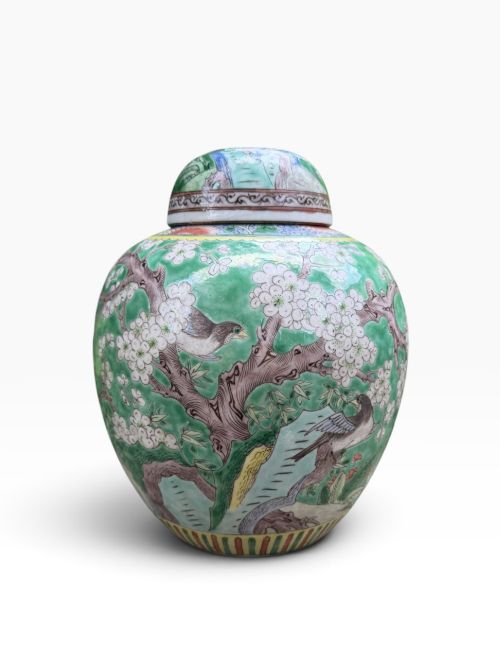
Object types on offer include decorative vases, sauce tureens, and covered vessels that bridge the gap between ornamental display and functional tableware. Collectors encounter both English manufactories and continental workshops producing these ceramic forms throughout the nineteenth century.
How they were made
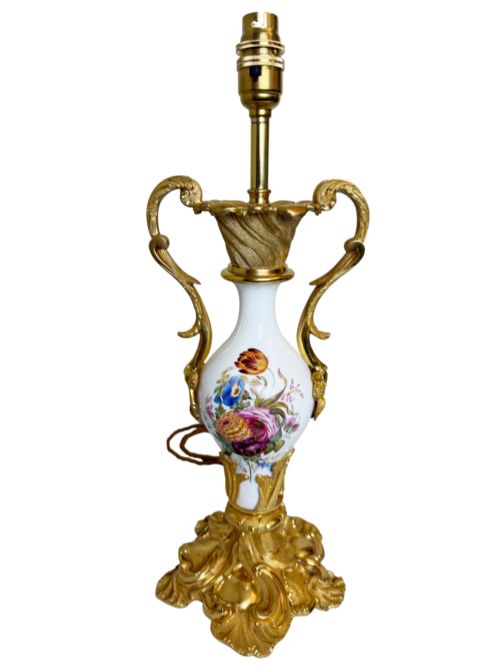
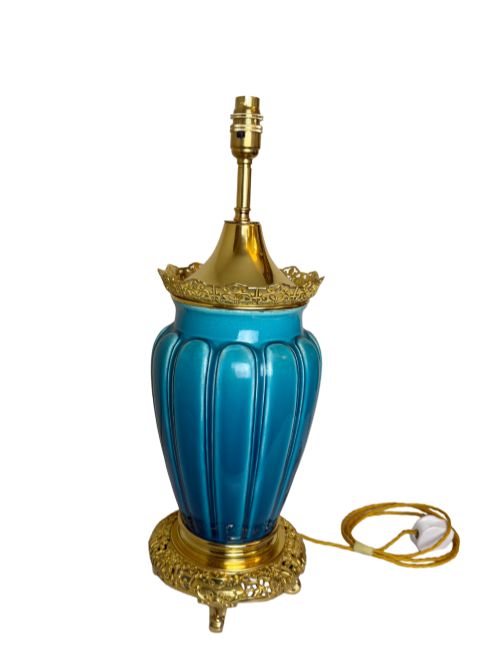
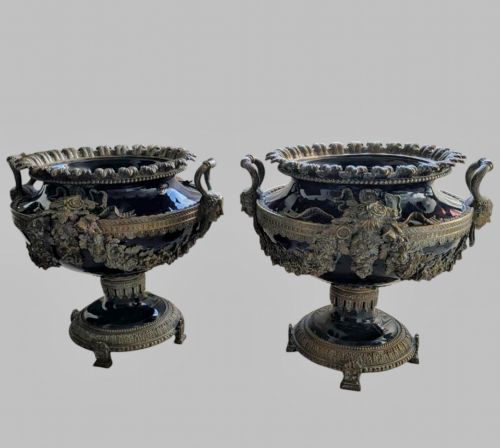
Potters shaped these vessels using hard-paste and soft-paste porcelain bodies, sometimes mounting the ceramic forms in gilt bronze for added structural weight and decorative contrast. Glazes provided the smooth foundational surface required for subsequent enamel painting and gilding operations.
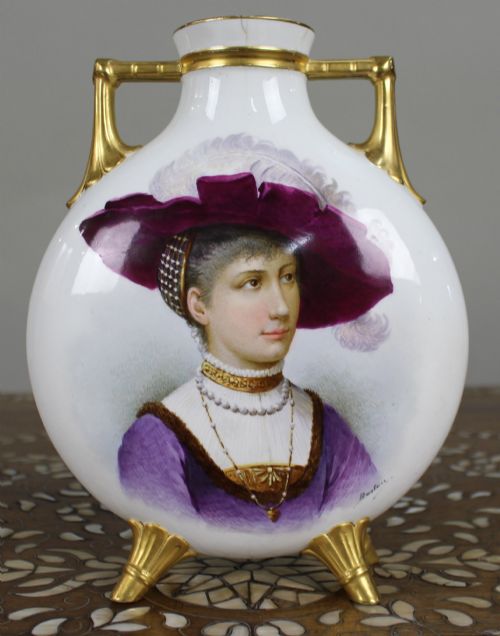
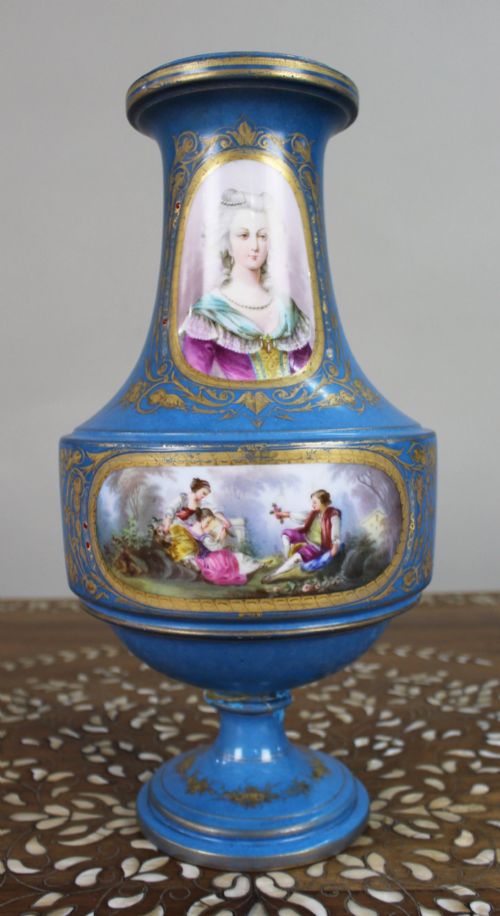
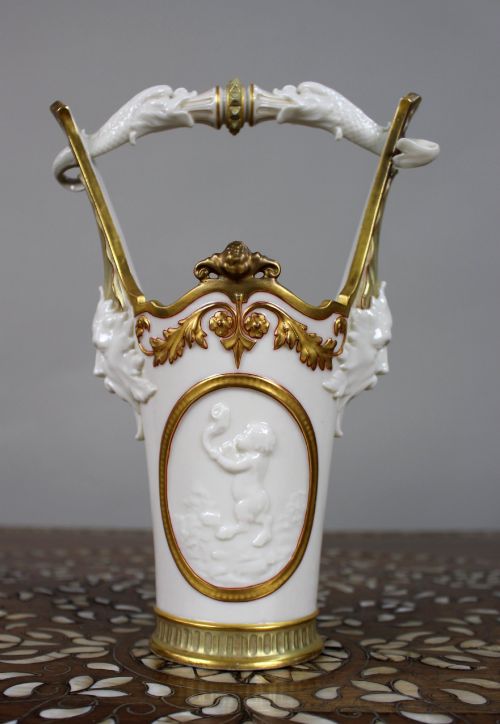
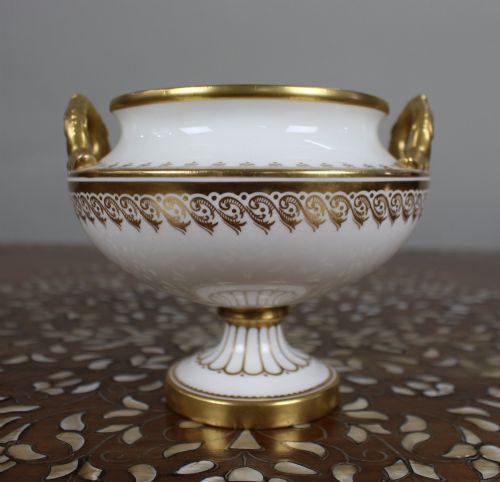
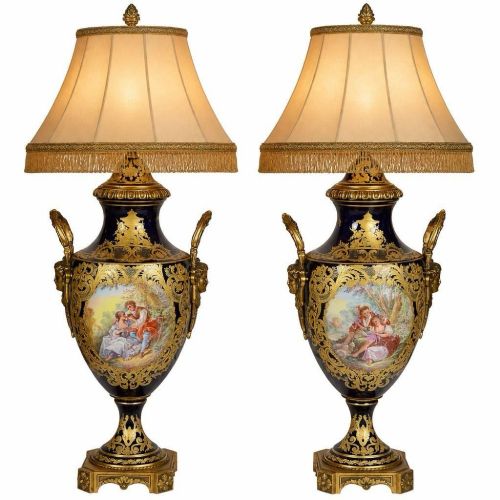
Decoration relied on skilled hand-application of enamel colours and gold leaf, often featuring cobalt blue grounds, armorial motifs, or Imari-inspired patterns. Gilders applied gold leaf by hand to handles, rims, and borders before firing the pieces again to fuse the metal to the glaze.
Retail Price Guide 2026
Typical UK retail prices for 19th century porcelain urn, calculated from the Sellingantiques database of over a million retail prices indexed since 2003. This retail price guide relies exclusively on Sellingantiques data; no external sources or auction records are used, so the figures do not describe the wider market.
Current listings feature porcelain and soft-paste porcelain materials, alongside gold leaf, enamel, and gilt bronze mounts.
What varies in quality
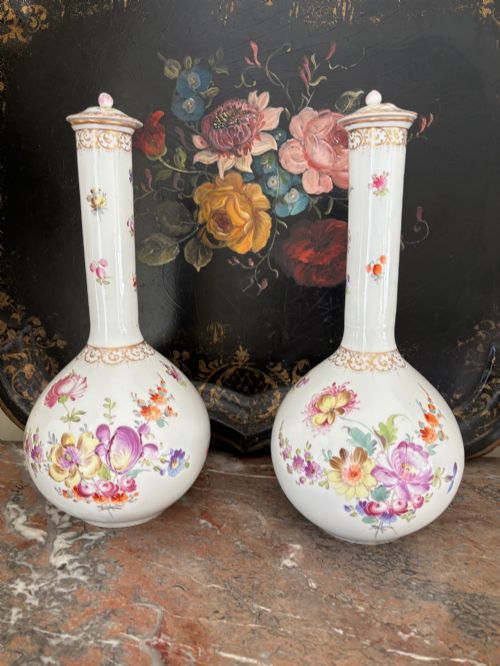
The standard of painting and gilding separates ordinary production from exceptional workshop output, particularly in the precision of hand-painted floral panels or armorial crests. Superior examples display crisp, densely applied gold leaf and finely mixed enamel colours that retain their vibrance across the ceramic body.
Proportion and the integration of secondary materials, such as gilt bronze mounts or sculpted handles, dictate the aesthetic hierarchy of these pieces. Well-balanced forms with cleanly potted bodies and secure fitting covers command greater attention from discerning buyers.
Derby Porcelain·BFB Worcester·Samson·Flight, Barr and Barr·Samuel Alcock
The 19th Century Porcelain Urn Glossary
- Campana
- A bell-shaped vase form with an everted rim and footed base, frequently utilised for classical revival vessels. This shape originates from ancient Roman pottery traditions.
- Imari
- A decorative style featuring underglaze blue combined with iron red, green, and gold, named after the Japanese port of export. European factories widely imitated these distinct colour palettes.
- Gilt bronze
- An alloy of copper and zinc finished with a layer of gold, employed for mounts, handles, and bases on decorative porcelain. This material adds weight and a contrasting metallic texture to the ceramic vessel.
- Pot pourri
- A vessel designed with a pierced or lidded body to hold dried aromatic plant materials for scenting rooms. These decorative pieces often feature elaborate handles and painted panels.
- Soft-paste porcelain
- A ceramic composition containing glass frit and white clay, fired at lower temperatures than hard-paste porcelain. This body type yields a warm glaze appearance common in earlier English factory productions.
Frequently Asked Questions
How were these urns used?
Original owners placed these vessels on mantelpieces, sideboards, and pier tables as focal points for interior decoration. Some variations, such as pot pourri urns, functioned to hold dried scented herbs and release fragrance into a room.
Other forms, including sauce tureens, served practical dining functions while incorporating the same decorative porcelain techniques found on ornamental vases.
How should I live with porcelain urns?
Display these vessels in stable locations away from direct sunlight and heavy foot traffic to protect delicate gilding and painted enamel surfaces. Use soft, dry cloths for dusting and avoid chemical cleaners that might damage the glaze.
Keep lidded pieces secure by handling the base and cover separately when moving them between display surfaces. Position them where their painted panels and gilt mounts receive balanced ambient light.
How do I tell periods apart?
Georgian and Regency examples often display neoclassical shapes like the Warwick vase alongside factory marks associated with early English manufacturers. Victorian pieces frequently embrace revivalism, featuring bolder colours, heavier gilding, and continental stylistic influences.
Examining the paste composition, glaze texture, and painting style helps determine whether a piece belongs to the early nineteenth century or later Victorian decades.