




Antique Worcester Urn
These antique Worcester urn pieces bring classic Regency and Edwardian porcelain forms into a room, offering historic decorative appeal for the discerning collector.
What these pieces are
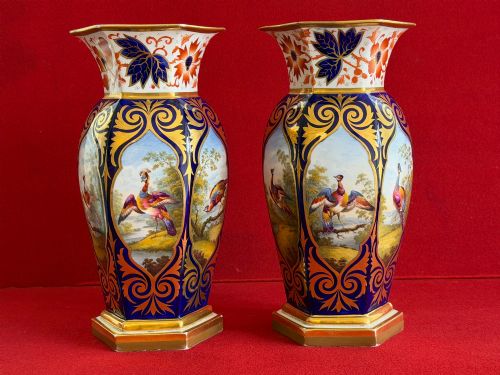
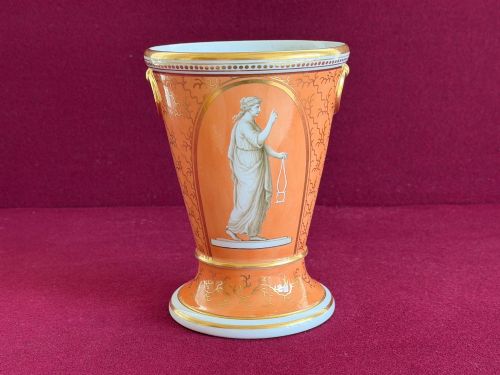
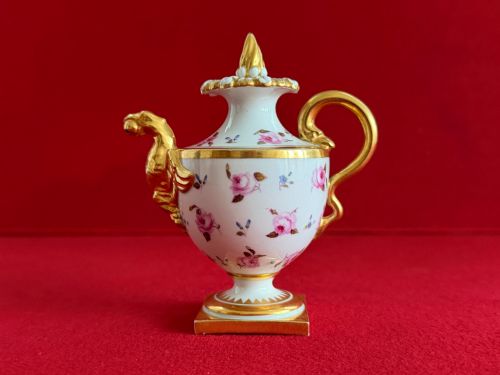
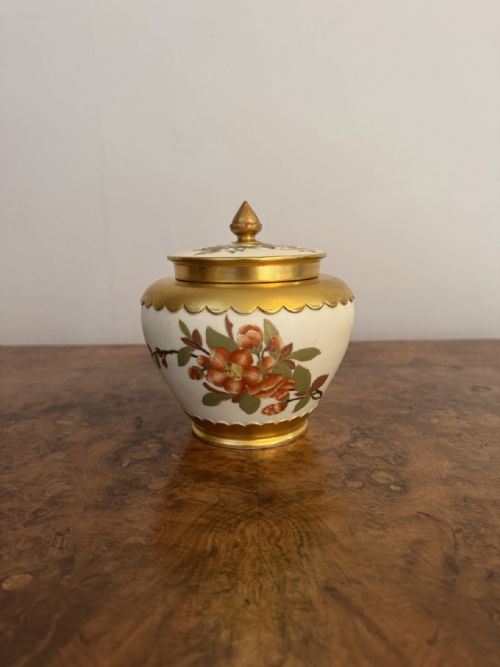
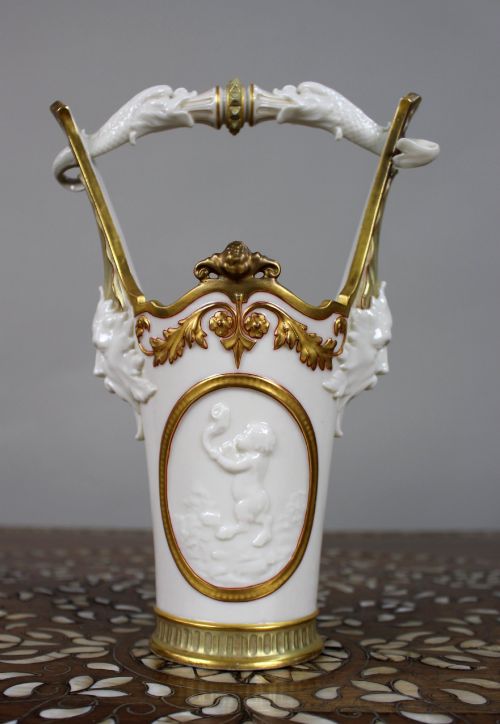
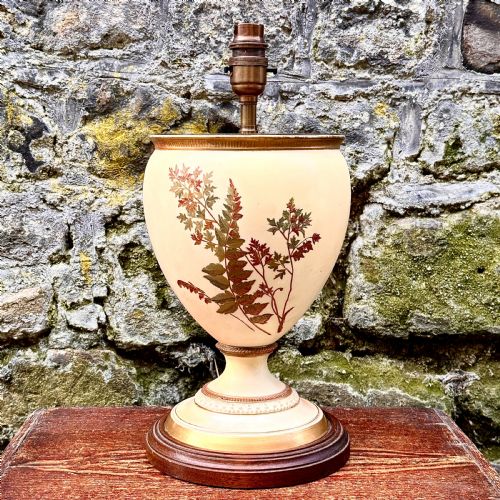
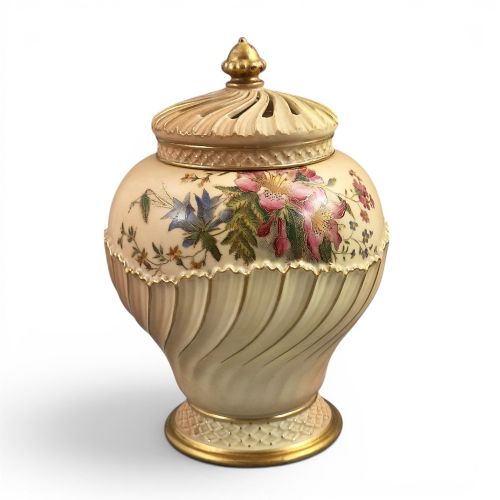
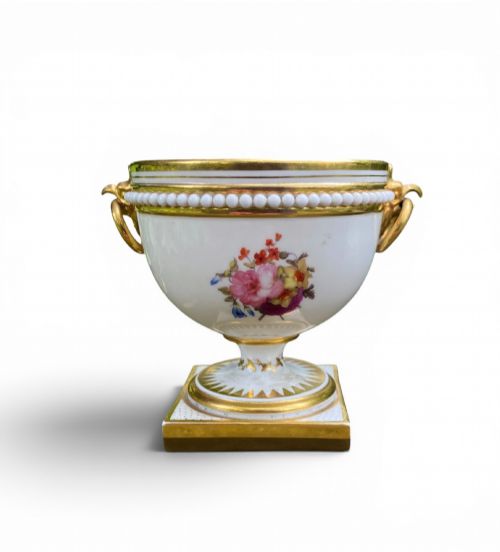
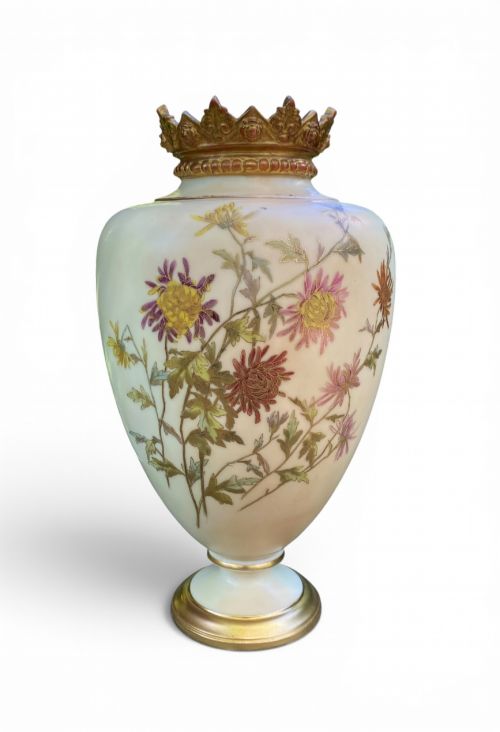
An antique worcester urn brings traditional ceramic craftsmanship into the home through decorative jardinieres, vases, and covered urn forms. These items date primarily from the Georgian era and the year 1920, spanning Regency and Edwardian aesthetic movements.
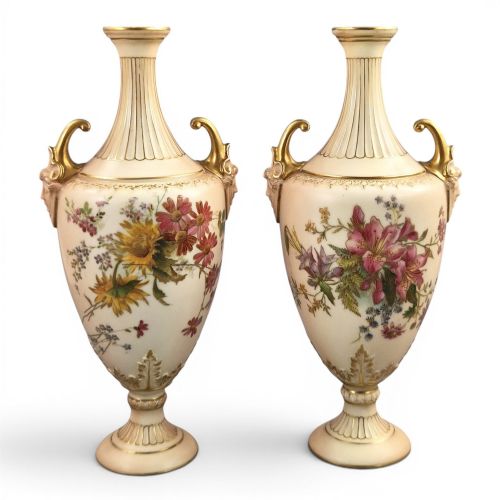
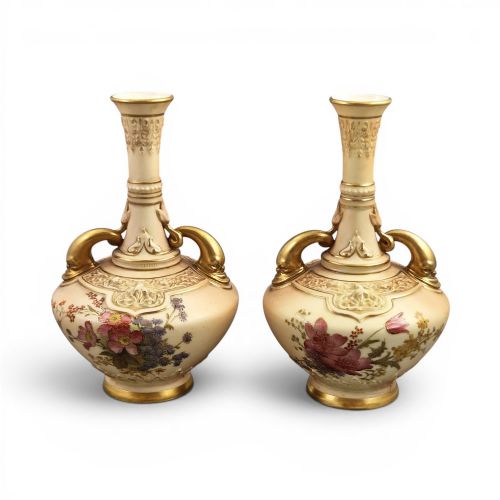
Collectors most frequently encounter blush ivory pieces alongside decorated porcelain bodies finished with hand painted details. Covered urns and jardiniere forms dominate the selection, each demonstrating the enduring output of Worcester kilns across different stylistic periods.
How they were made
Makers shaped these items from fine porcelain, utilising traditional moulding and throwing techniques to achieve balanced vessel forms. Skilled artisans then applied detailed hand painted decoration directly onto the ceramic body.
Workers integrated enamel colours and gold leaf highlights to enrich the surface designs. Many larger vessels required separate covers, formed to match the exact proportions of the main urn body.
The listings on this site feature porcelain items created during the Georgian period and the year 1920.
What varies in quality
The sophistication of the painted decoration separates standard production from exceptional examples. Works bearing named artist signatures display superior brushwork and compositional control across the porcelain surface.
The inclusion of original matching covers preserves the intended silhouette and completeness of the piece. Rich application of gold leaf and detailed enamel work also elevate the visual presence of the vessel.
Barr Flight And Barr·Royal Worcester·Edward Raby·Sedgley
The Antique Worcester Urn Glossary
- Jardiniere
- A decorative ceramic pot or urn designed to hold plants or flowers. These vessels often feature robust proportions and stable bases.
- Blush Ivory
- A specialised porcelain finish developed by Worcester, presenting a soft, matte cream appearance reminiscent of ivory. It served as a pale canvas for floral and avian hand painted scenes.
- Enamel
- A glass based pigment applied to the porcelain surface and fired to achieve permanent colour. It provides vibrant tones that contrast with the white or blush ivory background.
- Gold Leaf
- Beaten gold applied to ceramic details to highlight handles, rims, and borders. This metal accent reflects light and underscores the formality of the object.
Frequently Asked Questions
What is an antique worcester urn?
An antique worcester urn is a porcelain vessel produced by Worcester factories, taking forms such as covered vases and jardinieres. These decorative objects date from the Georgian period through to the twentieth century.
They reflect shifting design trends from Regency elegance to Edwardian elaboration, utilising porcelain, enamel, and gold leaf in their construction.
How were these urns used?
These vessels served primarily as decorative ornaments within domestic interiors, displayed upon mantelpieces, sideboards, or console tables. Their presence signalled taste and refinement in period homes.
Some larger forms, specifically jardinieres, were intended to house potted plants, while covered urns functioned purely as ornamental focal points for a room.
How do I care for antique porcelain?
Display porcelain urns away from direct sunlight to protect enamel colours and gold leaf details from fading. Dust the surfaces gently with a dry, soft cloth.
Avoid using water or chemical cleaners on decorated areas, particularly on blush ivory finishes, to preserve the integrity of the historic paint layers.
How are different periods identified?
Georgian pieces often exhibit Regency styling through classical forms and controlled gilding, while later works from the twentieth century utilise blush ivory grounds and naturalistic hand painted scenes. Factory marks on the underside help establish the production era.
Examining the style of decoration alongside the ceramic body provides clear indicators of whether an item originates from the early nineteenth century or the Edwardian era.