

Gold Porcelain Urn
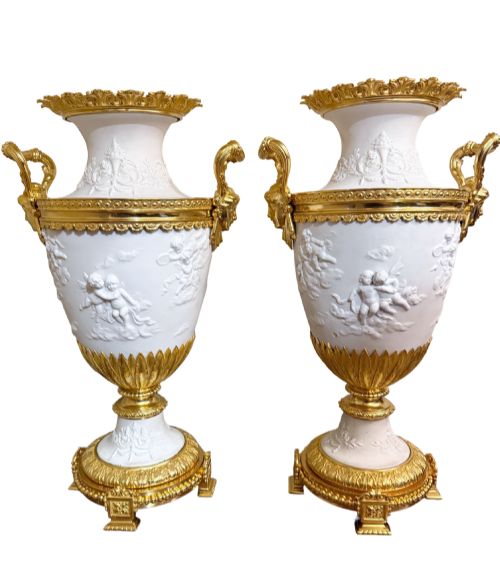
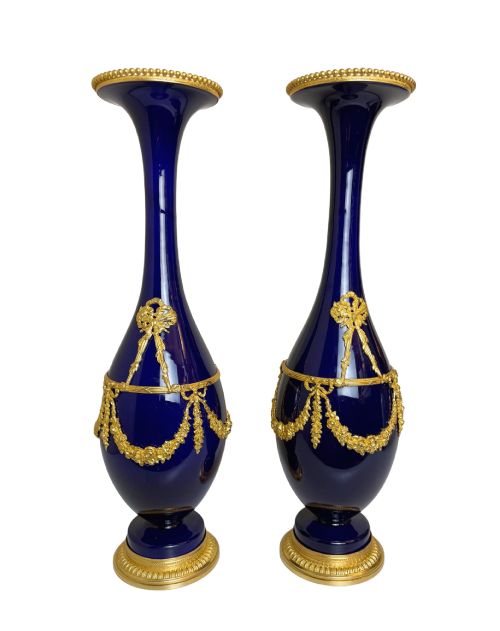
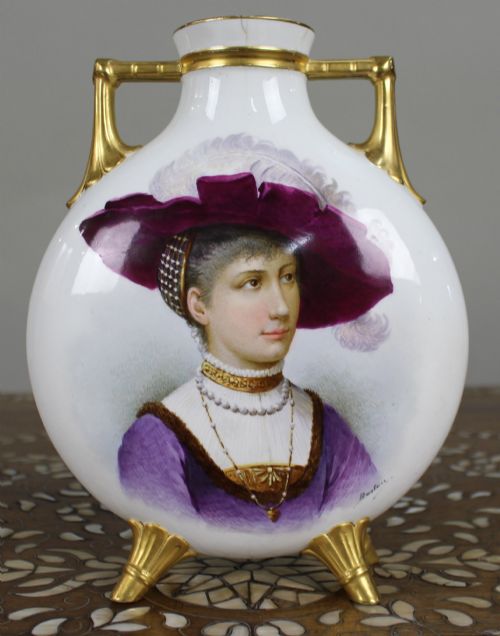
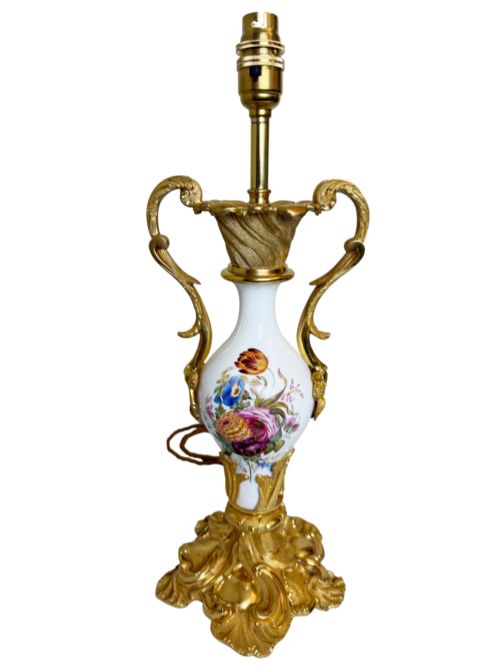
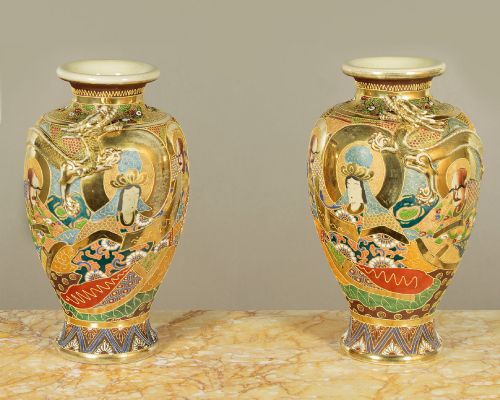
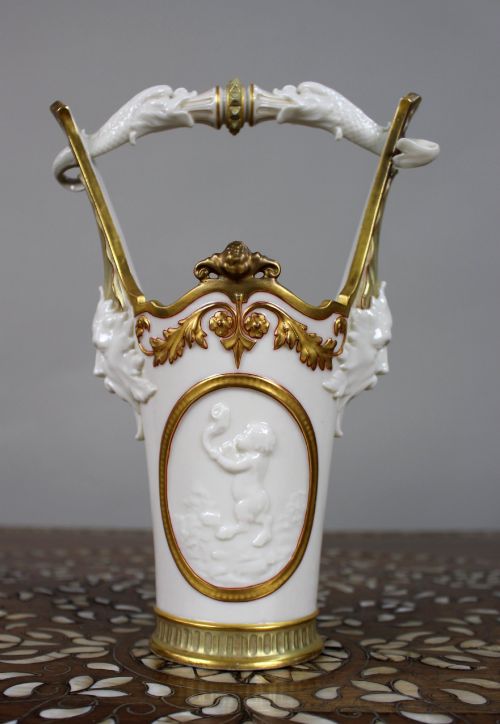
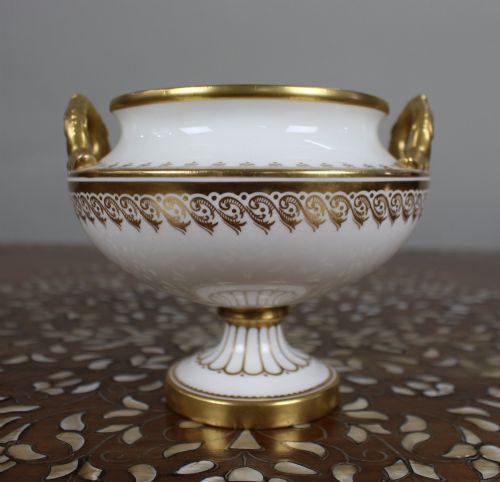
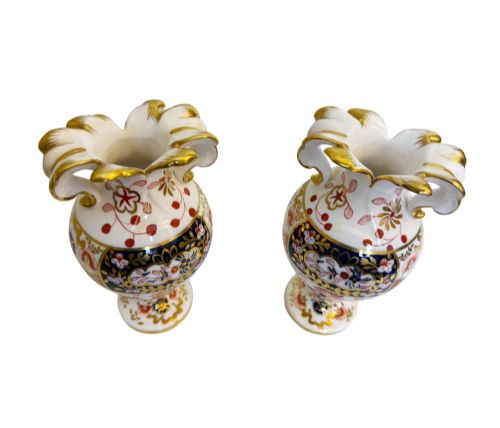
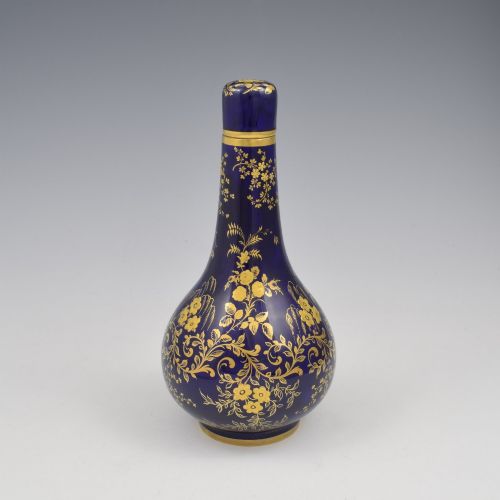
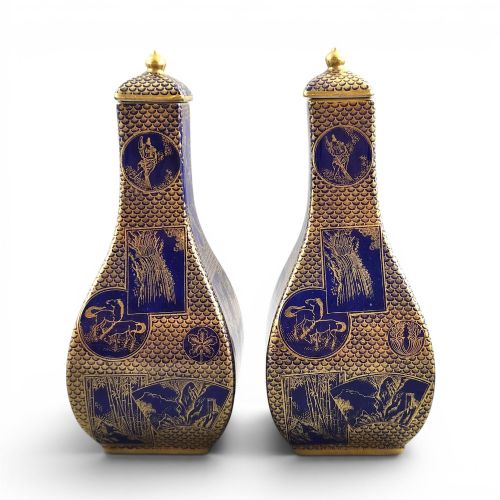
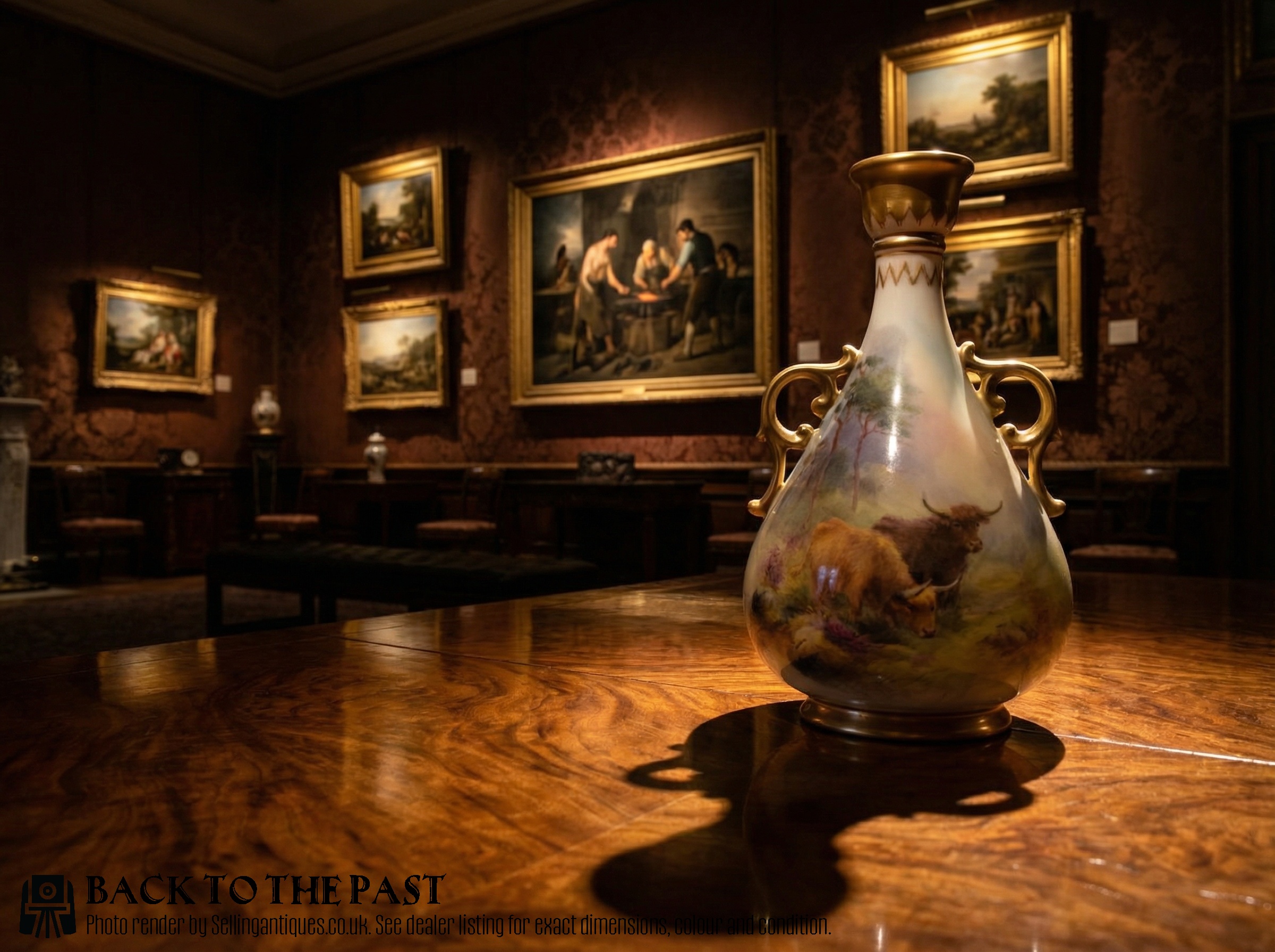
A gold porcelain urn brings unmistakable nineteenth and early twentieth century presence to a room, offering both sculptural form and rich metallic decoration.
Identifying gold porcelain urn pieces
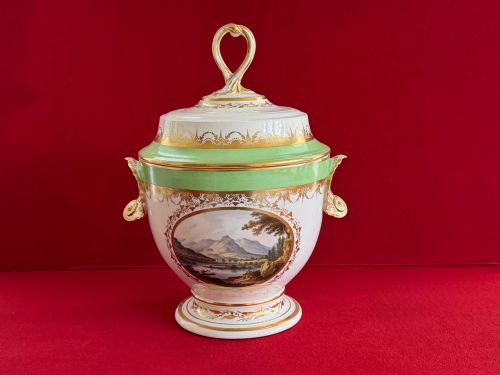
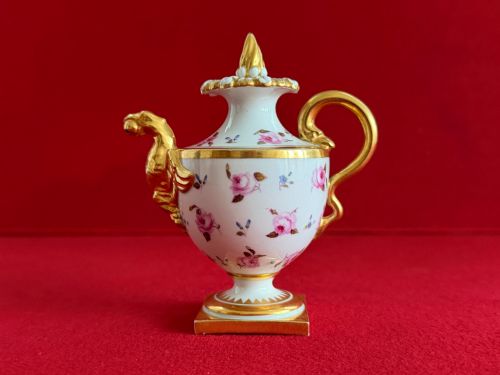
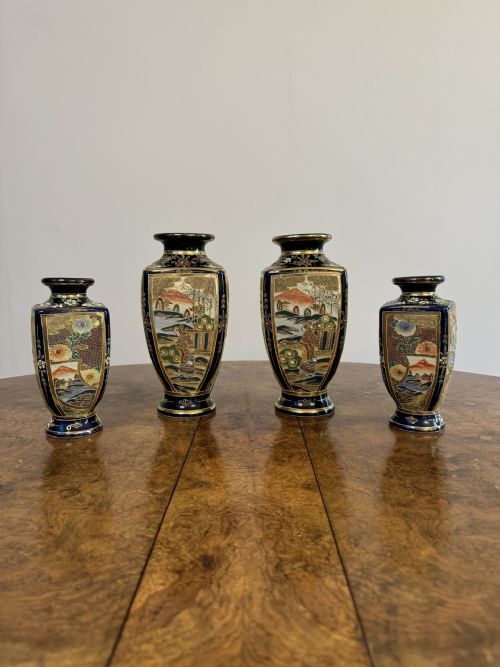
When you search for a gold porcelain urn, you encounter nineteenth and early twentieth century decorative vessels created by prominent English potteries. These pieces take the form of handled vases and decorative vessels intended for display rather than utility.
The selections available span the Victorian and Edwardian eras, encompassing late nineteenth century pieces alongside items dated to 1920. Aesthetic Movement influences and traditional floral or avian subjects frequently define the visual character of these objects.
Materials and construction
These items combine hard-paste or soft-paste porcelain bodies with meticulous hand-applied surface decoration. Artisans utilised enamel pigments and intricate gilding techniques, employing gold leaf and heavy gilt to accentuate the ceramic forms.
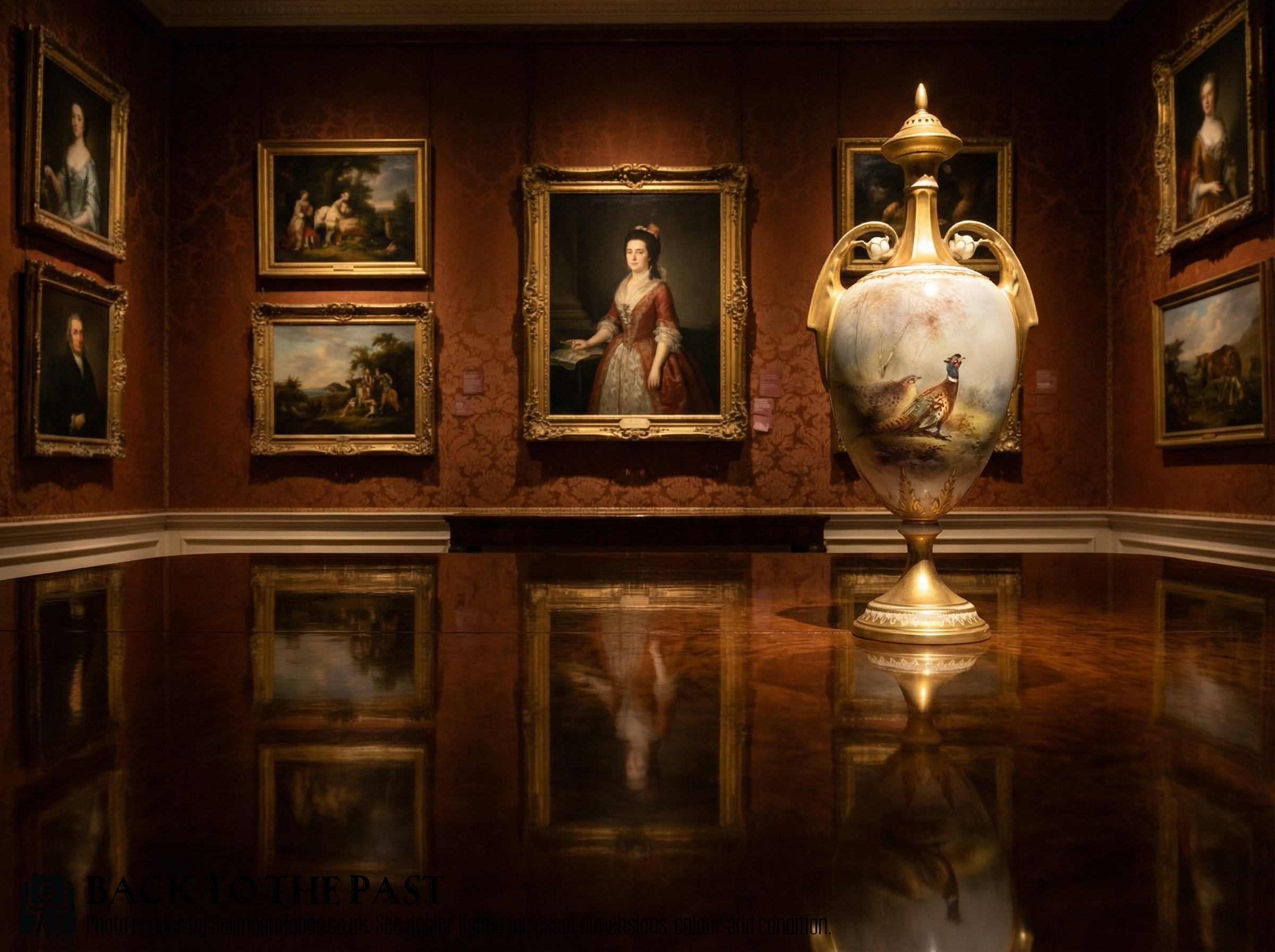
Makers integrated painted details directly onto the glazed ceramic body, often featuring naturalistic wildlife subjects like game birds executed by specialist artists. The application of metallic gold requires firing stages that bond the precious metal permanently to the porcelain glaze.
Retail Price Guide 2026
Typical UK retail prices for gold porcelain urn, calculated from the Sellingantiques database of over a million retail prices indexed since 2003. This retail price guide relies exclusively on Sellingantiques data; no external sources or auction records are used, so the figures do not describe the wider market.
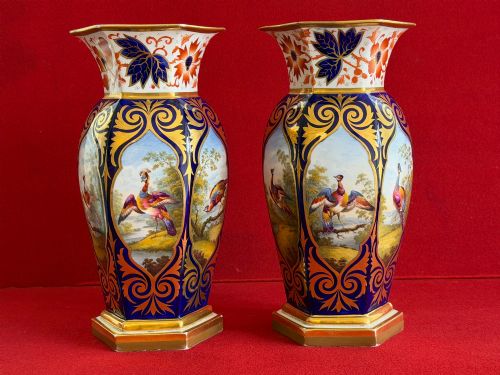
Several pieces feature hand-painted cock pheasants strutting permanently across ceramic surfaces, immortalising aristocratic game birds in gleaming gold frames.
Assessing quality and craftsmanship
Quality in these vessels rests on the precision of the hand-painted artistry and the richness of the gilding. Signed works by documented artists command greater attention due to the individual brushwork and compositional skill evident on the porcelain surface.
The integration of design by notable theorists also elevates a piece, distinguishing standard production items from avant-garde or specially commissioned works. The crispness of the moulded ceramic form and the depth of the enamel work further separate ordinary examples from exceptional ones.
Minton·Royal Worcester·Christopher Dresser·H Stinton·James Stinton
The Gold Porcelain Urn Glossary
- Gilt
- A thin layer of gold applied to the surface of porcelain for decorative effect. This finish catches the light and adds a warm metallic sheen to the ceramic body.
- Enamel
- Opaque vitreous composition fused to the porcelain surface through firing to create colourful painted designs. It provides vibrant hues that resist fading over time.
- Aesthetic Movement
- A late nineteenth century design philosophy emphasising art for art's sake and drawing inspiration from Japanese motifs. This style broke away from heavy Victorian historicism in favour of simpler, refined lines.
- Vase
- An open-topped ceramic vessel created primarily for display or holding botanical arrangements. In this category, the form serves as a canvas for elaborate painting and gilding.
Frequently Asked Questions
How should I clean a gilt porcelain vase?
Dust the surface gently with a soft, dry brush to remove particles without disturbing the fragile metallic leaf. Avoid liquid cleaners or abrasive cloths, which can wear away delicate gilding and hand-painted enamel details.
Keep the piece away from direct sunlight and areas with high humidity to protect both the ceramic glaze and the gold decoration from long-term deterioration.
Were these urns used for flowers?
Most of these decorative vessels were designed purely as ornamental objects for mantelpieces, sideboards, or display cabinets. Their intricate gilding and detailed hand-painted wildlife scenes indicate they were meant to be admired as standalone works of art.
Using them to hold water and fresh stems risks damaging the interior glaze and the valuable exterior enamel work over time.
What subjects appear on these vases?
Natural history themes, particularly game birds such as cock pheasants, frequently adorn the painted panels of these ceramic works. Skilled factory artists rendered these subjects with fine anatomical detail against soft, atmospheric backgrounds.
Abstract and geometric motifs also appear, reflecting the progressive design sensibilities of the late nineteenth century decorative arts movement.