


Aesthetic Movement Vase
An aesthetic movement vase brings eclectic nineteenth-century design to a room, combining Japanese and Middle Eastern motifs on ceramic and glass.
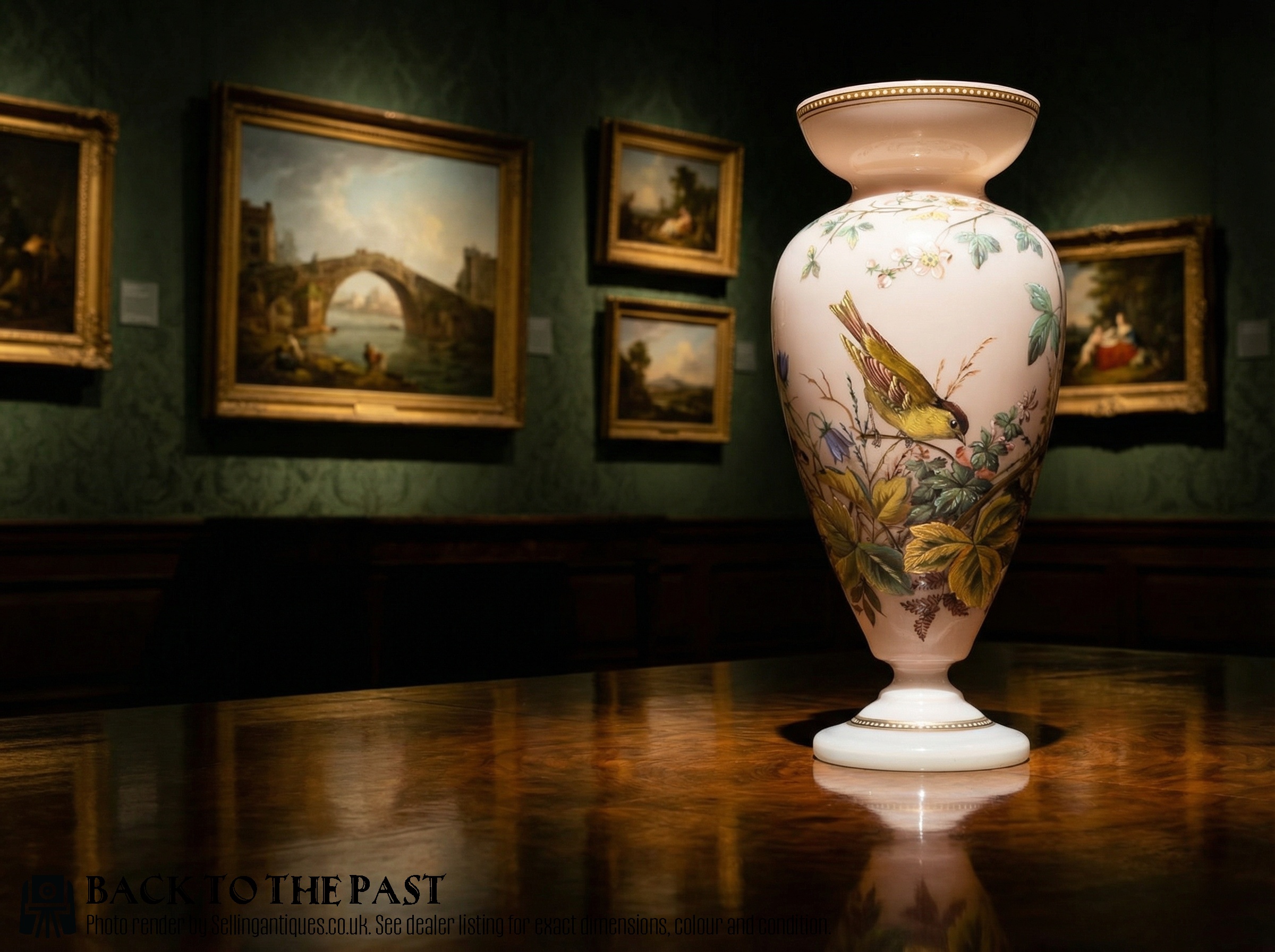
Aesthetic Movement Vase
When you search for an aesthetic movement vase, you encounter diverse nineteenth-century vessels spanning the Victorian era, the eighteen-eighties, and the eighteen-nineties. The selection includes porcelain, earthenware, and glass pieces created by prominent English potteries and continental makers.
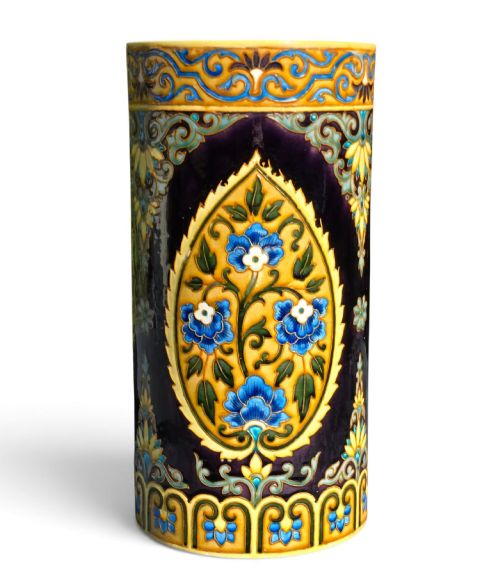
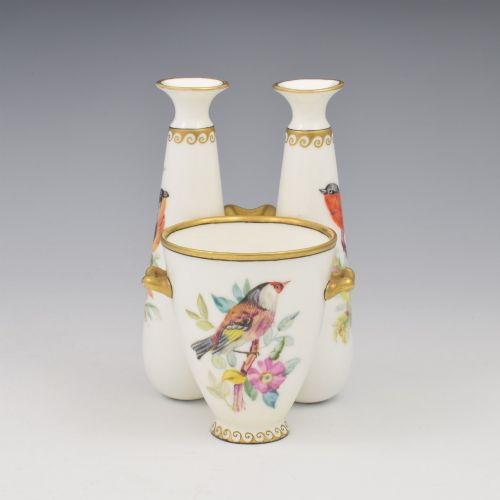
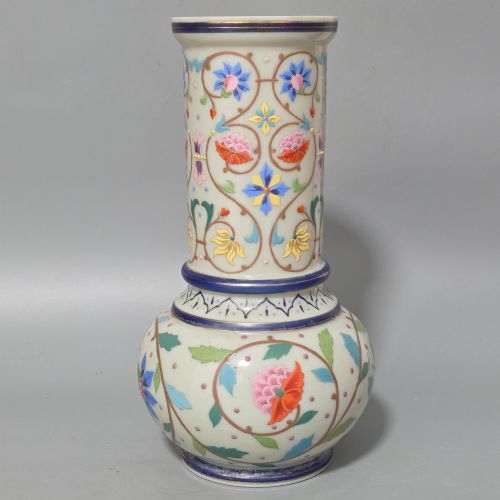
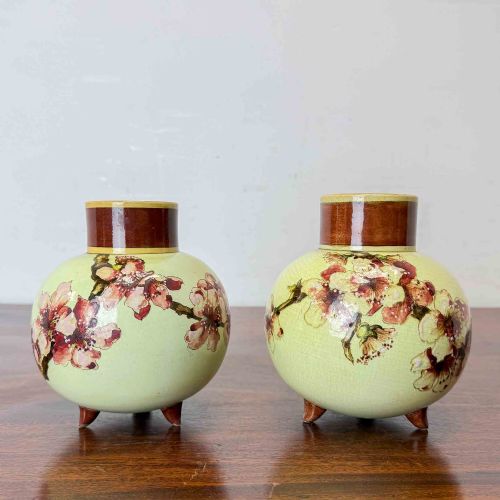
You are most likely to meet ceramic vases, ewers, and jugs displaying Persian, Japanese, and Iznik influences. These forms range from cabinet specimens to large umbrella stands and decorative pitchers originating from workshops such as Royal Worcester, Doulton, and Minton.
How they were made
Potteries utilised porcelain, earthenware, and opaque glass as foundational bodies, frequently enhanced with raised gold decor, enamel, and gilding. Techniques such as pate-sur-pate and reticulation added intricate surface texture and layered relief to the ceramic forms.
Glassmakers applied hand-painted enamels to create detailed motifs of fish, water plants, and tapestries. Specialised glazes and gold leaf completed the decorative schemes across both English and continental works.
Aesthetic Movement Vase Retail Price Guide 2026
Typical asking prices for aesthetic movement vase among the pieces listed under this phrase on Sellingantiques today, from the lower quarter to the upper quarter. They describe what is for sale here now, not the wider market.
Listings feature ceramics and glass from the eighteen-sixties to the nineteen-twenties, incorporating porcelain, earthenware, and gold leaf.
What varies in quality
The standard of an aesthetic movement vase depends on the complexity of its design and the renown of its maker or designer. Pieces bearing attributed work by known artists or specific factory ciphers demonstrate higher artistic ambition.
Execution of technique dictates the upper tier of the range, particularly in delicate pate-sur-pate layering, hand-painted enamelling, and the application of gold leaf. Greater refinement in these decorative processes distinguishes exceptional examples from standard production.
Théodore Deck·Royal Worcester·Thomas Webb·Doulton Lambeth·Minton·Bretby·Doulton Burslem·Stuart for Liberty·Royal Crown Derby·Hadley's Worchester·Wedgwood·Thos. Webb & Sons·Grainger's Worcester·Harrach·Mettlach
The Aesthetic Movement Vase Glossary
- Pate-sur-pate
- A ceramic decoration technique where liquid clay is applied layer by layer in low relief to a contrasting body. This process creates a cameo-like effect that allows light to pass through the translucent design.
- Ewer
- A large jug or pitcher with a wide spout and handle, historically used for water but collected as a decorative display piece during the Victorian period.
- Reticulated
- Describes ceramic or porcelain work featuring an openwork or pierced lattice pattern created before firing. This technique requires exceptional skill to prevent warping in the kiln.
- Faience
- Earthenware decorated with opaque coloured glazes, often associated with Victorian studio pottery and large architectural or decorative vessels.
Aesthetic Movement Vase: Frequently Asked Questions
What is an aesthetic movement vase?
An aesthetic movement vase is a nineteenth-century decorative vessel influenced by the philosophy of art for art's sake. These pieces draw heavily on Japanese, Chinese, and Middle Eastern design motifs rather than traditional Western classical forms.
They serve as decorative objects that prioritize visual beauty and artistic expression, frequently utilising asymmetrical compositions and stylized natural elements such as flowers and birds.
How were these vases used?
During the Victorian period, these vessels were primarily displayed on mantelpieces, pedestals, and side tables as ornaments to signal cultural refinement and artistic taste. Ewers and pitchers often functioned as decorative centrepieces rather than utilitarian items.
Some larger forms, such as umbrella stands and stick stands, combined practical household utility with the distinctive decorative styles of the era.
How do I style one in a modern home?
These pieces integrate well into contemporary interiors as statement objects on sideboards, open shelving, or dedicated display tables. Their rich colours, metallic gilding, and intricate patterns provide a striking contrast against neutral modern backdrops.
Pairing a ceramic ewer with minimalist surroundings allows the detailed craftsmanship and historical form to stand out without visual clutter.
How can I tell periods apart?
Distinguishing periods involves examining factory marks, registration numbers, and stylistic shifts from the mid-nineteenth century through the nineteen-twenties. Pieces from the eighteen-eighties and eighteen-nineties often reflect specific revivals, such as the Iznik influence or Japanese-inspired flora and fauna.
Consulting maker ciphers and patent numbers stamped on the base helps narrow down the exact decade of production.