
Antique Glazed Pottery
These pieces of antique glazed pottery bridge domestic utility and decorative ambition across centuries of ceramic skill.
Antique Glazed Pottery
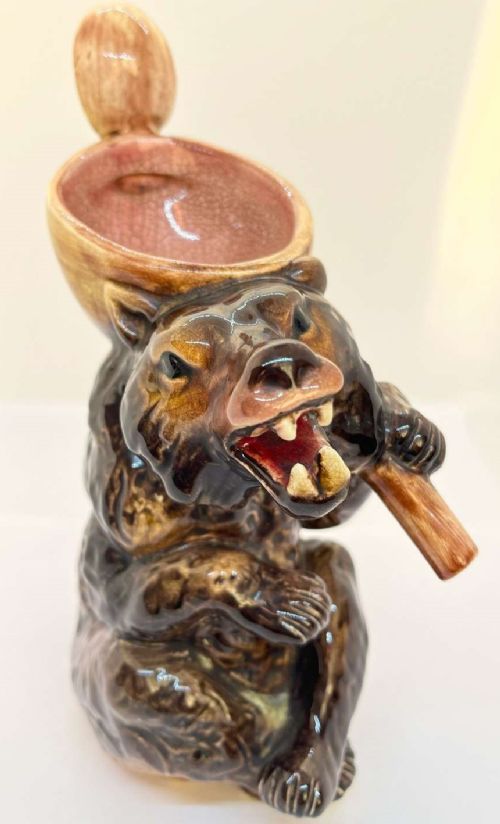
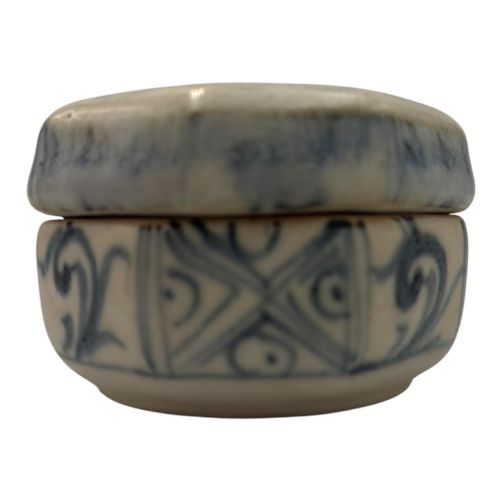
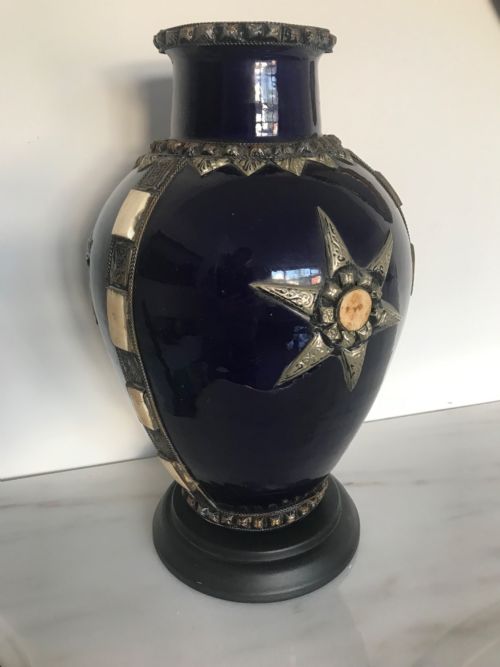
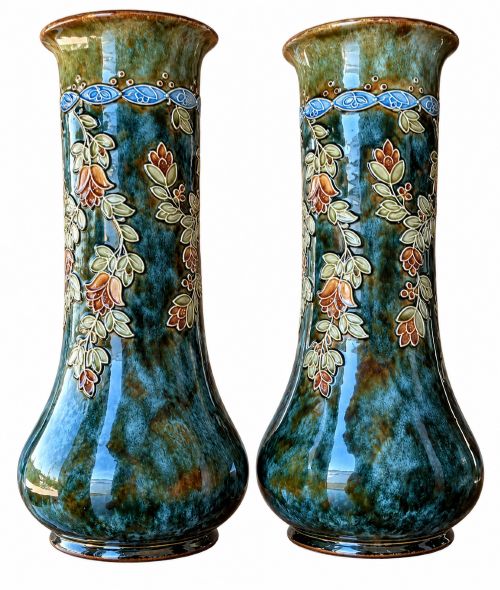
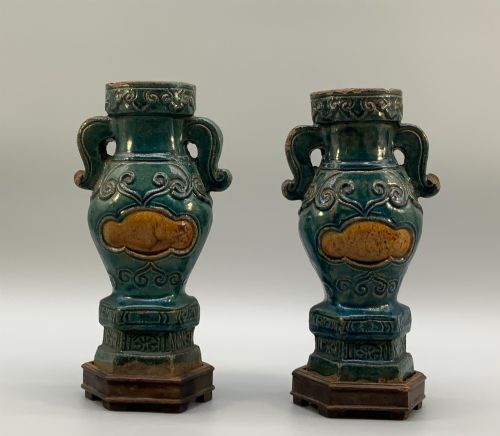
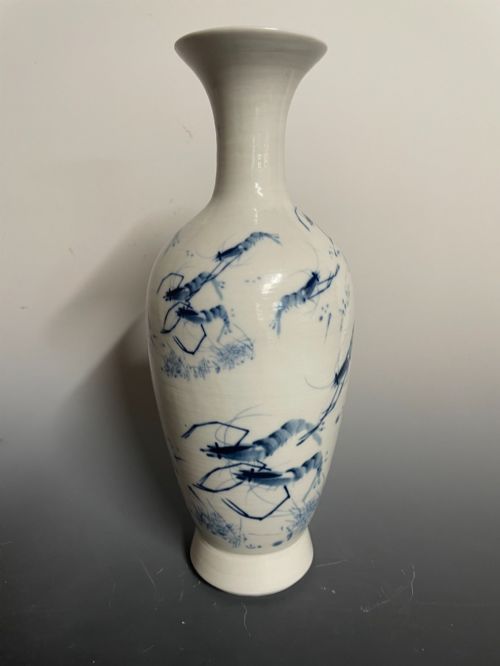
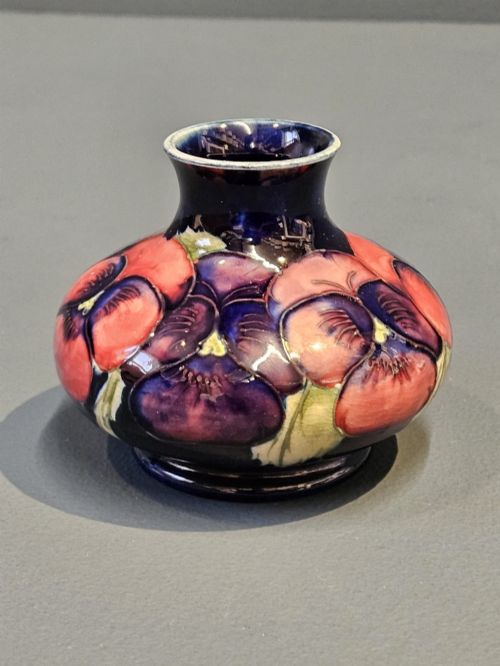
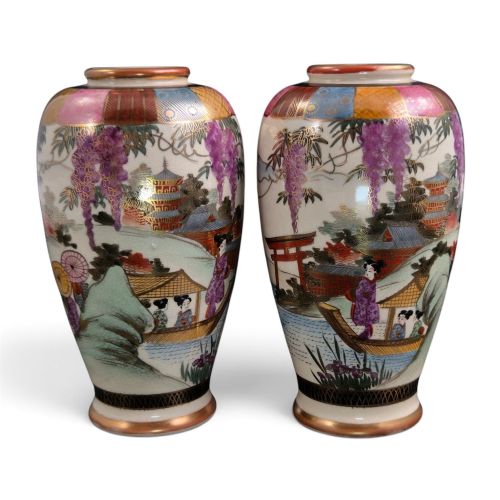
When you search for antique glazed pottery, you encounter a remarkably diverse array of functional vessels and decorative forms spanning the seventeenth through to the early twentieth century. The selections available encompass everything from robust utilitarian dairy bowls and salt-glazed water filtration fountains to delicate Majolica jardinières, vibrant Delft chargers, and intricate Arts and Crafts vases.
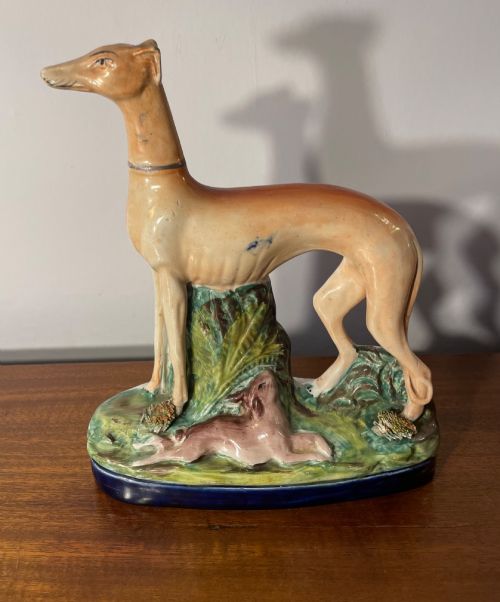
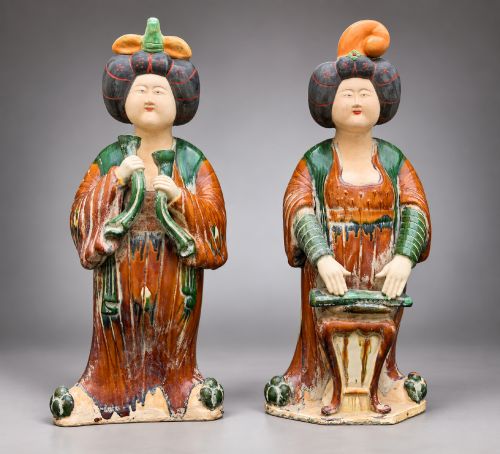
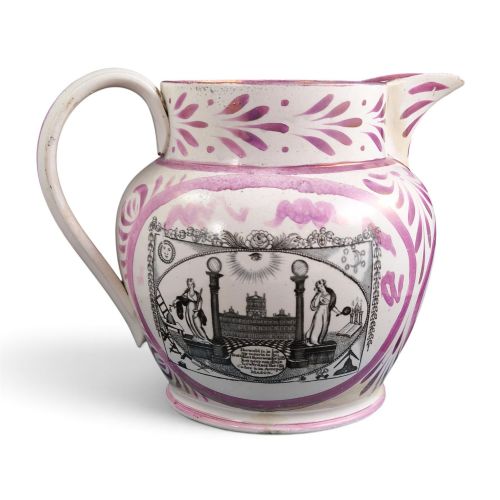
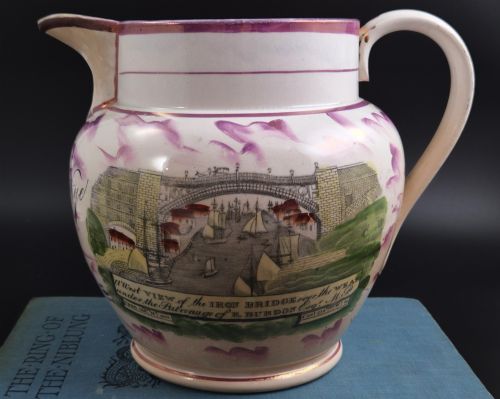
Vessels and figures originate from across Europe, Asia, and the Middle East, reflecting regional traditions in earthenware, stoneware, and ceramic production. You are particularly likely to encounter nineteenth-century British Staffordshire figures, Sunderland lustre jugs, and early twentieth-century Royal Doulton Lambeth stonewares.
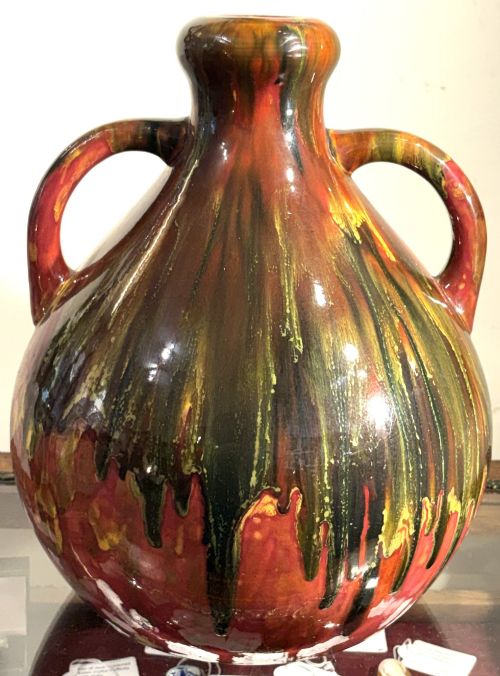
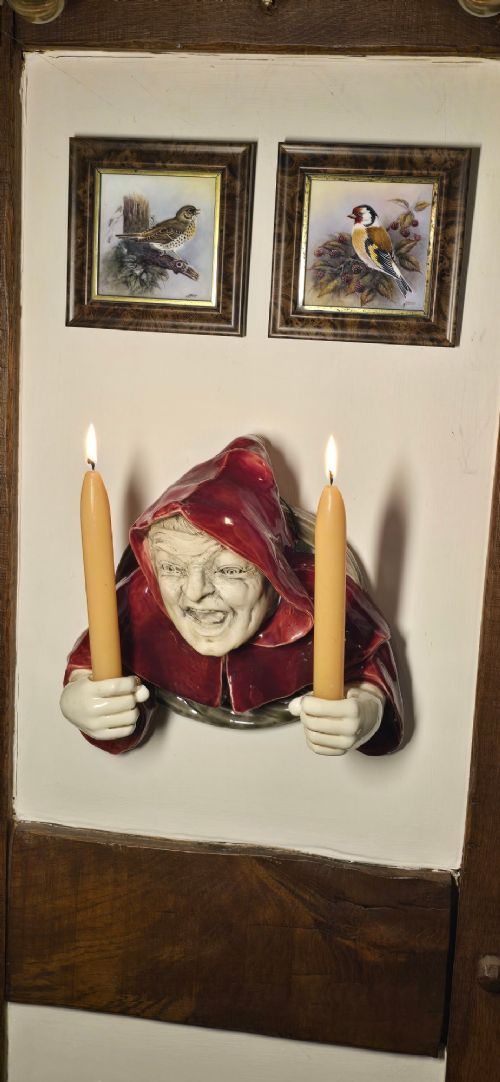
Objects range from modest apothecary jars and salt-glazed preserve containers to monumental palace vases and wall sconces. Each piece demonstrates how makers utilised liquid silica mixtures to waterproof clay bodies while introducing colour, sheen, and narrative depth.
Materials and methods of construction
Makers shaped local or imported clays - ranging from coarse terracotta and earthenware to dense stoneware - on the potter's wheel or within intricate press-moulds. Once formed and dried, pieces received a liquid mineral slip or metallic glaze designed to fuse with the ceramic body during firing.
Firing techniques varied from traditional wood-fuelled kilns imparting uneven heat to controlled industrial ovens, producing everything from salt-glazes with distinct orange-peel textures to glossy tin-enamels and rich copper or cobalt oxide washes.
Listings feature salt-glazed stonewares, tin-glazed Delftwares, and lustred earthenwares spanning the seventeenth to the twentieth century.
Distinctions in craftsmanship and execution
Quality rests heavily on the precision of the throwing or moulding and the intentionality of the glaze application. Superior examples demonstrate controlled brushwork, even vitrification, and crisp relief modelling rather than muddy pooling or accidental firing blisters.
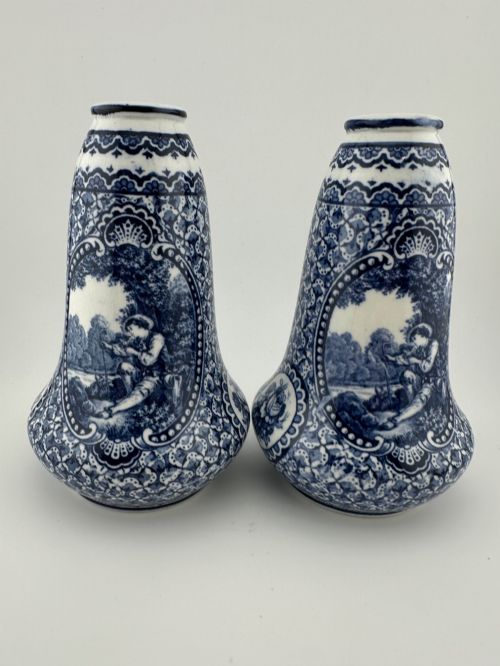
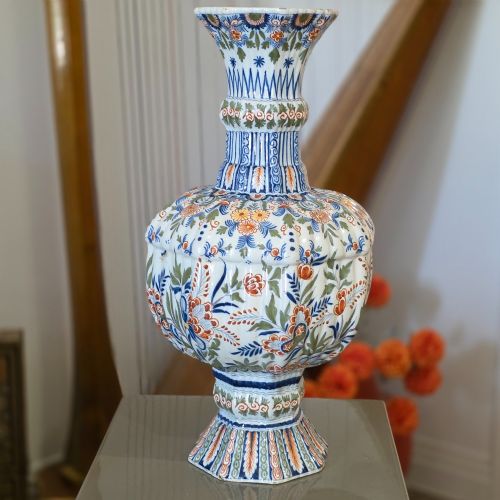
The sophistication of the design, whether tube-lined Art Nouveau flora or hand-painted Delft landscapes, dictates the hierarchy of these objects. Pieces bearing recognised factory marks or documented artisan hands naturally command greater appreciation among collectors.
Royal Doulton Lambeth·Moorcroft·Minton·Wedgwood·Cantagalli
The Antique Glazed Pottery Glossary
- Earthenware
- Porous pottery fired at relatively low temperatures, requiring a glaze to hold liquids. It forms the foundation of much historic domestic ware.
- Stoneware
- Dense, impermeable pottery fired at high temperatures until the clay body vitrifies. It resists acids and hard use.
- Lustreware
- Pottery finished with a metallic film that creates an iridescent sheen when fired in a reducing atmosphere. Sunderland pinksplash is a well-known British iteration.
- Majolica
- Earthenware coated with an opaque tin-lead glaze and painted with metallic oxides. Victorian makers refined this technique into vivid botanical forms.
- Delftware
- Tin-glazed earthenware originating in the Netherlands, typically decorated in blue and white pigments imitating Chinese porcelain.
- Salt-glaze
- Stoneware finished by throwing common salt into the kiln during high-temperature firing, creating a textured surface resembling orange peel.
Antique Glazed Pottery: Frequently Asked Questions
Can I use these old vessels for fresh flowers?
Many historical jugs, vases, and pitchers were made precisely to hold water and botanicals during daily domestic life. However, hairline fissures or porous unglazed interiors in older earthenware require caution before filling.
Consider placing a small, modern glass or plastic vessel inside antique pitchers to protect the historical ceramic body from moisture damage and mineral deposits.
How can I tell earthenware from stoneware?
Earthenware remains somewhat porous and opaque even when glazed, often chipping to reveal a reddish or buff-coloured clay beneath. Stoneware is fired much hotter until the body vitrifies, rendering it heavy, resonant, and completely waterproof.
Stoneware resists scratching with a steel blade, whereas softer historical earthenwares demand much gentler handling to prevent surface abrasions.
What does tin-glazed mean?
Tin-glazing involves adding tin oxide to a liquid glaze mixture, turning it opaque white during the kiln firing. This creates a smooth canvas for hand-painted cobalt blue designs, as seen on traditional Dutch Delftware.
The resulting surface mimics the appearance of imported Chinese porcelain at a fraction of the cost, defining centuries of European ceramic decoration.