


Cobalt Blue Figurine
A cobalt blue figurine brings rich colour and nineteenth-century character to a mantelpiece, blending moulded earthenware with hand-painted detail.
Cobalt Blue Figurine
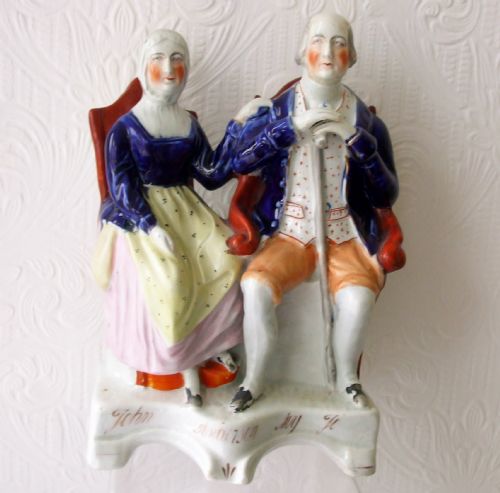
A cobalt blue figurine typically takes the form of nineteenth-century earthenware and porcelain works, capturing everything from literary subjects and theatrical duos to royal portraits.
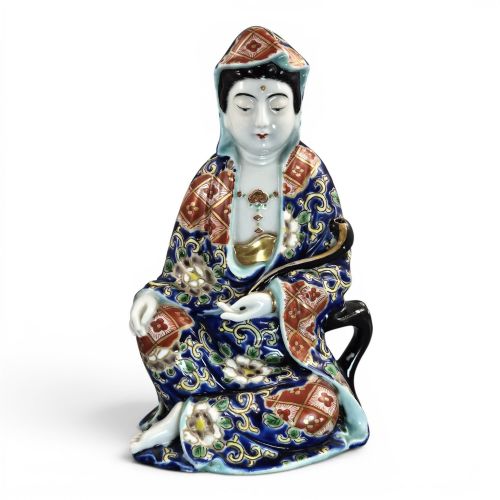
Buyers most frequently encounter Victorian Staffordshire pottery pieces alongside Japanese and continental porcelain examples on this page.
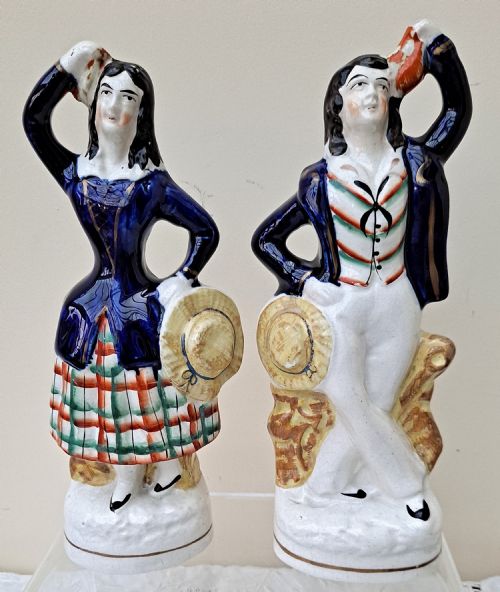
The selections range from utilitarian inkwells and spill vases to purely decorative figures, often modelled in pairs.
How they were made
Potters shaped these earthenware and porcelain figures using moulds before applying lead glazes and vibrant enamel paint.
Makers integrated rich cobalt blue into the glazes, clothing, and bases, occasionally adding gold leaf and gilt highlights to enrich the ceramic surface.
Cobalt Blue Figurine Retail Price Guide 2026
Typical asking prices for cobalt blue figurine among the pieces listed under this phrase on Sellingantiques today, from the lower quarter to the upper quarter. They describe what is for sale here now, not the wider market.
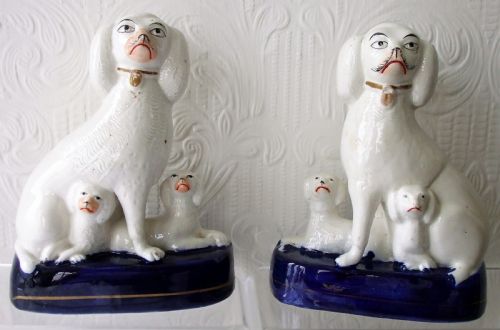
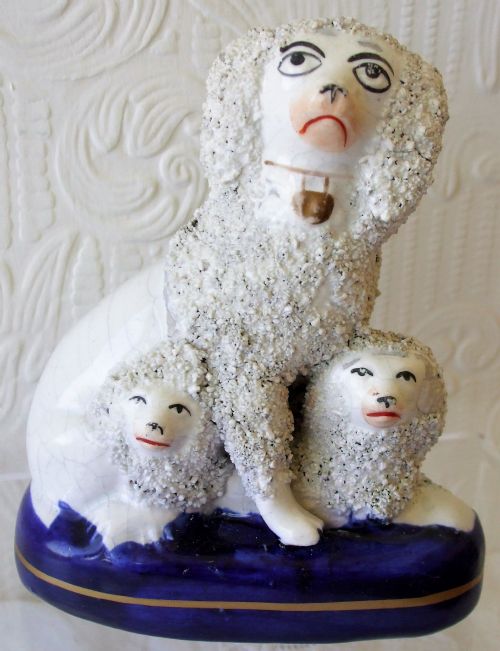
Several Staffordshire poodles arrive accompanied by tiny moulded pups clinging faithfully to their sides.
What varies in quality
The standard of modelling and the crispness of the painted enamel separate ordinary ornaments from superior sculptural works.
Finer examples retain clean colour separation in the cobalt blue areas and carefully applied gilt or gold leaf details.
The Cobalt Blue Figurine Glossary
- Staffordshire pottery
- Earthenware ceramics produced in the English Potteries, renowned for popular portrait figures and animal groups.
- Spill vase
- A hollow ceramic holder designed to store wooden tapers used for lighting candles or pipes.
- Flatback
- A figure moulded with a finished front and a flat, unglazed or minimally decorated rear intended to stand against a wall.
- Enamel paint
- Vitreous pigments fused to the ceramic body during a secondary firing to add bright surface colour.
- Bisque
- Unglazed porcelain fired once to create a matte, marble-like surface texture.
Cobalt Blue Figurine: Frequently Asked Questions
Where were Staffordshire figurines displayed?
These ceramic figures sat predominantly on cottage mantelpieces and parlor shelves during the nineteenth century. They provided affordable domestic decoration for middle-class homes.
Larger portrait subjects and pairs often occupied central positions, while functional pieces like inkwells served practical desk duties.
What are quill holders and spill vases?
Quill holders and spill vases combined decorative sculpture with practical household utility. The hollow additions held writing feathers or wooden fire lighting spills.
Such dual-purpose items were common additions to nineteenth-century domestic interiors.
How do Japanese and European figures differ?
Japanese examples utilise fine porcelain and distinct regional styles like Arita and Kutani traditions. They depict cultural figures such as courtesans and historical subjects.
European counterparts lean towards earthenware Staffordshire portrait groups, royalty, and theatrical characters with robust lead glazes.