




Georgian Porcelain Figure
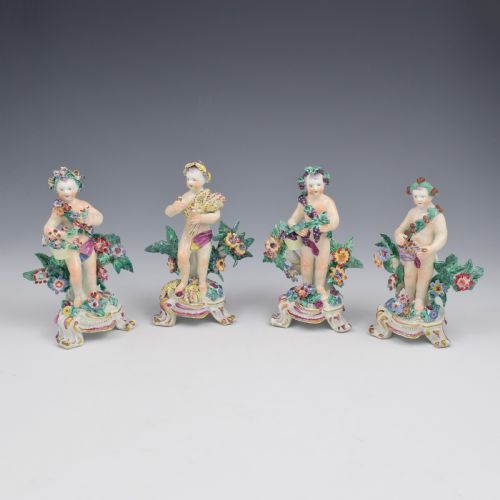
These georgian porcelain figure examples capture 18th-century life and mythology through delicate modelling, making them prized cabinet pieces.
What georgian porcelain figure pieces are
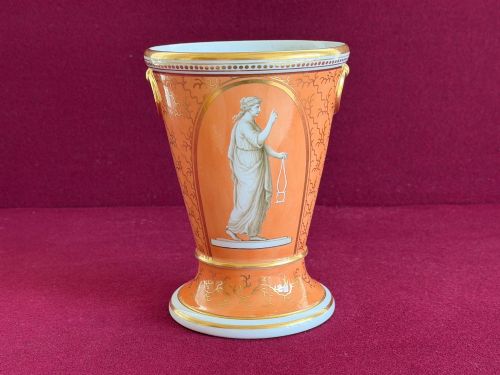
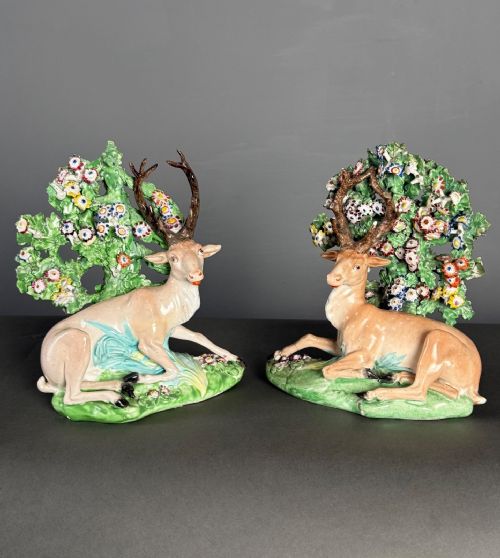
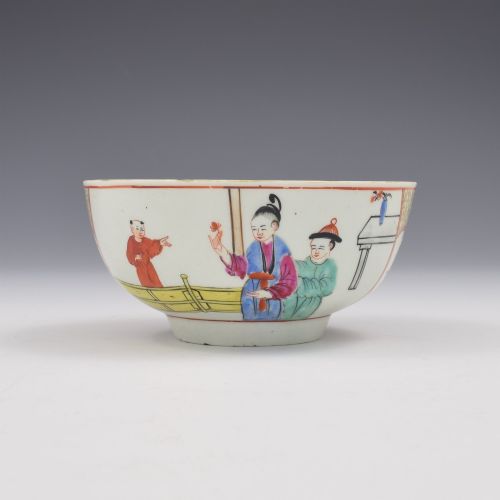
When you search for a georgian porcelain figure, you enter a world of delicate 18th-century and 19th-century ceramic art. The selections here comprise porcelain figurines, decorative figures, and specific subjects like allegories and mythological characters.
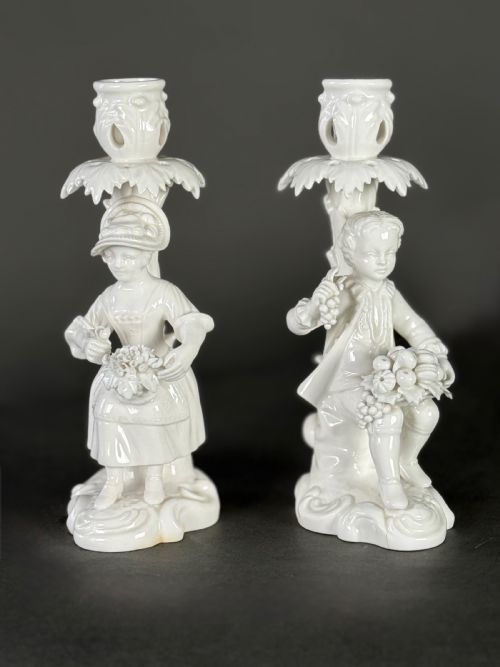
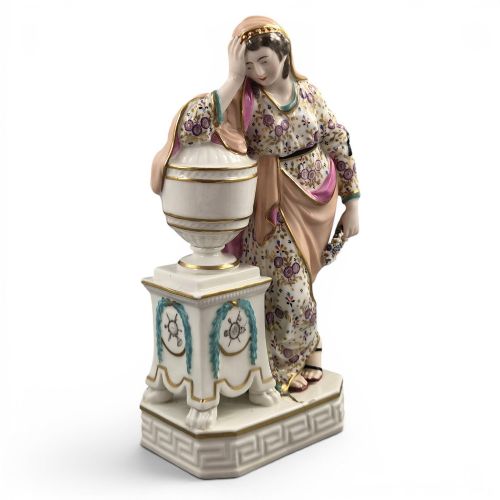
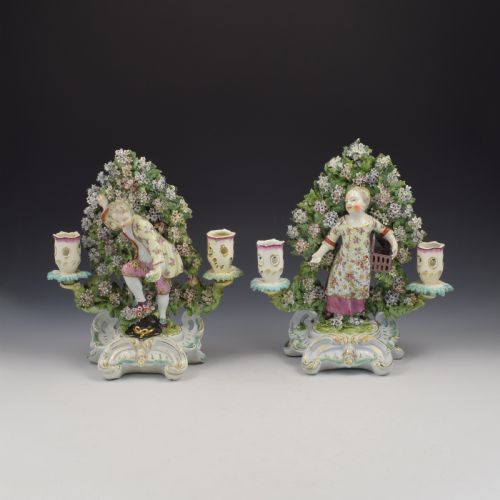
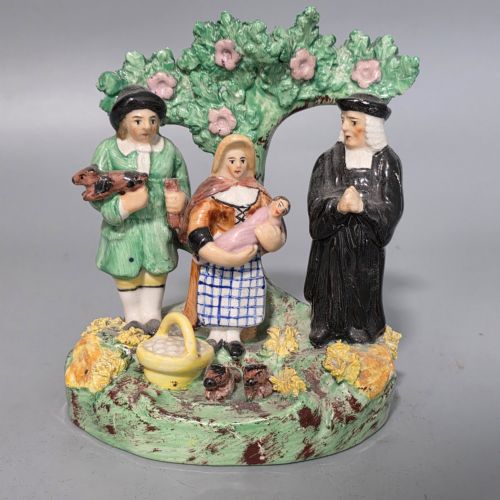
Most pieces you meet on this page hail from the Georgian era, spanning the mid to late 18th century. Subjects range from classical deities like Diana and Andromache to charming pastoral scenes involving sheep and flower sellers.
How they were made
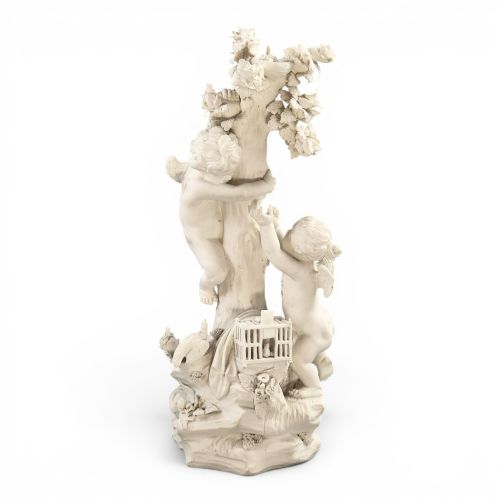
Makers utilised soft-paste porcelain and biscuit porcelain, which is also known as bisque porcelain. These ceramic bodies provided a smooth, absorbent surface ideal for capturing fine details in garments and facial expressions.
Makers applied enamel paints, gold leaf, and gilding to enrich the glazed surfaces. Biscuit porcelain pieces were left unglazed to emphasise the crispness of the sculptural modelling.
Retail Price Guide 2026
Typical UK retail prices for georgian porcelain figure, calculated from the Sellingantiques database of over a million retail prices indexed since 2003. This retail price guide relies exclusively on Sellingantiques data; no external sources or auction records are used, so the figures do not describe the wider market.
Listings feature porcelain forms from the 18th century and 19th century, utilising soft-paste porcelain, biscuit porcelain, enamel, and gold leaf.
What varies in quality
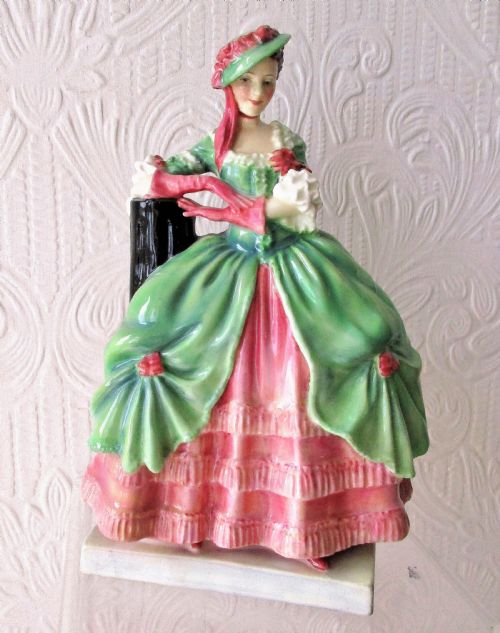
The application of enamel colours and gold leaf alters the visual impact of each piece. Finer works retain crisp hand-painted details and careful gilding that enhance the sculptural form without obscuring the porcelain body.
Derby·Chelsea
The Georgian Porcelain Figure Glossary
- Biscuit porcelain
- Unfired or once-fired porcelain left unglazed, producing a matte surface resembling marble. This finish was favoured by factories for sculptural clarity.
- Soft-paste porcelain
- An artificial ceramic compound composed of clay, glass frit, and white sand, fired at lower temperatures than hard-paste porcelain. It creates a warm, creamy tone under the glaze.
- Gilding
- The application of gold leaf or powdered gold to ceramic surfaces for decorative emphasis. It highlights specific design elements like garment borders and bases.
- Enamel
- Coloured glass powder fused to the ceramic body during a secondary firing. It provides the vibrant palette seen on robes and naturalistic bases.
Frequently Asked Questions
What are georgian porcelain figures made of?
These figures are primarily made from soft-paste porcelain and biscuit porcelain. Artisans shaped these ceramic bodies before firing them.
Decoration relied on enamel paints, gold leaf, and gilding to add colour and metallic sheen to the finished sculptures.
How do I identify a georgian porcelain figure?
Look for the characteristic paste composition, often soft-paste porcelain, combined with 18th-century subjects like classical deities or pastoral workers. The modelling styles reflect Georgian, Neoclassical, and Rococo aesthetic movements.
Examining the base and the crispness of the enamel or biscuit finish helps determine the period and factory origins, such as Derby or Chelsea.
How were these figurines used?
These decorative figurines served as ornamental centrepieces for wealthy households during the 18th century. They were displayed on tables, mantelpieces, and in cabinets.
Collectors and guests admired the detailed allegories, mythological scenes, and representations of everyday life as conversation pieces.
Where were these figures produced?
The pieces listed originate from prominent English porcelain factories active during the Georgian period. Prominent examples include works from the Derby and Chelsea manufactories.
These kilns employed skilled modellers and painters to produce sculptural figures reflecting contemporary tastes in art and theatre.