
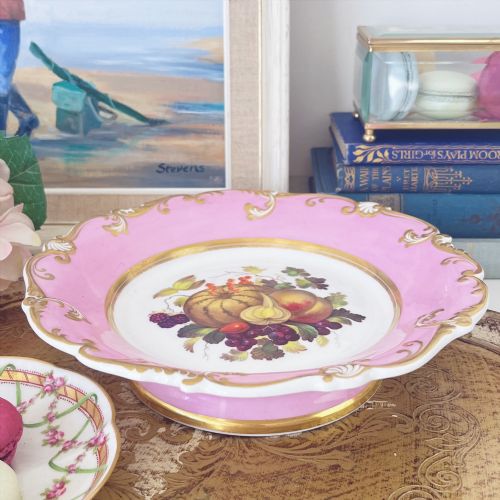
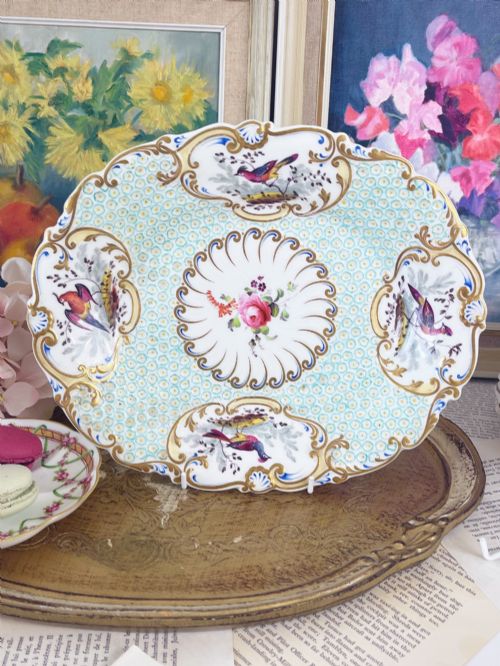


Antique English Ceramics
Antique english ceramics encompass centuries of domestic and decorative earthenware, porcelain, and stoneware shaped by skilled hands across the British Isles.

Antique English Ceramics
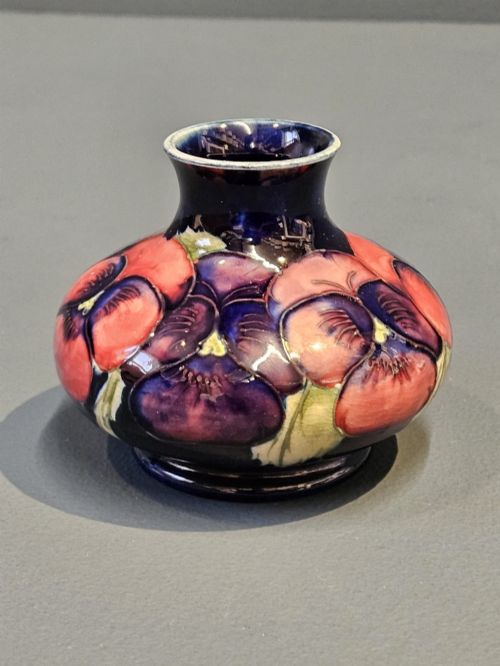
Collectors seeking antique english ceramics will encounter a diverse array of functional and decorative pieces spanning tea services, tablewares, and mantel ornaments. The selection draws heavily from eighteenth and nineteenth-century production centres, reflecting shifts in taste from Georgian refinement to Victorian ornamentation.
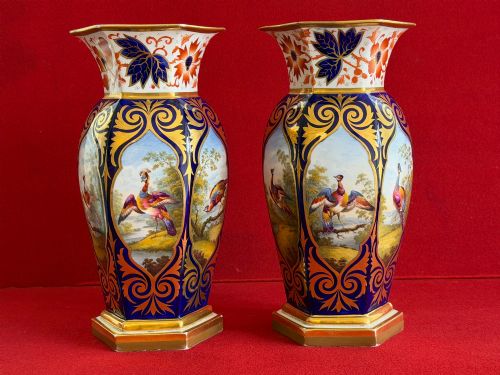
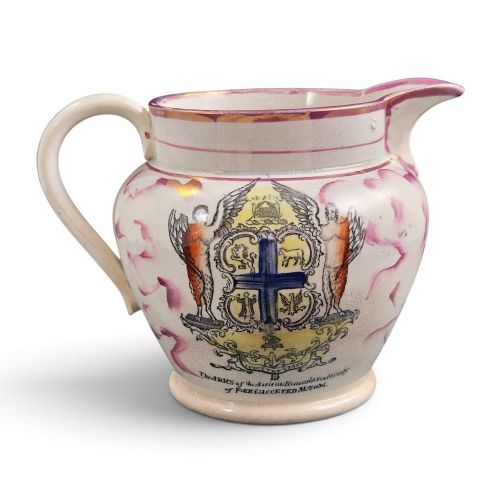
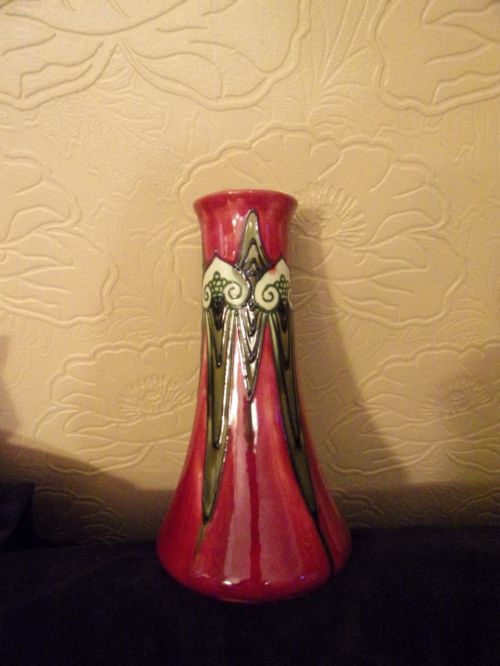
The objects available range from creamware jugs and Delft chargers to porcelain vases and bone china plates. Form follows utility in many instances, with teapots, dessert services, and figures representing the core domestic output found in these listings.
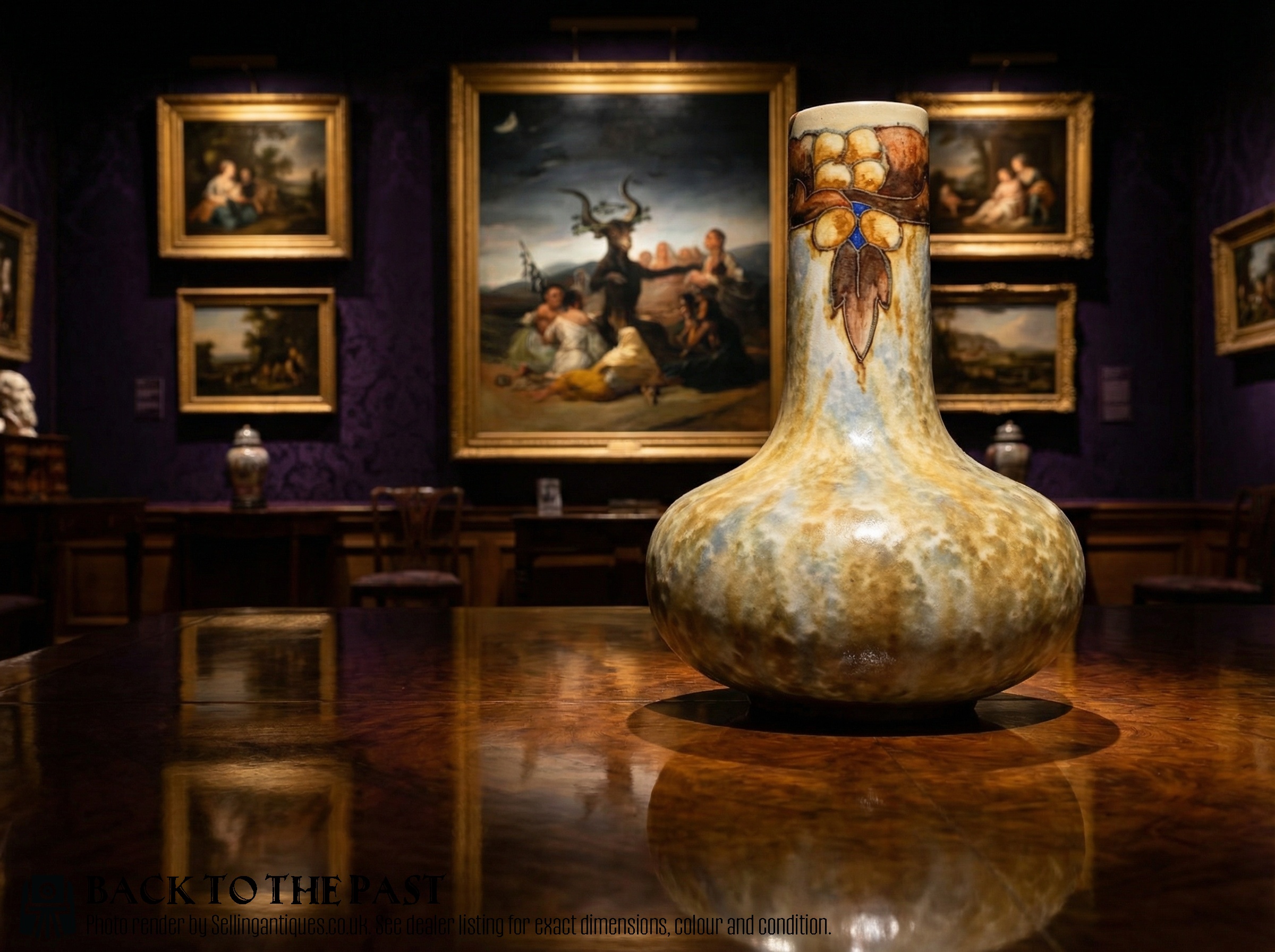
Materials and methods
Potters utilised native clays, soft-paste porcelain, and refined earthenware, shaping them upon the wheel or pressing them within carved moulds. Glazes provided a smooth waterproof surface, sometimes enhanced with tin-opacification for delftware or lustrous metallic sheens.
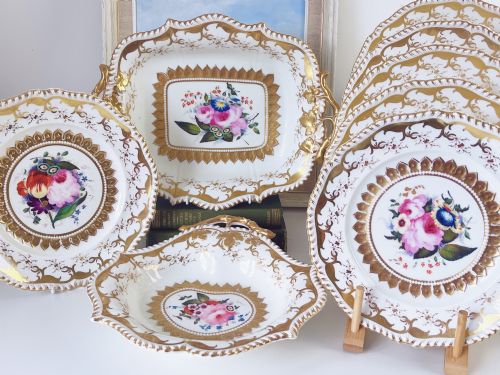
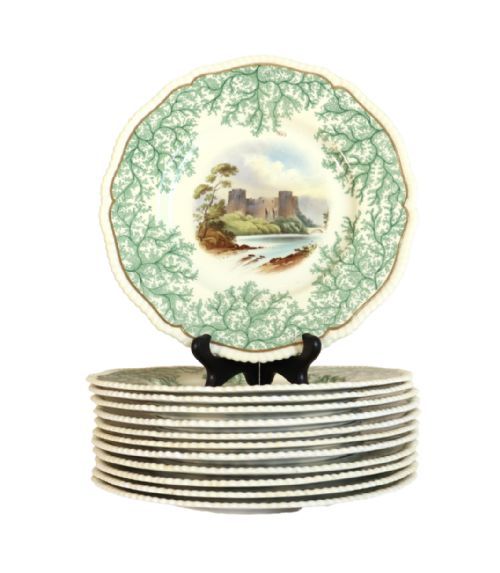
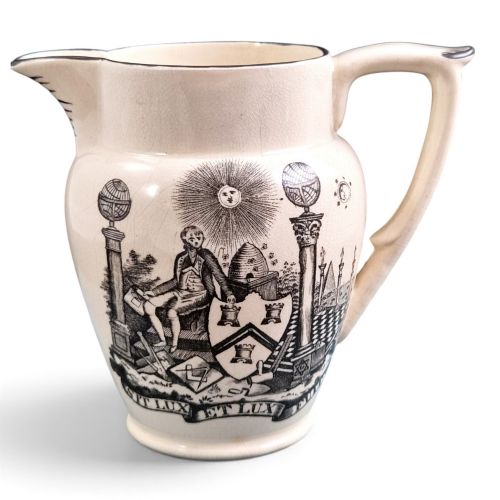
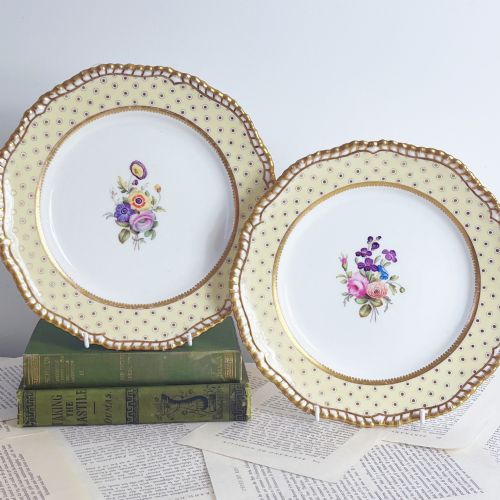
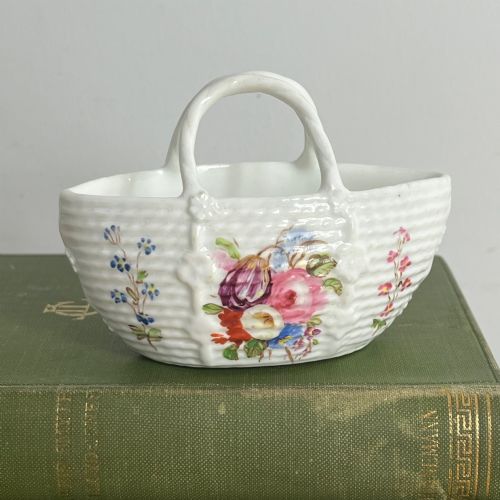
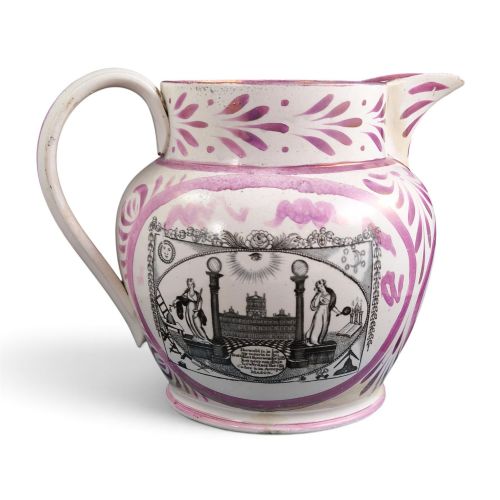
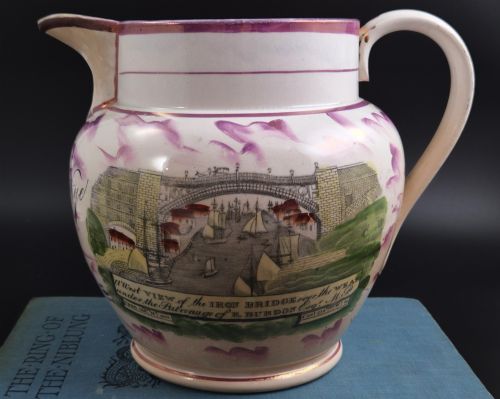
Decoration relied upon handpainted motifs, transfer printing in blue, black, or pink, and tube-lined enamel colours. Gilding with gold leaf frequently accented the rims and handles of high-status porcelain teacups and dessert plates.
Antique English Ceramics Retail Price Guide 2026
Typical asking prices for english ceramics among the pieces listed under this phrase on Sellingantiques today, from the lower quarter to the upper quarter. They describe what is for sale here now, not the wider market.
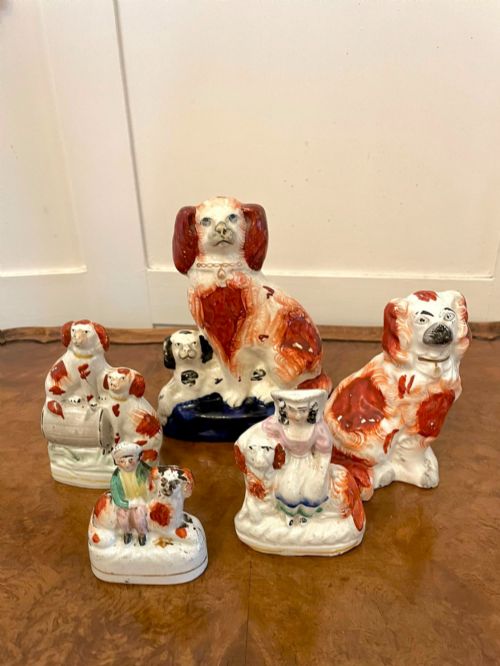
Watch for Staffordshire dogs staring intently from mantelpieces, once placed by sailors' wives to watch the window for their husbands' return.
Judging quality and execution
Superior examples display crispness in moulded detail and precision in handpainted or transfer-printed decoration without blurring or smudging. The fineness of the clay body and the evenness of the glaze application distinguish superior studio output from standard commercial ware.
Artistic ambition and the complexity of the form further separate ordinary production from masterworks. Modelled figures with expressive modelling and well-preserved polychrome or gilded surfaces hold greater visual clarity.
Grainger Lee And Co·Flight Barr And Barr·H And R Daniel·Royal Doulton·Minton
The Antique English Ceramics Glossary
- Creamware
- A refined earthenware developed in Yorkshire and Staffordshire featuring a pale yellow or cream-coloured lead glaze. Josiah Wedgwood perfected this durable body, naming it Queensware.
- Transfer printing
- A technique where an engraved copper plate transfers a design onto tissue paper, which is then pressed onto the ceramic biscuit before glazing and firing. This allowed intricate patterns to be produced consistently.
- Soft-paste porcelain
- An artificial porcelain composition made from white-firing clay mixed with ground glass or frit rather than hard-paste kaolin and petuntse. It fires at lower temperatures and possesses a warm, slightly creamy translucency.
- Lustreware
- Earthenware decorated with a metallic film that creates an iridescent, reflective surface. Potters achieved this effect using copper, silver, or gold solutions fired in a reduced oxygen atmosphere.
- Biscuit
- Unglazed ceramic ware that has undergone its initial firing in the kiln. Many figures and certain porcelain bodies remain in this matte state or receive decoration directly over it.
Antique English Ceramics: Frequently Asked Questions
What is the difference between earthenware and porcelain?
Earthenware is an opaque, porous ceramic body fired at lower temperatures, requiring a glaze to become impermeable to liquids. It includes creamware and ironstone items commonly used for everyday domestic service.
Porcelain is a vitrified ceramic fired at much higher temperatures until the body becomes dense and translucent. It resists moisture naturally and rings when struck gently, making it suitable for fine tea wares and decorative vases.
How can I date my ceramic piece?
Examine the base for factory marks, pattern numbers, or impressed ciphers that correspond to known operating dates of the pottery. Stylistic cues such as shape, glaze characteristics, and painting techniques also help narrow the era.
Consult historical pottery records and reference guides specific to English manufacturers to cross-reference stylistic motifs. The presence of transfer printing or specific colour palettes often points toward distinct Georgian or Victorian decades.
Where should I display antique pottery?
Position delicate ceramics away from direct sunlight to prevent fading on handpainted enamels and transfer-printed surfaces. Stable shelving inside enclosed cabinets protects pieces from accidental knocks and airborne dust.
Maintain consistent indoor humidity levels to safeguard fragile pastes and older glazes from thermal shock or environmental stress. Ensure cabinets are securely anchored if storing heavier items like ironstone cheese domes or large jugs.